
Side-by-Side IQ Profile
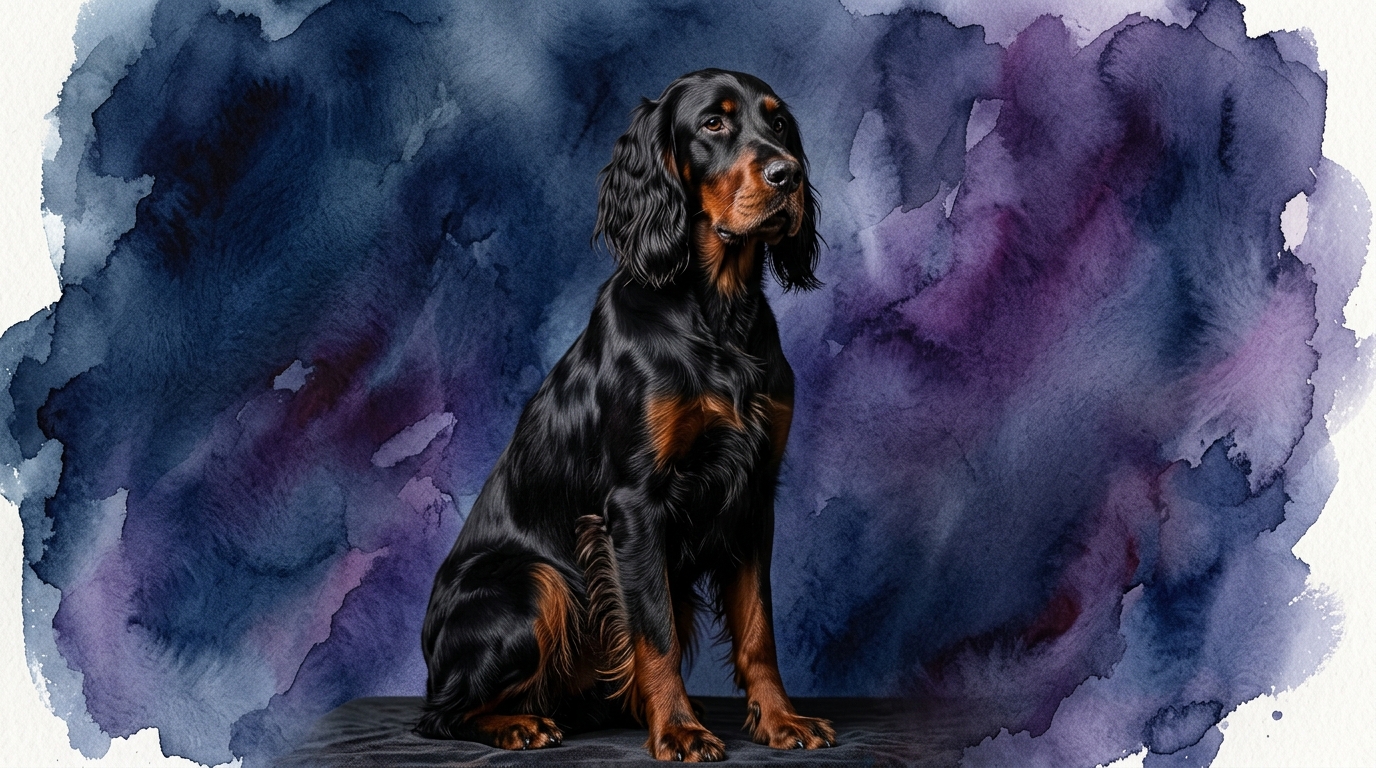
**Gordon Setter (Sporting, Coren Rank #39):** This elegant Sporting breed demonstrates a nuanced cognitive profile. Their **Problem Solving (4/5)** capacity means they often independently strategize and adapt to novel challenges, such as figuring out complex scent trails or manipulating objects to achieve a goal. This analytical approach allows for quick adaptation. Their **Training Speed (4/5)** is notable; they generally grasp new commands and routines with impressive alacrity, often requiring fewer repetitions to solidify a behavior due to their eagerness to engage and focused attention. In **Social Intelligence (3/5)**, they are attuned enough to respond to social cues from their primary caregivers and form deep bonds, though they might be more reserved with strangers. Their **Instinctive Drive (3/5)**, stemming from their hunting heritage, manifests as a desire to track and retrieve, which is typically manageable and can be channeled into structured activities. Finally, a strong **Memory (4/5)** allows them to retain learned behaviors, past experiences, and complex sequences over extended periods, making them reliable in advanced training.
**Rhodesian Ridgeback (Hound, Coren Rank #52):** The powerful Rhodesian Ridgeback, a member of the Hound group, exhibits a distinct cognitive style. Their **Problem Solving (3/5)** approach is often practical and direct, relying on physical capabilities and persistence rather than intricate analysis. They will overcome challenges, but their solutions might be less nuanced or involve more trial and error. With a **Training Speed (3/5)** rating, this breed learns at a steady pace, requiring consistent and patient repetition to ingrain new commands. Their independent hound nature means they process information and decide to comply on their own terms, needing clear motivation. Their **Social Intelligence (3/5)**, like the Gordon Setter, indicates a balanced social awareness; they are loyal and protective of their family, discerning with strangers, and understand social hierarchies, but their independence means they don't constantly seek approval. The Ridgeback's **Instinctive Drive (3/5)** is significant, reflecting their powerful prey drive and protective instincts, requiring appropriate outlets and management to prevent strong chasing behaviors. Their **Memory (3/5)** is functional, capable of recalling important commands and routines, though their recall might be less instantaneous or comprehensive than breeds with a 4/5 rating, sometimes needing refreshers.
Where Gordon Setter Wins Cognitively
The Gordon Setter’s cognitive strengths shine particularly in its problem-solving agility and training receptiveness. Their 4/5 rating in problem-solving means they are more prone to independently strategize and adapt to new puzzles or environmental changes, demonstrating a greater capacity for flexible thinking when faced with novel situations. This translates into a dog that can more readily figure out how to open a gate or navigate a complex obstacle course without constant human intervention, processing information quickly to find solutions.
Furthermore, their superior training speed (4/5) and memory (4/5) collectively position them as faster learners who retain information more effectively. A Gordon Setter will typically pick up new cues and complex sequences of commands with fewer repetitions and recall them reliably over time. This makes advanced training endeavors, such as competitive obedience or intricate field work, significantly more efficient and rewarding, as their quick processing allows them to anticipate and respond to cues with greater precision and consistency.
Where Rhodesian Ridgeback Wins Cognitively
While the Gordon Setter excels in learning speed, the Rhodesian Ridgeback’s cognitive advantages are rooted in its focused independence and instinctive resilience, traits intrinsically linked to its historical role. Their 3/5 in problem-solving, coupled with a strong instinctive drive, suggests a dog that is highly persistent and resourceful when pursuing a goal, even if their method is not always the most analytical. This breed excels in situations demanding sustained effort and a degree of self-reliance, such as tracking a scent over long distances or vigilantly guarding territory.
Their balanced social intelligence (3/5) allows them to make independent judgments about threats and social situations, rather than constantly deferring to human direction. This self-assuredness, while occasionally posing a challenge in traditional obedience, fosters a dog capable of making sound decisions in dynamic environments, relying on their own assessment and a deep-seated drive to protect or pursue. Their cognitive makeup is geared towards a steadfast, self-sufficient approach to challenges.
Which Is Easier to Train and Why
Based on their respective IQ profiles, the Gordon Setter is generally considered easier to train. Their 4/5 rating in Training Speed indicates a higher aptitude for absorbing new commands and routines with greater efficiency, requiring fewer repetitions to achieve proficiency. This responsiveness stems from their eager-to-please nature, focused attention, and a strong memory (4/5) that helps them retain learned behaviors over time. They are often highly motivated by praise and positive reinforcement, making them cooperative partners in various disciplines from basic obedience to advanced field work.
Conversely, the Rhodesian Ridgeback, with a 3/5 in Training Speed, typically demands more patience, consistency, and a highly motivating approach. Their hound heritage fosters a degree of independence and a selective ear; they might weigh the immediate reward against their own desires or the allure of a captivating scent before complying. Training a Ridgeback requires a firm, fair, and consistent hand, ensuring that the desired behavior is consistently more appealing than competing distractions or their inherent self-sufficiency. Real behavioral differences include the Gordon Setter's innate tendency to work cooperatively with a handler on a task, while the Ridgeback might prefer to execute a task using its own judgment if it perceives a better or more efficient way.
Which Suits Active Owners vs. Relaxed Owners
Both breeds generally thrive with active owners, but their specific needs and the intensity of that activity differ. The Gordon Setter, with its Sporting group background and moderate instinctive drive (3/5), flourishes with owners who can provide consistent mental stimulation and regular physical exercise, such as long walks, energetic fetching games, or participation in dog sports like agility or obedience. Their desire to work and please makes them excellent companions for active individuals or families who enjoy structured outdoor activities and seek a dog that can be a partner in varied endeavors. While they appreciate downtime indoors, they are not suited for entirely relaxed, sedentary lifestyles where their cognitive and physical needs are neglected.
The Rhodesian Ridgeback, despite a similar instinctive drive rating (3/5), possesses a physical and mental constitution built for endurance and self-reliance, originally requiring immense stamina for hunting large game. They absolutely require active owners who can commit to substantial daily exercise, including long runs, extensive hiking, or secure off-leash play in a large, fenced area. Their powerful build and often strong prey drive necessitate an owner capable of managing a physically robust dog. While they can be calm indoors once their needs are met, their independence means they are not "lap dogs" in the traditional sense and don't constantly seek interactive play. Relaxed owners who prefer minimal physical engagement or lack experience with strong-willed, athletic hounds might find the Ridgeback’s energy levels and independence challenging to manage. They need a job or consistent, vigorous activity to prevent boredom and potential destructive behaviors.
The Verdict
Choose a Gordon Setter if you seek a highly trainable companion eager to engage in structured activities, quickly grasp new concepts, and retain complex commands, making them ideal for competitive dog sports or dedicated field work. Their cooperative nature and strong memory make for a rewarding training journey and a responsive family member.
Opt for a Rhodesian Ridgeback if you are an experienced, active owner who appreciates an independent, resourceful dog with a strong protective instinct and immense physical stamina, willing to invest significant time in consistent, motivational training. They excel with owners who understand their need for a clear leader and ample physical outlets for their robust energy.
🧠 Find Your Pet's IQ Score
Our Pet IQ Lab assessment covers 25+ tests across 5 cognitive dimensions — personalized to your breed.
Take the Full IQ Test →Frequently Asked Questions
Are Gordon Setters good for first-time dog owners?
Gordon Setters can be suitable for first-time owners who are committed to consistent training and providing ample physical and mental stimulation. Their eagerness to please and relatively high trainability make them responsive, but their energy levels and grooming needs still require dedication and research.
Do Rhodesian Ridgebacks get along with other pets?
Rhodesian Ridgebacks can coexist with other pets, especially if raised together from a young age, but their strong prey drive requires careful management and supervision around smaller animals. Proper socialization and continued training are crucial to ensure harmonious relationships within the household.
How much exercise do these breeds typically need daily?
Gordon Setters require at least 60-90 minutes of vigorous exercise daily, ideally incorporating off-leash running or structured activities that engage their mind. Rhodesian Ridgebacks need even more, often 90-120 minutes of intense physical activity, like long runs or vigorous play, to satisfy their endurance and powerful build.