Unpacking Their Minds: A Side-by-Side IQ Profile
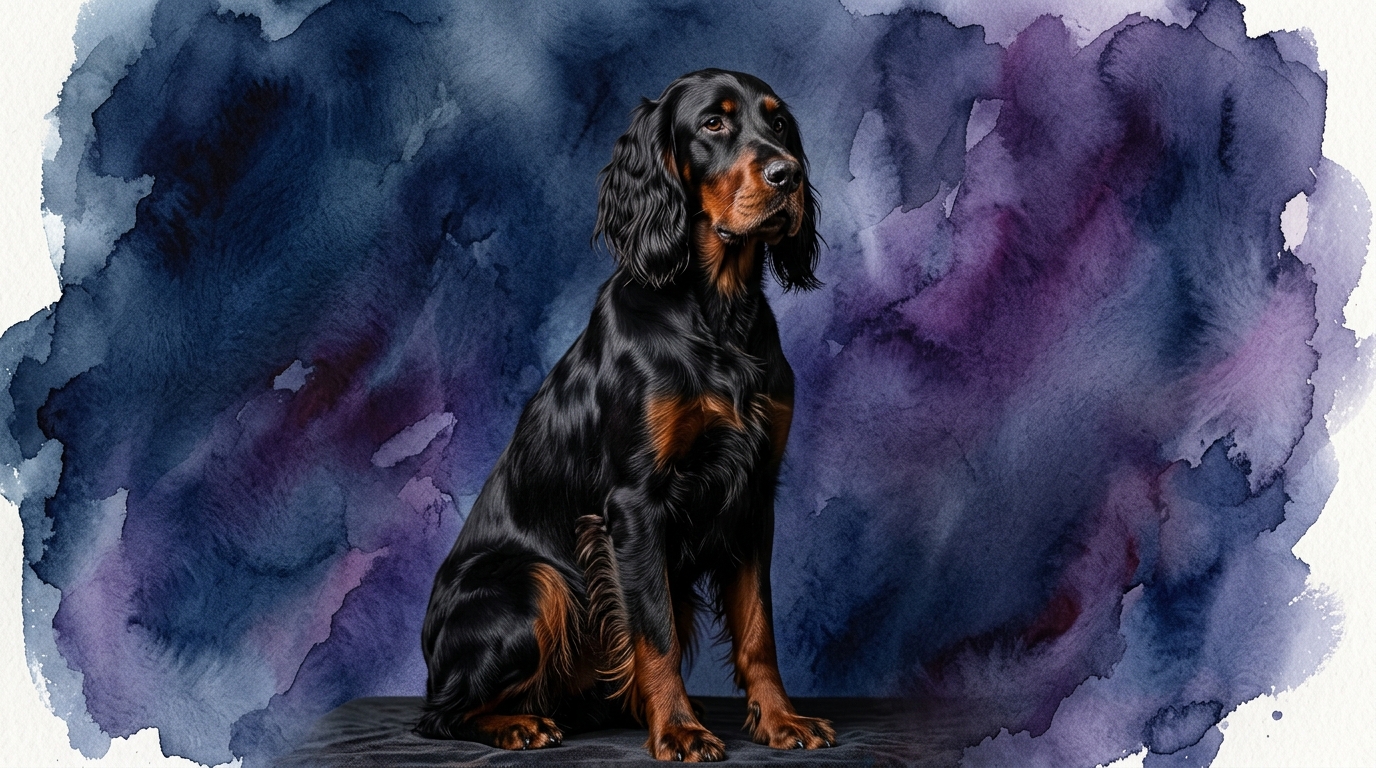
Originating from the Sporting group, the Gordon Setter, holding Coren rank #39, demonstrates a cognitive profile optimized for collaborative fieldwork. Their problem-solving capacity is rated at 4/5, indicating an aptitude for navigating complex environments and executing multi-step tasks. With a training speed of 4/5, they exhibit a strong receptiveness to instruction, often grasping new commands with relatively few repetitions. Social intelligence stands at 3/5, suggesting a balanced responsiveness to human cues without being overly dependent. Their instinctive drive, also 3/5, is primarily geared towards bird hunting, encompassing scenting and pointing behaviors. A memory score of 4/5 means they retain learned behaviors and environmental information effectively, crucial for their role in the field.
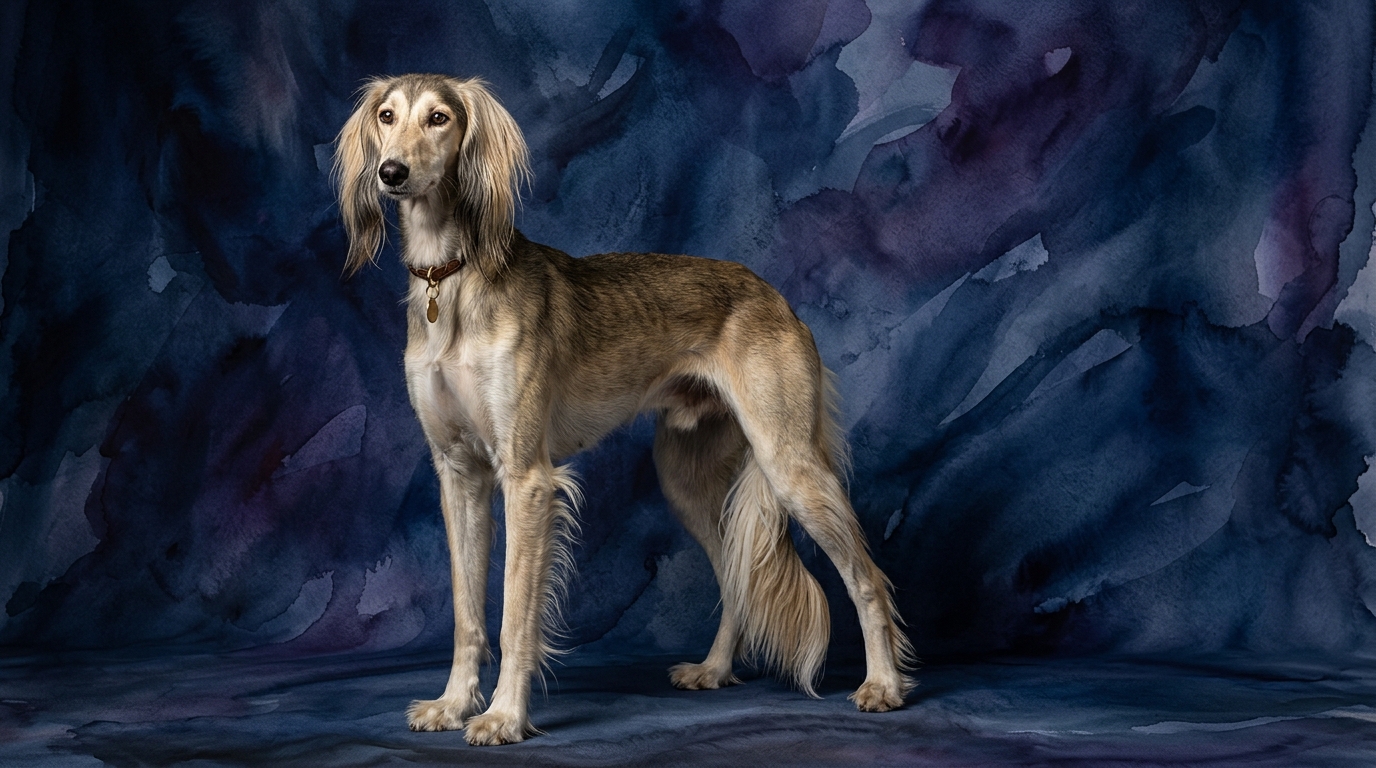
In contrast, the Saluki, a venerable member of the Hound group and not Coren-ranked, presents a distinct cognitive makeup shaped by centuries of sighthound work. Their problem-solving ability scores 3/5, reflecting a practical intelligence often focused on efficient pursuit rather than intricate human-devised puzzles. Training speed is also 3/5, indicating they learn at a moderate pace, but often with a discerning independence. Their social intelligence, like the Gordon Setter, is 3/5, manifesting as a deep, often reserved, loyalty to their chosen family rather than an overt eagerness to please strangers. The Saluki's instinctive drive, 3/5, is intensely focused on visual prey, demanding rapid, autonomous decisions over vast distances. A memory score of 3/5 suggests they retain information adequately, particularly for spatial awareness and hunting-related sequences, though perhaps less for human-initiated, arbitrary tasks.
At the core, this comparison highlights a fundamental divergence: the Gordon Setter's cognition is largely geared towards a partnership with humans in structured tasks, while the Saluki's mind is a finely tuned instrument for independent, instinct-driven pursuit. Both are effective, but in profoundly different contexts.
Where the Gordon Setter's Cognition Shines
The Gordon Setter's superior problem-solving (4/5) and memory (4/5) are direct reflections of their historical role as gun dogs. This breed was developed to work closely with hunters, requiring them to not only locate and point game but also to remember where birds fell, navigate dense cover, and retrieve precisely. This complex job demands a dog capable of intricate spatial reasoning, sequential task execution, and robust retention of commands and environmental cues. Owners will observe this aptitude in their ability to master advanced obedience routines, excel in agility courses that require strategic thinking, or quickly figure out complex puzzle toys designed to challenge canine minds.
Furthermore, the Gordon Setter's training speed (4/5) is a significant cognitive advantage. This isn't merely about learning quickly; it speaks to an inherent desire to engage with and understand human instruction, fostering a strong collaborative bond. Their moderate social intelligence (3/5) is perfectly suited to this, allowing them to be attentive to human signals without becoming overly distracted or anxious. This translates into a dog that not only learns commands rapidly but also enjoys the process of learning, making them highly receptive to varied training methodologies and capable of mastering a wide repertoire of behaviors, from basic manners to specialized field work.
The Saluki's Unique Cognitive Strengths
While the Saluki's problem-solving score (3/5) might seem moderate, it is crucial to understand that their cognitive abilities are specialized for their original purpose: swift, independent pursuit of prey. Their problem-solving isn't about deciphering human-centric puzzles, but rather about making split-second decisions in a high-speed chase – assessing terrain, anticipating prey movement, and executing complex evasive maneuvers without human direction. Their instinctive drive (3/5), intensely focused on visual stimuli, is a testament to this specialized intelligence, allowing them to spot distant movement and react with incredible speed and precision. This isn't a lack of cognitive power, but rather a different, highly efficient application of it, honed for survival in the hunt.
The Saluki's social intelligence (3/5), while numerically matching the Gordon's, manifests differently, often as a discerning loyalty rather than an eager-to-please attitude. This independence, coupled with their moderate training speed (3/5), means they process commands through a filter of self-interest or alignment with their primary drives. This self-reliance is a profound cognitive strength for a sighthound, enabling them to act decisively and autonomously in the field. Their memory (3/5) serves their spatial awareness and the retention of hunting strategies over vast territories, rather than a focus on human-initiated, repetitive tasks. For owners who understand and respect this unique self-sufficiency, it becomes a cherished aspect of the Saluki's cognitive makeup.
Training Receptiveness: Gordon Setter vs. Saluki
When it comes to training, the Gordon Setter generally offers a more straightforward experience. Their high training speed (4/5) and problem-solving aptitude (4/5) mean they are quick to understand what is being asked of them and are often eager to comply. They thrive on positive reinforcement and enjoy the mental engagement that training provides, viewing it as a cooperative activity with their human partner. This makes them highly adaptable to various training methods, from basic obedience to advanced competitive disciplines, and they typically respond well to consistent, reward-based approaches, making them rewarding students for dedicated handlers.
The Saluki, however, approaches training with a different mindset. Their moderate training speed (3/5) and independent nature mean that while they are capable of learning, they are often less motivated by pleasing their human and more by their own internal drives or what they perceive as beneficial. Training a Saluki requires immense patience, consistency, and an understanding of their sighthound instincts. Commands may need more repetitions, and success often hinges on making training engaging and demonstrating its value to the Saluki, perhaps by incorporating controlled chase games or activities that tap into their love for running. They will learn, but often on their own terms and timeline, and their strong prey drive can easily override commands if not managed carefully.
Tailoring to Lifestyles: Active Engagement vs. Independent Spirit
For owners seeking an active, mentally engaged canine partner, the Gordon Setter is an excellent match. Their need for both physical exercise and mental stimulation aligns perfectly with lifestyles that include hiking, dog sports like agility or obedience, or even practical hunting activities. They thrive on having a 'job' and will actively seek out engagement if not provided, making them ideal for owners who enjoy consistent, interactive participation with their dog. Their cooperative cognitive profile ensures they are willing partners in these shared adventures, forming a deep bond through mutual activity and learning.
The Saluki, while requiring significant physical exercise, particularly ample opportunities to run in secure, expansive areas, offers a different kind of companionship. Their independent spirit means they are less inclined towards constant interactive mental stimulation and are often content to observe or relax after their exercise needs are met. Owners who appreciate a dog with a noble, somewhat reserved demeanor, and who understand and respect their deep-seated hunting instincts, will find a compatible companion. They need space to express their natural running ability, but not necessarily continuous collaborative mental challenges, making them suitable for owners who value their self-sufficient nature and provide outlets for their innate sighthound drives.
The Verdict
Opt for a Gordon Setter if you seek a highly engaged, cooperative canine partner eager for collaborative learning, complex training, and shared activities like dog sports or field work.
Select a Saluki if you appreciate an independent, discerning companion with a profound need for exercise, valuing their self-reliant nature and providing outlets for their instinctive sighthound drives.
🧠 Find Your Pet's IQ Score
Our Pet IQ Lab assessment covers 25+ tests across 5 cognitive dimensions — personalized to your breed.
Take the Full IQ Test →Frequently Asked Questions
Are Gordon Setters better at learning tricks?
Yes, generally. With a problem-solving score of 4/5 and training speed of 4/5, Gordon Setters tend to grasp new tricks and complex sequences more readily than Salukis, who score 3/5 in both areas. Their cooperative nature makes them eager participants in such mental challenges.
How does the Saluki's 'instinctive drive' impact daily life?
The Saluki's instinctive drive (3/5), primarily focused on sight-hunting, means they have a powerful urge to chase anything that moves quickly and at a distance. This necessitates secure fencing and leashed walks in unfenced areas, as their focus on prey can easily override other commands and lead them to pursue quarry.
Which breed is more suitable for a first-time dog owner?
The Gordon Setter, with its higher training speed and cooperative temperament, is generally a more forgiving choice for a first-time owner willing to provide consistent training and ample activity. The Saluki's independence and strong prey drive can present more significant challenges for novice handlers, requiring a deeper understanding of sighthound behavior.