Side-by-Side Cognitive Profile
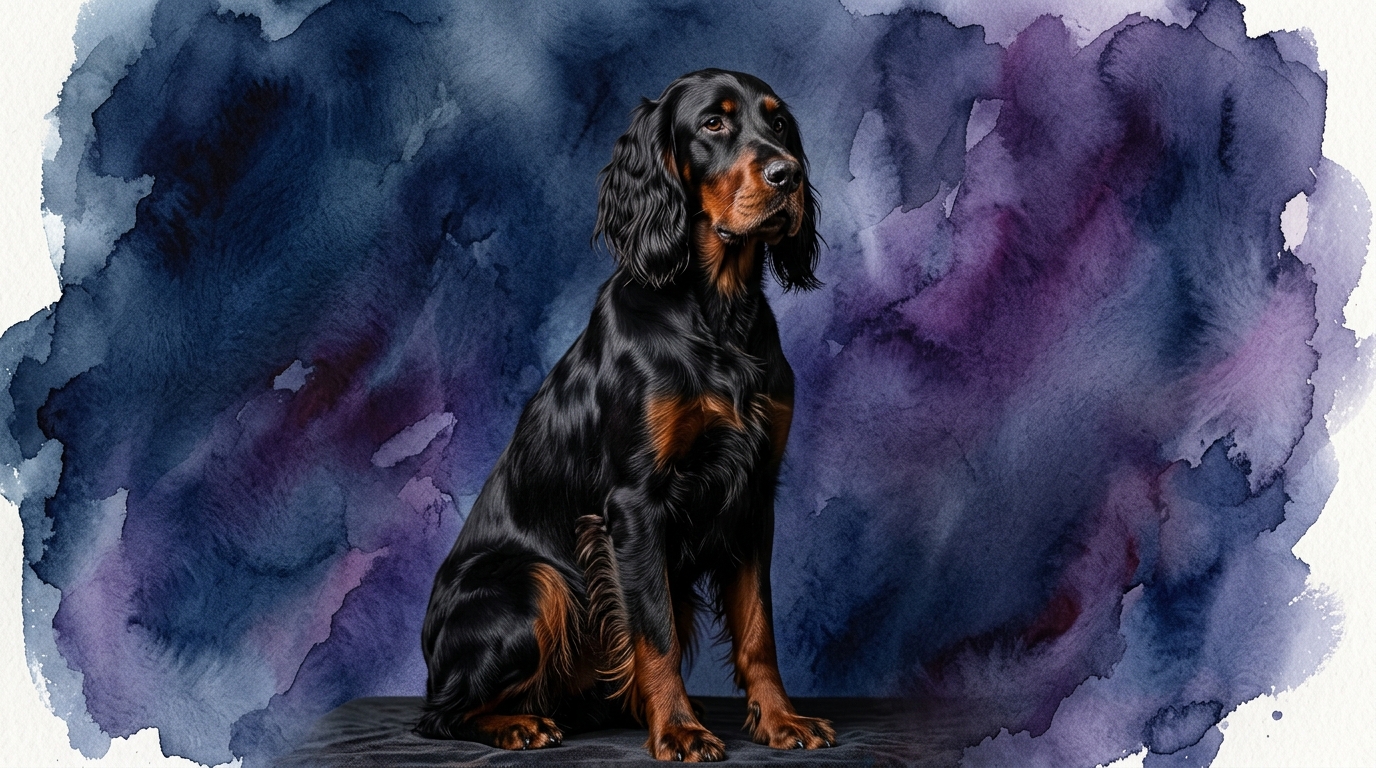
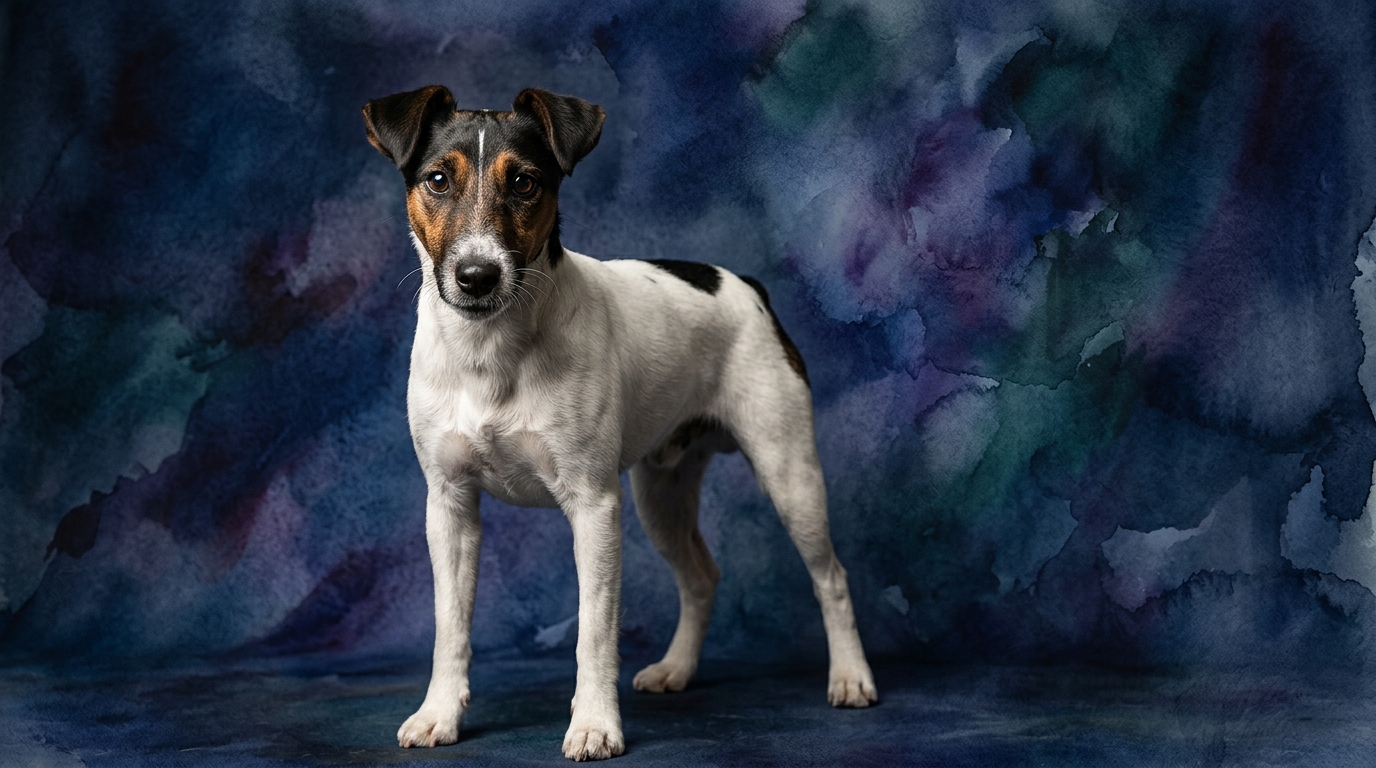
The Cosmic Pet Pet IQ Lab employs a five-dimensional framework to assess canine cognition, offering a nuanced view beyond simple rankings. For the Gordon Setter, a Sporting group dog, and the Smooth Fox Terrier, a member of the Terrier group, these dimensions reveal profiles tailored to their historical functions.
Gordon Setter IQ Profile:
Problem Solving (4/5): This score reflects a capacity for flexible thinking, crucial for a hunting dog adapting to varied terrain and game behavior. They can strategize during scent tracking and retrieval, often navigating obstacles with foresight.
Training Speed (4/5): Gordon Setters typically grasp new commands and routines quickly, a trait essential for working closely with a handler. Their eagerness to please and focus on cooperative tasks contribute to their accelerated learning.
Social Intelligence (3/5): A 3/5 indicates a solid understanding of social cues and a desire for companionship. They form strong bonds, demonstrating awareness of human moods and intentions, vital for a partner.
Instinctive Drive (3/5): Their innate hunting instincts, such as scenting and pointing, are present but generally manageable and channeled through training. This drive is purposeful, guiding them to locate game effectively.
Memory (4/5): A strong memory allows Gordon Setters to recall complex command sequences, remember specific locations, and retain training over long periods, underpinning their reliability.
Smooth Fox Terrier IQ Profile:
Problem Solving (3/5): Smooth Fox Terriers exhibit practical problem-solving, particularly when faced with challenges related to their prey drive, like navigating burrows. Their solutions are often direct and persistent, driven by instinct.
Training Speed (3/5): While capable of learning, their independent nature can make training a more deliberate process. They learn effectively when motivated by engaging methods, but focus can be diverted by interesting “prey” opportunities.
Social Intelligence (3/5): Like the Gordon Setter, a 3/5 suggests awareness of their social environment and strong attachments. However, their social interactions might show a more assertive or independent streak, sometimes challenging boundaries.
Instinctive Drive (3/5): Their instinctive drive is profoundly expressed in relentless pursuit of small game, digging, and barking. This drive is central to their identity and a defining characteristic for their intended work.
Memory (3/5): Smooth Fox Terriers possess a functional memory for learned behaviors and routines, though perhaps not with the same intricate detail or long-term retention for complex sequences as the Gordon Setter. They remember what serves their immediate goals.
Where the Gordon Setter Excels Cognitively
The Gordon Setter's cognitive strengths shine in cooperative problem-solving and sustained focus on a shared task. Their 4/5 in Problem Solving reflects an ability to strategize in dynamic environments, such as tracking a bird through varied cover, anticipating its movements, and adjusting their approach in real-time. This isn't just reacting; it's proactive engagement with a goal.
Furthermore, their superior Training Speed (4/5) and Memory (4/5) underscore their capacity for intricate learning and retention. A Gordon Setter can master a diverse repertoire of commands, respond reliably to hand signals, and execute complex field trials demanding a sequence of learned behaviors. This aptitude for absorbing and applying instruction makes them highly adaptable partners in activities requiring precision and teamwork. Their cognition is geared towards understanding and fulfilling human directives within a working context.
Where the Smooth Fox Terrier Excels Cognitively
While the Smooth Fox Terrier's numerical scores are generally lower or equal, their cognitive profile represents a different kind of strength, perfectly aligned with their original purpose. Their 3/5 in Problem Solving, combined with their intense Instinctive Drive (3/5), translates into unparalleled tenacity and independent decision-making in confined, challenging spaces. A Smooth Fox Terrier excels at the persistent pursuit of quarry underground, requiring acute sensory perception, spatial reasoning to navigate tunnels, and the resolve to continue without direct human guidance.
Their “win” lies in their singular, unwavering focus when engaged in an instinctual task. They are not waiting for a command when they've scented a varmint; they are acting on an internal directive with remarkable determination. This independent drive, often perceived as stubbornness in training, is a cognitive asset in their specialized work, allowing them to make swift, autonomous choices under pressure. Their problem-solving is less about cooperative strategy and more about individual, relentless execution.
Which is Easier to Train and Why
The Gordon Setter, with its 4/5 Training Speed, generally presents an easier and more fluid training experience. Their historical role as a bird dog required them to be highly biddable, attentive to their handler, and eager to please. They are intrinsically motivated by cooperation and praise, making them receptive to positive reinforcement methods. Their superior memory also means they solidify learned behaviors quickly and retain them over time, reducing the need for constant reteaching. Real behavioral differences include their natural inclination to check in with their handler and their sustained focus on tasks that involve partnership.
Conversely, the Smooth Fox Terrier, at a 3/5 Training Speed, can be more challenging for a novice owner due to their deeply ingrained independence and formidable prey drive. While capable, their primary motivation isn't necessarily human approval, but rather the pursuit of their own interests, particularly anything that resembles a chase or a dig. Training often requires more creativity, consistency, and a strong understanding of their terrier temperament. They are not “stubborn” as much as they are self-directed; convincing them that your agenda is more rewarding than their instinctual pursuits is key. Their tendency to follow their nose or sight can easily override a command if not managed effectively.
Which Suits Active Owners vs. Relaxed Owners
Both breeds demand active engagement, but their ideal forms of activity differ significantly. The Gordon Setter is well-suited for owners who enjoy long, sustained outdoor activities such as hiking, jogging, or field work. Their stamina and desire for cooperative tasks make them excellent partners for scent work, obedience, or competitive agility where precision and teamwork are valued. They thrive on structured exercise that engages both their body and their keen sense of smell, often preferring a steady pace over explosive bursts.
The Smooth Fox Terrier, while also requiring an active owner, needs a different kind of engagement. They are best suited for individuals who appreciate their bold, energetic, and often mischievous nature. Their exercise should include opportunities for chasing, digging (in designated areas!), and intense bursts of play. Earth dog trials, lure coursing, or fast-paced agility can channel their terrier drive effectively. Owners who enjoy problem-solving games, consistent training to manage their independent streak, and a resilient sense of humor will find a rewarding companion. Neither breed is ideal for a truly “relaxed” owner seeking a couch potato; both need significant mental and physical stimulation, but the type of stimulation is the differentiating factor.
The Verdict
Opt for a Gordon Setter if you seek a cooperative, biddable partner for sustained outdoor adventures and enjoy the process of nuanced training and teamwork. They excel in environments where their keen memory and problem-solving skills can be applied to shared goals.
Select a Smooth Fox Terrier if you admire a tenacious, independent spirit, are prepared for consistent, creative training, and can provide outlets for their intense prey drive and bold personality. They thrive with owners who appreciate their spirited autonomy and provide focused, high-energy engagement.
🧠 Find Your Pet's IQ Score
Our Pet IQ Lab assessment covers 25+ tests across 5 cognitive dimensions — personalized to your breed.
Take the Full IQ Test →Frequently Asked Questions
Are Gordon Setters good family dogs?
Yes, Gordon Setters often form strong bonds with their families, demonstrating their 3/5 social intelligence through loyalty and affection. They are generally patient and good-natured with children, especially when well-socialized, making them suitable companions for active households.
How much exercise does a Smooth Fox Terrier need?
Smooth Fox Terriers require a significant amount of daily exercise, typically an hour or more of vigorous activity. This should include opportunities for running, chasing, and mental stimulation to prevent boredom and destructive behaviors stemming from their high instinctive drive.
Can a Smooth Fox Terrier live with other pets?
Due to their strong prey drive, Smooth Fox Terriers may require careful socialization when introduced to smaller pets like cats or rodents. While they can coexist, their instinctual drive (3/5) means supervision and proper introductions are crucial to ensure harmony in a multi-pet household.