Side-by-Side Cognitive Profile: Greyhound vs. Boerboel
At The Cosmic Pet Pet IQ Lab, we delve into the unique mental makeup of each breed, moving beyond superficial observations to analyze core cognitive dimensions. For the Greyhound, a sighthound ranked #46 by Coren, and the unranked but equally compelling Boerboel, a mastiff-type working dog, their IQ profiles offer a window into their inherent capabilities and tendencies.
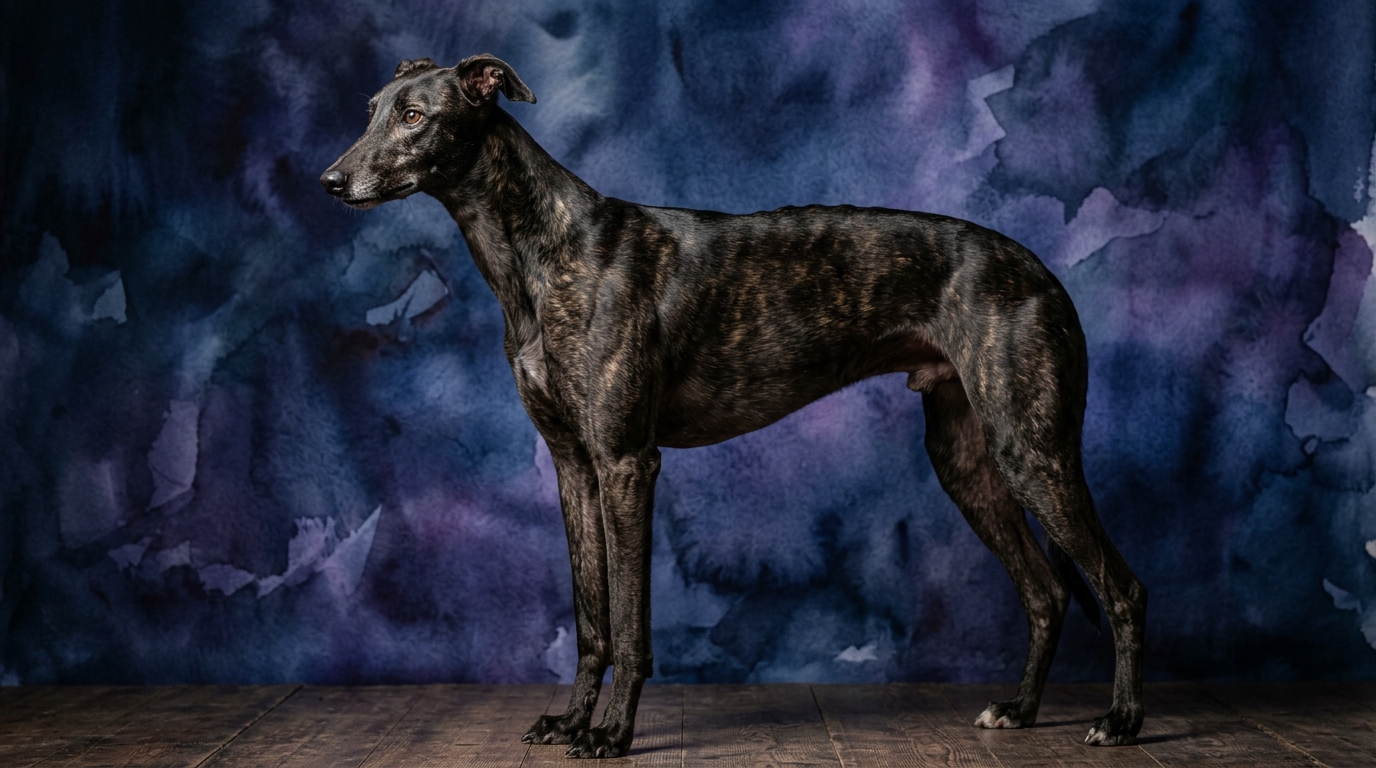
**Greyhound (Coren Rank #46, Hound Group):** Their Problem Solving score of 3/5 reflects a functional intelligence geared towards their historical role—efficiently navigating open spaces to track and capture prey. Training Speed, at 2/5, indicates an independent streak; while they can learn, their compliance often takes patience and motivation. Social Intelligence (3/5) suggests they are discerning, forming deep bonds with their inner circle but often reserved with strangers. Their Instinctive Drive is a commanding 5/5, a testament to their unparalleled prey drive and focus on visual pursuit. Memory, at 3/5, allows them to recall routines and associations, but perhaps not complex, multi-step sequences with the same precision as other breeds.
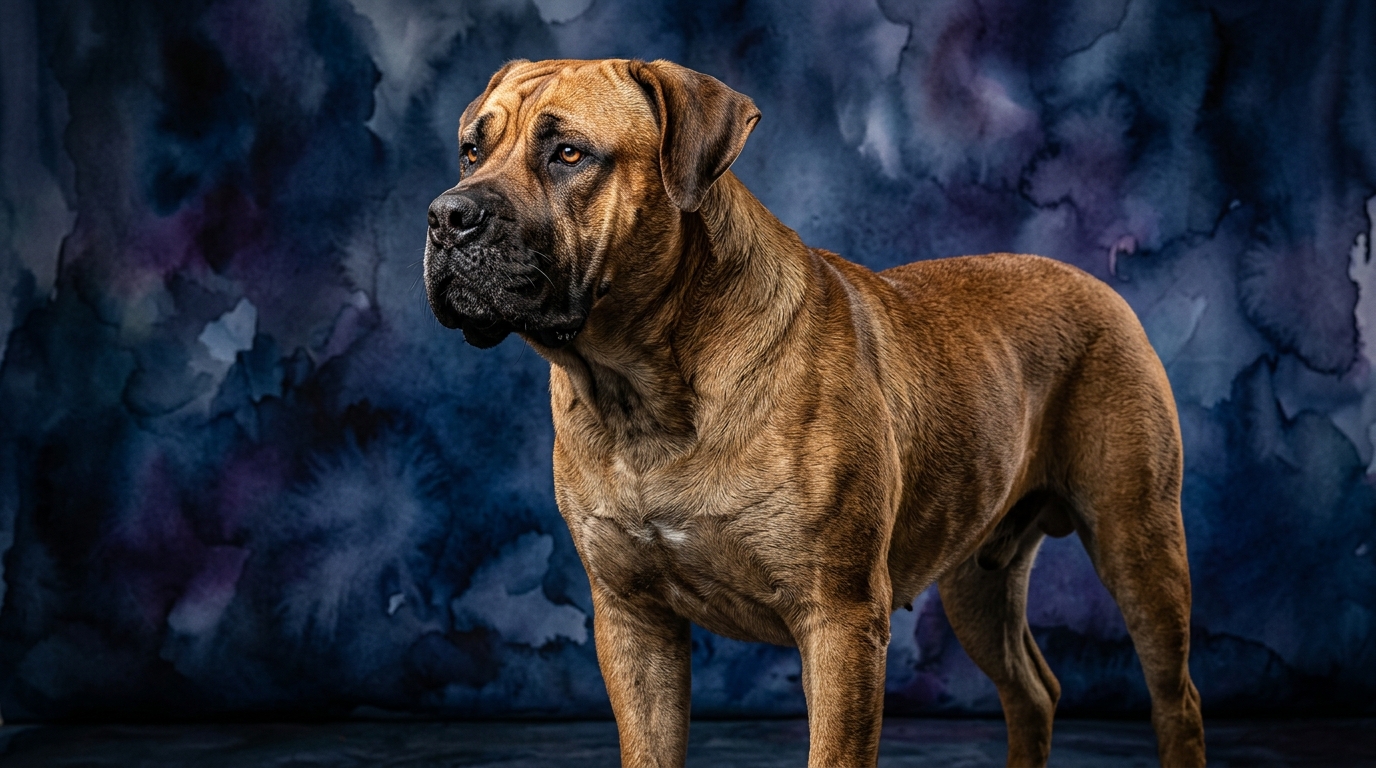
**Boerboel (Working Group, Not Coren-Ranked):** The Boerboel's Problem Solving ability also sits at 3/5, but its application differs, focusing on assessing environmental threats and understanding hierarchical structures within their family unit. Their Training Speed of 3/5 shows a moderate willingness to learn and respond to commands, often driven by their desire to fulfill a protective role, though they possess a strong will. Social Intelligence (3/5) highlights their loyalty to family and their capacity to differentiate between welcomed visitors and potential intruders. Instinctive Drive is 3/5, primarily manifesting as a strong protective and territorial impulse rather than a predatory chase. Memory also scores 3/5, enabling them to retain training, recognize familiar faces, and remember boundaries, crucial for their guardian duties.
Where the Greyhound's Cognition Excels
The Greyhound's undeniable cognitive triumph lies in its Instinctive Drive, scoring a perfect 5/5. This isn't merely about chasing; it's a sophisticated, visually-driven form of intelligence. Their minds are wired for spotting movement at immense distances, calculating trajectories, and executing bursts of speed with precision, demonstrating an almost unparalleled focus in their specialized hunting domain. This cognitive specialization means their mental processing is incredibly efficient when it comes to visual stimuli and the physics of pursuit, a form of problem-solving that happens in milliseconds.
Beyond the chase, Greyhounds exhibit a unique cognitive efficiency in their energy management. They possess an innate understanding of when to conserve energy and when to expend it, often transitioning from a '45 mph couch potato' to an explosive athlete in an instant. This demonstrates a form of practical intelligence related to self-preservation and optimal performance, allowing them to remain calm and quiet indoors, only engaging their intense physical and mental faculties when the situation demands it, such as during a sprint or lure coursing session. Their ability to switch gears so completely is a testament to their specialized mental programming.
Where the Boerboel's Cognition Shines
The Boerboel demonstrates a cognitive advantage in its application of Problem Solving and Social Intelligence, particularly within its role as a guardian. While both breeds score 3/5 in Problem Solving, the Boerboel's intelligence is more focused on evaluating complex social dynamics and environmental threats. They excel at discerning intentions, understanding subtle shifts in human behavior, and making judgment calls about who belongs and who doesn't. This requires a nuanced cognitive process that weighs various inputs—body language, vocal tone, context—to determine an appropriate protective response, a skill less emphasized in a sighthound's world.
Their slightly higher Training Speed (3/5 vs. Greyhound's 2/5) hints at a greater amenability to structured learning, especially when it aligns with their protective instincts and desire to work alongside their human companions. Boerboels often thrive on having a purpose and receiving clear directives, which they integrate into their understanding of their role within the family unit. This propensity for directed learning allows them to master complex obedience commands and protection work more readily, showcasing a cognitive architecture built for partnership and purposeful action, rather than pure independent pursuit.
Training Dynamics: Which Breed is Easier to Shape?
When it comes to ease of training, the Boerboel generally presents a more receptive canvas, earning a 3/5 in Training Speed compared to the Greyhound's 2/5. The Boerboel, a working breed, often possesses an inherent desire to please its family and fulfill a defined role, making it more inclined to engage in structured obedience and tasks. Their intelligence is geared towards understanding commands and applying them within a hierarchical structure, though their strong will necessitates a consistent, firm, and experienced handler. They are more likely to see training as a collaborative effort towards a shared objective, such as guarding the home effectively.
The Greyhound, by contrast, can be more challenging due to its independent nature and overwhelming Instinctive Drive. While capable of learning, their primary motivation is often self-interest or the pursuit of a visual stimulus. A real behavioral difference emerges in recall: while a well-trained Boerboel might reliably return even with distractions, a Greyhound's powerful prey drive can easily override learned commands if a squirrel or rabbit crosses its path. Their 'what's in it for me?' attitude requires patience, high-value rewards, and a deep understanding of positive reinforcement to encourage consistent compliance. They are not inherently eager to 'work' for the sake of it, preferring to conserve energy or follow their instincts.
Matching Breeds to Lifestyles: Active vs. Relaxed Owners
For owners with an active lifestyle, both breeds can find their niche, but with distinct requirements. Active owners who enjoy intense, short bursts of activity, like sprinting in a securely fenced area or participating in lure coursing, will find the Greyhound a perfect match. They are not built for endurance running or long, sustained hikes, but for explosive speed and focused pursuit. Their exercise needs are intense but often brief, leaving them content to relax for the remainder of the day. They thrive with owners who understand and cater to their unique physical and mental need for speed.
The Boerboel, on the other hand, suits active owners who can provide consistent, moderate exercise and mental stimulation. This includes daily structured walks, training sessions, and perhaps engaging in activities like weight pulling, obedience trials, or protection sports. Their robust physique and cognitive capacity for work mean they thrive when given a job to do and regular opportunities to expend energy both physically and mentally. Owners dedicated to ongoing training and socialization will find a loyal and capable companion.
Conversely, for truly relaxed owners, the Greyhound is the far more suitable choice. Despite their speed, Greyhounds are often referred to as '45 mph couch potatoes' due to their remarkably calm, quiet, and low-energy demeanor indoors. They are content to lounge for hours, making them excellent companions for apartment living or homes where a relaxed indoor presence is desired, provided their daily sprinting needs are met in a safe environment. Their minimal grooming requirements also contribute to their low-maintenance appeal for relaxed owners.
The Boerboel is generally not a fit for relaxed owners. Their significant size, powerful protective instincts, and need for consistent mental and physical engagement mean they require active management and a structured routine. Without sufficient stimulation and training, a Boerboel can develop destructive behaviors or become difficult to manage due to boredom or unchecked protective tendencies. They need an owner who is prepared to be an active leader and provide ongoing guidance.
The Verdict
Choose the Greyhound if you appreciate an independent, elegant companion, value intense bursts of speed followed by quiet companionship, and can manage a strong prey drive within secure environments. They are ideal for those seeking a calm indoor presence with specific, high-intensity outdoor exercise requirements.
Opt for the Boerboel if you are an experienced owner seeking a devoted, protective family guardian, willing to commit to consistent training, proactive socialization, and providing a structured environment for a powerful and discerning working dog.
🧠 Find Your Pet's IQ Score
Our Pet IQ Lab assessment covers 25+ tests across 5 cognitive dimensions — personalized to your breed.
Take the Full IQ Test →Frequently Asked Questions
Are Greyhounds good apartment dogs despite their speed?
Yes, surprisingly so. While Greyhounds need daily opportunities for short, intense sprints in a secure area, they are remarkably calm and quiet indoors, often content to lounge for hours. Their low energy consumption inside makes them well-suited for smaller living spaces, provided their exercise needs are met.
How does a Boerboel's protective instinct manifest?
A Boerboel's protective instinct is typically discerning and measured, not aggressive without cause. They are naturally vigilant, assessing new people or situations, and will position themselves between their family and perceived threats. This protective nature requires consistent training and socialization to ensure appropriate responses.
Do Greyhounds and Boerboels get along with other pets?
Greyhounds, with their high prey drive, often require careful supervision around smaller animals like cats or rabbits, though many can coexist peacefully with proper introductions. Boerboels, while generally good with family pets they've grown up with, may display territoriality towards strange dogs, necessitating controlled introductions and continued socialization.