Side-by-Side Cognitive Profile
To understand the cognitive landscape of these two distinct breeds, we delve into five key dimensions of intelligence, as assessed by The Cosmic Pet Pet IQ Lab.
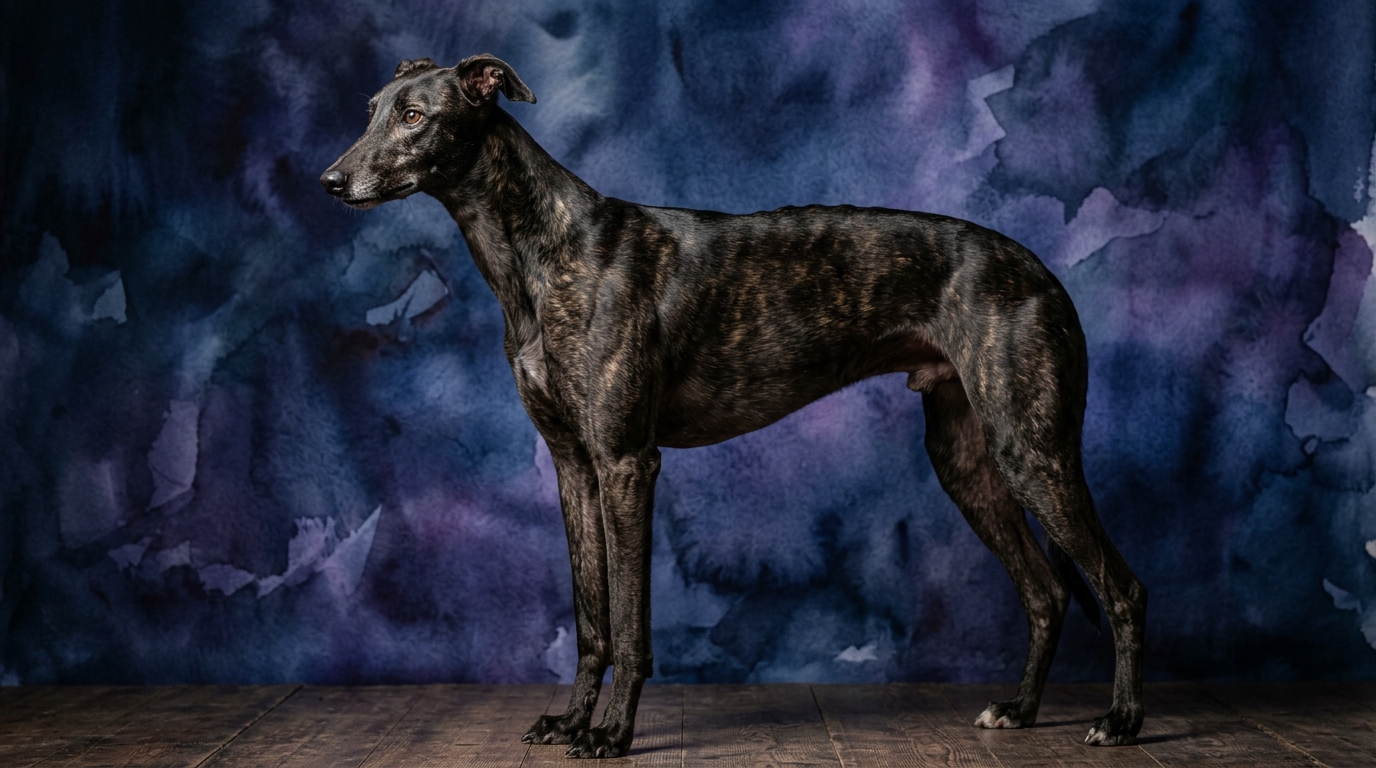
Greyhound (Hound Group): Problem Solving (3/5): Greyhounds exhibit practical problem-solving, particularly when it pertains to navigation or accessing comfortable spaces. They can assess the quickest route across a field or figure out how to open a gate if motivated, but complex, multi-step tasks requiring abstract thought are not their primary strength. Training Speed (2/5): While capable of learning, Greyhounds often require patient and consistent training. Their independent nature and strong focus on visual stimuli can make them less inclined to repeat commands purely for human approval, often needing motivation that aligns with their comfort or chase instincts. Social Intelligence (3/5): Greyhounds are generally sensitive and can read human cues, forming deep bonds with their immediate family. They are often reserved or aloof with strangers, processing new social interactions carefully rather than eagerly engaging. Instinctive Drive (5/5): Their defining cognitive trait is an unparalleled instinctive drive for visual pursuit. This isn't just physical speed; it's a highly specialized sensory and decision-making system geared towards detecting, tracking, and chasing moving objects with intense, single-minded focus. Memory (3/5): They possess a solid memory for routines, familiar people, and their environment. They recall past experiences and learned associations, contributing to their comfort within a predictable daily structure.
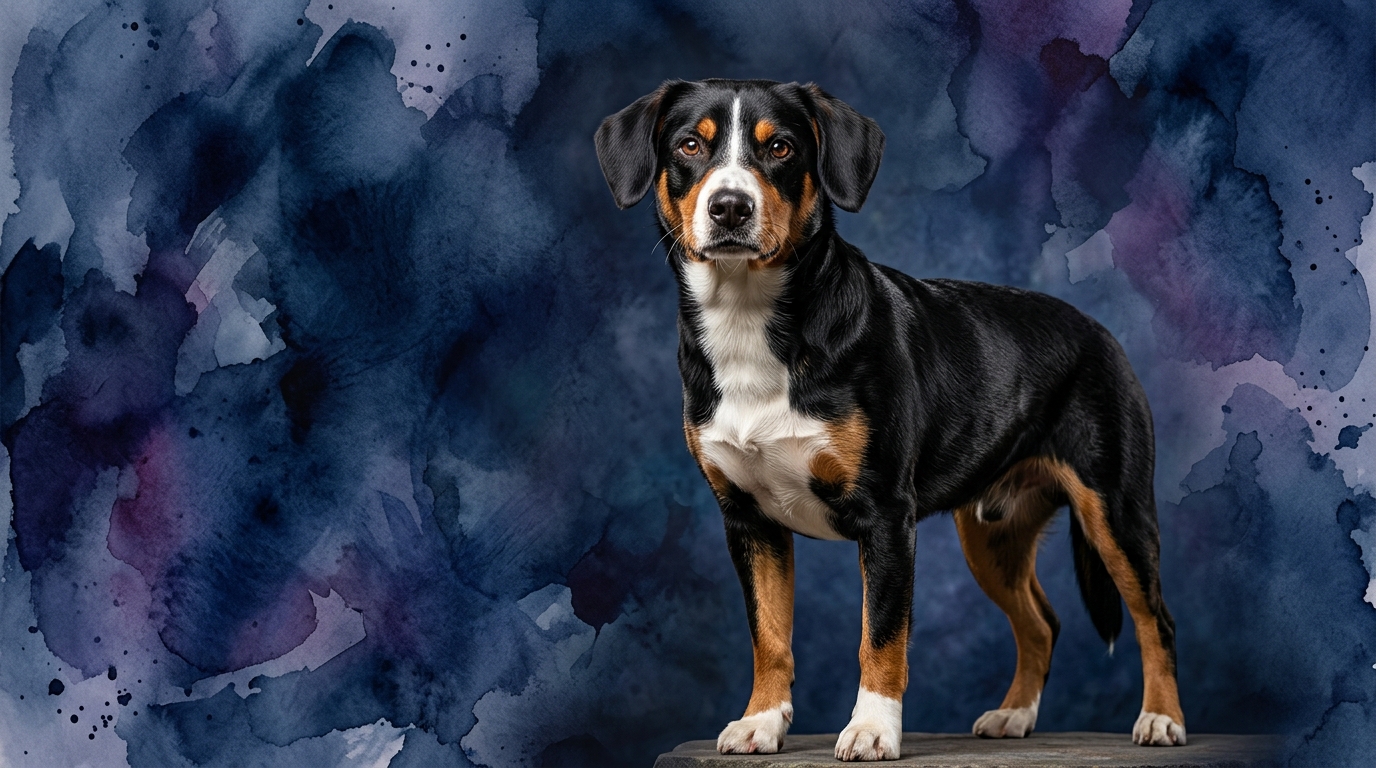
Entlebucher Mountain Dog (Herding Group): Problem Solving (3/5): Entlebuchers demonstrate practical problem-solving skills, particularly in contexts related to their working heritage. They excel at figuring out how to manage livestock, navigate complex terrain, or overcome obstacles to achieve a goal, showing a methodical approach to challenges. Training Speed (3/5): Generally eager and responsive, Entlebuchers learn new commands and tasks efficiently, especially when the training aligns with their desire for purpose and engagement. Their biddable nature often translates to quicker acquisition of new skills. Social Intelligence (3/5): Entlebuchers are attuned to their family's dynamics and intentions, often acting as watchful protectors. While capable of cooperative work with humans, they can be reserved or discerning with unfamiliar individuals, relying on their judgment of social cues. Instinctive Drive (3/5): Their instinctive drive is rooted in herding and guarding, manifesting as a desire to control and manage rather than purely chase. This involves strategic thinking, understanding boundaries, and a cooperative approach with their handler to achieve a task. Memory (3/5): They have a good capacity for remembering commands, routines, and experiences, which is crucial for consistent performance in their working roles and for maintaining stable family relationships.
Where the Greyhound Excels Cognitively
The Greyhound's cognitive specializations are deeply intertwined with its history as a sighthound, a hunter reliant on speed and acute vision. Their superior instinctive drive, rated at a perfect 5/5, isn't merely about physical prowess; it reflects a unique cognitive architecture. This breed possesses an extraordinary ability to detect minute movements at great distances, instantly process visual information, and execute a complex chase sequence. Their brain is optimized for rapid trajectory calculation, anticipating the movements of a fleeing object, and making split-second decisions to intercept. While their problem-solving might not extend to abstract puzzles, their ability to navigate a complex environment at high speed, avoiding obstacles while maintaining focus on a moving target, is a testament to a highly evolved form of practical, dynamic spatial intelligence. This cognitive specialization means they are unparalleled in tasks requiring focused visual attention and immediate, decisive action based on what they see.
Where the Entlebucher Mountain Dog Excels Cognitively
The Entlebucher Mountain Dog, with its background in herding and guarding, showcases cognitive strengths centered on utility and cooperation. While their problem-solving is rated similarly at 3/5, the *nature* of their problem-solving differs significantly. Entlebuchers excel at practical, multi-step challenges, such as figuring out how to maneuver livestock through an opening or understanding complex sequences of commands to achieve a specific outcome. Their training speed, at 3/5 compared to the Greyhound's 2/5, highlights a greater inherent willingness to engage in structured learning and a stronger desire to work alongside their human companions. This biddability stems from their historical role where cooperation and understanding human directives were paramount for success. Their instinctive drive, while lower at 3/5, is more about strategic control and management, requiring discernment and a thoughtful approach rather than pure chase. This makes them adept at tasks requiring sustained focus, decision-making within a defined framework, and a proactive engagement with their environment to fulfill a purpose.
Training Dynamics: Which is Easier to Guide?
When considering ease of training for the average owner, the Entlebucher Mountain Dog generally presents a more straightforward path. Their higher training speed rating (3/5) reflects a natural inclination towards biddability and a desire to engage in cooperative tasks. Entlebuchers thrive on having a job and respond well to consistent, positive reinforcement, often eager to please their handlers. Their herding background means they are inherently attentive to human cues and find satisfaction in structured learning, making them receptive to obedience commands, agility, or other working endeavors. In contrast, the Greyhound's training speed is rated lower (2/5), not due to a lack of capacity, but primarily because of their independent nature and powerful instinctive drive. A Greyhound might quickly grasp a command, but their motivation to *perform* it repeatedly or under distraction can waver, especially if a more compelling visual stimulus (like a squirrel) enters their field of vision. Training a Greyhound often requires a deeper understanding of their motivations—comfort, short bursts of exciting play, and high-value food rewards—and an acceptance that their focus might be more internal or visually driven than overtly people-pleasing. They can be trained effectively, but it often demands more patience, creativity, and adaptation from the owner to work with, rather than against, their natural instincts.
Lifestyle Match: Active Owners vs. Relaxed Owners
The distinction between active and relaxed owners often comes down to the *type* of activity and engagement a breed requires. For active owners seeking a dynamic, engaged partner for consistent outdoor adventures, mental challenges, and a strong work ethic, the Entlebucher Mountain Dog is typically the better fit. These dogs flourish when given a “job,” whether it's structured training, hiking, dog sports like agility or herding, or simply being an active participant in family outings. Their mental and physical needs demand regular, purposeful engagement. Conversely, for owners who appreciate a quieter home life, enjoy short, intense bursts of exercise, and value an independent but affectionate companion, the Greyhound often aligns better with a more relaxed lifestyle. Despite their incredible speed, Greyhounds are famously “45-mph couch potatoes.” They require a safe, secure area for a good sprint or two each day to satisfy their physical needs, but for the majority of their time, they are content to lounge comfortably, often seeking out soft beds and quiet corners. Their mental stimulation often comes from observing their surroundings, enjoying companionship, and having predictable routines, rather than constant task-oriented work.
The Verdict
Choose a Greyhound if you appreciate a calm, independent companion who thrives on comfortable lounging but requires a secure space for exhilarating sprints. They are ideal for owners who understand and respect their unique prey drive and value quiet companionship over constant engagement.
Opt for an Entlebucher Mountain Dog if you are an active owner seeking a vigilant, engaged partner who thrives on consistent training, mental challenges, and purposeful outdoor activities. They are best suited for those who can provide a “job” and appreciate a dog with a strong working drive and cooperative spirit.
🧠 Find Your Pet's IQ Score
Our Pet IQ Lab assessment covers 25+ tests across 5 cognitive dimensions — personalized to your breed.
Take the Full IQ Test →Frequently Asked Questions
Are Greyhounds difficult to train because of their low training speed score?
Greyhounds are not difficult to train in the sense of being incapable of learning, but their independent nature and strong visual prey drive mean they often require a different approach. Training needs to be highly motivating, often using high-value rewards and working with their chase instincts, rather than expecting constant focus purely for human approval.
Do Entlebucher Mountain Dogs need a lot of exercise?
Entlebucher Mountain Dogs do require substantial exercise, both physical and mental. Their working background means they thrive on activities that engage their mind and body, such as long walks, hikes, dog sports, or structured training sessions, to prevent boredom and ensure a well-adjusted temperament.
Can an Entlebucher Mountain Dog be a good family pet despite its working drive?
Yes, with proper socialization, training, and sufficient outlets for their working drive, Entlebucher Mountain Dogs can be devoted and protective family pets. They form strong bonds with their families and are often good with children when raised together, though their watchful nature means they can be reserved with strangers.