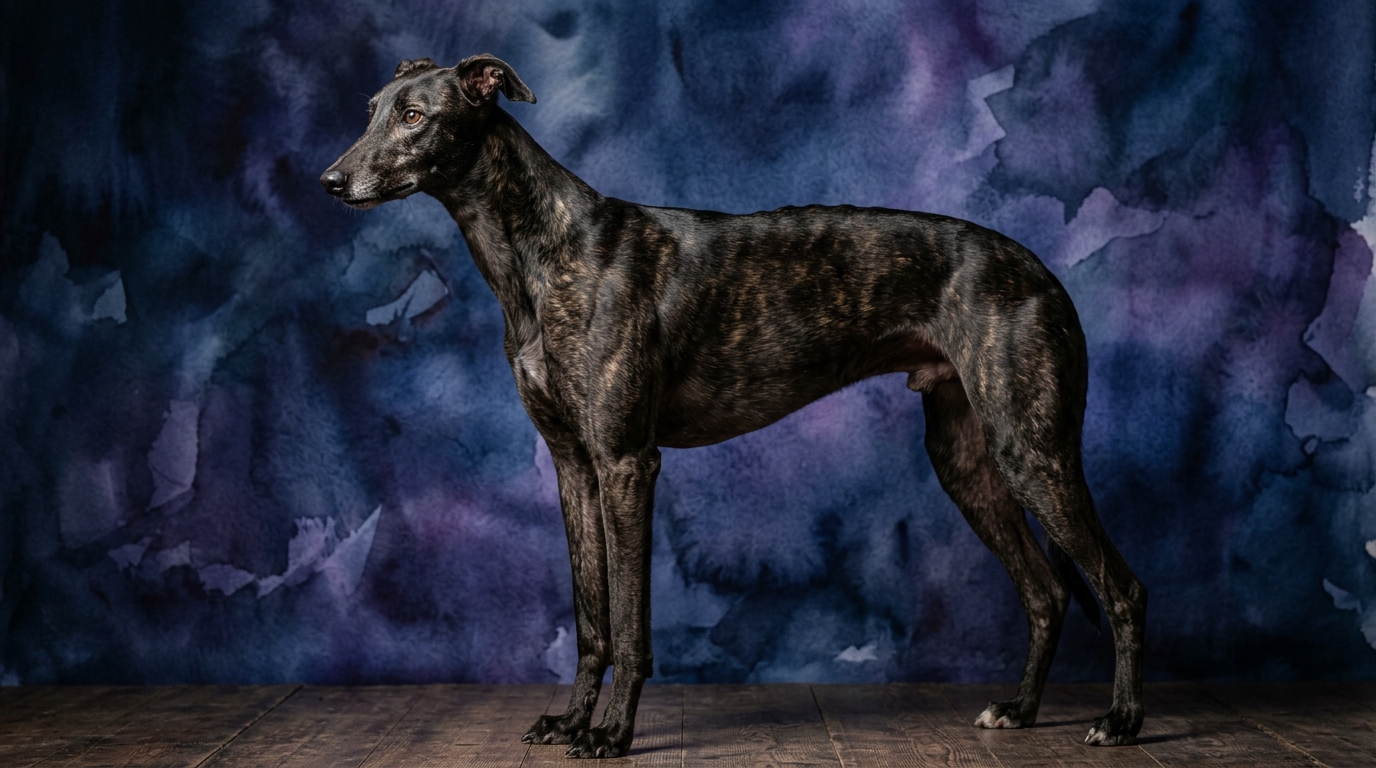
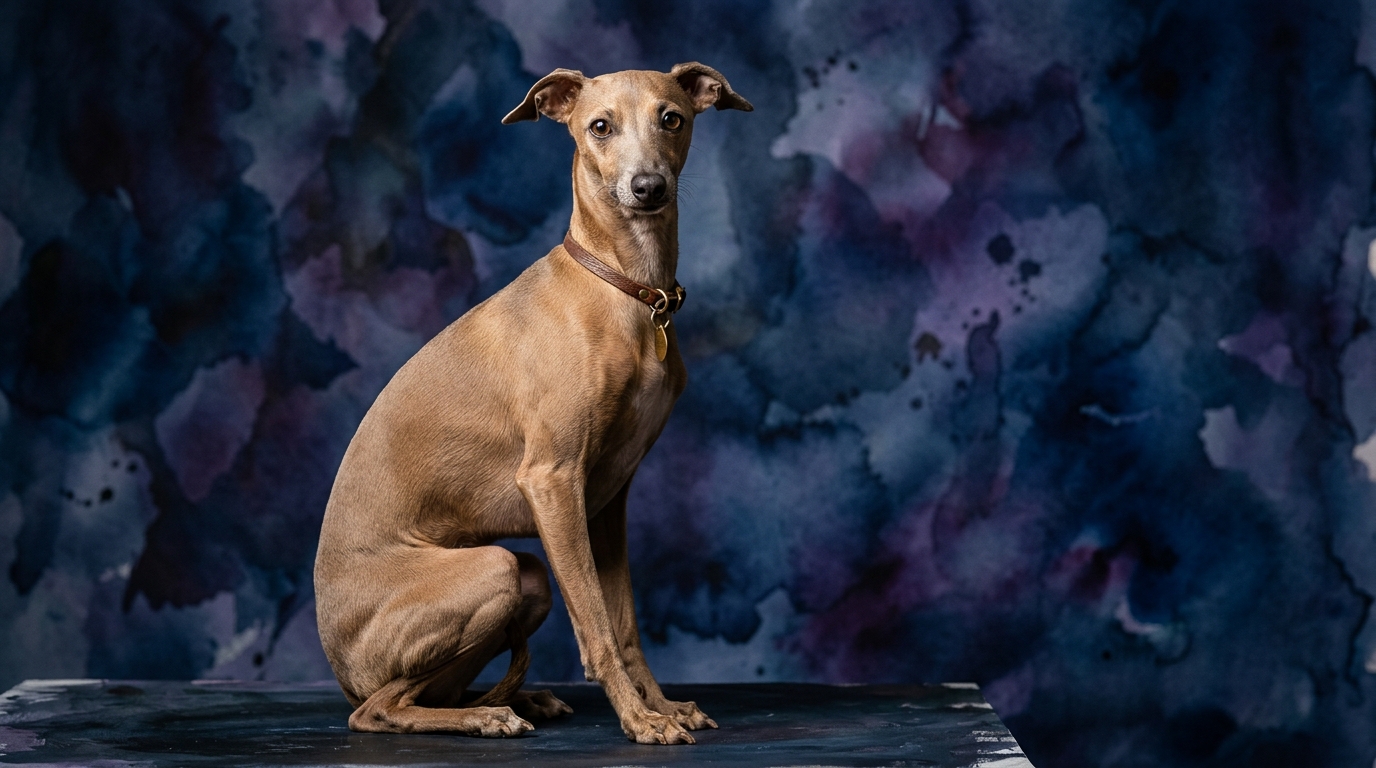
Side-by-Side IQ Profile
**Greyhound Profile:** Problem Solving (3/5): Greyhounds display moderate problem-solving, adept at navigating familiar situations but often preferring established routines over complex, novel solutions. Their cognitive focus is often on efficient action. Training Speed (2/5): Training Greyhounds demands patience; their independent streak and comfort-seeking nature can lead to slower acquisition of new behaviors, requiring consistent, positive reinforcement for success. Social Intelligence (3/5): They exhibit moderate social intelligence, forming deep, loyal bonds with their core family, yet often maintaining a reserved demeanor towards unfamiliar individuals. Instinctive Drive (5/5): Their instinctive drive, particularly prey drive, is exceptionally strong, manifesting as an intense focus on movement and a powerful, deeply ingrained urge to chase, reflecting their hunting heritage. Memory (3/5): Greyhounds possess a moderate capacity for memory, reliably recalling routines, past experiences, and learned commands, ensuring consistency in their daily lives.
**Italian Greyhound Profile:** Problem Solving (3/5): Italian Greyhounds show moderate problem-solving abilities, often employing clever, sometimes playful tactics to achieve their desires within their environment. Training Speed (3/5): With a slightly higher training speed, Italian Greyhounds typically grasp new commands more readily, often motivated by a strong desire to please and receive positive feedback. Social Intelligence (3/5): They share a moderate social intelligence, forming intense attachments and proving quite attuned to their family's emotional states, though they often prefer a smaller, intimate social circle. Instinctive Drive (3/5): While retaining a sighthound's chasing instinct, the Italian Greyhound's instinctive drive is moderate, less intense and more manageable than their larger cousin's, often directed towards toys. Memory (3/5): Italian Greyhounds also demonstrate moderate memory capabilities, remembering routines, beloved people, and past training cues, contributing to their smooth integration into family life.
Where Greyhound Wins Cognitively
The Greyhound’s cognitive prowess shines brightest in its unparalleled instinctive drive, rated a formidable 5/5. This isn't just a physical urge; it's a specialized mental architecture for processing visual stimuli related to movement with incredible speed and precision. In situations demanding immediate, decisive action based on visual tracking, like lure coursing, the Greyhound's brain is optimally tuned for this singular purpose, showcasing a unique form of kinetic intelligence. Their ability to transition into this hyper-focused, high-speed pursuit mode is a testament to centuries of breeding for effective hunting. This supreme drive also influences their problem-solving when the 'problem' involves intercepting a moving target, demonstrating practical, real-world application of their cognitive resources.
Where Italian Greyhound Wins Cognitively
The Italian Greyhound subtly surpasses its larger counterpart in training speed, scoring a 3/5 compared to the Greyhound's 2/5. This indicates a greater eagerness to engage in structured learning and a quicker grasp of new commands, often fueled by their strong desire for proximity and interaction with their human companions. Their smaller size and often more dependent nature mean they are frequently more motivated by praise and treats during training, leading to faster acquisition of new behaviors. This slight cognitive advantage in trainability makes them somewhat more adaptable to learning complex tricks or intricate obedience sequences. Moreover, their moderate instinctive drive (3/5) means they are less distracted by external chase impulses, allowing for a greater focus on immediate social cues from their owners, enhancing their responsiveness.
Which is Easier to Train and Why
Based on the provided metrics, the Italian Greyhound is generally easier to train, primarily due to its slightly higher training speed (3/5 vs. Greyhound's 2/5). This reflects a greater inherent willingness to engage with training and a quicker ability to form associations between commands and actions. Italian Greyhounds often possess a stronger desire to please their owners and are more food-motivated, leading to more enthusiastic participation. Their moderate instinctive drive also means they are less prone to becoming fixated on external stimuli, allowing for better focus during sessions. In contrast, Greyhounds, with their lower training speed and formidable instinctive drive, can be more challenging. Their independent nature often prioritizes personal comfort or the thrill of the chase over immediate obedience. While capable learners, their training demands consistent, positive reinforcement, patience, and an understanding of their unique motivations.
Which Suits Active Owners vs Relaxed Owners
For genuinely active owners, the Greyhound can be a surprisingly good fit, provided their activity aligns with the breed's cognitive strengths. Owners who enjoy activities like lure coursing, long brisk walks in secure areas, or short, intense bursts of play will appreciate the Greyhound's powerful instinctive drive and need for physical expression. Their preference for comfort means that after a good sprint, they are content to relax for extended periods, making them ideal for active individuals who also value quiet downtime. Their moderate problem-solving and social intelligence allow them to adapt to a consistent routine balancing intense activity with serene rest. Conversely, the Italian Greyhound is better suited for more relaxed owners or those seeking a companion for indoor activities and shorter, frequent walks. Their moderate instinctive drive and higher training speed make them adaptable to urban living. These dogs thrive on companionship and enjoy mental stimulation through interactive toys or learning new tricks within the home, integrating well into a calm household routine.
The Verdict
Opt for a Greyhound if you appreciate a noble, independent spirit with an unparalleled, specialized athleticism that requires dedicated outlets for its powerful instinctive drive, and you are prepared for a training journey that prioritizes patience and understanding of their unique motivations.
Select an Italian Greyhound if you desire an affectionate, agile companion who is generally quicker to train, thrives on close human interaction, and fits seamlessly into a more relaxed, indoor-centric lifestyle, while still enjoying moderate bursts of play.
🧠 Find Your Pet's IQ Score
Our Pet IQ Lab assessment covers 25+ tests across 5 cognitive dimensions — personalized to your breed.
Take the Full IQ Test →Frequently Asked Questions
Do Greyhounds and Italian Greyhounds get along with other pets?
Both breeds can coexist peacefully with other pets, especially if introduced thoughtfully, but their sighthound nature means a strong prey drive, particularly in Greyhounds, requires careful management around smaller, fast-moving animals like cats or small rodents. Italian Greyhounds tend to have a more moderate drive, making introductions slightly less complex.
Are Italian Greyhounds good apartment dogs despite their energy?
Yes, Italian Greyhounds are generally excellent apartment dogs due to their smaller size and preference for indoor comfort, coupled with moderate exercise needs that can be met with short walks and indoor play sessions. Their moderate instinctive drive means they are less prone to destructive behaviors if their mental and physical needs are met.
How does the Coren ranking apply to these breeds?
The Greyhound's Coren rank of #46 indicates it's in the average working/obedience intelligence category, reflecting its training speed and ability to understand new commands. The Italian Greyhound is not Coren-ranked, but its slightly higher training speed suggests it might place similarly or slightly better in a similar assessment, though Coren's methodology emphasizes working obedience.