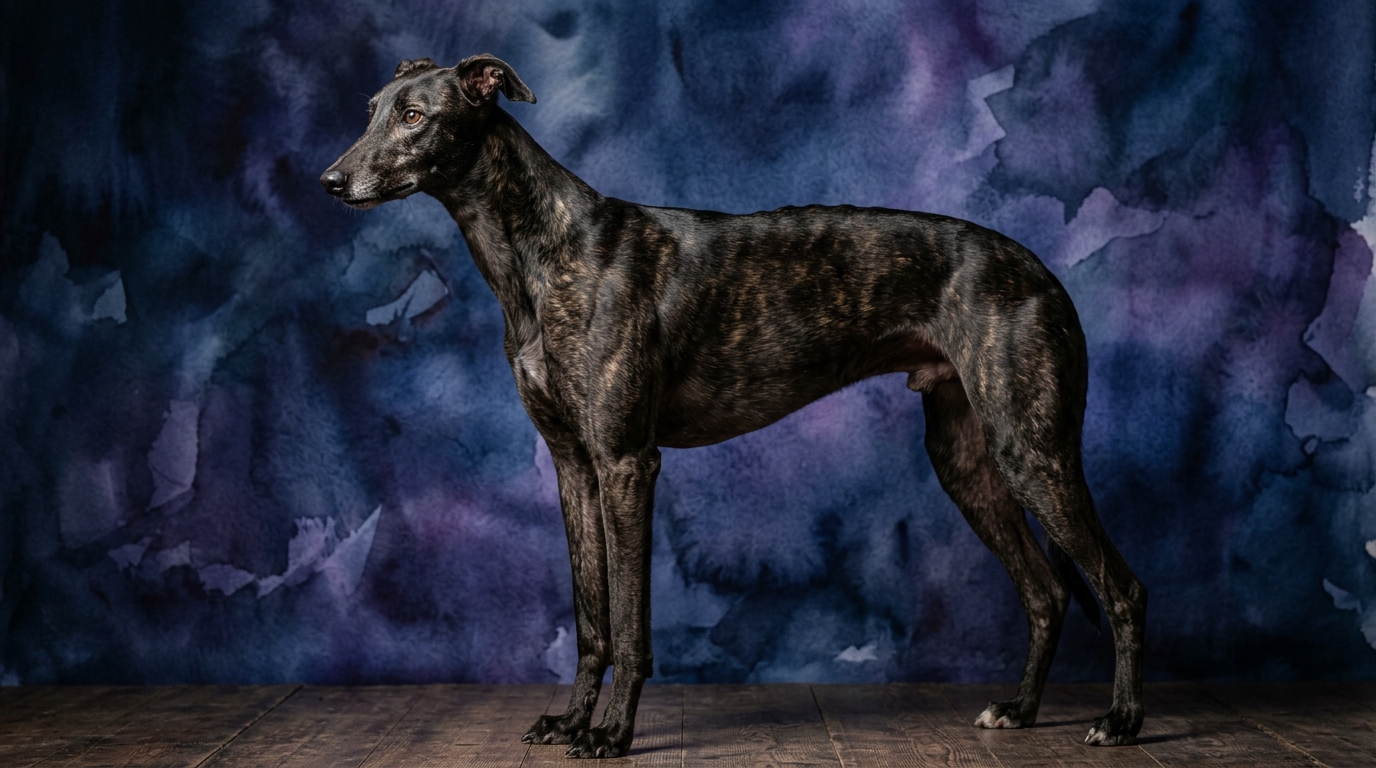
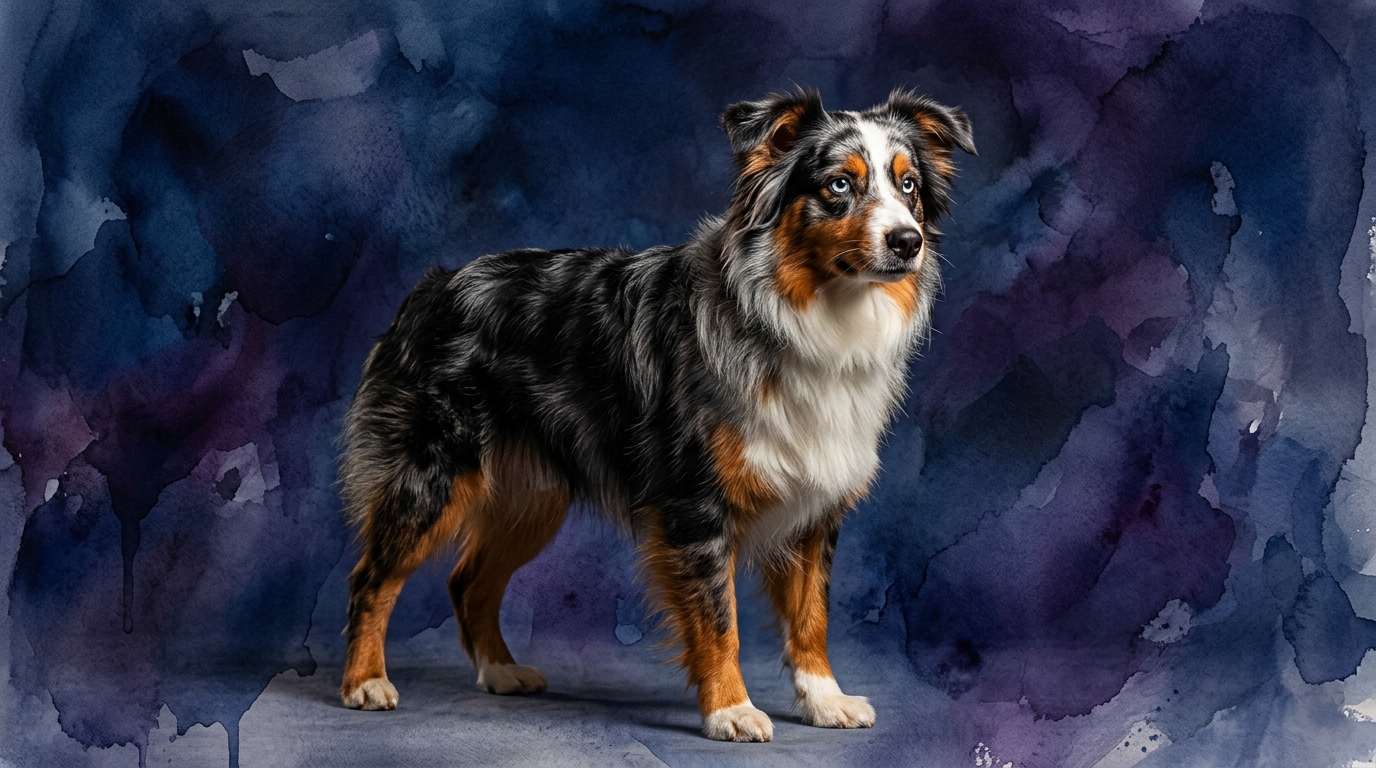
Side-by-Side IQ Profile: Greyhound vs. Miniature American Shepherd
**Greyhound - Problem Solving (3/5):** Greyhounds exhibit a functional intelligence geared towards their historical role. They excel at solving problems related to pursuit, such as navigating obstacles during a chase, making rapid, instinctual decisions rather than engaging in complex, analytical thought in novel, non-prey-related scenarios.
**Greyhound - Training Speed (2/5):** Their independent nature and formidable prey drive mean Greyhounds can be slower to pick up new commands, especially those requiring sustained attention or intricate sequences. Learning often relies on high-value rewards and patience, as they can quickly lose interest if a task doesn't align with their intrinsic motivations.
**Greyhound - Social Intelligence (3/5):** Greyhounds display a moderate level of social intelligence. They form strong bonds with their human families, often showing sensitivity to moods and offering quiet companionship. However, their interactions with unfamiliar dogs or people can be reserved, reflecting their sighthound heritage of observing rather than actively engaging in complex social play.
**Greyhound - Instinctive Drive (5/5):** This is the Greyhound's defining cognitive strength. Their instinctive drive is profoundly high, primarily centered around their powerful chase and prey drive. This innate impulse to pursue anything that moves quickly is a testament to centuries of selective breeding for speed and visual hunting prowess, manifesting as an almost irresistible urge to run.
**Greyhound - Memory (3/5):** Greyhounds possess a practical memory, allowing them to recall routines, people, and learned commands. They remember positive and negative experiences, which influences their future interactions. Their memory is effective for navigation and recognition within their familiar environment, aiding in daily life.
**Miniature American Shepherd - Problem Solving (3/5):** Miniature American Shepherds demonstrate practical problem-solving abilities, particularly in scenarios requiring environmental navigation or livestock management. They can assess situations and make decisions, often showing creativity in achieving a goal within dynamic, real-world challenges.
**Miniature American Shepherd - Training Speed (3/5):** With a moderate training speed, Miniature American Shepherds are generally eager to learn and highly responsive to instruction. They possess an inherent desire to work cooperatively with their handler, making them receptive to new commands and tasks, contributing to an efficient learning curve.
**Miniature American Shepherd - Social Intelligence (3/5):** Miniature American Shepherds exhibit balanced social intelligence. They are typically outgoing and enjoy interacting with both humans and other dogs, often displaying a keen awareness of social cues. Their herding background fosters an ability to read and respond to group dynamics, though they can be reserved with strangers until trust is established.
**Miniature American Shepherd - Instinctive Drive (3/5):** Their instinctive drive is moderate, primarily expressed through their herding instincts. This translates into a natural inclination to gather and manage, often seen in their interactions with family members or even toys. This drive is typically more controlled and directed than the Greyhound's raw prey drive, allowing for versatile application.
**Miniature American Shepherd - Memory (3/5):** Miniature American Shepherds have a robust working memory, crucial for remembering complex command sequences and past experiences. They can recall learned tasks over time and adapt their behavior based on previous outcomes, which significantly aids their trainability and ability to perform intricate routines.
Where the Greyhound Wins Cognitively
The Greyhound's cognitive strength lies in its profound instinctive drive (5/5), unmatched in its intensity and singular focus on pursuit. This isn't merely about physical speed; it encompasses a specialized cognitive machinery optimized for rapid detection, tracking, and capture based on visual cues. Their entire mental framework is finely tuned for the chase.
This specialization translates into superior rapid visual processing and reaction time. Their ability to process visual information at high speed and react almost instantaneously to movement is a significant cognitive advantage for tasks like lure coursing or spotting distant motion. This allows for incredibly fast, decisive action in visually stimulating, high-speed environments.
Where the Miniature American Shepherd Wins Cognitively
The Miniature American Shepherd's higher training speed (3/5 vs. Greyhound's 2/5) indicates a greater readiness and aptitude for structured learning. They are generally more motivated by working cooperatively with a handler, processing new commands more efficiently, and retaining them with fewer repetitions. This makes them quicker to master new tricks, obedience commands, or complex agility sequences.
Their herding background also suggests a cognitive edge in adapting to complex, varied tasks that require more than just instinct. Miniature American Shepherds can process multiple variables simultaneously—such as flock movement, boundary awareness, and handler commands—and adjust their strategy, showcasing a flexible application of their intelligence in dynamic problem-solving scenarios. Their cognitive work ethic and sustained focus on tasks further enhance their capacity for prolonged mental engagement.
Which Is Easier to Train and Why
The Miniature American Shepherd is generally the easier of the two to train for a broad range of obedience and advanced tasks. Their higher training speed (3/5) reflects an inherent willingness to engage with a handler and a strong desire for purpose. They respond well to positive reinforcement, quickly forming associations between commands and actions, and their moderate instinctive drive means their focus is less likely to be hijacked by external stimuli.
The Greyhound, conversely, presents a greater challenge in traditional obedience training due to its lower training speed (2/5) and profound instinctive drive (5/5). Their independent sighthound nature means commands are often perceived as suggestions. Their powerful chase instinct can easily override any learned command if a moving target appears, demanding immense patience, understanding of their unique motivations, and an acceptance that their compliance will often be conditional rather than absolute.
Which Suits Active Owners vs. Relaxed Owners
Despite their reputation for speed, Greyhounds are often affectionately termed "45 mph couch potatoes." They suit owners who appreciate short, intense bursts of activity, like a good sprint in a secure area, followed by long periods of rest and quiet companionship. While they need regular exercise, their primary need is for a safe, enclosed space to run, making them ideal for relaxed owners content with a calm household and a dog that finds comfort in napping.
The Miniature American Shepherd is unequivocally for active owners. Their moderate instinctive drive and herding background mean they thrive on consistent physical activity and, critically, mental engagement. They require regular, structured exercise beyond simple walks, such as agility, obedience, or interactive games that challenge their problem-solving abilities. Owners who enjoy hiking, running, dog sports, or who are willing to provide daily training sessions will find the MAS to be an enthusiastic and fulfilling companion, as unfulfilled cognitive and physical needs can lead to restless behaviors.
The Verdict
Choose the Greyhound if you desire a calm, affectionate companion content with bursts of high-speed running and long, quiet naps, valuing their independent spirit and elegant presence.
Opt for the Miniature American Shepherd if you are an active individual or family seeking an engaged, trainable partner for dog sports, extensive outdoor adventures, and consistent mental stimulation.
🧠 Find Your Pet's IQ Score
Our Pet IQ Lab assessment covers 25+ tests across 5 cognitive dimensions — personalized to your breed.
Take the Full IQ Test →Frequently Asked Questions
Are Greyhounds difficult to train because of their low training speed?
Greyhounds can be more challenging for traditional obedience due to their independent sighthound nature and powerful prey drive, which often takes precedence over commands. Training requires patience, high-value rewards, and an understanding that their motivation differs from breeds eager to please.
Do Miniature American Shepherds really need a "job" to be happy?
While not every Miniature American Shepherd needs to herd sheep, their cognitive profile indicates a strong desire for mental engagement and purpose. Providing them with activities like agility, obedience, puzzle toys, or extensive training sessions fulfills this innate need, preventing boredom and potential behavioral issues.
Which breed is better for a first-time dog owner?
The Miniature American Shepherd, with its higher training speed and cooperative nature, generally makes a more straightforward choice for a first-time owner willing to commit to their significant exercise and mental stimulation needs. Greyhounds, while gentle, require an owner who understands and respects their unique sighthound instincts and independent personality.