Side-by-Side IQ Profile: Deconstructing Hound Minds
The Cosmic Pet Pet IQ Lab employs a five-dimensional framework to assess canine intelligence, offering a nuanced view beyond simplistic 'smart' labels. Let's delve into how Greyhounds and Redbone Coonhounds measure up across these crucial cognitive metrics.
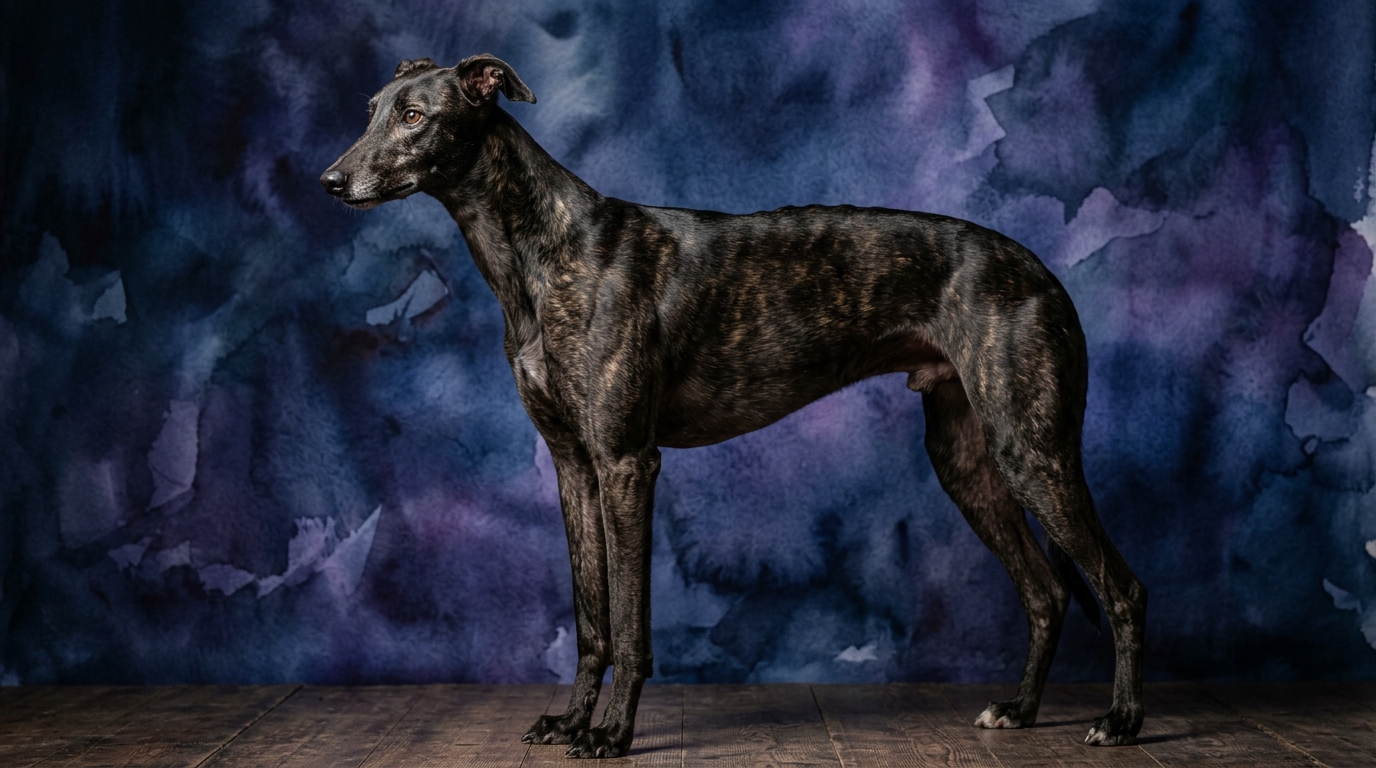
**Greyhound (Coren Rank #46)**: This sleek athlete presents a unique cognitive blueprint. Their **Problem Solving** registers at 3/5, indicating a moderate ability to navigate novel situations, often relying on learned patterns or visual cues. **Training Speed** stands at 2/5, suggesting they may take more repetitions to grasp new commands, a trait often linked to their independent nature rather than a lack of capacity. **Social Intelligence** is 3/5, meaning they can form strong bonds and understand human social cues, but might not be as overtly demonstrative or people-pleasing as some other breeds. Their **Instinctive Drive** is a commanding 5/5, reflecting an overwhelmingly strong drive for pursuit, deeply ingrained from generations of coursing. Finally, their **Memory** is 3/5, a solid capacity for recalling past experiences and learned behaviors.
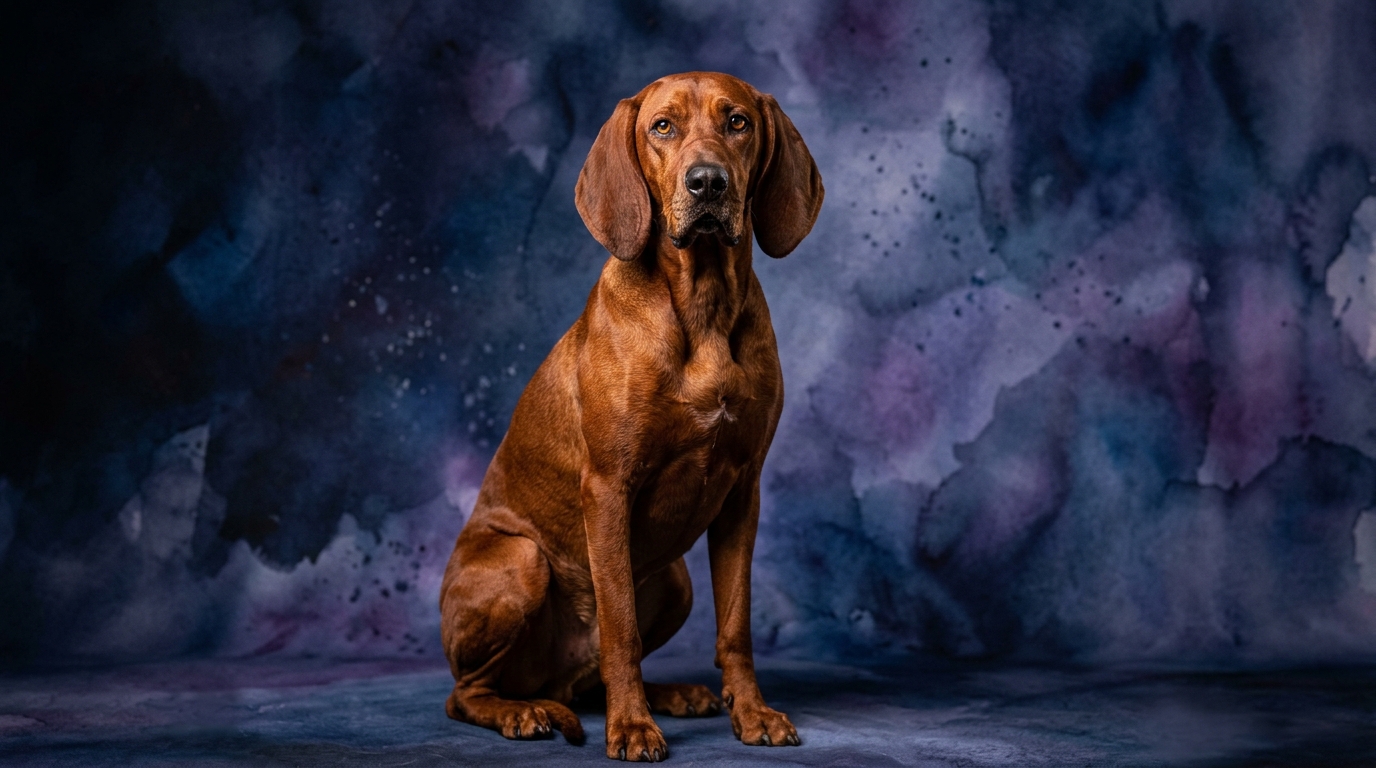
**Redbone Coonhound (Not Coren-Ranked)**: The persistent Redbone Coonhound, while sharing the hound group classification, displays a different cognitive emphasis. Their **Problem Solving** also rates 3/5, suggesting a similar baseline capacity for tackling challenges, likely leaning on their keen olfactory senses. Crucially, their **Training Speed** is 3/5, indicating they are generally more amenable to learning new commands at a moderate pace compared to the Greyhound. **Social Intelligence** mirrors the Greyhound at 3/5, capable of forming meaningful relationships and interpreting social signals. Their **Instinctive Drive**, at 3/5, is a strong, persistent drive for scent work and trailing, but not as intensely focused on visual chase as the Greyhound's. Their **Memory** is also 3/5, providing a reliable recall of scent trails and established routines.
Where the Greyhound Shines Cognitively
The Greyhound's cognitive strengths are profoundly linked to its heritage as a sighthound. Their 5/5 Instinctive Drive for pursuit is unparalleled, manifesting as an almost laser-like focus when something visually stimulating, like a small animal or a lure, enters their field of vision. This isn't just a physical attribute; it's a cognitive one, involving rapid visual processing, immediate threat assessment (from a prey perspective), and an instantaneous decision-making process to initiate a chase. Their problem-solving, while rated 3/5 generally, is exceptionally acute when the problem involves navigating obstacles at high speed or finding the most efficient path to intercept a moving target. They demonstrate a unique spatial awareness and ability to predict trajectory, making them incredibly effective in their specialized role. This cognitive specialization means they excel in tasks requiring speed, visual acuity, and quick, decisive action over sustained, methodical effort.
Where the Redbone Coonhound Excels Cognitively
The Redbone Coonhound's cognitive strengths lie in their tenacious, methodical approach to problem-solving, particularly when guided by scent. While their general Problem Solving is 3/5, their specific aptitude for following a complex, often faint, scent trail for extended periods is a remarkable cognitive feat. This involves a sophisticated form of memory, not just recalling past events, but building a mental map of a constantly evolving scent environment. Their 3/5 Instinctive Drive is perfectly calibrated for this, providing the sustained motivation to persist through difficult terrain and distractions. Furthermore, their superior Training Speed (3/5 vs. Greyhound's 2/5) indicates a greater willingness to engage with human directives and learn new behaviors, making them more adaptable to a wider range of cooperative tasks. This cognitive profile makes them excellent at tasks requiring persistence, detailed sensory processing, and a collaborative spirit in their work.
Training Dynamics: Greyhound vs. Redbone Coonhound
When it comes to training, the difference in Training Speed scores (Greyhound 2/5, Redbone Coonhound 3/5) becomes quite apparent. The Greyhound's lower score often translates to a more independent learner. They can be brilliant at understanding what you want, but their strong prey drive and selective hearing, particularly outdoors, means they might choose to prioritize their own interests (like chasing a squirrel) over your command. Training a Greyhound often requires immense patience, positive reinforcement, and a deep understanding of their sighthound nature. Recall, for instance, can be a lifelong endeavor due to their intense instinctive drive. They learn best when training is fun, brief, and doesn't feel like a chore, and they respond poorly to harsh methods.
The Redbone Coonhound, with its 3/5 Training Speed, generally presents a more cooperative training partner. While still possessing the independence characteristic of hounds, they are often more eager to please and more receptive to consistent instruction. Their instinctive drive, while strong, is typically more focused on scent work, which can be channeled into specific training exercises rather than being an overwhelming distraction for visual pursuits. They respond well to reward-based training and appreciate having a job to do, even if it's just following a scent game in the yard. However, their vocal nature and potential for 'nose-blindness' when on a scent can still present unique training challenges, requiring owners to be consistent and understanding of their specialized sensory world.
Matching Canine Cognition to Owner Lifestyles
Understanding these cognitive profiles is key to finding the right match for an owner's lifestyle. The Greyhound, despite its racing prowess, often surprises owners with its '45 mph couch potato' persona indoors. Their 5/5 Instinctive Drive means they require extremely secure off-leash areas for their explosive, short bursts of activity, but they are content to lounge for much of the day. They suit relaxed owners who appreciate quiet companionship and are prepared for the management of a powerful prey drive, ensuring safe environments. Their moderate social intelligence means they are affectionate but not overly demanding, fitting well into a calm household that can provide safe, supervised outlets for their speed.
The Redbone Coonhound, on the other hand, with its persistent 3/5 Instinctive Drive for scent work and more amenable 3/5 Training Speed, is better suited for active, engaged owners. They thrive on having a purpose and require consistent mental stimulation, often through scent games, long walks where they can 'read' the environment with their nose, or even participation in dog sports like tracking. Their social intelligence, while similar to the Greyhound, might be expressed through a more vocal and interactive companionship, making them ideal for owners who enjoy a dog with a strong personality and a desire to be part of the action. They are not content to be solely couch potatoes and will seek out engagement if not provided, making them a better fit for those who enjoy outdoor adventures and can provide consistent training and mental enrichment.
The Verdict
Choose a Greyhound if you seek a calm, affectionate companion who enjoys quiet indoor living, but requires careful management of their intense prey drive during brief, explosive outdoor exercise.
Opt for a Redbone Coonhound if you're an active owner who appreciates a persistent, scent-driven companion, willing to engage in training and outdoor adventures that satisfy their deep-seated working instincts.
🧠 Find Your Pet's IQ Score
Our Pet IQ Lab assessment covers 25+ tests across 5 cognitive dimensions — personalized to your breed.
Take the Full IQ Test →Frequently Asked Questions
Are Greyhounds difficult to train due to their low training speed score?
Greyhounds aren't necessarily 'difficult,' but their 2/5 training speed score indicates they require patience, consistency, and positive reinforcement. Their independent nature and strong prey drive mean distractions can be powerful, so training success hinges on understanding their sighthound instincts.
Do Redbone Coonhounds make good family pets despite their strong instinctive drive?
Yes, Redbone Coonhounds can be excellent family pets. Their 3/5 social intelligence allows them to form strong bonds, and their instinctive drive can be channeled positively through training and activities, making them engaged and loyal companions for an active family.
Which breed is more prone to separation anxiety based on their IQ profiles?
Neither IQ profile directly indicates a predisposition to separation anxiety. Both breeds have a 3/5 social intelligence, meaning they form bonds. However, individual temperament and early experiences play a larger role, so proper socialization and training are key for both to prevent anxiety.