Side-by-Side IQ Profile: Deconstructing Canine Cognition
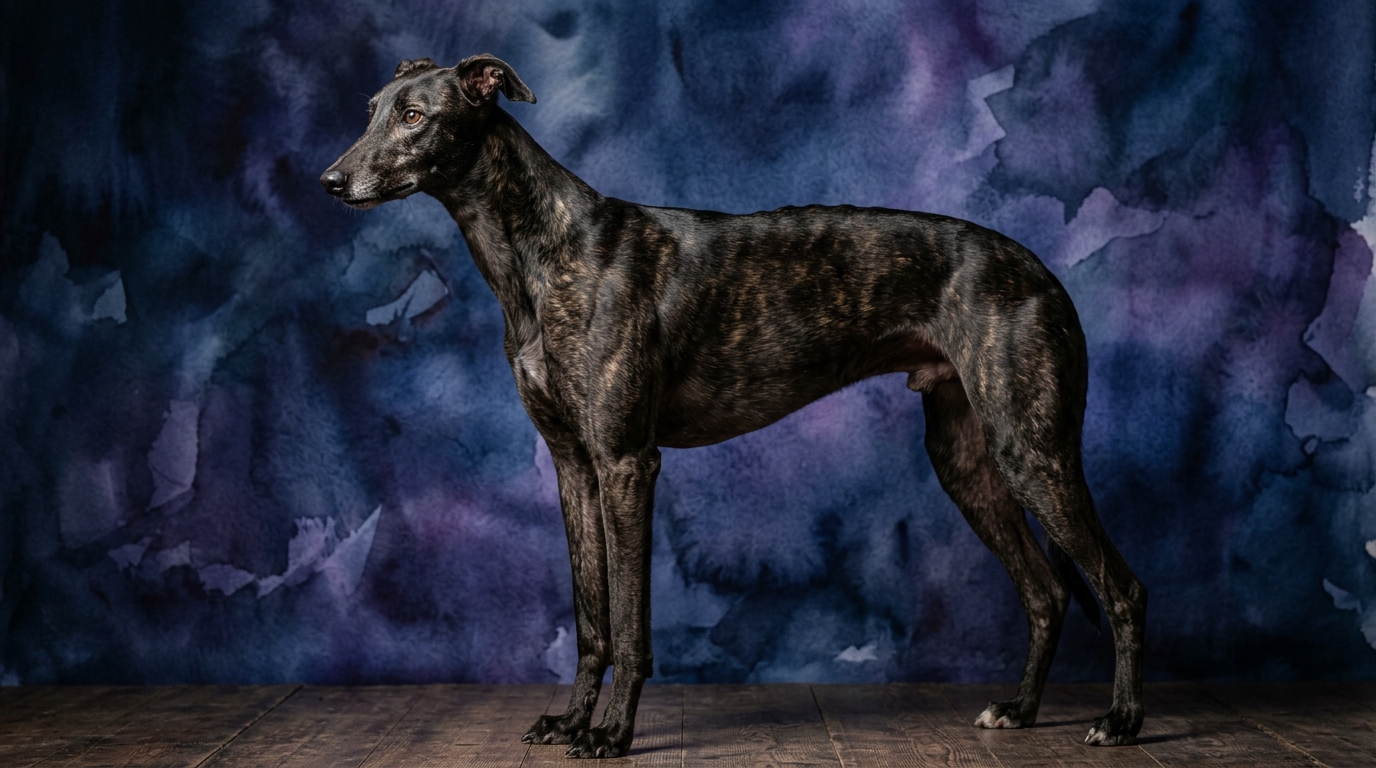
The Cosmic Pet Pet IQ Lab evaluates canine intelligence across five key dimensions, offering a granular view of each breed's mental aptitudes. For the Greyhound, a breed with a Coren rank of #46, its profile reflects its sighthound heritage. Its Problem Solving is rated at 3/5, indicating an average ability to navigate new challenges or figure out puzzles. Training Speed for a Greyhound sits at 2/5, suggesting it requires more repetition and patience to grasp new commands consistently. Social Intelligence is 3/5, meaning Greyhounds generally understand human cues and social dynamics at an average level, often preferring a calm, observant interaction style. Instinctive Drive is where the Greyhound truly shines, scoring a dominant 5/5, reflecting its powerful impulse to chase and its keen predatory focus. Memory is rated at 3/5, an average capacity for retaining learned information and experiences.
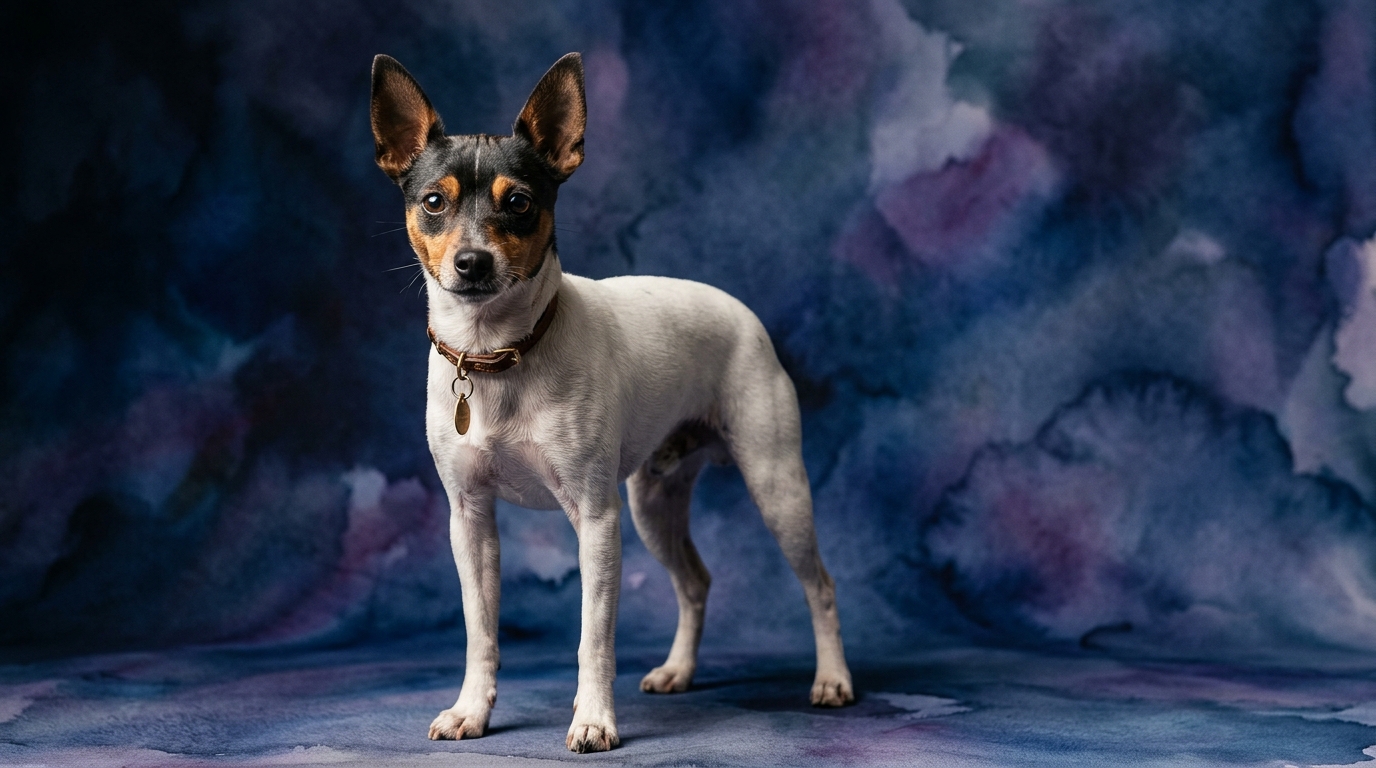
In contrast, the Toy Fox Terrier, while not included in Coren's ranking, presents a balanced and often underestimated cognitive profile. Its Problem Solving matches the Greyhound at 3/5, indicating a similar average aptitude for figuring things out independently. Where the Toy Fox Terrier distinguishes itself is in Training Speed, scoring 3/5, which suggests it picks up new commands and routines with moderate ease, often showing a keen interest in learning. Social Intelligence is also 3/5, meaning these small terriers possess an average understanding of social cues and interactions, often engaging readily with their human companions. Instinctive Drive for the Toy Fox Terrier is 3/5, a moderate level compared to the Greyhound, reflecting a general terrier tenacity and curiosity rather than an overwhelming chase instinct. Finally, its Memory is 3/5, an average capacity for retaining information, allowing it to remember routines and past interactions effectively.
Where the Greyhound Wins Cognitively
The Greyhound's undeniable cognitive strength lies in its Instinctive Drive, rated a perfect 5/5. This isn't merely about speed; it's a sophisticated package of sensory processing and rapid decision-making honed for pursuit. A Greyhound's brain is exceptionally wired to detect subtle movements from vast distances, lock onto a target, and execute complex, high-speed maneuvers to intercept it. This translates cognitively into an unparalleled focus when stimulated by movement, an acute spatial awareness in open environments, and an almost instantaneous reaction time. While its general problem-solving is average, its problem-solving *within the context of its drive* — navigating obstacles during a chase, predicting prey movement — is truly superior. Owners will observe this as an almost trance-like focus when a squirrel darts across the yard, or an effortless navigation of a lure course, demonstrating a specific, highly developed form of intelligence rooted in its ancestral purpose.
This profound instinctive drive also subtly influences its Problem Solving (3/5) and Memory (3/5). While not excelling in abstract puzzles, a Greyhound can quickly learn and remember the optimal path around a familiar field or the most efficient way to achieve a desired outcome related to its chase impulse. Their capacity to recall specific running routes or the location of a favorite squirrel's tree, for instance, highlights memory applied to their core drive. This specific cognitive advantage means Greyhounds excel in activities that leverage their natural inclinations, such as lure coursing, where their minds are fully engaged in the pursuit.
Where the Toy Fox Terrier Wins Cognitively
The Toy Fox Terrier's cognitive edge is most apparent in its Training Speed, scoring a respectable 3/5 compared to the Greyhound's 2/5. This slight but significant difference means that Toy Fox Terriers generally pick up new commands and behaviors more readily and with fewer repetitions. Their moderate Instinctive Drive (3/5) also contributes to this advantage; while they possess a terrier's characteristic spunk and curiosity, they are less likely to be overwhelmingly distracted by a singular, intense prey drive during training sessions. This allows for a more consistent focus on the trainer and the task at hand.
Beyond just speed, the Toy Fox Terrier's balanced cognitive profile across Problem Solving (3/5), Social Intelligence (3/5), and Memory (3/5) makes it highly adaptable to a variety of learning environments and tasks. They are often more engaged in interactive training, enjoying the mental stimulation of learning tricks or participating in agility. Their problem-solving, while average, is often applied to more varied domestic scenarios, such as figuring out how to open a cabinet or retrieve a hidden toy, rather than solely focusing on pursuit. This versatility in learning and application of their cognitive abilities gives the Toy Fox Terrier a distinct advantage in environments requiring diverse obedience and companionability.
Which is Easier to Train and Why
Based on their cognitive profiles, the Toy Fox Terrier is generally easier to train than the Greyhound. The primary reason for this lies in the Toy Fox Terrier's superior Training Speed (3/5 vs. 2/5) and its more moderate Instinctive Drive (3/5 vs. 5/5). A Toy Fox Terrier's quicker grasp of new commands means fewer repetitions are needed, leading to faster progress and less frustration for both dog and owner. Their instinctive drive, while present, is typically not as overwhelming as a Greyhound's, making them less prone to sudden, intractable distractions during a training session when a tempting scent or movement appears.
Greyhounds, with their lower Training Speed and exceptionally high Instinctive Drive, require a different approach to training. While they are not incapable of learning, their strong chase instinct can make recall challenging in unfenced areas, as their drive to pursue can override learned commands in a split second. Patience, positive reinforcement, and understanding their sighthound nature are crucial. Greyhounds often respond best to training that is calm, consistent, and respects their sometimes independent nature, whereas Toy Fox Terriers might thrive on more varied and interactive training games that leverage their inherent curiosity and willingness to engage.
Cognitive Fit: Active Owners vs. Relaxed Owners
The cognitive profiles of these two breeds suggest different ideal owner matches. For active owners who appreciate intensity in short bursts and a calm demeanor indoors, the Greyhound is an excellent fit. Their 5/5 Instinctive Drive means they require opportunities to run and express their natural athleticism, making them suitable for owners who enjoy lure coursing, long walks in secure areas, or have access to large, fenced yards. However, their 3/5 Social Intelligence and 2/5 Training Speed suggest they might not be the ideal choice for owners seeking a dog for complex obedience trials or constant, intricate interaction. Greyhounds are often described as independent and dignified, content to lounge after their exercise, demanding less constant mental engagement from their owners in a training context.
Conversely, the Toy Fox Terrier's balanced cognitive profile, particularly its 3/5 Training Speed and 3/5 Social Intelligence, makes it highly suitable for owners seeking a more actively engaged, trainable companion. These dogs thrive on interaction, learning, and participating in varied activities like agility, trick training, or even therapy work. While they possess a moderate instinctive drive, it's typically channeled into curiosity and playful exploration rather than overwhelming pursuit. Owners who enjoy consistent mental stimulation for their dog, appreciate a responsive learner, and desire a lively, interactive companion will find the Toy Fox Terrier's cognitive makeup aligns well with their lifestyle, regardless of whether they are 'active' in a purely physical sense or through dog sports and training.
The Verdict
Choose the Greyhound if you appreciate a dog with an unparalleled chase drive, a calm indoor presence, and are prepared to accommodate its need for intense, focused bursts of activity.
Opt for the Toy Fox Terrier if you desire a highly trainable, versatile companion eager to engage in diverse mental challenges and interactive activities.
🧠 Find Your Pet's IQ Score
Our Pet IQ Lab assessment covers 25+ tests across 5 cognitive dimensions — personalized to your breed.
Take the Full IQ Test →Frequently Asked Questions
Do Greyhounds make good apartment dogs despite their speed?
Yes, surprisingly, Greyhounds adapt very well to apartment living. While they possess incredible speed and high instinctive drive for short bursts, they are often quite content to lounge and sleep indoors for much of the day, provided they receive regular, secure opportunities for exercise.
Are Toy Fox Terriers prone to excessive barking?
Toy Fox Terriers, like many terriers, can be prone to barking due to their alert nature and moderate instinctive drive. Early training and socialization can help manage this tendency, but they will typically vocalize to alert owners to new sights or sounds.
How do these breeds typically interact with children?
Greyhounds are generally gentle and tolerant with children, often preferring calm interactions. Toy Fox Terriers, with their energetic and playful nature, can be good with older, respectful children who understand how to interact with a small, spirited dog, though supervision is always advised.