Side-by-Side IQ Profile: Interpreting Identical Scores
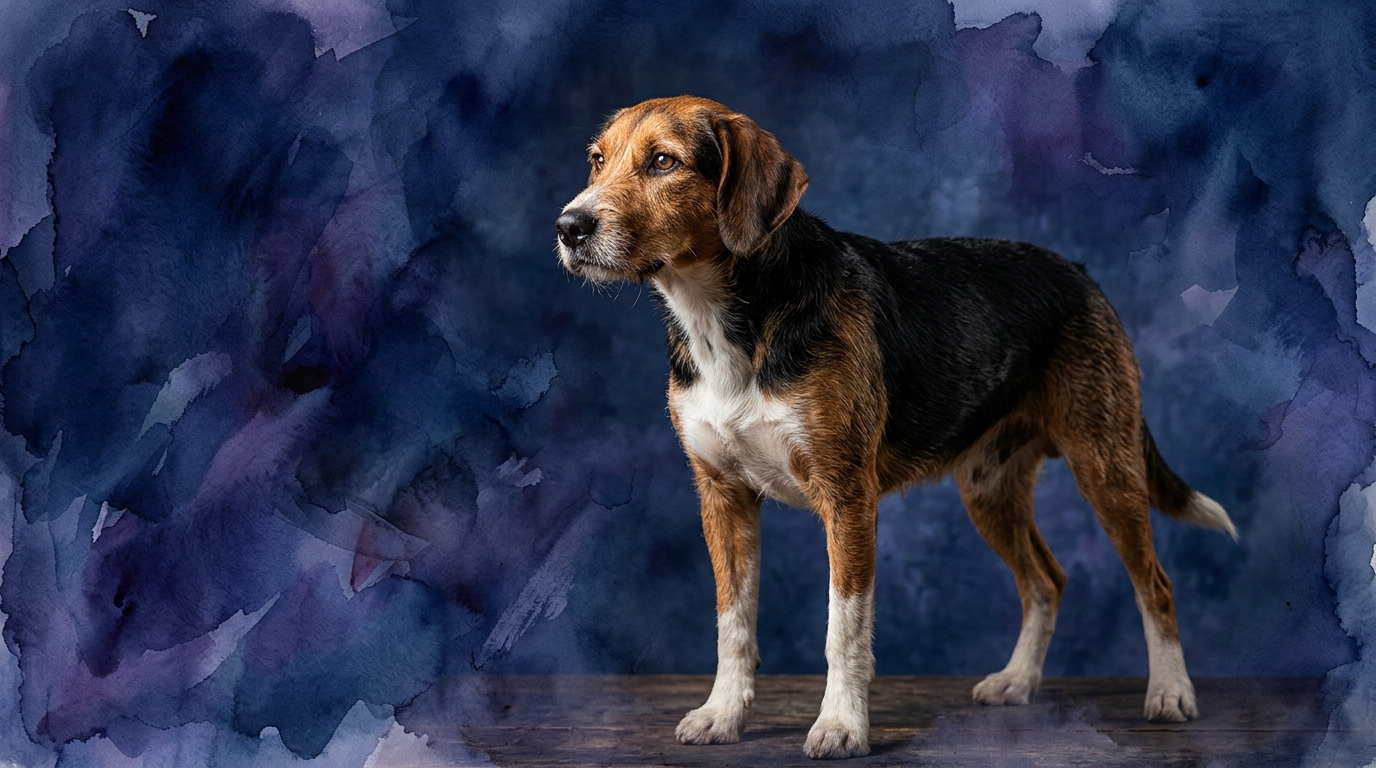
While both the Harrier and the Toy Fox Terrier share a 3/5 rating across our cognitive dimensions, the application and expression of these scores are profoundly influenced by their breed origins and physical attributes. For the Harrier, a robust scent hound, their intelligence is primarily geared towards cooperative work in expansive outdoor environments. Their cognitive strengths are honed for sustained effort and practical application in a pack setting.
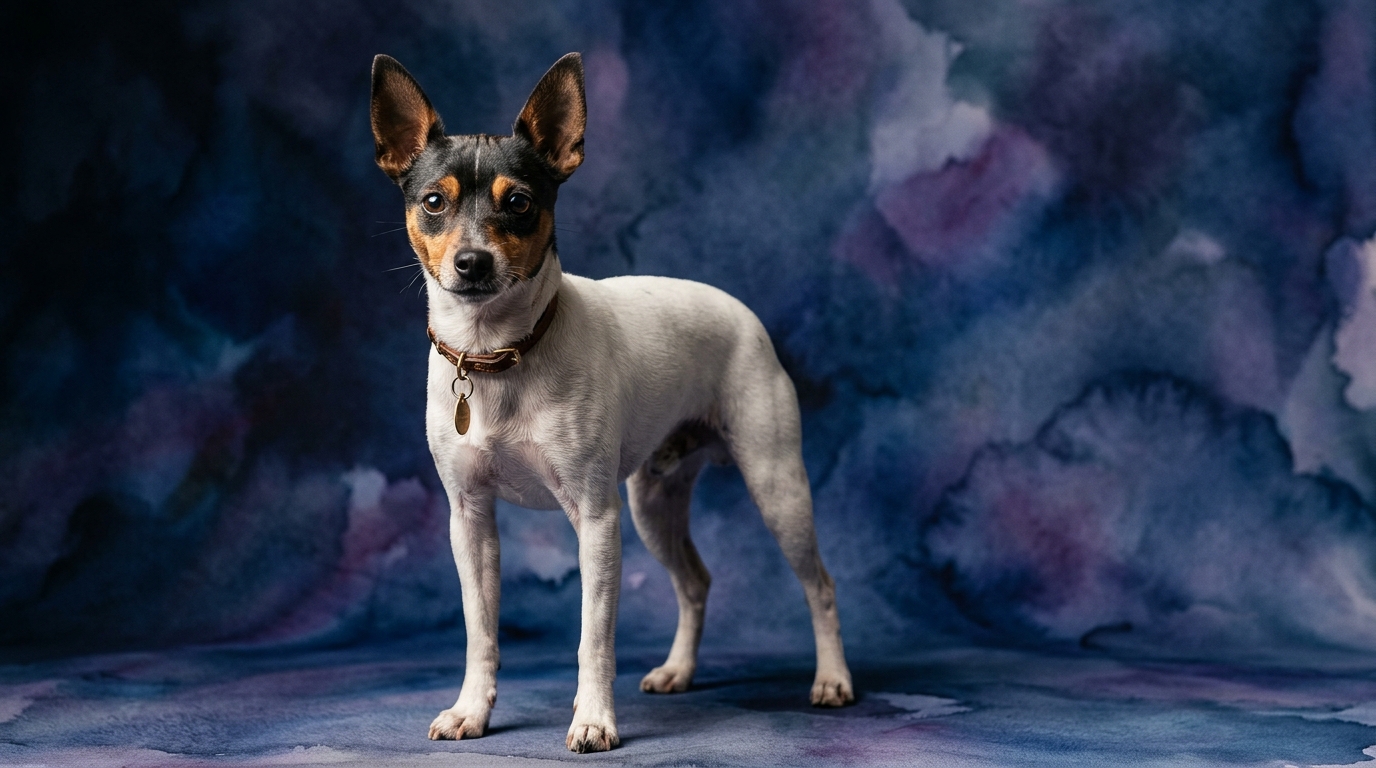
The Toy Fox Terrier, conversely, a lively toy breed with a terrier's tenacity, demonstrates its 3/5 intelligence through quick bursts of wit and adaptability in more contained, often domestic, settings. Their smaller stature and historical role as vermin hunters and companions mean their problem-solving and social awareness operate on a different scale and with distinct objectives. Understanding these contextual differences is crucial to appreciating their individual cognitive landscapes.
**Harrier (Hound Group)**
**Problem Solving (3/5):** A Harrier's problem-solving centers on navigating complex scent trails and varied terrain during a hunt. This isn't about abstract puzzles, but rather practical, adaptive thinking in a dynamic outdoor environment, such as determining the best path through dense brush or deciphering a fading scent. Their solutions are often physical and persistent, driven by an unwavering focus on their primary instinct.
**Training Speed (3/5):** Harriers are capable learners, but their strong prey drive and independent hound nature mean they can be easily distracted by scents. Training requires consistency, patience, and methods that channel their natural instincts. While they grasp commands, achieving reliable off-leash recall in a stimulating environment can take considerable dedication due to their tendency to follow their nose.
**Social Intelligence (3/5):** Bred to work in packs, Harriers excel in understanding canine social dynamics and often integrate well with other dogs. With humans, they are generally affectionate and form strong bonds, reading family cues effectively. Their social intelligence is often expressed through their ability to cooperate within a group structure, whether canine or human.
**Instinctive Drive (3/5):** This score reflects a powerful and persistent prey drive, particularly for scent tracking. Harriers possess an unshakeable determination to follow a trail once engaged, alongside a natural vocalization (baying) that signals their progress. Their instincts are deeply embedded and form the core of their breed identity.
**Memory (3/5):** Harriers demonstrate good memory for scent trails, familiar routes, and consistent training routines. They remember positive and negative associations with people and places. Their memory serves their hunting prowess, allowing them to recall successful strategies or the location of specific scents.
**Toy Fox Terrier (Toy Group)**
**Problem Solving (3/5):** A Toy Fox Terrier's problem-solving manifests as quick-witted strategies for outsmarting small prey or navigating their domestic environment to achieve a desired outcome. This might involve figuring out how to retrieve a toy from under furniture, opening a cabinet, or creatively engaging their owners for attention. Their solutions are often agile and opportunistic.
**Training Speed (3/5):** Toy Fox Terriers are often quick to learn new commands and tricks, especially when training is engaging and incorporates positive reinforcement. They thrive on mental stimulation and can pick up on routines rapidly. However, their terrier stubbornness or tendency to get bored can sometimes lead to selective hearing if the training isn't consistently stimulating or if they perceive a task as redundant.
**Social Intelligence (3/5):** These small dogs form deep, loyal bonds with their families, often displaying a keen ability to read human emotions and intentions. They are alert to changes in their environment and can be quite expressive in communicating their needs or observations. While devoted to their inner circle, they can be reserved or vocal with strangers, demonstrating a protective social awareness.
**Instinctive Drive (3/5):** Toy Fox Terriers possess a strong inherent drive for chasing small vermin, reflecting their historical role. This can translate into a propensity for digging, barking at perceived intruders, and a lively, alert demeanor. Their instincts are channeled into a vigilant and energetic presence within their home territory.
**Memory (3/5):** Toy Fox Terriers have a good memory for established routines, learned tricks, and the boundaries set within their home. They remember who their favored people are and can recall past interactions vividly, contributing to their strong bonds and consistent behaviors.
Where Harrier Wins Cognitively
The Harrier's cognitive strengths truly shine in scenarios demanding sustained focus, endurance, and cooperative effort in large, complex outdoor settings. Their problem-solving (3/5) is uniquely adapted for long-distance scent tracking, requiring them to process vast amounts of olfactory information and make real-time decisions about direction and persistence. This methodical, often hours-long, cognitive engagement with a scent trail is a distinct advantage, allowing them to cover extensive ground while maintaining their objective. Their social intelligence (3/5) is particularly adept at understanding and contributing to a group dynamic, whether a canine pack or a human hunting party, making them exceptional at synchronized work and communicating findings through their characteristic bay.
Furthermore, their instinctive drive (3/5) is a highly refined tool for a singular purpose, enabling a level of focus and tenacity in scent work that is unparalleled. This translates into an unwavering commitment to a task once engaged, a cognitive trait that, while sometimes challenging in a domestic setting, is a significant asset in their intended role. Their memory (3/5) for complex routes and scent patterns over vast areas further supports this specialized cognitive prowess, allowing them to recall and re-engage with environmental cues efficiently.
Where Toy Fox Terrier Wins Cognitively
The Toy Fox Terrier's cognitive advantages lie in their agility of thought, quick reactions, and adaptability to varied, often indoor, environments. Their problem-solving (3/5) is characterized by a clever, often opportunistic, approach to challenges within a smaller scope. They excel at figuring out how to manipulate objects, navigate tight spaces, or devise ingenious ways to gain attention or access to desired items. This quick-wittedness makes them adept at learning intricate tricks and puzzle toys, often demonstrating a flash of insight that solves a new challenge rapidly.
Their training speed (3/5), combined with a strong desire for interaction, often makes them appear quicker to grasp new commands in a structured, engaging session, particularly when the reward is social interaction or a tasty treat. The Toy Fox Terrier's social intelligence (3/5) is highly attuned to human nuances, allowing them to form exceptionally close bonds and often anticipating their owner's moods or intentions. Their instinctive drive (3/5), while still present, is often channeled into alert guardianship and playful engagement rather than extensive outdoor tracking, making them exceptionally responsive to immediate environmental stimuli within a home setting.
Which is Easier to Train and Why
Determining which breed is 'easier' to train is nuanced, as it depends heavily on the training goals and the owner's approach. For basic obedience and learning a repertoire of tricks in a home environment, the Toy Fox Terrier often appears to have an edge. Their eagerness to please, smaller size, and quick grasp of new commands (Training Speed 3/5) mean they can learn rapidly when training is kept engaging and positive. However, their terrier tenacity and occasional stubbornness require consistency to prevent them from developing selective hearing or becoming bored with repetitive tasks. Their high alertness (Instinctive Drive 3/5) can also mean they are easily distracted by household noises or outdoor movements, demanding focused training sessions.
The Harrier, with its powerful scent drive and independent hound nature, presents a different training challenge. While their training speed is also 3/5, their inclination to follow a scent overrides many commands, making off-leash reliability a significant hurdle. Training a Harrier often involves extensive work on recall in highly distracting environments and requires a deep understanding of hound motivation. While they can learn, their independent problem-solving (3/5) geared towards scent work means they may not always prioritize human commands over an enticing smell. For an owner seeking a highly biddable companion for complex obedience, the Toy Fox Terrier might present fewer initial frustrations, but both breeds demand dedicated, thoughtful, and consistent training tailored to their distinct cognitive profiles and drives.
Which Suits Active Owners vs. Relaxed Owners
The distinction between these two breeds regarding owner lifestyle suitability is quite clear. The Harrier is unequivocally suited for active owners, or those prepared to become active. Their heritage as a scent hound means they possess substantial stamina and a strong need for physical exertion. Daily, vigorous exercise, ideally involving opportunities for scent work or long, exploratory walks in secure areas, is non-negotiable. A relaxed owner who cannot commit to hours of outdoor activity would find a Harrier a challenging companion, as their unfulfilled instinctive drive (3/5) and physical energy can lead to destructive behaviors or excessive vocalization. Their problem-solving (3/5) is geared towards extensive outdoor exploration, not quiet contemplation on a couch.
The Toy Fox Terrier, while energetic and playful, offers more flexibility for owners with varying activity levels. They thrive on regular walks, engaging play sessions, and mental stimulation through puzzle toys or trick training. While they are not couch potatoes, their exercise needs are considerably less demanding than a Harrier's, making them suitable for moderately active owners who enjoy daily walks and indoor games. A relaxed owner who still provides consistent mental enrichment and daily short bursts of activity could accommodate a Toy Fox Terrier, though they would still need to manage their alert nature and instinctive drive (3/5) for chasing and barking. They adapt well to apartment living provided their needs are met, unlike the Harrier who truly requires space to roam and explore.
The Verdict
Choose a Harrier if you are an active, outdoor-oriented individual or family, passionate about exploring nature, and prepared to engage with a dog whose primary cognitive drive is scent work and sustained physical activity. They thrive in environments where their hound instincts can be appropriately channeled through extensive exercise and cooperative endeavors.
Opt for a Toy Fox Terrier if you desire a lively, intelligent companion that thrives on close human interaction, enjoys learning tricks, and can adapt to a more varied indoor-outdoor lifestyle. They are well-suited for owners who appreciate a quick-witted, alert presence and can provide consistent mental engagement alongside moderate physical activity.
🧠 Find Your Pet's IQ Score
Our Pet IQ Lab assessment covers 25+ tests across 5 cognitive dimensions — personalized to your breed.
Take the Full IQ Test →Frequently Asked Questions
Despite similar scores, how do their cognitive strengths differ?
Their cognitive strengths differ contextually: the Harrier's 3/5 problem-solving and memory excel in extensive outdoor scent tracking and cooperative group dynamics, while the Toy Fox Terrier's 3/5 scores manifest as quick-wittedness for domestic challenges, learning tricks, and acute social awareness within a family setting. One is built for endurance and large-scale navigation, the other for agility and cleverness in smaller, more personal environments.
Which breed is better for first-time dog owners?
For first-time dog owners, the Toy Fox Terrier might be a more manageable choice due to their smaller size, adaptable exercise needs, and often quicker grasp of basic obedience in a home environment, provided the owner is committed to consistent training and mental stimulation. The Harrier's strong independent drive and immense exercise requirements can be overwhelming for those new to dog ownership, demanding a deeper understanding of hound behavior.
Do these breeds require different types of mental enrichment?
Absolutely. Harriers benefit greatly from mental enrichment that engages their powerful scent drive, such as scent work games, tracking exercises, and long exploratory walks where they can follow their nose. Toy Fox Terriers thrive on interactive puzzle toys, agility training, learning new tricks, and engaging in playful problem-solving within the home, which satisfies their quick wit and desire for interaction.