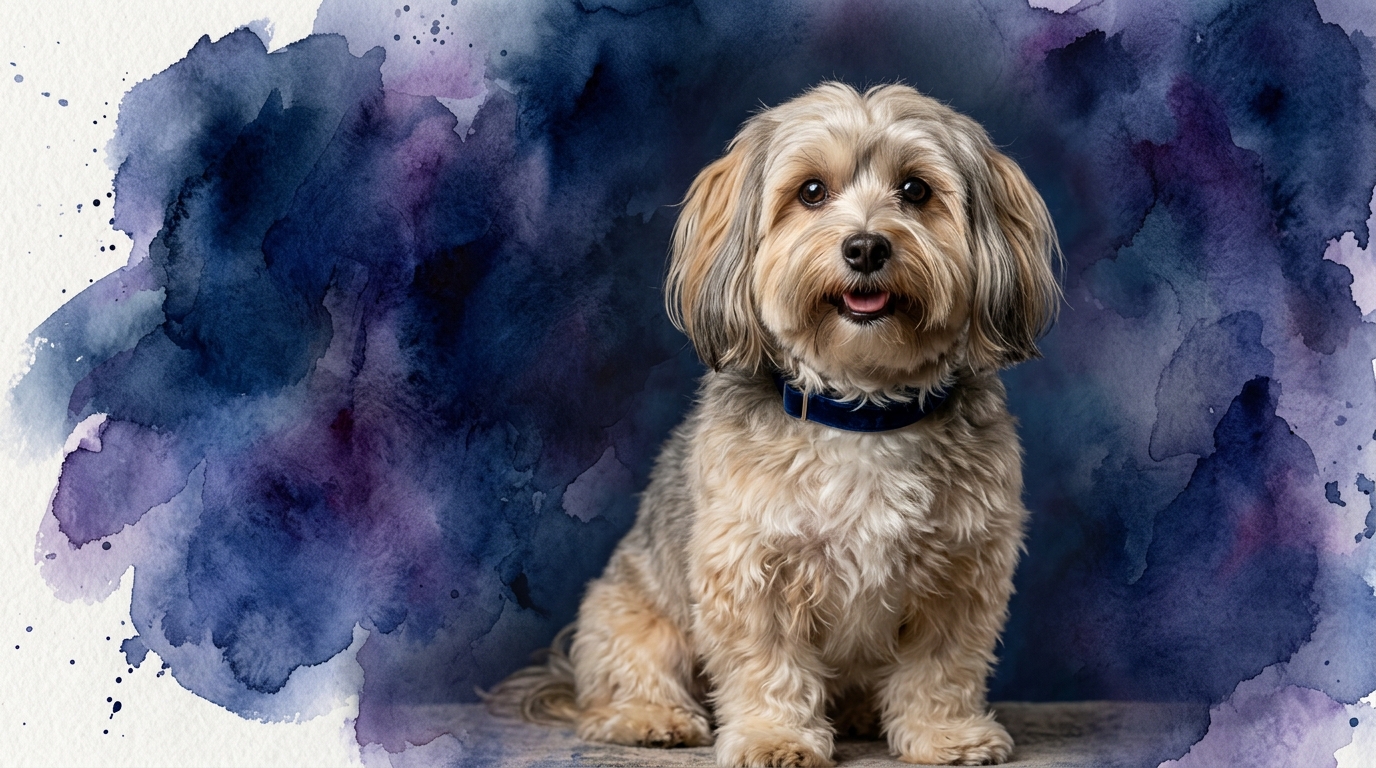

Side-by-Side IQ Profile: Havanese vs. Dogo Argentino
The Cosmic Pet Pet IQ Lab employs five distinct dimensions to assess canine cognition, providing a nuanced understanding beyond simple labels. For the Havanese, a Toy group dog, and the Dogo Argentino, a Working group dog, these dimensions reveal their inherent aptitudes.
The Havanese scores 3/5 in Problem Solving, indicating a moderate capacity for independent thought and learning how to navigate new situations or manipulate objects to achieve a goal. Their Training Speed is also 3/5, suggesting they pick up new commands and routines at a steady pace with consistent instruction. Where the Havanese truly shines is Social Intelligence, earning a perfect 5/5, reflecting an exceptional ability to read human cues and emotions. Their Instinctive Drive is 2/5, meaning they possess less pronounced innate behaviors related to hunting or guarding, focusing more on companionship. Lastly, their Memory is 3/5, demonstrating a reliable ability to recall learned information and experiences.
The Dogo Argentino mirrors the Havanese in several areas, with a 3/5 in Problem Solving, showing a moderate aptitude for assessing situations and finding solutions, particularly those relevant to their duties. Their Training Speed is also 3/5, indicating they learn new tasks at a consistent rate when provided clear, structured instruction. In Social Intelligence, the Dogo Argentino scores 3/5; they understand human cues and form strong bonds with their family but may be more reserved than the Havanese. Their Instinctive Drive is 3/5, reflecting a moderate but significant inclination for protective behaviors, tracking, and physical exertion inherent to their working heritage. Like the Havanese, their Memory is 3/5, allowing them to effectively retain training and recognize patterns in their environment.
Where the Havanese Wins Cognitively
The Havanese distinctly excels in social intelligence, scoring a perfect 5/5 compared to the Dogo Argentino's 3/5. This manifests as an extraordinary ability to read and respond to human emotions and intentions with remarkable accuracy. A Havanese might anticipate an owner’s need for comfort, offering a gentle nudge, or pick up on subtle changes in vocal tone, adjusting their behavior accordingly. Their strong social cognition makes them exceptionally empathetic companions, often appearing to understand unspoken cues and adapting their interactions to suit the mood of their human family members. This heightened social awareness contributes to their reputation as deeply attuned companions, thriving on close, reciprocal social engagement and processing social information with a level of finesse that allows for incredibly nuanced communication.
Where the Dogo Argentino Wins Cognitively
While both breeds share similar scores in problem-solving, training speed, and memory, the Dogo Argentino edges out the Havanese in instinctive drive, scoring 3/5 against the Havanese's 2/5. This moderate, yet significant, instinctive drive is a direct reflection of their heritage as a big-game hunting dog. It translates into a robust capacity for focused, goal-oriented work and a powerful desire to engage in tasks that utilize their physical and mental prowess. A Dogo Argentino's cognitive strengths lie in their ability to channel this drive into controlled, purposeful actions, whether it's tracking a scent, patrolling a perimeter, or engaging in physically demanding activities with unwavering determination. This drive is a deep-seated motivation to perform, requiring mental engagement to direct their inherent instincts towards constructive outcomes, such as advanced obedience or protection sports.
Which is Easier to Train and Why
At first glance, with both breeds scoring 3/5 in training speed, one might assume they are equally easy to train. However, the nuances of their other cognitive dimensions paint a more complex picture. The Havanese's superior social intelligence (5/5) means they are often more eager to please and highly motivated by human interaction and praise, making them generally more receptive to training in a family setting. Their ability to quickly grasp social cues can make them appear to learn faster in terms of understanding what their owner wants. Conversely, the Dogo Argentino's moderate instinctive drive (3/5) means they can be highly motivated by tasks that appeal to their working nature, but this drive needs careful direction. While they learn commands at a steady pace, their training requires a confident, consistent leader who can channel their inherent assertiveness and focus their energy. A Havanese might be more forgiving of inconsistent training due to their strong desire for social harmony, whereas a Dogo Argentino thrives on clear structure and purpose, potentially becoming more challenging without it.
Which Suits Active Owners vs. Relaxed Owners
Considering their cognitive profiles, the Havanese is generally a better match for more relaxed owners or those seeking a companion for lower-key activities. Their high social intelligence makes them content with ample human interaction and indoor companionship, thriving on emotional connection rather than intense physical exertion. While they enjoy walks and play, their lower instinctive drive means they don't demand extensive, purpose-driven activities. For active owners, the Dogo Argentino presents a compelling choice. Their moderate instinctive drive and physical capabilities mean they excel in environments where they can engage in strenuous exercise, participate in dog sports, or even perform duties that tap into their protective instincts. They require consistent mental and physical stimulation to prevent boredom and ensure their well-being, making them ideal for individuals who lead an active lifestyle and can provide structured outlets for their energy and drive.
The Verdict
Choose the Havanese if your priority is an exceptionally socially attuned companion who thrives on close interaction and brings a gentle, empathetic presence to a relaxed home environment. Their cognitive strength lies in understanding and responding to human nuances, making them ideal for families seeking a devoted, emotionally responsive pet.
Opt for the Dogo Argentino if you are an active individual or family seeking a powerful, purposeful dog capable of engaging in demanding activities and requiring a confident, consistent approach to leadership. Their cognitive strengths are geared towards focused work and protective instincts, making them a dedicated partner for structured tasks.
🧠 Find Your Pet's IQ Score
Our Pet IQ Lab assessment covers 25+ tests across 5 cognitive dimensions — personalized to your breed.
Take the Full IQ Test →Frequently Asked Questions
Do Havanese and Dogo Argentino require similar amounts of mental stimulation?
While both breeds benefit from mental engagement, the type of stimulation differs. Havanese thrive on social interaction and puzzle toys that reinforce their bond with owners, whereas Dogo Argentinos require challenges that tap into their working drive, such as advanced obedience, tracking, or protection exercises to fulfill their inherent cognitive needs.
How does social intelligence impact daily life for these breeds?
The Havanese's high social intelligence means they are often more sensitive to household dynamics and human moods, making them intuitive companions who adapt readily to family life. A Dogo Argentino's moderate social intelligence means they form strong bonds with their core family but may be more reserved or less overtly expressive with outsiders, requiring clear social boundaries.
Can a Havanese or Dogo Argentino be left alone for long periods?
Given their extreme social intelligence, Havanese are prone to separation anxiety if left alone extensively, as their cognitive framework thrives on constant human connection. Dogo Argentinos, while independent, still require consistent companionship and mental engagement; prolonged isolation can lead to boredom and destructive behaviors due to their moderate instinctive drive and need for purpose.