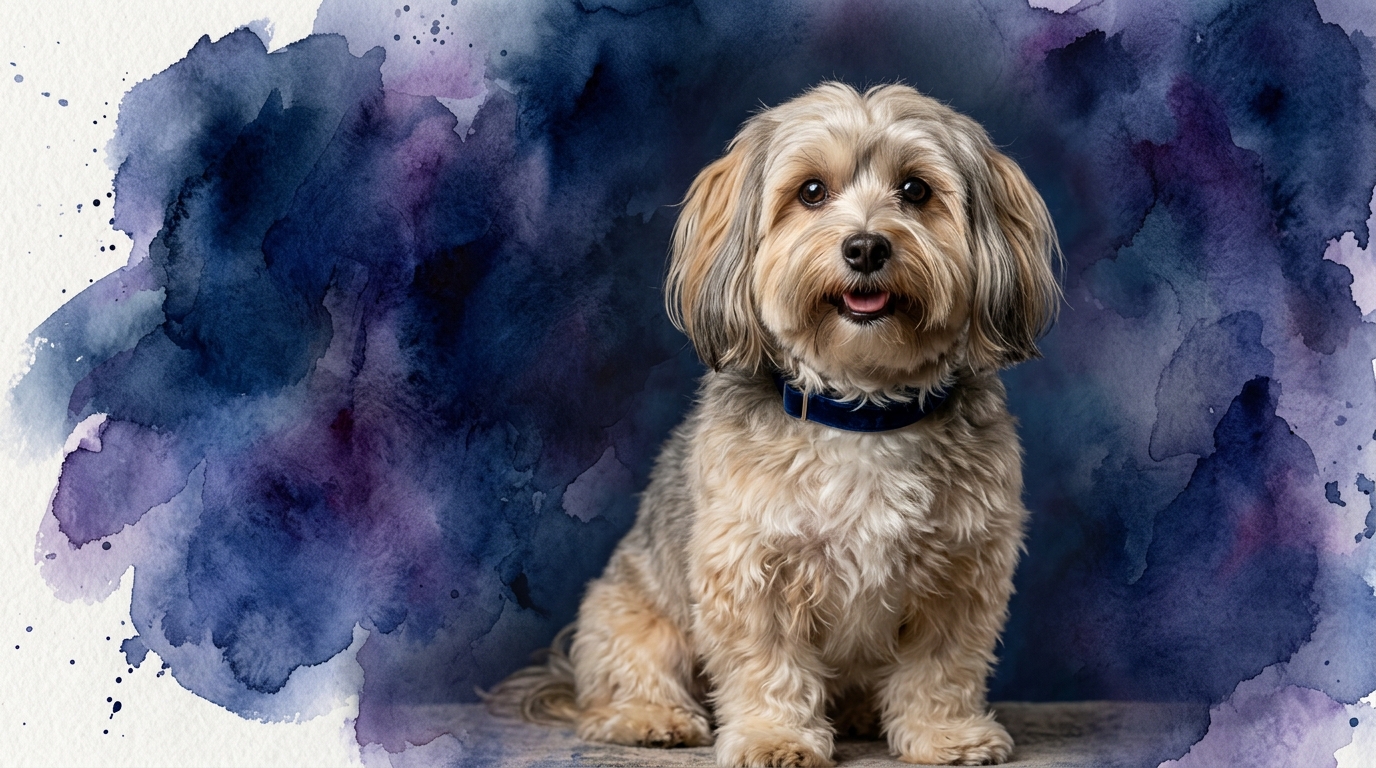
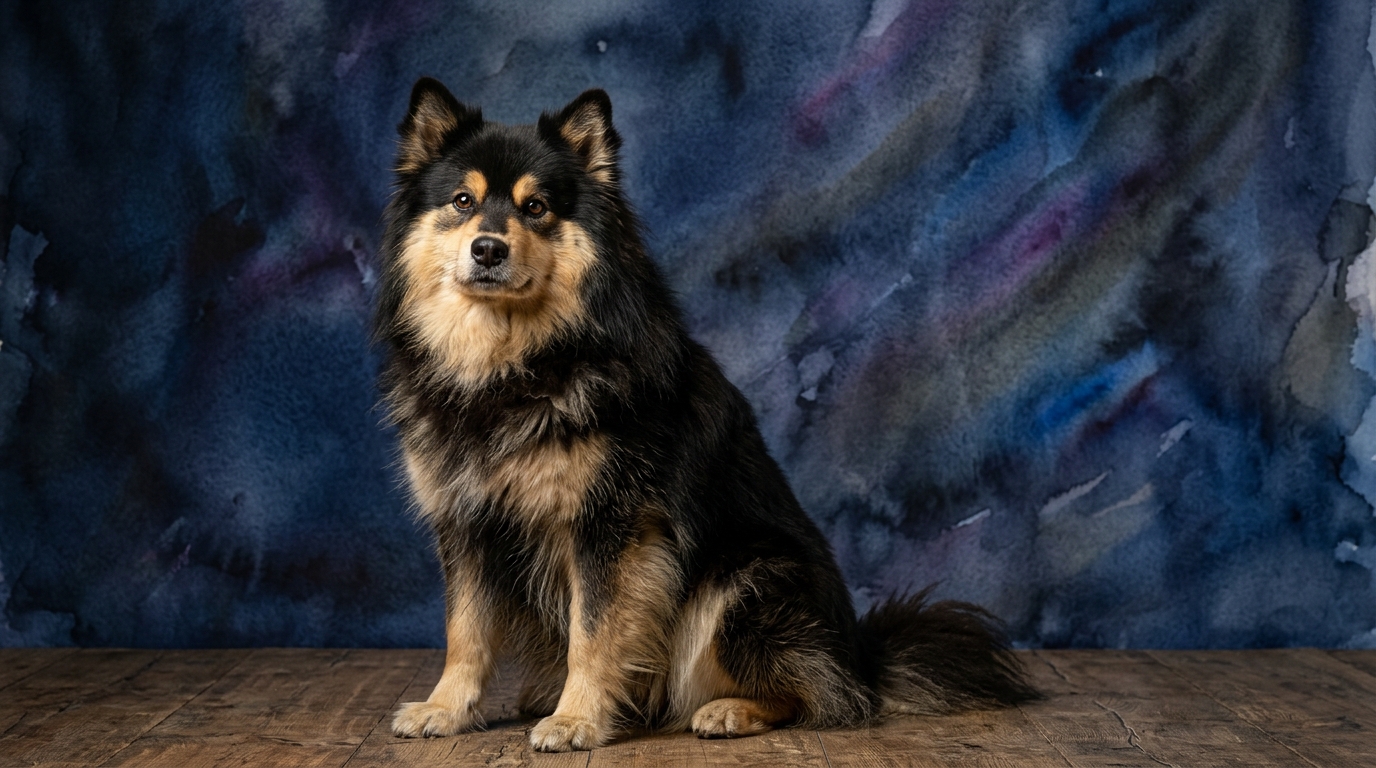
Side-by-Side IQ Profile: Havanese vs. Finnish Lapphund Cognition
At The Cosmic Pet Pet IQ Lab, we evaluate canine intelligence across five key dimensions, offering a detailed look at how different breeds think and learn. Here's how the Havanese and Finnish Lapphund compare:
For the Havanese:
Problem Solving (3/5): This score indicates a moderate capacity for independent thought and figuring out novel challenges. Havanese can learn to manipulate objects or navigate simple puzzles but might rely more on human guidance for complex tasks.
Training Speed (3/5): A solid pace for acquiring new commands and routines. They generally grasp concepts without excessive repetition, especially when motivated by positive reinforcement and their desire to please.
Social Intelligence (5/5): This is where the Havanese truly shines, demonstrating an exceptional ability to read human emotions, intentions, and subtle cues. They are deeply attuned to their family's moods, often anticipating needs and offering comfort.
Instinctive Drive (2/5): A lower score here reflects a reduced inclination towards strong inherent behaviors like herding, hunting, or guarding without specific training. Their primary drive is often companionship and interaction.
Memory (3/5): They possess a good, functional memory for learned commands, routines, and familiar faces, allowing them to retain training and recall past experiences effectively.
For the Finnish Lapphund:
Problem Solving (3/5): Matching the Havanese, the Lapphund also shows a moderate ability to tackle challenges independently. Their problem-solving often manifests in practical ways, such as finding creative solutions in their environment.
Training Speed (3/5): Like the Havanese, they have a steady rate of learning new behaviors. They are capable of absorbing commands efficiently, though their independent spirit might require engaging methods to maintain focus.
Social Intelligence (3/5): The Lapphund exhibits a good level of social awareness, understanding human communication and forming strong bonds. While capable of reading cues, their connection is typically more direct and less nuanced than the highly empathetic Havanese.
Instinctive Drive (3/5): This score highlights a moderate, yet present, inclination towards their ancestral herding behaviors. They may exhibit tendencies to gather, patrol, or vocalize, reflecting their working heritage.
Memory (3/5): They also possess a reliable memory, crucial for recalling training, routes, and the roles of family members, contributing to their adaptability and consistent behavior.
Where the Havanese Wins Cognitively
The Havanese distinctly excels in social intelligence, scoring a perfect 5/5. This remarkable capacity means they possess an almost unparalleled ability to interpret human body language, vocal tones, and emotional states. They often anticipate their owner's desires or distress, reacting with comforting nudges or playful invitations. This deep emotional attunement makes them exceptional therapy companions and empathetic family members, fostering a profound, intuitive bond. Their communicative prowess allows for a highly interactive and responsive relationship, making them seem almost telepathic to their devoted owners.
Where the Finnish Lapphund Wins Cognitively
While both breeds share a 3/5 in problem-solving and memory, the Finnish Lapphund's cognitive strengths are often colored by its practical, independent working heritage. Their instinctive drive (3/5) is a key differentiator, manifesting as a moderate inclination for purposeful activity, such as monitoring their environment or responding to perceived changes. This drive, coupled with their problem-solving ability, suggests a dog more adept at autonomously navigating outdoor scenarios or understanding complex sequences of tasks related to their environment, rather than purely social interaction. They demonstrate a resilient approach to challenges, relying on their judgment more readily in certain contexts.
Which is Easier to Train and Why
Determining which breed is “easier” to train depends heavily on the owner's approach and desired outcomes, given both score 3/5 in training speed. The Havanese, with its exceptional 5/5 social intelligence, often appears more eager to please and highly responsive to human feedback. They thrive on interaction and positive reinforcement, quickly picking up cues because they genuinely enjoy the engagement and the approval of their people. Their lower instinctive drive (2/5) means fewer strong innate behaviors might interfere with learning new commands, making them highly adaptable to various domestic training goals, from basic obedience to intricate trick training.
The Finnish Lapphund, while also scoring 3/5 in training speed, brings a different dynamic. Their 3/5 social intelligence means they understand commands well, but their moderate instinctive drive (3/5) means they might occasionally prioritize their own inclinations, like investigating a scent or herding a moving object, over immediate compliance. Training a Lapphund often requires more consistency, patience, and engaging methods to channel their natural drives productively. They respond best to clear, fair leadership and positive reinforcement that acknowledges their intelligent, yet sometimes independent, nature, making them capable but not always instantly compliant.
Which Suits Active Owners vs. Relaxed Owners
For the relaxed owner seeking a constant, emotionally attuned companion, the Havanese is often an ideal match. Their low instinctive drive (2/5) means their exercise needs are moderate, satisfied with daily walks and indoor play. Their unparalleled social intelligence (5/5) means they thrive on close human interaction, preferring to be an integral part of family activities, whether it's lounging on the sofa or accompanying short errands. They are content with a less demanding physical routine, provided they receive ample mental stimulation through companionship and gentle play.
Conversely, the Finnish Lapphund is better suited for active owners who appreciate a companion with a moderate instinctive drive (3/5) and a more robust energy level. While not hyperactive, they benefit from regular, engaging exercise that allows them to use their bodies and minds. Activities like hiking, agility, or even herding games can fulfill their natural inclinations. Their independent streak, stemming from their herding background, means they can enjoy outdoor adventures alongside their owners, but they might also appreciate some self-directed exploration, making them excellent partners for active, outdoor-oriented individuals.
The Verdict
Choose the Havanese if your primary desire is an exceptionally empathetic, highly interactive companion who thrives on close emotional connection and requires moderate physical activity. They are ideal for those valuing a deeply responsive family member attuned to every nuance of human emotion.
Opt for the Finnish Lapphund if you seek a robust, intelligent partner for an active lifestyle, one who balances companionship with a degree of independent spirit and enjoys purposeful outdoor engagement. They are best for owners who appreciate a dog with moderate instinctive drives and a resilient nature.
🧠 Find Your Pet's IQ Score
Our Pet IQ Lab assessment covers 25+ tests across 5 cognitive dimensions — personalized to your breed.
Take the Full IQ Test →Frequently Asked Questions
Do Havanese dogs require a lot of mental stimulation despite their moderate problem-solving score?
Absolutely. While their problem-solving is 3/5, their exceptional social intelligence means they thrive on interaction and learning. Engaging them with new tricks, puzzle toys, and consistent social engagement is crucial for their well-being.
Can a Finnish Lapphund adapt to apartment living, considering its herding background?
A Finnish Lapphund can adapt to apartment living if their exercise and mental stimulation needs are consistently met. Daily vigorous walks, playtime, and purposeful activity are essential to channel their instinctive drive and prevent restlessness in smaller spaces.
Which breed is generally better with children, based on their cognitive profiles?
The Havanese, with its 5/5 social intelligence, often demonstrates exceptional patience and empathy with children, making them excellent family companions who intuitively understand child behavior. The Finnish Lapphund, at 3/5 social intelligence, is generally good with children but may require supervision and training to ensure their moderate instinctive drive doesn't lead to playful herding attempts.