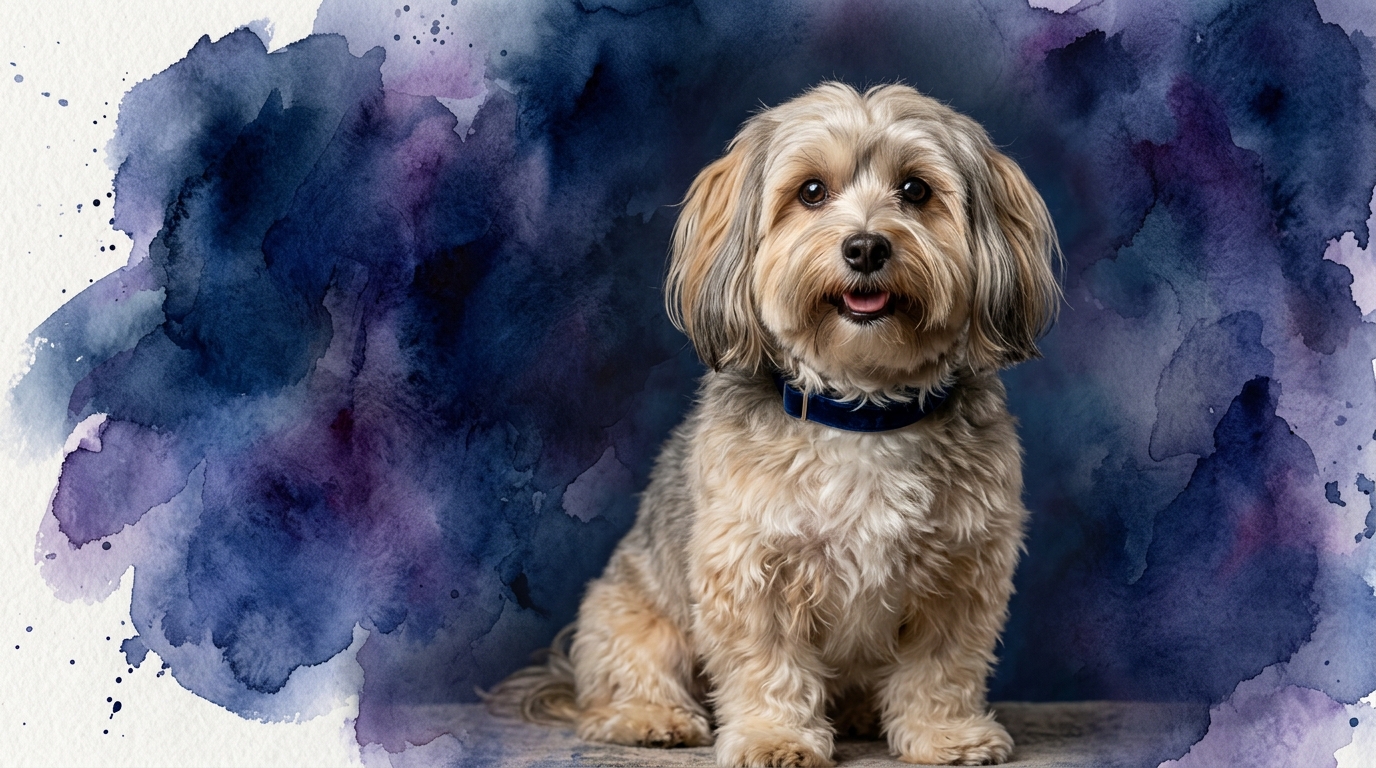
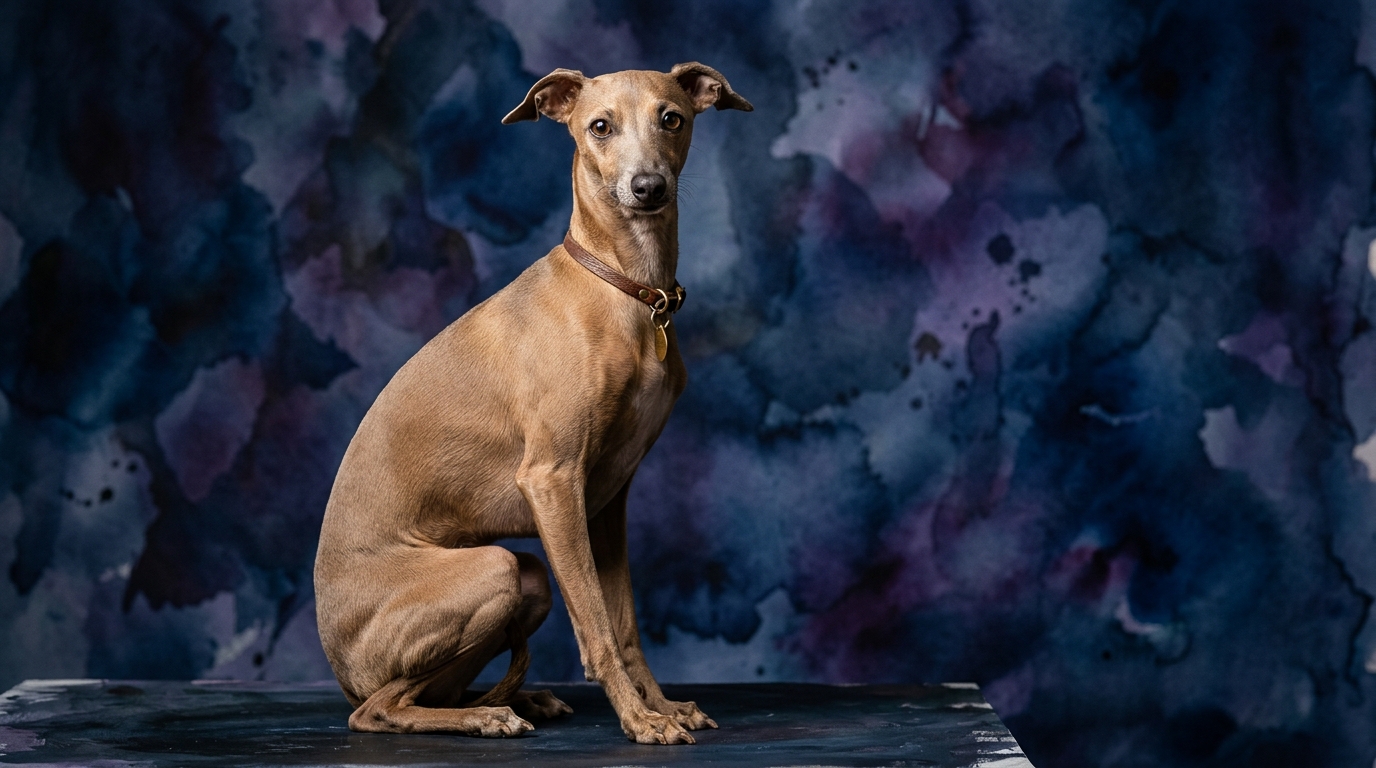
Side-by-Side Pet IQ Lab Profiles
The Cosmic Pet Pet IQ Lab employs a five-dimensional framework to assess canine intelligence, offering a granular view beyond generic labels. For both the Havanese and the Italian Greyhound, three of these dimensions show identical scores, yet the remaining two reveal significant differentiating factors.
**Problem Solving (Havanese 3/5, Italian Greyhound 3/5):** Both breeds demonstrate an average capacity for problem-solving tasks, indicating they can learn to navigate puzzles or simple environmental challenges with consistent guidance. They are capable of understanding cause-and-effect in familiar situations but are not typically independent strategists in novel complex scenarios.
**Training Speed (Havanese 3/5, Italian Greyhound 3/5):** With matching scores here, both the Havanese and Italian Greyhound learn new commands and behaviors at an average pace. Neither breed is exceptionally quick to pick up new cues after just a few repetitions, nor are they particularly slow learners; consistent, patient training methods yield steady progress for both.
**Social Intelligence (Havanese 5/5, Italian Greyhound 3/5):** This is where a significant divergence appears. The Havanese scores exceptionally high, indicating a profound ability to interpret human emotions, body language, and social dynamics, making them highly attuned and responsive companions. The Italian Greyhound, with an average score, understands basic social cues but tends to be less overtly empathetic or as finely tuned to subtle human interactions.
**Instinctive Drive (Havanese 2/5, Italian Greyhound 3/5):** Here we see another key difference. The Havanese exhibits a lower instinctive drive, meaning their innate urges like hunting, guarding, or herding are minimal, making them highly adaptable to a purely companion role. The Italian Greyhound, however, possesses a slightly higher instinctive drive, reflecting its sighthound heritage which can manifest as a moderate chase instinct or keen observation of movement.
**Memory (Havanese 3/5, Italian Greyhound 3/5):** Both breeds share an average memory retention score. They are capable of remembering learned commands, routines, and experiences, provided these are reinforced regularly. Complex or infrequently encountered information might require more consistent repetition for long-term recall.
Where the Havanese Shines Cognitively
The Havanese's outstanding social intelligence (5/5) is its defining cognitive strength. This breed possesses an almost unparalleled capacity among toy dogs to read and respond to human emotional states, making them incredibly empathetic and intuitive companions. They excel at understanding subtle shifts in tone of voice, facial expressions, and body language, often anticipating their owner's needs or moods before they are explicitly communicated.
This high social cognition translates into a strong desire to please and a deep connection with their human family, motivating them significantly during training sessions where social praise and interaction are powerful rewards. Their lower instinctive drive (2/5) further enhances this, as they are less distracted by primal urges and more focused on engaging with their human partners. This cognitive profile makes them particularly adept at forming strong, reciprocal bonds, thriving in environments where close social interaction and emotional attunement are central.
Where the Italian Greyhound Wins Cognitively
While sharing average scores in problem-solving, training speed, and memory with the Havanese, the Italian Greyhound's cognitive distinctiveness emerges from its slightly higher instinctive drive (3/5). This drive, a legacy of its sighthound ancestry, endows them with a specialized form of perceptual intelligence centered around keen observation and rapid processing of visual stimuli, particularly movement.
This means Italian Greyhounds possess an acute awareness of their environment, quickly spotting and reacting to small, moving objects like squirrels or birds. Their cognitive strengths lie not in complex social navigation, but in their focused attention on external dynamics and the swift, decisive action their instincts enable. This can make them alert, watchful companions, and their independent nature, a facet of their sighthound cognition, allows them to be content without constant human direction, providing a distinct advantage for owners who appreciate a dog capable of self-amusement and quiet contemplation after a burst of activity.
Training Dynamics: Havanese vs. Italian Greyhound
When considering ease of training, the Havanese generally presents a more straightforward experience due to its exceptional social intelligence. Their profound desire to please and their sensitivity to human emotions mean they are highly motivated by praise, attention, and positive reinforcement from their handler. They actively seek human interaction and approval, making them eager participants in training sessions and quick to grasp what is expected.
The Italian Greyhound, while equally capable of learning new commands at an average speed, can be more challenging due to its moderate instinctive drive and more independent temperament. Their sighthound nature means they might be more easily distracted by visual stimuli or follow their nose if something more interesting presents itself. Training requires consistent, patient methods, often relying more on high-value treats and engaging games rather than purely social rewards, to maintain their focus against competing instincts. Off-leash reliability, especially in unfenced areas, can be a greater hurdle for an Italian Greyhound due to its chase drive.
Lifestyle Suitability: Active vs. Relaxed Owners
The Havanese is remarkably adaptable, fitting well into both active and more relaxed owner lifestyles, provided their social and mental stimulation needs are met. Their lower instinctive drive means they don't possess an intense need for vigorous physical activity, being content with moderate walks and indoor play. However, their high social intelligence means they thrive on being an integral part of family activities, whether it's a quiet evening at home or an outing to a pet-friendly cafe.
The Italian Greyhound, while often perceived as a delicate lapdog, possesses a need for short, intense bursts of physical activity. They enjoy the opportunity to run at full speed in a securely fenced area, satisfying their sighthound instincts. After these energetic sprints, they are typically content to curl up on a soft blanket or lap, seeking warmth and comfort. This makes them suitable for owners who can provide these specific exercise outlets but also appreciate a dog that enjoys extended periods of quiet relaxation indoors.
The Verdict
If you prioritize a deeply empathetic, highly socially responsive companion who thrives on close interaction and is easily motivated by praise, the Havanese is likely your match. They excel in environments where social connection and emotional attunement are paramount.
Opt for the Italian Greyhound if you appreciate an elegant companion with a keen observational nature and an independent streak, who enjoys bursts of energetic play followed by cozy relaxation. They suit owners who value a dog with a distinctive sighthound sensibility and less constant need for direct social engagement.
🧠 Find Your Pet's IQ Score
Our Pet IQ Lab assessment covers 25+ tests across 5 cognitive dimensions — personalized to your breed.
Take the Full IQ Test →Frequently Asked Questions
Are Havanese good at dog sports like agility?
Their average problem-solving and training speed, combined with high social intelligence and desire to please, means Havanese can certainly enjoy and perform well in agility. While they might not consistently dominate professional competitions, they are eager participants who thrive on the mental and physical engagement with their handler.
Do Italian Greyhounds have a strong prey drive?
With an instinctive drive of 3/5, Italian Greyhounds do retain a moderate sighthound prey drive, meaning they may be compelled to chase small, fast-moving objects. For their safety, secure fencing and leashes are crucial when outdoors, as their instinct can override recall commands.
Which breed is better for first-time dog owners?
The Havanese, with their exceptional social intelligence and strong desire to please, often proves more forgiving and adaptable for first-time owners, making training and bonding relatively straightforward. The Italian Greyhound's independent nature and specific exercise needs, coupled with a moderate prey drive, might require a slightly more experienced approach to ensure a harmonious relationship.