Side-by-Side IQ Profile: Havanese vs. Kerry Blue Terrier
At The Cosmic Pet Pet IQ Lab, we evaluate canine intelligence across five key dimensions, offering a nuanced understanding beyond simple obedience. Let's delve into the cognitive blueprints of the Havanese and the Kerry Blue Terrier.
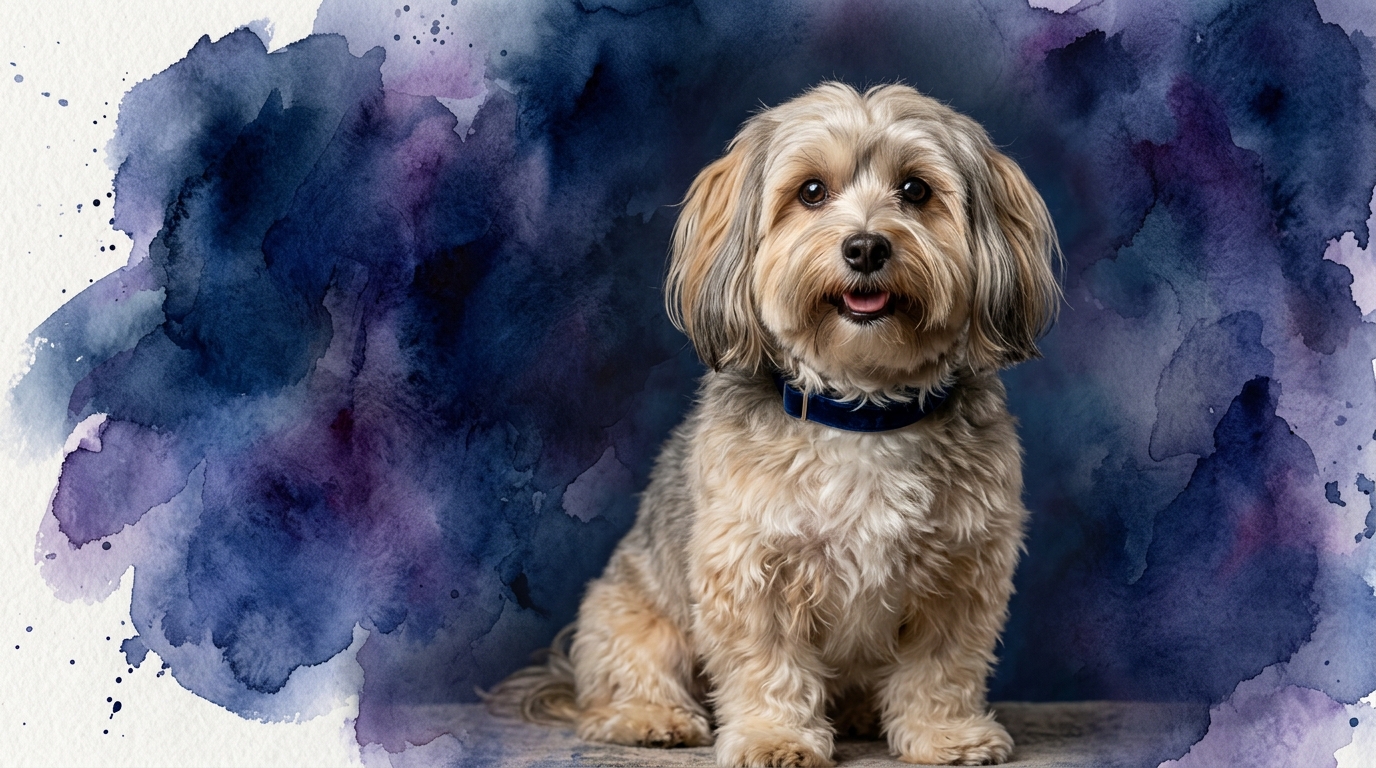
The Havanese, a charming companion from the Toy group, displays a moderate capacity for independent problem-solving (3/5), often preferring to work alongside their human rather than tackle complex puzzles autonomously. Their training speed is also moderate (3/5), meaning they pick up new commands and routines steadily with consistent, positive reinforcement, driven by an eagerness to please. Where the Havanese truly excels is in social intelligence (5/5), demonstrating an exceptional ability to read human emotions, adapt seamlessly to various social situations, and form deep, empathetic bonds. Their instinctive drive is lower (2/5), making them less prone to strong prey drives or independent working behaviors, favoring companionship instead. Finally, their memory is solid and average (3/5), allowing them to retain learned commands, routines, and experiences over time, contributing to their consistent behavior.
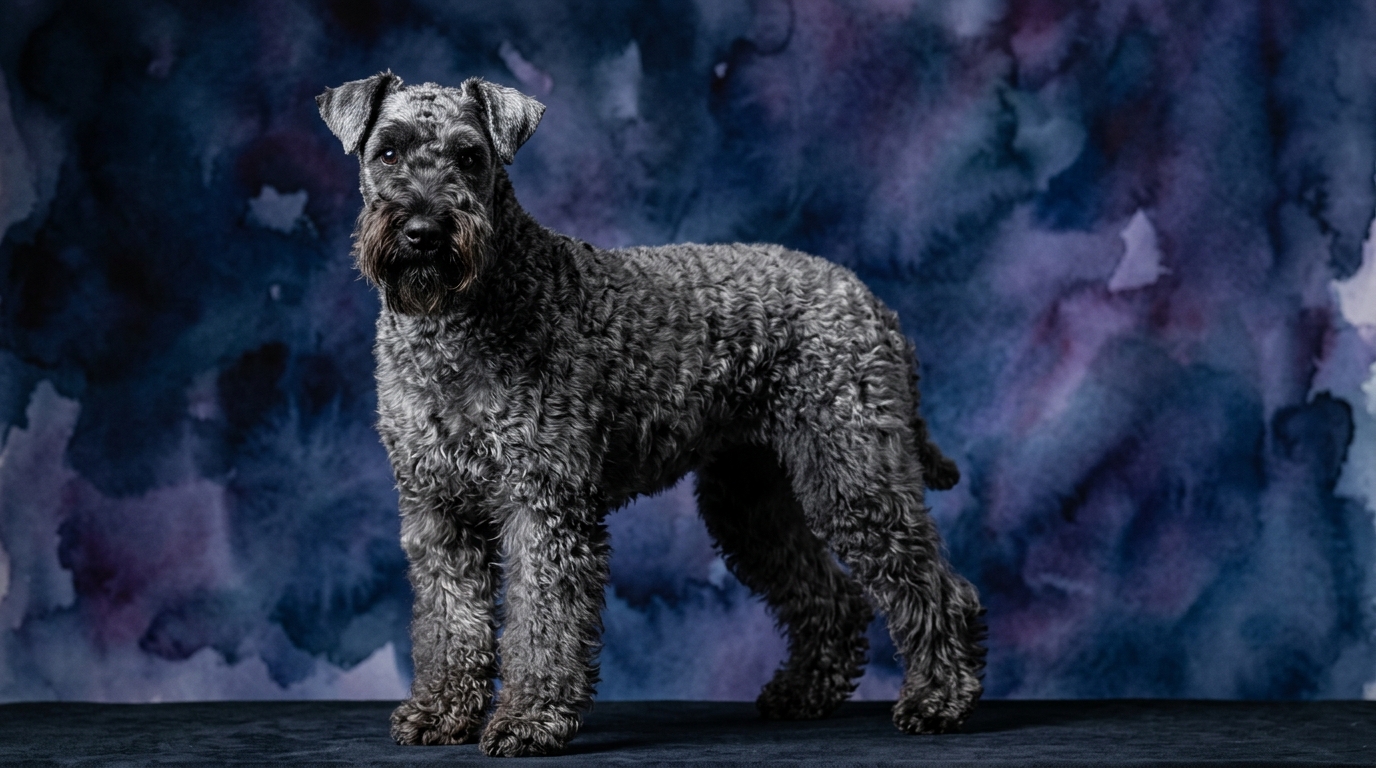
The Kerry Blue Terrier, a robust member of the Terrier group, also exhibits a moderate problem-solving ability (3/5), often using persistence and observation, but driven more by their terrier tenacity than contemplative analysis. Their training speed is comparable (3/5), requiring consistent and engaging methods, though their independent nature means trainers must be creative and firm to maintain focus. The Kerry Blue Terrier displays a moderate level of social intelligence (3/5); they connect well with their immediate family and can be affectionate, but may be more reserved or discerning with strangers and other animals. As a terrier, their instinctive drive is more pronounced (3/5), manifesting as a natural inclination to chase, dig, and investigate, reflecting their working heritage. Their memory is robust and average (3/5), enabling them to recall training, boundaries, and past interactions effectively, learning from experience to influence future behaviors.
Where the Havanese Wins Cognitively
The Havanese distinctly outperforms the Kerry Blue Terrier in the realm of social intelligence, scoring a perfect 5/5 compared to the Terrier's 3/5. This translates into a profound capacity for emotional attunement; Havanese are exceptionally skilled at interpreting human cues, understanding moods, and adjusting their behavior to foster harmony. They possess a natural empathy that allows them to intuit their owner's needs, often offering comfort or seeking interaction precisely when it's most desired. This high social acumen means they are generally more adaptable to varied social environments and people, making them outstanding therapy or emotional support companions. Their desire to be involved and connected underpins much of their cognitive function, driving their learning and interaction in ways that are deeply relationship-focused. This contrasts with the Kerry Blue Terrier, whose social interactions, while affectionate with their family, are typically more direct and less nuanced in their emotional reciprocity with a wider circle.
Where the Kerry Blue Terrier Wins Cognitively
While both breeds share similar scores in problem-solving, training speed, and memory, the Kerry Blue Terrier's higher instinctive drive (3/5 vs. Havanese's 2/5) marks a key cognitive difference. This heightened drive means they possess a more inherent motivation for independent action, exploration, and engaging with their environment through their senses. This isn't necessarily about analytical superiority, but rather a greater internal impetus to pursue tasks related to their working heritage, such as tracking scents, digging, or engaging in vigorous play that mimics prey drive. Their tenacity, a hallmark of the terrier group, is an expression of this drive, allowing them to persist in tasks or endeavors that might deter a less driven breed. This robust internal motivation, while sometimes leading to independent decision-making, also means they often find satisfaction in activities that allow them to fulfill these natural instincts, providing a different cognitive engagement than the primarily socially driven Havanese.
Which is Easier to Train and Why
Despite identical scores in training speed (3/5), the Havanese is generally perceived as easier to train, primarily due to their vastly superior social intelligence (5/5 vs. 3/5 for KBT) and lower instinctive drive (2/5 vs. 3/5). The Havanese's strong desire to please and deep emotional connection with their owners makes them highly motivated by positive reinforcement and social praise. They actively seek to understand and comply with human directives, making training a collaborative and eager process. Their low instinctive drive means fewer distractions from ingrained hunting or digging behaviors, allowing them to focus more readily on the task at hand. In contrast, the Kerry Blue Terrier's independent nature and higher instinctive drive mean training requires more patience, consistency, and creative engagement. While capable learners, their terrier stubbornness and propensity to follow their own instincts can make them more challenging to motivate if they don't see immediate value or if the training isn't stimulating enough to override their natural drives. Their moderate social intelligence means they are less universally eager to please and more likely to test boundaries, necessitating a firm yet fair approach to achieve consistent results.
Which Suits Active Owners vs. Relaxed Owners
For owners seeking a more relaxed, companion-focused lifestyle, the Havanese is often the more suitable choice. Their moderate instinctive drive means they are content with indoor activities, gentle walks, and ample cuddle time. While they enjoy play, their energy levels are generally manageable, and their primary need is for social interaction and close companionship. They thrive in environments where they are an integral part of daily family life, often happily observing or participating in low-key activities. Active owners, or those who enjoy engaging in more structured activities like agility, earthdog trials, or extended outdoor adventures, might find a more fulfilling partnership with a Kerry Blue Terrier. Their higher instinctive drive and robust physical capabilities mean they benefit greatly from regular, vigorous exercise and mental stimulation that taps into their terrier heritage. They excel when given a 'job' to do, whether it's navigating an obstacle course or a long hike, and their tenacity allows them to keep pace with an energetic lifestyle. While they are affectionate, their need for physical and mental engagement is higher, making them a better fit for individuals or families committed to a more dynamic routine.
The Verdict
If you prioritize an emotionally attuned companion who thrives on close social connection, adapts easily to varied social settings, and offers a generally relaxed energy level perfect for apartment living or a less strenuous routine, the Havanese is an excellent match.
Opt for the Kerry Blue Terrier if you seek a spirited, resilient companion with a strong independent streak and a zest for active exploration, and if you are prepared to provide consistent, engaging training and ample outlets for their inherent working instincts.
🧠 Find Your Pet's IQ Score
Our Pet IQ Lab assessment covers 25+ tests across 5 cognitive dimensions — personalized to your breed.
Take the Full IQ Test →Frequently Asked Questions
Are Havanese good with children?
Yes, Havanese, with their high social intelligence and gentle nature, generally make wonderful family pets and are often very patient and playful with children, provided they are properly socialized and interactions are supervised. Their desire for companionship extends readily to younger family members.
Do Kerry Blue Terriers require a lot of grooming?
Yes, Kerry Blue Terriers have a distinctive non-shedding, wavy coat that requires regular grooming to prevent matting and maintain its condition. This typically includes brushing several times a week and professional clipping or stripping every 6-8 weeks to keep them looking their best.
Which breed is more prone to barking?
Both breeds can be prone to barking, but for different reasons. Havanese might bark out of excitement, boredom, or to alert their owners to new sounds, reflecting their social vigilance. Kerry Blue Terriers, with their terrier instincts, might bark more persistently at perceived intruders or in response to environmental stimuli, leveraging their alert nature.