Side-by-Side Cognitive Profiles
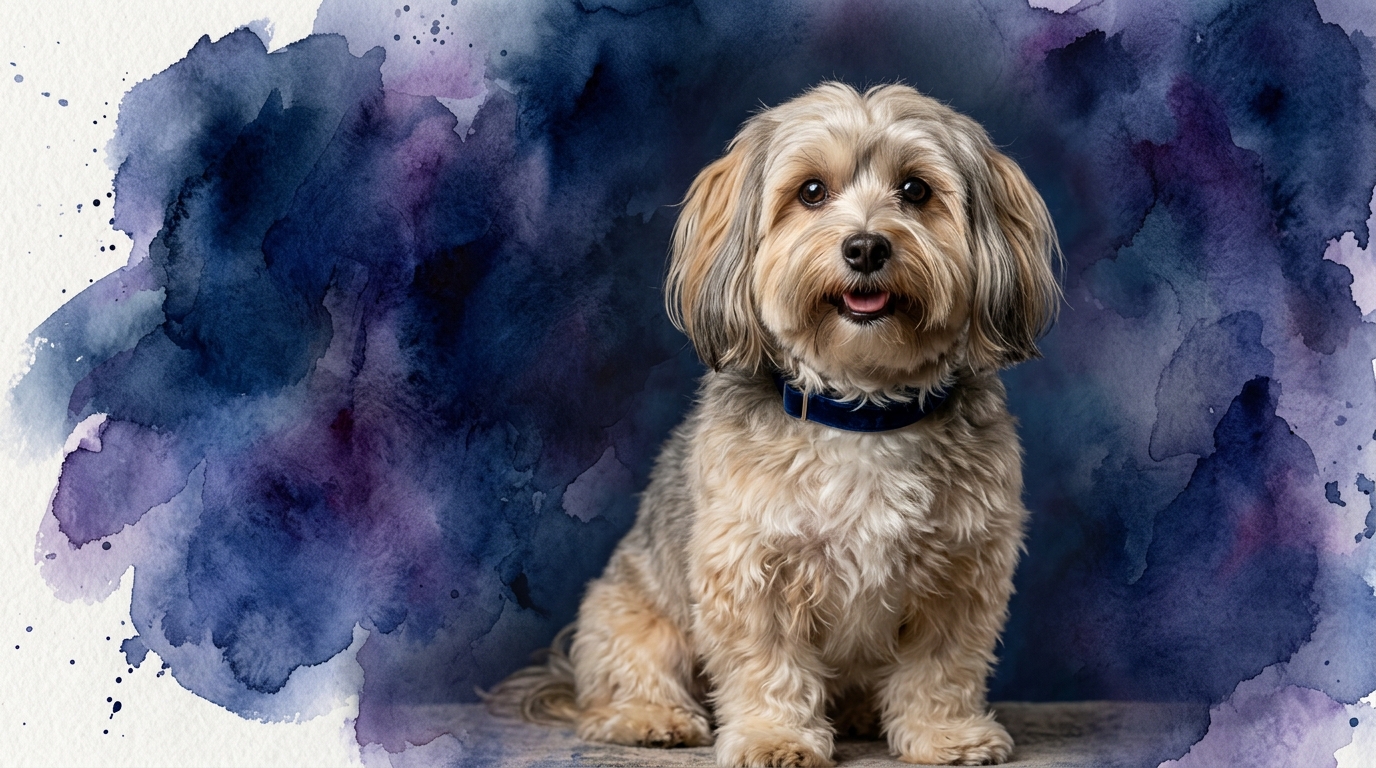
The Cosmic Pet Pet IQ Lab provides a fascinating framework for dissecting the cognitive strengths of our furry friends, offering insights beyond simple obedience. For the Havanese, a delightful Toy group member, its profile reveals a Problem Solving score of 3/5, suggesting a moderate capacity for navigating novel challenges independently. Its Training Speed is also 3/5, indicating an average pace for acquiring new commands. Where the Havanese truly shines is in Social Intelligence, earning a stellar 5/5, reflecting an exceptional ability to interpret human cues and bond. Its Instinctive Drive is a modest 2/5, meaning less intrinsic motivation for specific tasks, and Memory stands at 3/5, an average retention ability.
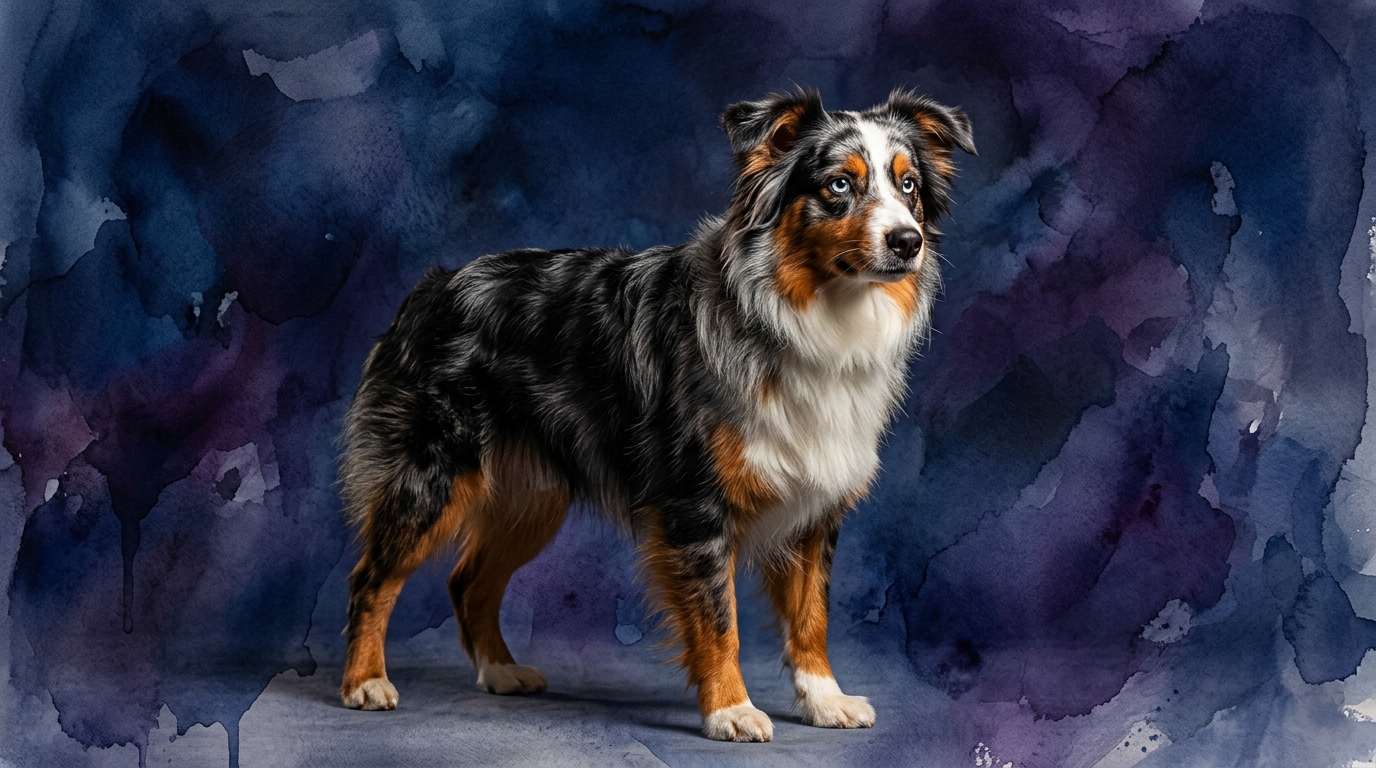
In contrast, the Miniature American Shepherd, a robust Herding group breed, presents a slightly different cognitive architecture, though sharing some common ground. It matches the Havanese with a Problem Solving score of 3/5, demonstrating a similar foundational ability to tackle new puzzles. Its Training Speed also aligns at 3/5, indicating an equivalent rate of learning. However, its Social Intelligence is rated 3/5, suggesting a solid but not extraordinary connection to human social signals. The Miniature American Shepherd's Instinctive Drive is a higher 3/5, reflecting its inherent predisposition for task-oriented behaviors, and its Memory is also 3/5, on par with the Havanese.
Where the Havanese Demonstrates Cognitive Strengths
The Havanese’s standout cognitive attribute is undoubtedly its exceptional Social Intelligence, scoring a perfect 5/5. This isn't merely about being friendly; it signifies a profound capacity to read and respond to human emotions, intentions, and subtle body language. A Havanese is often exquisitely attuned to its owner's mood, quickly adapting its behavior to provide comfort or engage in play, making it a master of harmonious household integration. This superior social acumen means they often anticipate desires, offer unsolicited affection, and thrive on deep, reciprocal relationships with their human companions, making them particularly adept at forming strong emotional bonds and navigating complex family dynamics.
Furthermore, the Havanese's lower Instinctive Drive of 2/5, while not a 'win' in a working context, translates into a significant advantage for a companion dog. This reduced inherent urge for specific tasks, like herding or guarding, means they are generally less prone to developing behavioral issues stemming from unfulfilled natural drives. Cognitively, it means their mental energy isn't constantly directed towards an innate 'job,' allowing them to be more present and flexible in a typical pet home. They are less likely to create their own 'work' through disruptive behaviors, making them cognitively simpler to integrate into a relaxed, companion-focused lifestyle where their primary role is to be a cherished family member.
Where the Miniature American Shepherd Excels Cognitively
The Miniature American Shepherd's cognitive profile highlights its strength in Instinctive Drive, rated at 3/5. This higher drive signifies an innate predisposition for purposeful activity and a focused approach to tasks, a direct legacy of its herding lineage. Unlike the Havanese, whose mental energy is primarily directed towards social connection, the Miniature American Shepherd possesses a cognitive framework geared towards engagement with its environment in a structured, often physical, manner. This drive manifests as a keenness to learn and perform 'jobs,' whether it's agility, obedience, or even simulated herding activities, making them exceptionally motivated by task completion and problem-solving within a defined framework.
While their Problem Solving and Training Speed scores match the Havanese at 3/5, the Miniature American Shepherd's higher Instinctive Drive can subtly enhance these capacities in practical scenarios. Their inherent motivation to work means that when presented with a problem, they are often more persistent and focused on finding a solution, especially if it leads to a clear outcome or reward. This drive provides an internal engine for sustained mental effort, making them formidable partners in activities requiring sustained attention and a willingness to engage with complex sequences. Their cognitive strength lies not just in their ability to solve a problem, but in their intrinsic desire to apply that ability consistently and with purpose.
Training Dynamics: Havanese vs. Miniature American Shepherd
Both breeds share a Training Speed score of 3/5, suggesting neither is inherently faster or slower at grasping new commands. However, their differing social intelligence and instinctive drives create distinct training experiences. The Havanese, with its 5/5 Social Intelligence, often appears easier to train for basic obedience and house manners due to its strong desire to please and deep attunement to human emotional states. They are highly motivated by positive reinforcement rooted in social interaction and praise, and their lower instinctive drive means fewer distractions from ingrained urges like chasing or herding, allowing them to focus more readily on the handler's directives. Their motivation often comes from maintaining harmony and connection with their person.
The Miniature American Shepherd, despite the same 3/5 Training Speed, might present a different set of challenges and opportunities. Its 3/5 Instinctive Drive means it possesses a robust internal motivation for engagement, which can be channeled effectively into training for specific tasks or sports. However, its 3/5 Social Intelligence means it might not be as inherently focused on human approval as the Havanese, sometimes requiring more structured motivation or a clear understanding of the 'why' behind a command. Their herding background can manifest as a tendency to 'manage' their environment or exhibit independent problem-solving, which, while valuable in working contexts, requires consistent guidance to prevent misdirection in a pet setting. Training a Miniature American Shepherd often benefits from making the learning process feel like a purposeful job, tapping into their desire for engagement and achievement rather than solely relying on social bonding.
Matching Breeds to Lifestyles: Active vs. Relaxed Owners
For owners seeking a relaxed, devoted companion, the Havanese is often a superb fit. Its high Social Intelligence (5/5) means it thrives on close human interaction and adapts well to a home environment where its primary 'job' is to be a cherished family member. Their moderate Problem Solving (3/5) and Training Speed (3/5) mean they enjoy interactive games and learning tricks but don't demand constant, intense mental challenges. Crucially, their low Instinctive Drive (2/5) translates to a relatively lower need for strenuous physical activity or a specific 'job' to feel fulfilled, making them content with regular walks, indoor play, and plenty of cuddle time. They are ideal for individuals or families who value a deeply connected companion and a generally calm household.
Conversely, the Miniature American Shepherd's cognitive profile aligns more closely with active and engaged owners. Their elevated Instinctive Drive (3/5) means they possess a natural desire for purposeful activity, whether it's participating in dog sports like agility, obedience, or rally, or engaging in extensive outdoor adventures. While their Social Intelligence (3/5) is solid, they are not purely content with being a lap dog; they require mental stimulation that taps into their problem-solving abilities (3/5) and provides an outlet for their inherent drive. Owners who enjoy training, providing structured tasks, and sharing an active lifestyle will find the Miniature American Shepherd a rewarding partner, as their cognitive makeup thrives on consistent engagement and a 'job' to do.
The Verdict: When to Choose Each Companion
The Verdict
Choose a Havanese if you prioritize a deeply socially connected companion that thrives on close human interaction and requires less intense physical or task-oriented mental engagement. Their exceptional social intelligence makes them masters of harmonious living and emotional support.
Opt for a Miniature American Shepherd if you lead an active lifestyle and are eager to provide consistent mental and physical challenges, channeling their purposeful drive. They are ideal for owners who enjoy training for specific activities and value a dog with a strong work ethic.
🧠 Find Your Pet's IQ Score
Our Pet IQ Lab assessment covers 25+ tests across 5 cognitive dimensions — personalized to your breed.
Take the Full IQ Test →Frequently Asked Questions
Do Havanese and Miniature American Shepherds learn tricks at the same pace?
Based on their shared Training Speed score of 3/5, both breeds possess a similar foundational capacity for learning new tricks. However, the Havanese's higher social intelligence might make them appear more eager to engage in trick training due to their strong desire to please, while the Miniature American Shepherd might excel with tricks that feel more purposeful or task-oriented.
How does social intelligence impact daily life for these breeds?
A Havanese's 5/5 Social Intelligence means they are exceptionally attuned to human emotions and cues, often adapting their behavior to fit family dynamics, making them highly intuitive companions. A Miniature American Shepherd's 3/5 Social Intelligence indicates a solid connection but suggests they might be more independent in their daily interactions, requiring clearer communication rather than relying on subtle emotional cues.
Are Havanese or Miniature American Shepherds better for first-time dog owners?
The Havanese, with its high social intelligence and lower instinctive drive, is often more forgiving and adaptable for first-time owners seeking a devoted companion. The Miniature American Shepherd's higher drive and need for structured mental and physical engagement can be more demanding, potentially requiring more experience to manage effectively, especially if their herding instincts are not properly channeled.