Side-by-Side IQ Profile: Havanese vs. Redbone Coonhound
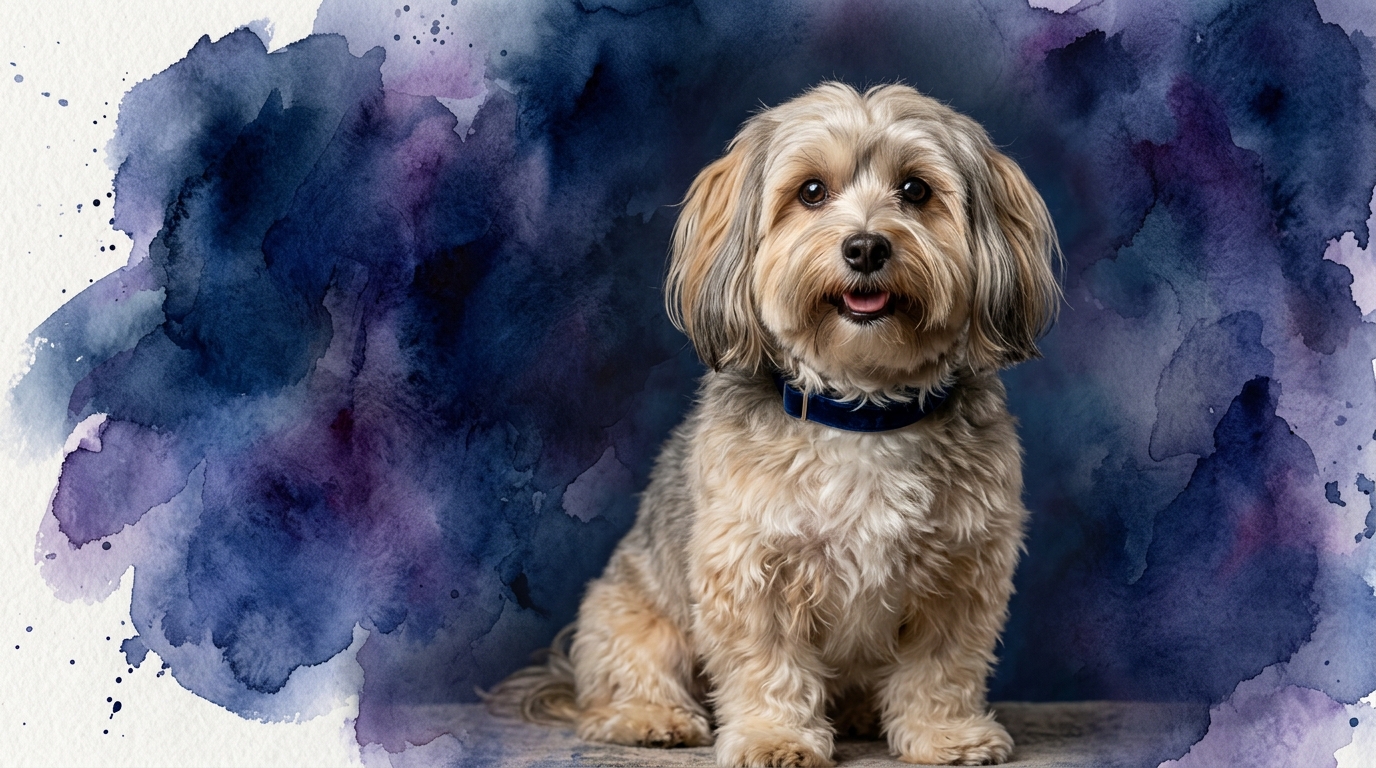
At The Cosmic Pet Pet IQ Lab, we evaluate canine cognition across five key dimensions, revealing the unique mental makeup of each breed. For the Havanese, a Toy group dog, we observe a balanced cognitive profile with a standout social aptitude. Their Problem Solving is rated 3/5, indicating a moderate capacity for navigating novel challenges, often employing observational learning and trial-and-error to figure out simple puzzles or how to access desired objects. Their approach is typically adaptable rather than intensely focused on complex, multi-step solutions. Training Speed also sits at 3/5, meaning these dogs exhibit a moderate pace in acquiring new commands and routines. Their responsiveness is generally good, especially when training is engaging and reward-based, reflecting a willingness to cooperate without being exceptionally quick to generalize new behaviors across different contexts. Social Intelligence is where the Havanese truly shines, displaying an exceptional ability (5/5) to interpret human cues, emotions, and intentions. They are highly attuned to their family's moods, readily forming strong emotional bonds and adapting their behavior to fit social situations, making them excellent companions. Their Instinctive Drive is relatively low at 2/5, meaning their natural predispositions for activities like hunting, tracking, or guarding are not prominent; their motivation primarily stems from social interaction and companionship. Memory for the Havanese is rated 3/5, allowing them to retain learned commands, routines, and experiences over time, recalling familiar faces and basic training cues with consistent reinforcement.
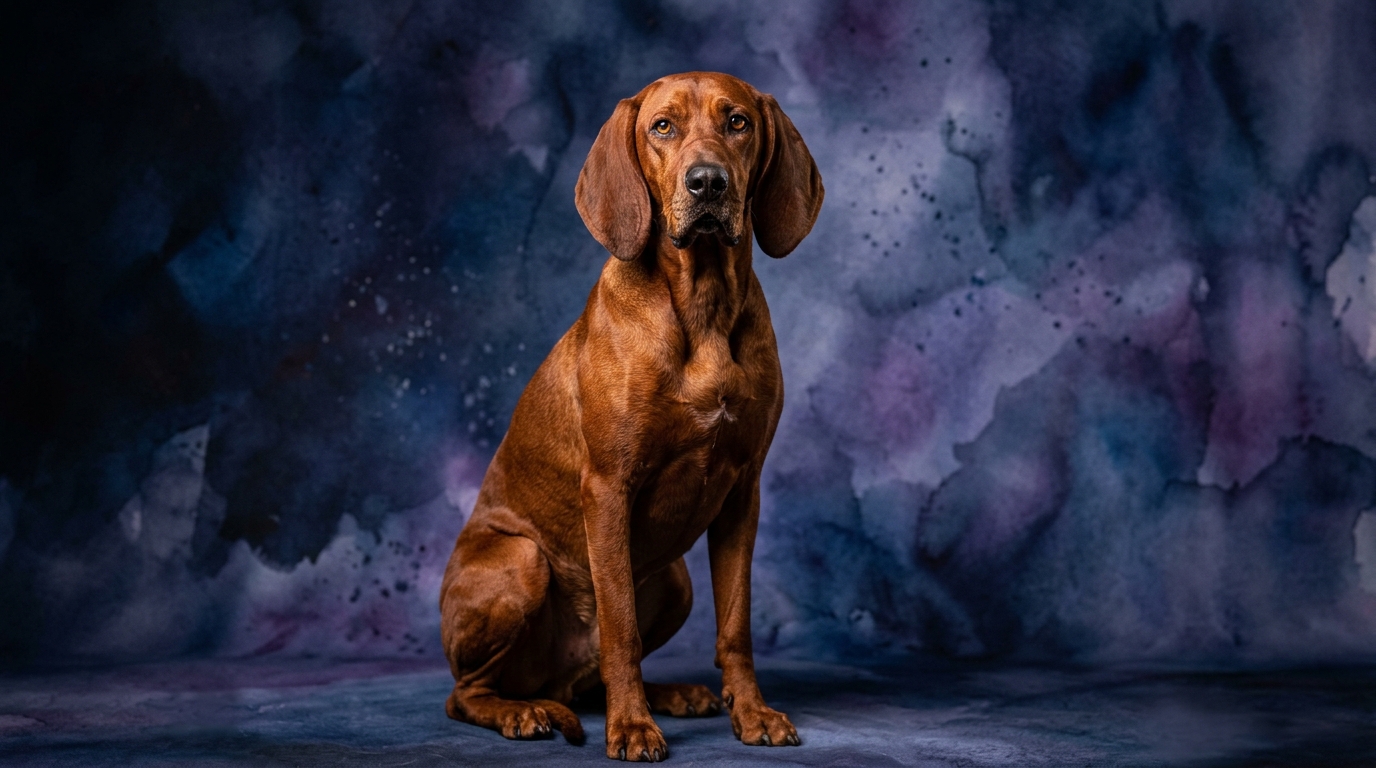
The Redbone Coonhound, a member of the Hound group, presents a cognitive profile shaped by its working heritage, emphasizing different strengths while sharing some common ground with the Havanese. Their Problem Solving capacity is also 3/5, capable of figuring out how to overcome obstacles to achieve a goal, particularly when it involves scent-related tasks. Their solutions often revolve around persistence and utilizing their primary senses rather than abstract reasoning. Training Speed, like the Havanese, is 3/5; Redbones show a moderate pace in learning commands effectively, but their progress is often influenced by their strong instinctive drives, requiring consistency and motivation that taps into their natural inclinations. Social Intelligence for the Redbone Coonhound is 3/5. While they form strong bonds with their families, their primary focus can often be on their environment and sensory input rather than solely on human emotional nuances, making them sociable but perhaps not as exquisitely attuned to subtle human cues as some companion breeds. Their Instinctive Drive is 3/5, a moderate yet significant score, meaning Redbone Coonhounds are naturally inclined towards activities like tracking, trailing, and vocalizing. This drive is a core part of their identity, motivating them to explore scents and engage in purposeful work, which can manifest as persistent focus on a target odor. Finally, their Memory is 3/5, allowing them to recall learned behaviors, specific scent trails, and familiar territories, remembering training cues and routines, especially those associated with their working roles.
Where the Havanese Wins Cognitively
The Havanese demonstrates a clear cognitive advantage in the realm of social intelligence, scoring a perfect 5/5 compared to the Redbone Coonhound's 3/5. This elevated capacity means the Havanese is exceptionally skilled at reading and responding to human emotions, body language, and vocal inflections. They possess an innate ability to connect with their human companions on a profound level, often anticipating needs or reacting sensitively to changes in mood. This manifests as a dog that readily seeks eye contact, offers comfort, and adapts its play or rest according to the household's rhythm. Their lower instinctive drive (2/5) further supports this social focus, as they are less distracted by external environmental stimuli like scents or distant movements, allowing them to channel more mental energy into human-centric interactions and bonding. This makes them particularly adept at navigating complex social dynamics within a family or adapting seamlessly to new people and situations, relying on their understanding of social cues rather than independent exploration.
Where the Redbone Coonhound Wins Cognitively
Conversely, the Redbone Coonhound holds a distinct cognitive edge in instinctive drive, registering a 3/5 compared to the Havanese's 2/5. This stronger intrinsic motivation for specific tasks, particularly scent-related work, means the Redbone possesses a robust mental framework geared towards purposeful activity. While both breeds share a 3/5 in problem-solving, the Redbone's problem-solving often manifests through persistent application of their senses to achieve an objective, such as unraveling a complex scent trail. Their cognitive processes are deeply intertwined with their heritage as tracking dogs, enabling them to maintain sustained focus on a task even when faced with distractions that might deter other breeds. This drive translates into an unwavering commitment to exploring and understanding their environment through scent, a cognitive strength that is less pronounced in the Havanese. This persistent, goal-oriented mental energy makes them highly effective in roles requiring sustained attention to a specific sensory input, demonstrating a different kind of cognitive tenacity.
Which is Easier to Train and Why
Determining which breed is 'easier' to train hinges significantly on an owner's definition of training and their capacity to leverage each breed's inherent cognitive strengths. The Havanese, with its superior social intelligence (5/5) and lower instinctive drive (2/5), often presents as more amenable to traditional obedience training. Their deep desire to please and their acute sensitivity to human feedback mean they are highly motivated by positive reinforcement and social praise, making them quick to understand what is expected. They are less likely to be sidetracked by environmental stimuli, allowing for more focused training sessions. For instance, teaching a Havanese 'stay' in a busy park might be less challenging because their primary focus remains on their handler. In contrast, the Redbone Coonhound, while sharing a 3/5 training speed, possesses only moderate social intelligence (3/5) and a stronger instinctive drive (3/5). This means their attention can be powerfully captivated by a compelling scent, often overriding learned commands, especially in outdoor settings. Training a Redbone requires a deeper understanding of their drive, channeling it into productive activities like scent work rather than trying to suppress it entirely. Recall, for example, can be a lifelong training endeavor for a Redbone if a captivating trail beckons. Therefore, while both can learn, the Havanese typically offers a more straightforward and responsive training experience for general companionship, whereas training a Redbone demands more creativity, patience, and an owner prepared to work *with* their powerful instincts.
Which Suits Active Owners vs. Relaxed Owners
The Havanese and Redbone Coonhound cater to distinctly different owner lifestyles, largely dictated by their cognitive profiles. The Havanese, characterized by its low instinctive drive (2/5) and exceptional social intelligence (5/5), is an ideal fit for relaxed owners who prioritize companionship and indoor engagement. While they certainly enjoy walks and playtime, their mental stimulation primarily arises from interacting with their human family, learning tricks, or participating in quiet observation. They are content with moderate daily exercise and thrive in environments where they are central to family life, providing constant emotional connection. Their low drive means they are less inclined to create their own 'work' through destructive behaviors if their physical needs are met with regular, gentle activity. Conversely, the Redbone Coonhound, with its moderate instinctive drive (3/5), is inherently suited for active owners. These dogs possess a deep-seated need for purposeful activity, especially those involving scent work or sustained physical exertion. An active owner who enjoys hiking, trail running, or participates in dog sports like tracking or agility will find a highly engaged and satisfied partner in a Redbone. A relaxed owner might struggle to meet the Redbone's cognitive and physical demands, potentially leading to a frustrated dog who invents its own energetic outlets, such as persistent vocalization or exploring beyond boundaries, due to unfulfilled natural drives.
The Verdict
Opt for a Havanese if you seek a highly interactive, emotionally perceptive companion deeply attuned to family life, thriving on social connection and moderate activity.
Select a Redbone Coonhound if you desire an energetic partner for outdoor adventures and scent work, capable of sustained focus and requiring purposeful engagement for a fulfilling life.
🧠 Find Your Pet's IQ Score
Our Pet IQ Lab assessment covers 25+ tests across 5 cognitive dimensions — personalized to your breed.
Take the Full IQ Test →Frequently Asked Questions
Does a Havanese's high social intelligence make them more prone to separation anxiety?
A Havanese's exceptional social intelligence means they form very strong bonds and deeply value human presence, which can indeed make them more susceptible to separation distress if not managed through proper training and gradual independence building. Their cognitive wiring makes them highly sensitive to their owner's absence.
Can a Redbone Coonhound excel in non-scent-related dog sports despite its strong instinctive drive?
Yes, a Redbone Coonhound can certainly excel in other dog sports like agility or obedience, provided the training effectively channels their moderate instinctive drive and persistence. Success often comes from making the sport feel like a purposeful 'job' that taps into their work ethic and focus.
How do both breeds compare in terms of adaptability to new environments or routines?
The Havanese, with its high social intelligence, generally adapts well to new environments when its human family is present and providing reassurance, as it relies on social cues. The Redbone Coonhound, while adaptable, might take longer to settle into new routines, especially if they interrupt established scent-related activities or exercise patterns, due to its moderate instinctive drive influencing its perception of its surroundings.