
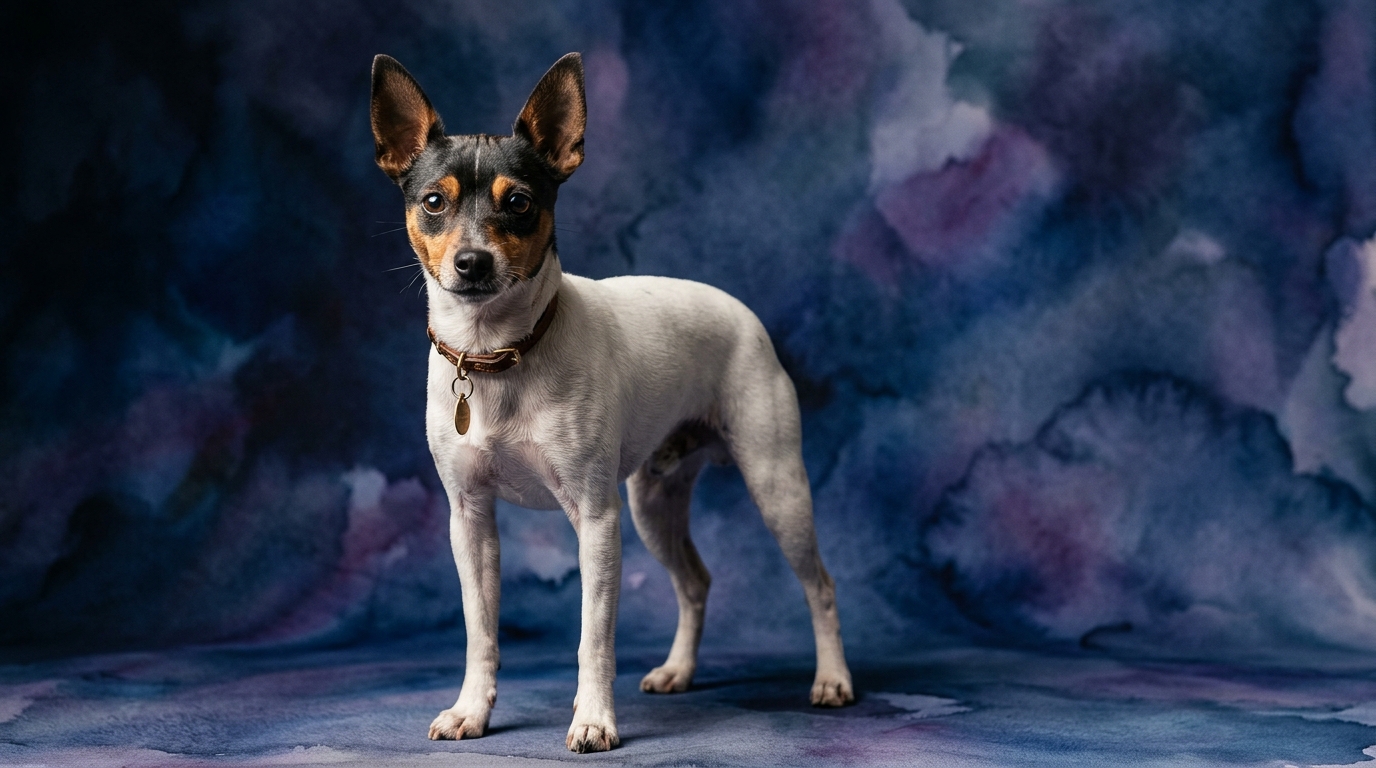
Side-by-Side IQ Profile
The Cosmic Pet Pet IQ Lab provides a nuanced framework for understanding canine cognition, evaluating five key dimensions. For the Havanese and the Toy Fox Terrier, both engaging Toy breeds not ranked by Coren, these dimensions reveal unique strengths.
The Havanese presents a profile marked by exceptional interpersonal connection. Their Problem Solving score of 3/5 indicates a moderate aptitude for navigating novel situations and figuring out solutions to environmental puzzles. Training Speed, also at 3/5, suggests they learn new commands and routines at a steady, average pace. Where the Havanese truly shines is in Social Intelligence, earning a perfect 5/5. This signifies an extraordinary capacity for understanding human emotions, intentions, and communication cues, making them deeply empathetic and responsive companions. Their Instinctive Drive is lower at 2/5, meaning they possess less innate impulse for tasks like hunting or guarding, and are more geared towards companionship. Finally, a Memory score of 3/5 indicates a solid ability to recall learned behaviors and past experiences.
In contrast, the Toy Fox Terrier offers a more balanced, distinct cognitive blend. They share the Havanese's Problem Solving score of 3/5, suggesting a similar ability to tackle moderate cognitive challenges. Their Training Speed also stands at 3/5, indicating a comparable rate of learning new skills. The most notable difference lies in Social Intelligence, where the Toy Fox Terrier scores 3/5. While capable of forming strong bonds, they are not quite as overtly attuned to subtle human emotional states as the Havanese. Their Instinctive Drive is rated 3/5, a point higher than the Havanese, pointing to a more pronounced natural inclination for chasing, digging, and exploring with purpose, reflecting their terrier heritage. Like the Havanese, their Memory is 3/5, allowing them to retain training and experiences reliably.
Where Havanese Wins Cognitively
The Havanese's unparalleled strength in Social Intelligence (5/5) is its defining cognitive advantage. This isn't just about being friendly; it's a deep-seated capacity to interpret complex human signals, from subtle shifts in facial expression to vocal inflections and body language. A Havanese can often anticipate an owner’s mood or desire before a command is even given, responding not just to words but to the underlying emotional context. This exceptional attunement fosters an incredibly tight bond, making them highly responsive to praise, affection, and gentle correction. They thrive on reciprocal interaction, often initiating play or seeking comfort when they sense their human needs it. This cognitive trait means they are inherently motivated by connection and approval, making them intuitive partners in daily life. Their lower Instinctive Drive further supports this, as their attention is less diverted by external environmental stimuli and more focused on the dynamics within their human family.
Where Toy Fox Terrier Wins Cognitively
While the Havanese excels in social attunement, the Toy Fox Terrier's cognitive edge lies in its more robust Instinctive Drive (3/5). This higher score, compared to the Havanese’s 2/5, signifies a greater innate curiosity and a more pronounced drive for exploration and engagement with the physical world. This isn't necessarily about outsmarting the Havanese in problem-solving (where their scores are equal), but about a different kind of intelligence—one that motivates them to investigate, chase, and interact with objects and environments with more persistence. A Toy Fox Terrier might be more adept at figuring out how to retrieve a toy from under furniture or persistently digging at a scent, driven by an internal motivation rather than solely human prompting. This drive translates into a spirited independence, allowing them to entertain themselves more readily and approach new situations with a bold, inquisitive spirit. Their cognitive strength here lies in their self-directed engagement and tenacity, reflecting their terrier lineage and a certain practicality in their approach to the world.
Which Is Easier to Train and Why
Both the Havanese and the Toy Fox Terrier share a Training Speed score of 3/5, suggesting they absorb new information at a moderate pace. However, the ease of training can differ significantly due to their other cognitive dimensions. For the Havanese, training often feels more intuitive because of their exceptional Social Intelligence (5/5). They are highly motivated by the desire to please their human companions and keenly read feedback, making them eager participants in training sessions. Their strong bond and sensitivity mean they respond well to positive reinforcement, with a gentle, consistent approach usually yielding quick results for basic obedience. They are less likely to be distracted by external stimuli, preferring to focus on their human.
The Toy Fox Terrier, while equally capable of learning, might present different training challenges. Their Instinctive Drive (3/5) means they can be more easily distracted by interesting sights or smells, potentially making them less focused during sessions in stimulating environments. Their Social Intelligence (3/5) is good, but they possess a more independent streak than the Havanese. This means they might require more creative and engaging training methods to capture and hold their attention. Consistency, clear expectations, and incorporating elements that appeal to their terrier nature—like short, fun sessions involving chase or discovery—will be key to effective training. Their internal motivations might sometimes override compliance if something more exciting presents itself.
Which Suits Active Owners vs Relaxed Owners
The cognitive profiles of the Havanese and Toy Fox Terrier offer distinct matches for varying owner lifestyles. The Havanese, with its superior Social Intelligence and lower Instinctive Drive, is an ideal companion for more relaxed owners who prioritize constant companionship and emotional connection. While they enjoy gentle play and walks, their primary need is for consistent human presence and interaction. They thrive in environments where they are deeply integrated into family life, offering and receiving affection. Their cognitive makeup means they are content with indoor activities and quiet cuddles, as long as they are not left alone for extended periods. They are less about high-energy physical exertion and more about rich, continuous social engagement.
Conversely, the Toy Fox Terrier, with its balanced cognitive profile and higher Instinctive Drive, is better suited for owners who enjoy a more active and structured engagement. Their terrier spirit means they appreciate opportunities for purposeful activity, whether it's brisk walks, agility courses, or interactive games that mimic hunting behaviors. They possess the mental and physical stamina for more dynamic outings and can benefit from owners who channel their curiosity and drive into structured tasks. While affectionate, their need for mental and physical stimulation is more pronounced. An active owner providing consistent training, varied experiences, and outlets for their natural instincts will find a highly engaged companion.
The Verdict
Choose a Havanese if you seek a deeply empathetic, highly social companion who thrives on constant connection and gentle interaction, valuing emotional attunement above all else. They are ideal for owners who are frequently home and desire a dog whose primary motivation is reciprocal affection and companionship.
Choose a Toy Fox Terrier if you appreciate a spirited, inquisitive companion with a pronounced drive for engagement and exploration, and you can provide structured activities to channel their natural instincts. They suit owners who enjoy an active lifestyle and are willing to engage in consistent, stimulating training and play.
🧠 Find Your Pet's IQ Score
Our Pet IQ Lab assessment covers 25+ tests across 5 cognitive dimensions — personalized to your breed.
Take the Full IQ Test →Frequently Asked Questions
Do Havanese or Toy Fox Terriers bark more?
While both breeds can be vocal, the Havanese's high social intelligence means they might bark more out of separation anxiety or to communicate their needs for attention. The Toy Fox Terrier's higher instinctive drive might lead to more alert barking at perceived intruders or sounds, driven by their territorial nature.
Are Havanese or Toy Fox Terriers better with children?
The Havanese, with its exceptional social intelligence and gentle nature, often adapts well to considerate children, forming strong bonds and tolerating interactions with patience. Toy Fox Terriers, while affectionate, might be less tolerant of rough play due to their independent spirit and smaller size, requiring careful supervision with younger children.
Which breed is more adaptable to different living situations?
Both breeds are adaptable to apartment living given their size. The Havanese's primary need for companionship means it adapts well as long as its human is present. The Toy Fox Terrier, with its higher drive, will adapt better if its living situation includes regular opportunities for mental and physical stimulation through walks, play, or structured activities.