Side-by-Side IQ Profile: Unpacking Identical Scores
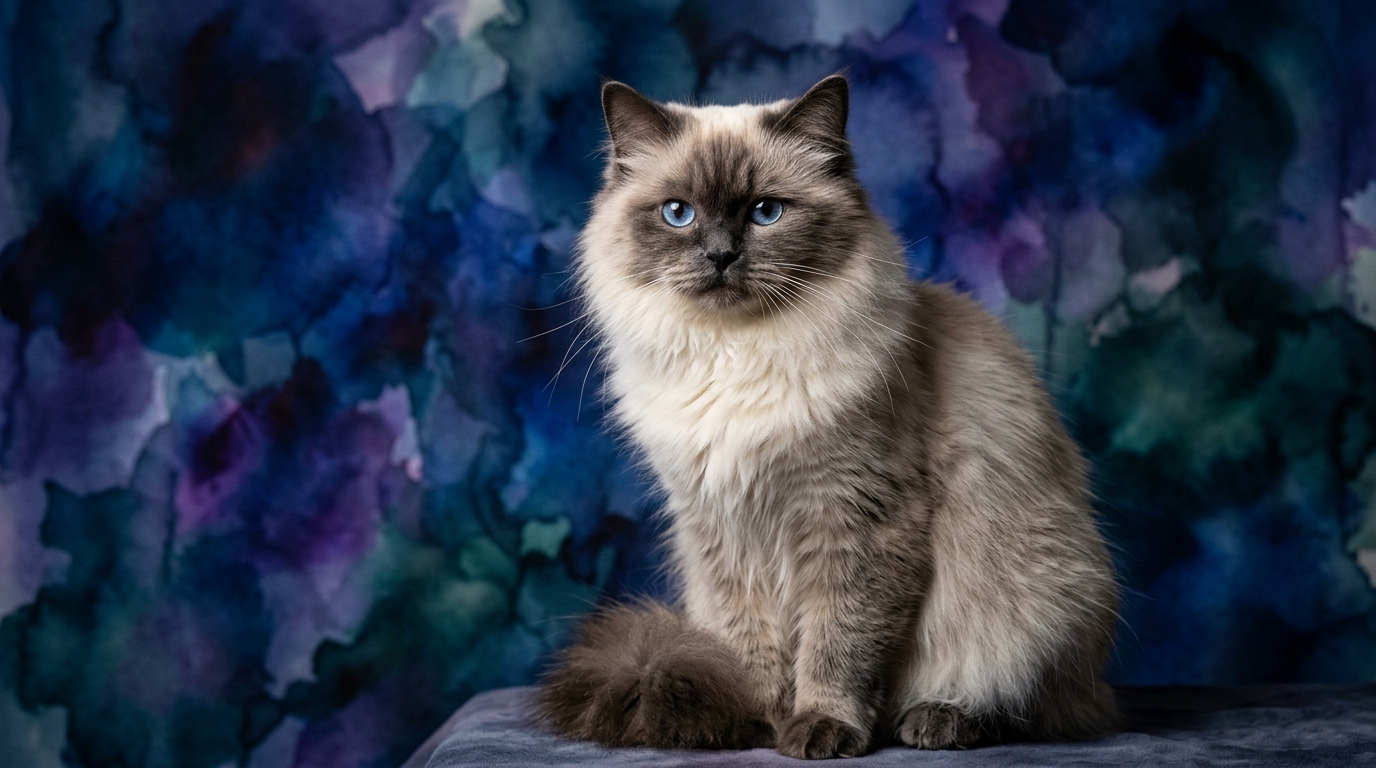
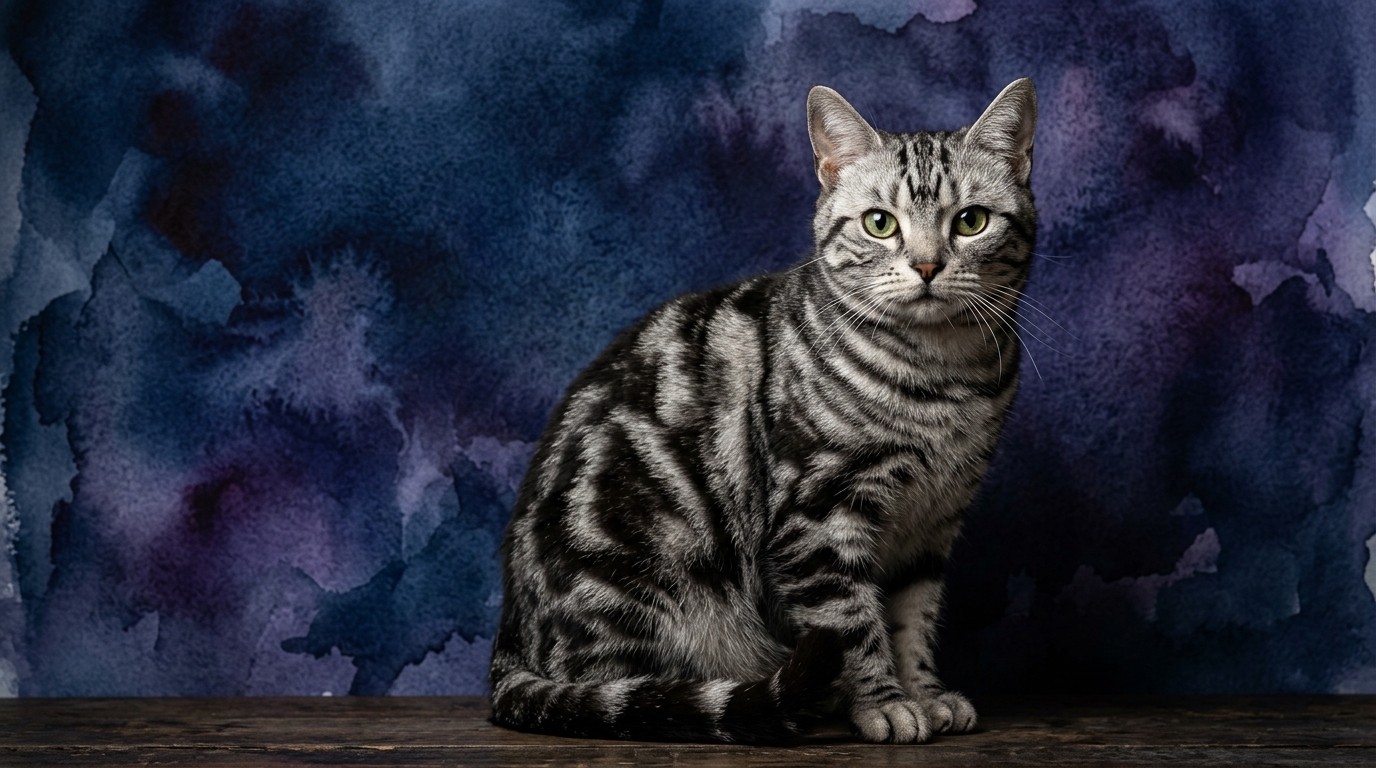
At The Cosmic Pet Pet IQ Lab, both the Himalayan and the American Shorthair register a consistent 3/5 across all five measured cognitive dimensions. While the numerical score is identical, the manifestation of these abilities differs significantly, shaped by their breed-specific traits and predispositions. Understanding these subtle distinctions is key to appreciating their individual cognitive styles.
**Problem Solving (3/5):** The Himalayan, with its placid and contemplative nature, approaches problem-solving with a thoughtful, often methodical pace. They are capable of deciphering familiar household puzzles, such as opening a favorite treat jar or navigating a known obstacle course to reach a preferred napping spot. Their motivation for solving problems often aligns with comfort or established routines, and they typically prefer a calm, predictable environment to engage their cognitive faculties. In contrast, the American Shorthair, also at 3/5, exhibits a more pragmatic and adaptable problem-solving style. They are observant and often quicker to experiment with different approaches to achieve a goal, like figuring out how to access a new perch or retrieve a toy from a tight space. Their problem-solving is often driven by a balanced curiosity and a desire for engagement, making them effective at adjusting to novel situations within their environment.
**Training Speed (3/5):** For the Himalayan, a 3/5 in Training Speed indicates a receptiveness to learning, particularly when training is approached with patience, gentleness, and positive reinforcement. They respond well to consistent routines and enjoy the quiet companionship training can offer, making them capable of learning basic commands or litter box protocols with relative ease. However, their independent streak means they may require more consistent, calm repetition to solidify new behaviors. The American Shorthair’s 3/5 Training Speed manifests as a cooperative and generally eager-to-please attitude. They are often quick to grasp new concepts and enjoy interactive training sessions that incorporate play and mental stimulation. Their adaptable nature means they can pick up a wider range of tricks or commands, provided the training is engaging and consistent, often showing a slightly quicker uptake in varied environments.
**Social Intelligence (3/5):** The Himalayan’s 3/5 Social Intelligence reflects a deep, yet often reserved, affection for their chosen family members. They are perceptive about human moods and routines, often providing quiet companionship or seeking gentle interaction. Their social cues can be subtle, relying on proximity and soft purrs rather than overt demands for attention. They tend to form strong bonds with a select few and can be wary of strangers, processing new social inputs cautiously. The American Shorthair, also at 3/5, displays a more outwardly friendly and adaptable social intelligence. They are generally outgoing and enjoy interacting with family members, guests, and even other pets. Their ability to read and respond to various social cues makes them well-adjusted in diverse household dynamics, and they readily engage in play or cuddle sessions, adapting their social approach to different individuals.
**Instinctive Drive (3/5):** A 3/5 Instinctive Drive in the Himalayan typically translates to a moderate expression of predatory behaviors, often content with engaging in short, focused play sessions with feather wands or laser pointers. Their hunting instincts are present but usually well-integrated into a comfortable indoor lifestyle, manifesting as playful pounces rather than intense, sustained pursuit. They retain a keen awareness of their surroundings but are not typically driven by a relentless need to explore or hunt. The American Shorthair, also scoring 3/5, demonstrates a robust yet manageable instinctive drive. They possess a strong natural curiosity and enjoy exploring their territory, whether indoors or in a safe outdoor enclosure. Their predatory instincts are more pronounced than the Himalayan’s, often leading to enthusiastic games of chase and pounce, and they benefit from regular interactive play that mimics hunting scenarios to satisfy this inherent drive.
**Memory (3/5):** Both breeds share a 3/5 Memory score, but its application again varies. The Himalayan's memory is robust for routines, remembering preferred napping spots, meal times, and the specific individuals who provide comfort and care. They excel at recalling established patterns and environments, which contributes to their sense of security and well-being. Any deviation from routine might be noted, but not necessarily cause distress unless significant. The American Shorthair’s 3/5 Memory is characterized by its practical application; they quickly learn and recall household boundaries, the location of favorite toys, and the schedules of family members. Their memory is also strong for positive and negative associations, allowing them to adapt their behavior based on past experiences, and they readily remember individuals who have offered pleasant interactions or playtime.
Where the Himalayan Wins Cognitively
The Himalayan's cognitive strengths lie in their capacity for focused, calm processing within a stable environment. Their thoughtful Problem Solving, while not rapid, allows them to meticulously work through challenges that require patience and observation, especially when comfort or routine is the reward. Their subtle Social Intelligence excels in forming deep, nuanced bonds, making them exceptionally attuned to the emotional states and needs of their primary caregivers, often anticipating desires without overt cues. This breed's memory for routine and consistency contributes to their serene disposition, making them masters of a predictable and harmonious household.
Their gentle nature also means their Instinctive Drive, while present, is less disruptive, allowing for a more harmonious coexistence without constant demands for high-energy play. This thoughtful, measured approach to their environment and social interactions allows them to 'win' in situations where quiet companionship and a stable, predictable presence are valued most. They process their world with a gentle intensity, absorbing and reflecting the calm energy of their surroundings.
Where the American Shorthair Wins Cognitively
The American Shorthair's cognitive advantages stem from their remarkable adaptability and balanced curiosity. Their practical Problem Solving allows them to quickly assess and adjust to new situations, making them excellent at navigating changing household dynamics or novel enrichment activities. This breed’s Social Intelligence shines in its versatility; they are adept at engaging with a wider range of personalities and integrating seamlessly into multi-pet households, demonstrating a fluid understanding of varied social cues. Their Training Speed benefits from their eagerness to engage and their cooperative spirit, often making them quicker to pick up new tricks or commands in diverse settings.
Furthermore, their robust Instinctive Drive means they possess a natural zest for exploration and play, which translates into a cognitive 'win' for owners seeking an interactive companion who thrives on mental and physical stimulation. They excel at applying their memory to learn and adapt to new rules or boundaries swiftly, making them highly responsive and easy to integrate into various lifestyles. The American Shorthair's balanced intelligence allows them to thrive in dynamic environments, demonstrating a practical acumen that serves them well in a bustling home.
Which is Easier to Train and Why
While both breeds score 3/5 in Training Speed, the American Shorthair generally presents as slightly easier to train for a broader range of activities, largely due to behavioral differences. The American Shorthair's inherent curiosity and adaptable nature make them more inclined to view training as an engaging game or a pleasant interaction. They often possess a stronger desire for active participation and are less likely to be deterred by minor changes in routine or environment during a training session. Their practical memory allows them to quickly associate actions with rewards, solidifying learned behaviors efficiently, and they respond well to varied positive reinforcement, from treats to interactive play.
The Himalayan, while receptive, can be more sensitive to environmental changes and may require a more consistent, calm, and patient approach. Their independent streak means they might only engage if they perceive a direct benefit or if the training aligns with their desire for quiet companionship. They thrive on routine, so once a training regimen is established, they can learn effectively, but introducing novel commands or environments might require more gentle persuasion and repetition than with an American Shorthair. Their training success often hinges on the owner's ability to create a serene and predictable learning environment.
Which Suits Active Owners vs. Relaxed Owners
For owners with a more relaxed lifestyle, seeking a serene and contemplative companion, the Himalayan is often an ideal match. Their moderate Instinctive Drive and thoughtful Problem Solving mean they are content with less intense play sessions and prefer a predictable, calm home environment. Their social intelligence fosters deep, quiet bonds, making them perfect lap cats who enjoy gentle affection and observing the household from a comfortable perch. They don't typically demand constant attention or vigorous activity, fitting seamlessly into a tranquil routine, and their strong memory for daily patterns contributes to their overall contentment in a stable setting.
Conversely, active owners who enjoy engaging with their pets through interactive play, puzzles, and even harness training will find the American Shorthair more aligned with their lifestyle. Their robust Instinctive Drive and practical Problem Solving make them enthusiastic participants in varied activities, from chasing toys to exploring new spaces. Their adaptable Social Intelligence allows them to thrive in dynamic households with more frequent guest interactions or other pets. They benefit from regular mental and physical stimulation, making them a joyful companion for those who appreciate a more involved, playful, and responsive feline presence.
The Verdict
Choose the Himalayan if you seek a calm, thoughtful companion who thrives on routine and offers deep, quiet affection, perfectly complementing a relaxed, stable home environment.
Opt for the American Shorthair if you desire an adaptable, curious, and playful cat who enjoys interactive engagement and integrates smoothly into a more dynamic, active household.
🧠 Find Your Pet's IQ Score
Our Pet IQ Lab assessment covers 25+ tests across 5 cognitive dimensions — personalized to your breed.
Take the Full IQ Test →Frequently Asked Questions
Do identical IQ scores mean these breeds are exactly the same cognitively?
No, identical IQ scores indicate similar overall capacity in specific dimensions, but the *way* that intelligence manifests can differ significantly. Temperament, breed history, and physical traits all influence how a cat applies its cognitive abilities in daily life, leading to distinct behavioral profiles despite shared scores.
Can a Himalayan learn tricks as well as an American Shorthair?
Both breeds are capable of learning tricks, but their motivation and pace may differ. Himalayans can learn effectively with consistent, gentle methods in a calm environment, while American Shorthairs might pick up tricks more quickly due to their adaptable nature and eagerness for interactive engagement, especially if training is presented as a fun game.
Which breed is better with children or other pets?
The American Shorthair's adaptable social intelligence often makes them a more versatile choice for households with children or other pets, as they are generally more outgoing and tolerant. The Himalayan, while affectionate, tends to be more reserved and prefers a quieter environment, often forming stronger bonds with a select few and potentially being more sensitive to the boisterousness of young children or energetic animals.