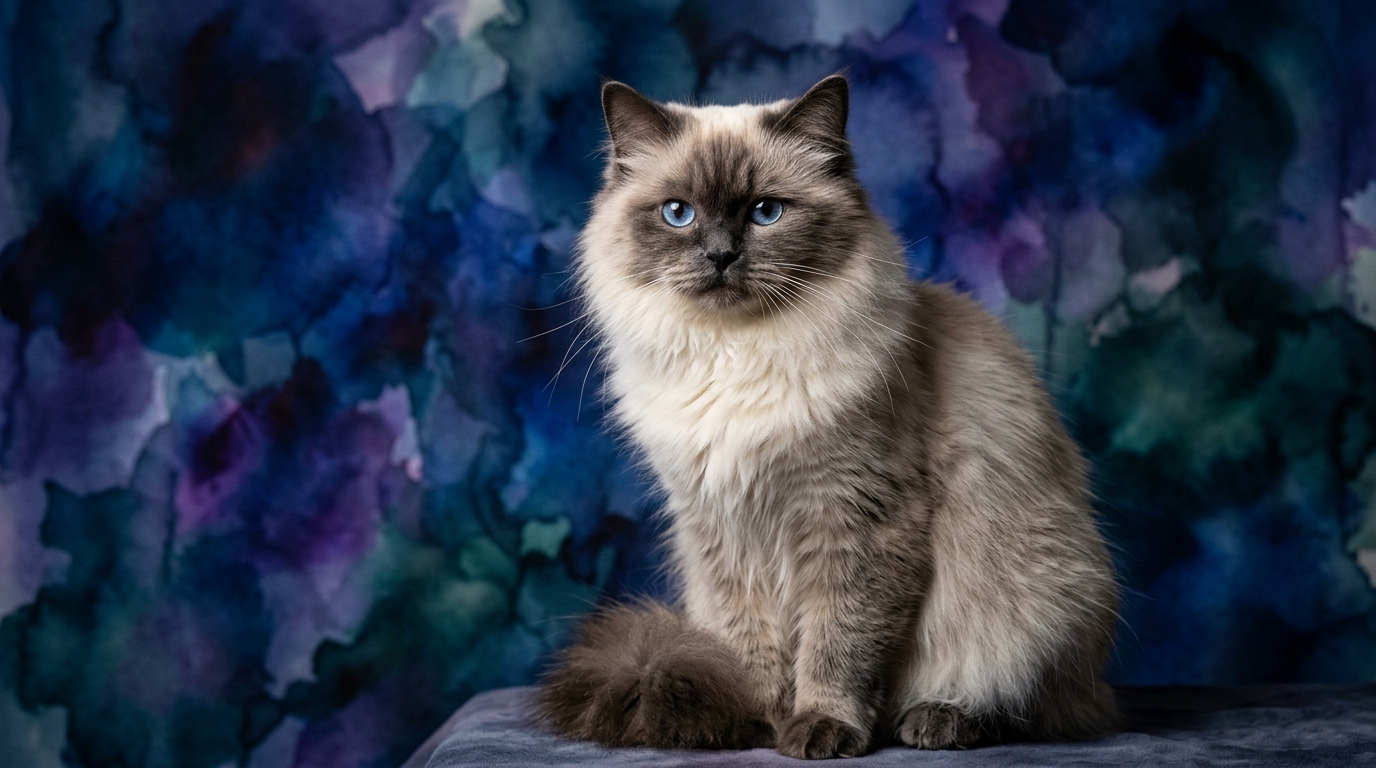
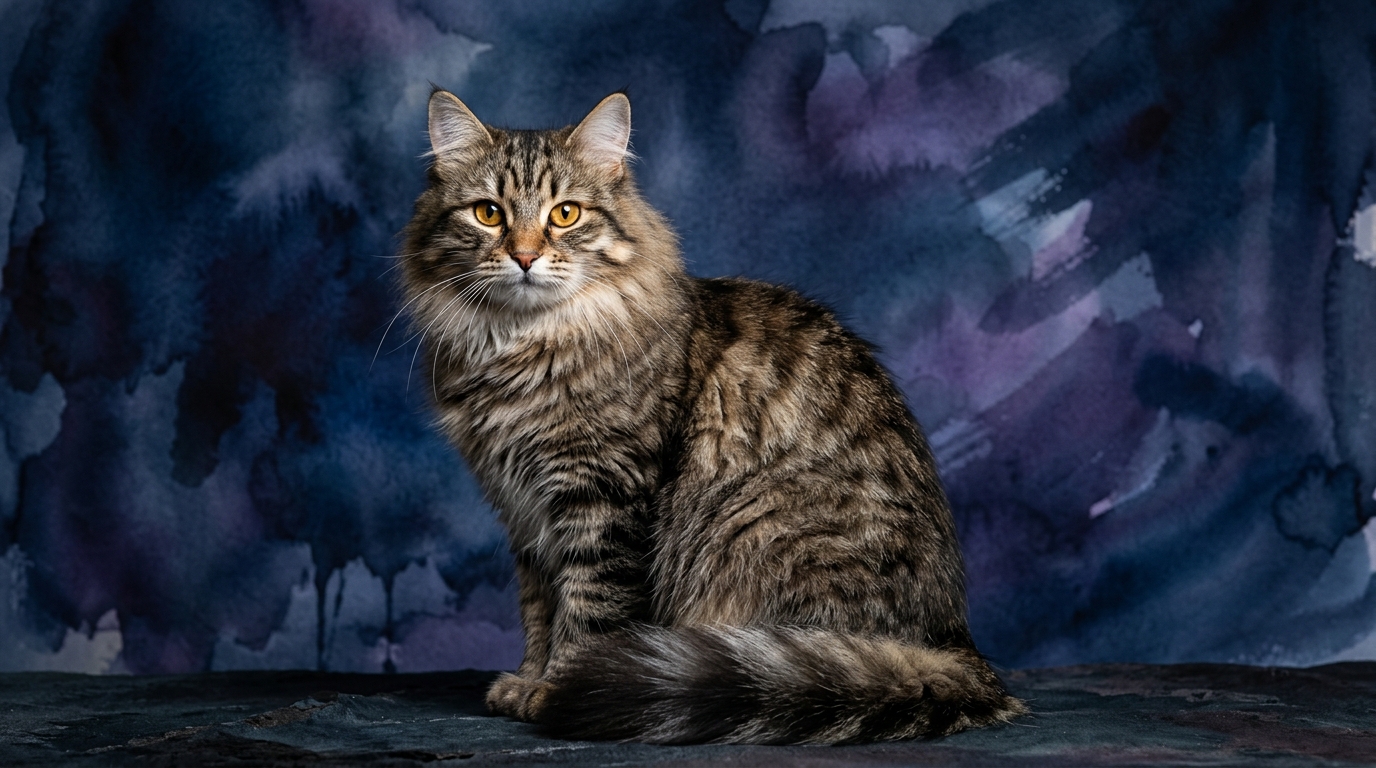
Side-by-Side Cognitive Profiles: Decoding the 3/5 Score
At first glance, the IQ scores from The Cosmic Pet Pet IQ Lab for both the Himalayan and Siberian breeds appear identical across all five dimensions, each receiving a solid 3 out of 5. This score signifies a robust, functional level of cognitive ability, indicating cats that are capable, adaptable, and generally responsive. However, identical scores do not mean identical cognitive expression. Instead, these ratings provide a baseline from which we can explore how each breed’s unique disposition and physical characteristics influence the practical application of their mental capacities.
Let's break down what a 3/5 score means for each dimension and how it subtly differentiates these two captivating felines.
**Problem Solving (3/5):** A 3/5 in problem-solving indicates a cat capable of navigating moderately complex challenges, learning through observation and trial-and-error, and figuring out how to achieve desired outcomes. For the Himalayan, this often manifests as methodical, comfort-driven solutions. Their placid nature means they might patiently observe a treat puzzle before making a calculated move, or subtly manipulate their environment to secure a preferred napping spot. Their problem-solving is often in service of maintaining their serene existence. The Siberian, with its more active and curious disposition, applies its 3/5 problem-solving with greater physical engagement. They might approach a puzzle toy with vigorous exploration, using their agility to test different methods, or cleverly figure out how to open a cabinet to investigate its contents, driven by an innate desire to explore and interact with their surroundings. Their solutions often involve more dynamic interaction with their environment.
**Training Speed (3/5):** This score suggests a moderate pace of learning, meaning both breeds are receptive to training but require consistency and appropriate motivation. The Himalayan’s training speed, while competent, often thrives on gentle, routine-based reinforcement. They may learn commands that enhance their comfort or social bond, such as coming when called for a cuddle or accepting leash training for quiet garden strolls, responding best to calm repetition and positive reinforcement linked to affection. In contrast, the Siberian's 3/5 training speed is often amplified by their playful and interactive nature. They might pick up tricks more quickly if the training session feels like a game, responding enthusiastically to challenges, clicker training, and rewards that involve play or high-value treats. Their energetic curiosity makes them eager participants in engaging learning activities.
**Social Intelligence (3/5):** A 3/5 in social intelligence points to cats that are generally adaptable, capable of forming bonds, and understanding basic human cues, but may not exhibit overly complex social behaviors. The Himalayan’s social intelligence manifests as a deep, calm companionship. They are often attuned to their owner's mood, offering subtle comfort through proximity or a gentle head rub, and enjoy quiet, predictable interactions. They integrate smoothly into household dynamics, appreciating a stable social environment. The Siberian, known for its friendly and often 'dog-like' personality, expresses its 3/5 social intelligence through more active engagement. They are more likely to seek out interaction, participate in family activities, and might even initiate playful communication, demonstrating an understanding of complex social cues within the household through their outgoing and interactive nature. They thrive on being a central part of the family's daily life.
**Instinctive Drive (3/5):** This rating signifies a moderate level of natural predatory instincts, curiosity, and territorial awareness. For the Himalayan, their instinctive drive often presents as a refined, indoor-focused curiosity. They might enjoy observing birds from a window, meticulously 'hunting' dust bunnies, or playing with interactive toys that don't require extensive physical exertion. Their territoriality is typically expressed through a clear preference for certain comfortable spots or a mild disinterest in unfamiliar visitors. The Siberian, originating from a wilder climate, channels its 3/5 instinctive drive into more robust and active behaviors. They often exhibit a stronger prey drive, enjoying vigorous play that mimics hunting, climbing to high vantage points, and a general enthusiasm for exploring every nook and cranny of their environment. Their territorial instincts might be more pronounced, with a greater awareness of their surroundings and a more active patrol of their domain.
**Memory (3/5):** A 3/5 in memory suggests good retention of routines, learned behaviors, and important locations, though perhaps not for highly intricate details over extended periods without reinforcement. The Himalayan's memory serves their love for routine and comfort; they will reliably remember meal times, their owner’s schedule, and the precise location of their favorite napping spots, associating these with pleasant experiences. Their memory is practical and comfort-oriented. The Siberian’s memory, also rated 3/5, often manifests in a more active and spatial recall. They will remember where toys are hidden, complex routes through the house, and the sequence of events leading to playtime or a favorite game. Their robust recall is often tied to their exploratory nature and their desire for interaction and engagement.
Where the Himalayan Excels Cognitively
While sharing identical scores, the Himalayan subtly excels in applying its cognitive abilities for refined, comfort-centric living. Their 3/5 problem-solving capacity shines in tasks requiring patience and observation, particularly when the reward is a tranquil outcome, such as strategically positioning themselves for optimal sunbeams or gently nudging an owner for attention. Their social intelligence, also 3/5, allows for an almost intuitive understanding of household rhythms and emotional states, making them exceptionally adept at offering quiet, comforting companionship without demanding overt interaction. This breed leverages its memory (3/5) to master routines that maximize their serenity and well-being, creating a predictable and harmonious home environment.
Where the Siberian Excels Cognitively
The Siberian, despite matching scores, showcases its cognitive prowess through active engagement and exploratory zeal. Their 3/5 problem-solving is often expressed through dynamic, hands-on investigation, making them proficient at interactive puzzle toys or figuring out how to access elevated spaces, driven by an innate curiosity. Their robust instinctive drive (3/5) enhances their memory (3/5) for spatial awareness and environmental details, allowing them to recall complex play patterns or hidden toy locations with remarkable accuracy. This breed's social intelligence (3/5) translates into a more participatory role within the family, where they actively seek out and thrive on interactive play and communication, demonstrating a nuanced understanding of dynamic social cues.
Ease of Training: Himalayan vs. Siberian
Both breeds register a 3/5 in Training Speed, meaning neither is inherently 'easier' to train; rather, their receptiveness depends heavily on the training approach and desired outcomes. The Himalayan, with its calm and routine-oriented disposition, responds best to gentle, consistent reinforcement. Training sessions should be quiet, predictable, and leverage their desire for comfort and affection as primary motivators. They might excel at learning behaviors that enhance their placid lifestyle, such as polite leash walking for a calm stroll or coming when called for a lap cuddle, making progress steadily with patience. Their lower energy levels mean fewer distractions during focused training.
The Siberian, conversely, thrives on engaging, play-based training that taps into its active and curious nature. Their inherent enthusiasm and higher energy levels mean they are more likely to pick up commands and tricks quickly if the sessions are dynamic, varied, and incorporate interactive elements like chase or puzzle-solving. High-value treats and ample praise, coupled with a playful approach, will yield excellent results for a Siberian, who often views training as another form of enjoyable interaction. Their strong instinctive drive and desire for mental stimulation make them keen learners when the activity feels like a game, allowing them to master complex tricks, fetch, or even agility courses with enthusiasm.
Matching Personalities: Active vs. Relaxed Owners
Choosing between a Himalayan and a Siberian often comes down to aligning their natural temperament with an owner's lifestyle. For active owners, the Siberian is an ideal match. Their 3/5 instinctive drive and playful demeanor mean they thrive on regular interaction, environmental exploration, and mental stimulation through vigorous play, climbing, and puzzle toys. They need an owner who can dedicate time to engaging them physically and mentally, enjoying their active participation in household life. Their robust memory for environmental details and active problem-solving skills make them eager partners in discovering new challenges and adventures, even if confined indoors.
Conversely, the Himalayan is perfectly suited for more relaxed owners. Their calm disposition, affectionate nature, and preference for quiet companionship make them wonderful partners for those who enjoy a serene home environment. Their 3/5 social intelligence manifests as a gentle, undemanding presence, content to observe and offer subtle comfort. Their problem-solving and memory are geared towards maintaining a comfortable, predictable routine, making them excellent companions for individuals seeking a tranquil, loving feline presence that doesn't require constant high-energy engagement. They thrive on quiet affection and a stable, predictable routine.
The Verdict
Choose the Himalayan if you seek a tranquil, affectionate companion who thrives on gentle routines and offers a subtle, comforting presence, enriching a calm home with their serene disposition.
Opt for the Siberian if you desire an engaging, playful, and curious feline who enjoys active interaction, environmental exploration, and learning through dynamic play, bringing spirited energy to an active household.
🧠 Find Your Pet's IQ Score
Our Pet IQ Lab assessment covers 25+ tests across 5 cognitive dimensions — personalized to your breed.
Take the Full IQ Test →Frequently Asked Questions
Do identical IQ scores mean these breeds are exactly alike cognitively?
No, identical scores indicate similar *capacity* across the measured dimensions, but their inherent temperaments and breed characteristics significantly influence *how* those cognitive abilities manifest. A Himalayan's problem-solving might be methodical and comfort-driven, while a Siberian's could be more exploratory and play-motivated, even with the same underlying score.
Can a Himalayan be trained to do tricks like a Siberian?
While both have a 3/5 training speed, a Himalayan may require a more patient, routine-focused approach, excelling at behaviors linked to comfort or quiet interaction. A Siberian, with its playful and active nature, might be more enthusiastic about complex, game-like tricks involving movement and quick responses, making them appear 'faster' at learning certain types of tricks.
How does 'Instinctive Drive' affect their daily lives?
A 3/5 instinctive drive means both breeds have moderate natural urges for hunting and exploration. For Himalayans, this often translates to quiet observation and indoor 'prey' engagement like toy mice, while Siberians might exhibit more active play, climbing, and curiosity about their surroundings, reflecting their more robust, natural breed heritage.