Side-by-Side IQ Profile: Ibizan Hound vs. Finnish Spitz
Despite their identical 3/5 ratings across all five cognitive dimensions, the Ibizan Hound and Finnish Spitz demonstrate their intelligence through distinct lenses, shaped by their unique breed histories and purposes. Understanding these nuances is key to appreciating their individual cognitive strengths.
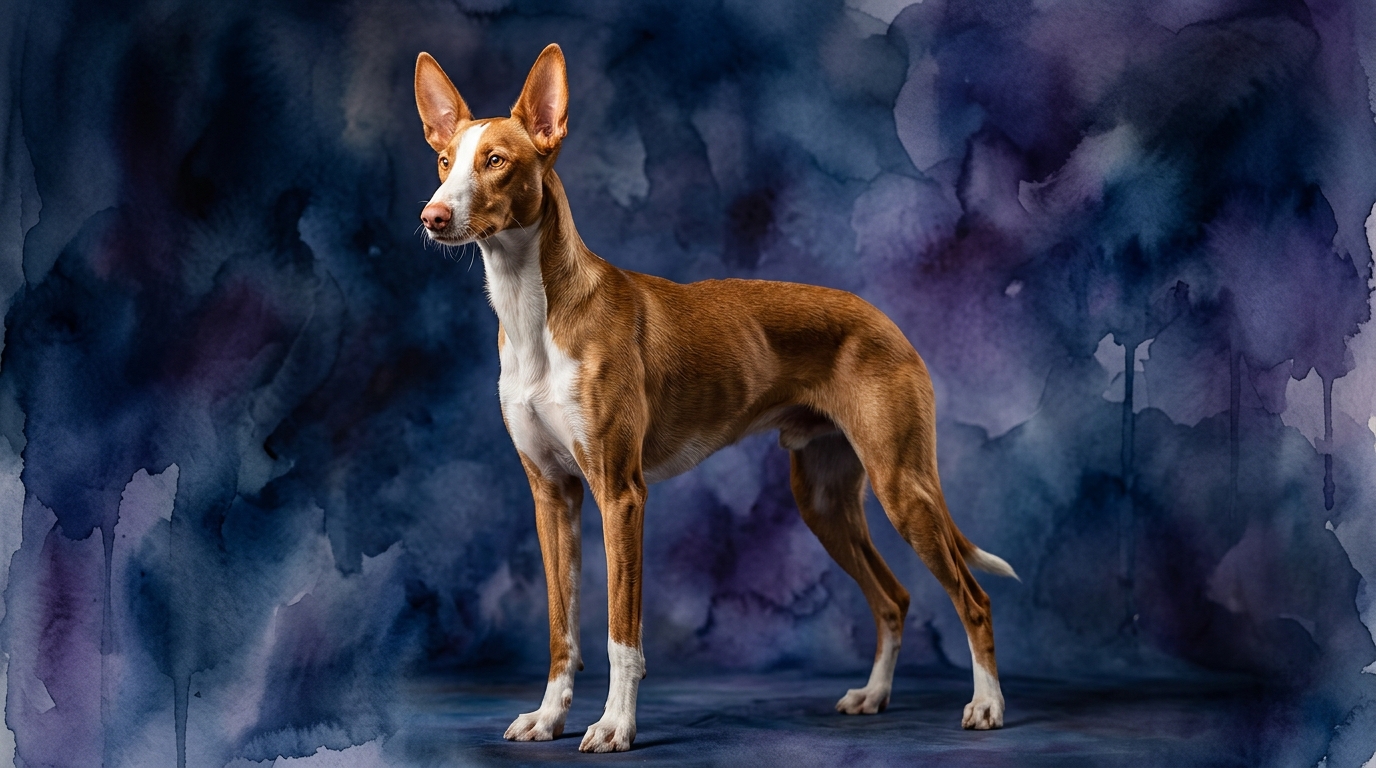
The Ibizan Hound, a sighthound originating from ancient Egypt, was bred for hunting rabbits and small game across open terrain.
Problem Solving (3/5): This score reflects their ancestral role as independent hunters, requiring rapid visual assessment and agile decision-making to track and pursue game. Their problem-solving involves quick adaptation in dynamic outdoor environments, rather than complex, human-initiated tasks.
Training Speed (3/5): While capable, their sighthound independence means they aren't primarily driven to please. Training success relies on building rapport, using positive reinforcement, and making lessons engaging enough to capture their attention.
Social Intelligence (3/5): Often reserved with strangers, Ibizan Hounds form deep, sensitive bonds with their immediate family. They subtly read owner moods but aren't typically boisterous with all newcomers.
Instinctive Drive (3/5): Their powerful prey drive defines their instinctive intelligence, signifying a strong, ingrained compulsion to chase anything moving quickly. This natural force dictates much of their behavior and cognitive focus.
Memory (3/5): They exhibit solid memory for routines, commands, and familiar people/places. However, their memory can be selective, emphasizing information relevant to their independent nature, like sunbathing spots or hidden treats.
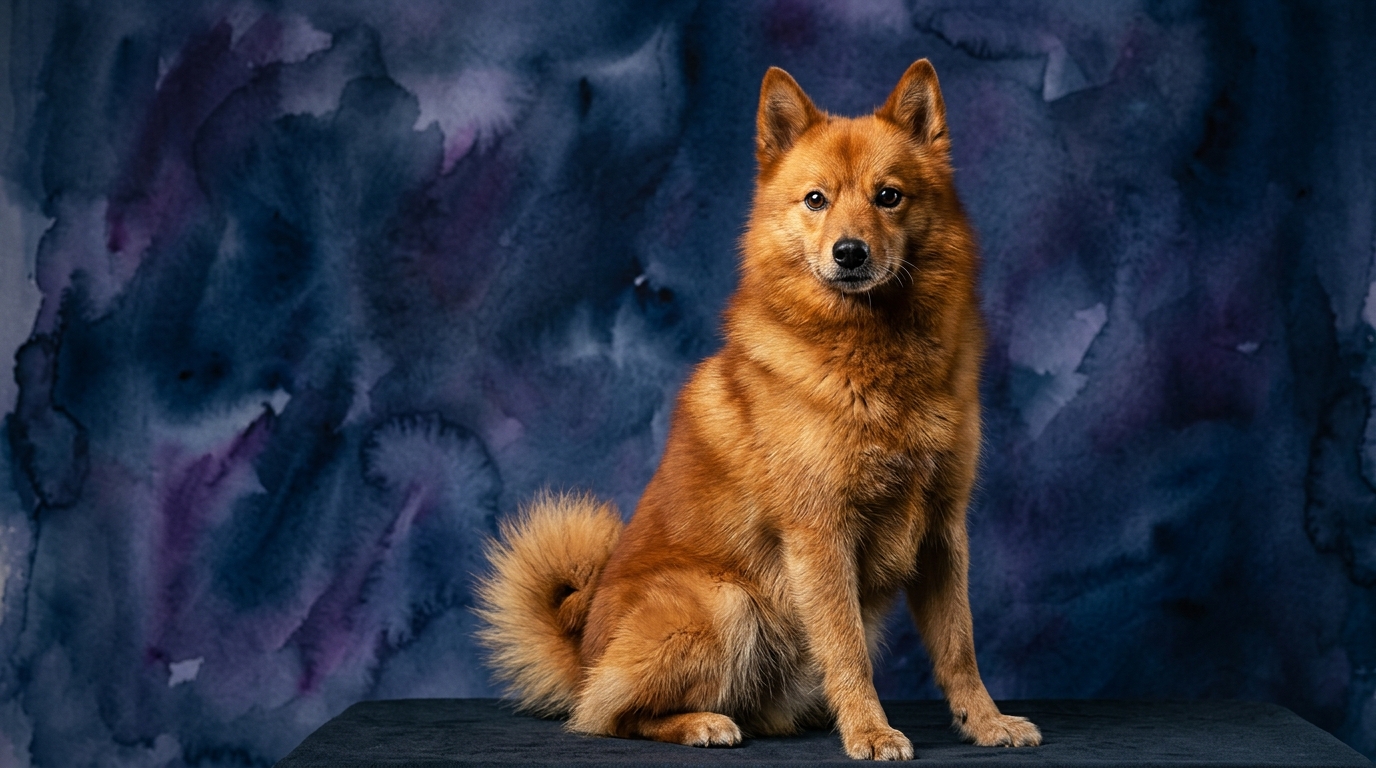
The Finnish Spitz, a national treasure of Finland, was developed as a barking bird dog, alerting hunters to game birds in trees.
Problem Solving (3/5): Rooted in their hunting technique, this involves discerning subtle environmental cues, triangulating bird locations, and adapting vocalizations to maintain the bird's attention for the hunter. Their cognition focuses on this specialized communication.
Training Speed (3/5): Spirited and independent, they are eager to please their chosen people but can be stubborn. Training requires consistency, patience, and positive reinforcement, as their focus can be diverted by environmental sounds.
Social Intelligence (3/5): They form intense family bonds but can be reserved or wary around strangers. Their social intelligence is expressed through devotion to their inner circle and nuanced vocal communication within the family.
Instinctive Drive (3/5): Primarily centered on their 'barking bird dog' heritage, this 3/5 denotes a powerful urge to hunt, locate, and vocalize at game birds. It's a specific cognitive inclination to engage through sound.
Memory (3/5): They possess good memory for locations, people, and routines, especially those related to daily activities. They recall training cues and family members, with robust memory for family structure and vocal patterns.
Where the Ibizan Hound Wins Cognitively
Despite identical numerical scores, the Ibizan Hound exhibits distinct cognitive strengths particularly in visual processing speed and spatial reasoning, honed by centuries of coursing game. They can rapidly assess a moving target's trajectory, anticipate its escape routes, and adjust their own pursuit strategy with impressive fluidity. Their problem-solving in open, dynamic environments, where quick, independent decisions are paramount, often surpasses breeds less adapted to such visual-spatial challenges. Furthermore, their capacity for sustained focus during a chase, maintaining concentration over potentially long distances, showcases a unique cognitive stamina. This isn't about solving puzzles with human guidance, but instinctively navigating complex, fast-paced scenarios on their own terms.
Where the Finnish Spitz Wins Cognitively
The Finnish Spitz, conversely, demonstrates a different set of cognitive advantages, especially in the auditory domain. Their ability to discriminate subtle sounds, pinpoint the exact location of a bird in dense foliage, and then maintain a focused, sustained vocalization to alert a hunter is a highly specialized form of problem-solving. This requires exceptional auditory processing and a cognitive link between sound, location, and communicative action. Their communication skills, specifically their varied barks and intonations, represent a sophisticated form of social intelligence geared towards interaction with both their prey and their human partners. They excel at 'talking' to their environment and their people, a nuanced skill that sets them apart.
Which is Easier to Train and Why
Given their identical 3/5 training speed scores, neither the Ibizan Hound nor the Finnish Spitz is inherently 'easy' in the conventional sense, as both possess strong independent streaks. The Ibizan Hound's primary challenge in training stems from their deeply ingrained sighthound instincts; a moving object will often override even the most well-practiced recall. Their training requires immense patience, creativity to make lessons more compelling than a chase, and a deep understanding of their sensitive yet independent nature. They respond best to positive reinforcement and a trainer who respects their autonomy, rather than demanding blind obedience.
The Finnish Spitz, while also independent, presents a different set of training considerations. Their strong vocal drive, a cornerstone of their hunting method, means they are naturally inclined to bark. Managing this requires consistent training from a young age, teaching them appropriate times and methods for vocalization. Their spirited nature and tendency to be easily distracted by sounds can make focusing on commands challenging in busy environments. While they can be eager to please their trusted family members, their stubbornness, paired with their vocal expressiveness, means owners must be consistent and firm, yet always positive, to build a cooperative relationship.
Which Suits Active Owners vs. Relaxed Owners
For active owners seeking a dynamic companion, both breeds offer engagement, but with different nuances. The Ibizan Hound thrives with owners who can provide ample opportunities for sprinting and galloping in secure, fenced areas or on long, leashed runs. Their need for intense physical bursts, followed by periods of calm, suits owners who enjoy activities like lure coursing, long-distance jogging, or hiking where their keen senses can be engaged. They are not suited for relaxed owners who prefer minimal exercise, as their pent-up energy can lead to undesirable behaviors.
The Finnish Spitz also requires regular, consistent exercise, enjoying daily walks, hiking, and engaging play sessions. While their exercise needs might not involve the same explosive bursts as an Ibizan, they need mental stimulation and activity to prevent boredom. Owners who enjoy outdoor adventures but also appreciate a dog that can settle indoors after activity, while being prepared for their vocal nature, would find a good match. Relaxed owners might struggle with the Finnish Spitz's energy levels and propensity for barking, which demands active management and consistent engagement.
The Verdict
Opt for the Ibizan Hound if you appreciate a sensitive, elegant, and independent companion who thrives on intense bursts of physical activity and independent exploration in secure spaces. They are ideal for owners who can dedicate time to managing their powerful prey drive and value a quiet, reserved presence indoors after sufficient exercise.
Select the Finnish Spitz if you're drawn to a spirited, vocal, and devoted companion who excels in outdoor adventures and enjoys 'talking.' They are best for owners prepared to manage their barking tendencies with consistent training and who value a dog with a strong personality and an engaging, communicative nature.
🧠 Find Your Pet's IQ Score
Our Pet IQ Lab assessment covers 25+ tests across 5 cognitive dimensions — personalized to your breed.
Take the Full IQ Test →Frequently Asked Questions
Do Ibizan Hounds and Finnish Spitz get along with other pets?
Ibizan Hounds, with their strong prey drive, might not be reliable with small, fast-moving pets like cats or rabbits unless raised with them. Finnish Spitz can coexist with other dogs and pets, especially if socialized early, but their vocal nature might be a factor in multi-pet households.
Are these breeds good with children?
Both breeds can be good with respectful, older children, forming close bonds with their family. Ibizan Hounds are sensitive and may prefer a calmer environment, while Finnish Spitz are spirited and can enjoy active play, though their vocalizations might need management around very young children.
What kind of mental stimulation do these breeds need?
Ibizan Hounds benefit from visual tracking games, puzzle toys, and scent work to engage their keen senses. Finnish Spitz thrive on activities that involve problem-solving, like hide-and-seek, learning new tricks, and supervised 'hunting' games that tap into their natural instincts, keeping their minds busy.