
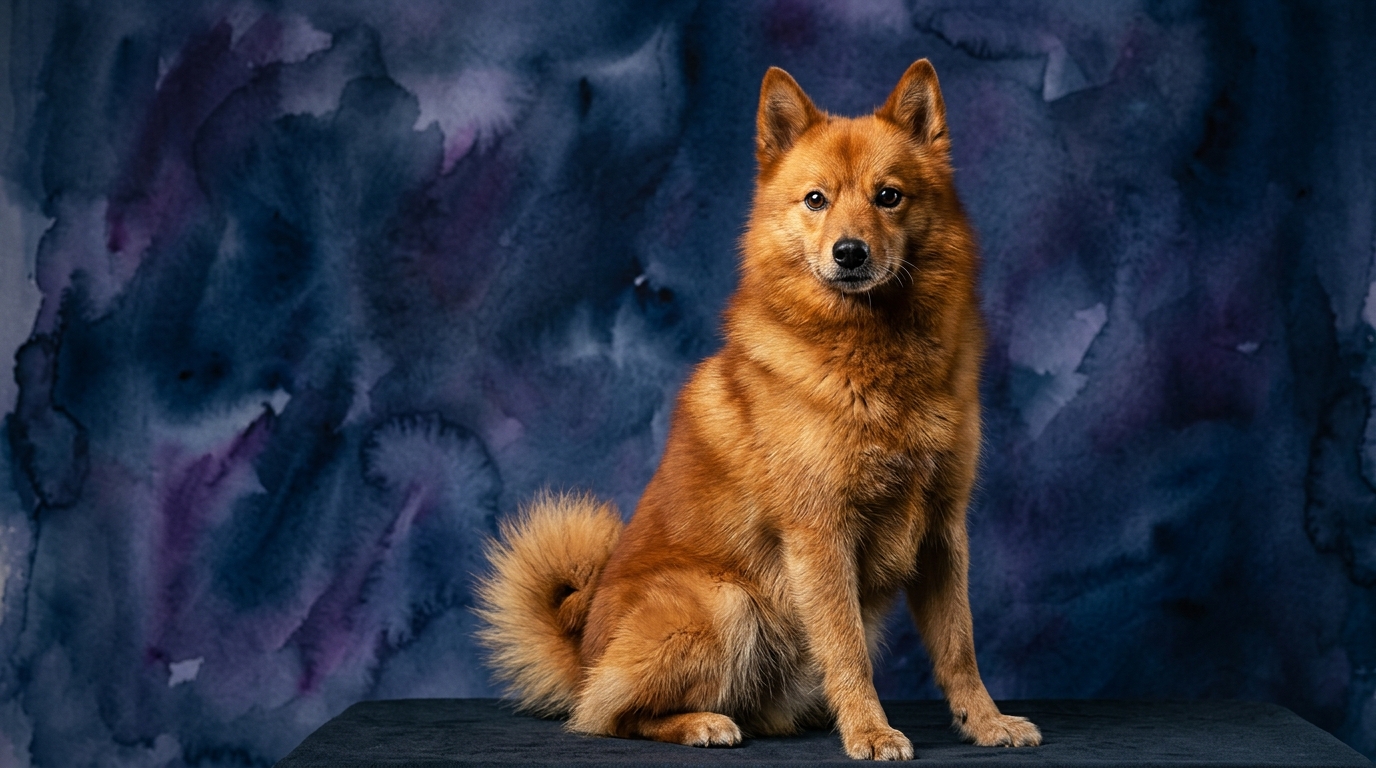
Side-by-Side IQ Profile: German Shepherd vs. Finnish Spitz
At The Cosmic Pet Pet IQ Lab, we evaluate canine intelligence across five critical dimensions to provide a comprehensive understanding of each breed's cognitive strengths. Let's delve into the profiles of the German Shepherd and the Finnish Spitz.
The German Shepherd, a breed consistently ranked high in canine intelligence (Coren rank #3), demonstrates an exceptional cognitive toolkit: Problem Solving (5/5): This breed exhibits outstanding analytical capabilities, quickly assessing novel situations and devising effective solutions, whether it's navigating an intricate obstacle course or understanding complex human instructions. Training Speed (5/5): German Shepherds absorb new commands and routines with remarkable rapidity. Their eagerness to learn and strong desire to work alongside their human partners translates into a swift understanding and execution of tasks, often requiring minimal repetitions. Social Intelligence (5/5): Highly attuned to human cues and social dynamics, German Shepherds excel at interpreting subtle body language and vocal inflections. This deep understanding allows them to anticipate needs, respond appropriately in complex social settings, and form profound, cooperative bonds. Instinctive Drive (5/5): The inherent drive to perform tasks, protect, and herd is profoundly strong in German Shepherds. This powerful internal motivation fuels their dedication to work, making them relentless and focused in their chosen roles, from protection work to search and rescue. Memory (5/5): Their capacity to retain information, including commands, routines, and even specific scent profiles, is outstanding. German Shepherds demonstrate long-term recall, allowing them to build upon past learning experiences and perform consistently over extended periods.
The Finnish Spitz, a charming breed not typically found on Coren's ranking, presents a different, yet equally compelling, cognitive blueprint: Problem Solving (3/5): Finnish Spitz dogs possess a moderate ability to solve problems, often relying on their innate instincts and established patterns rather than complex analytical thought. They can navigate challenges, but might take a more direct or trial-and-error approach compared to breeds bred for intricate problem-solving tasks. Training Speed (3/5): While capable of learning, the Finnish Spitz typically requires more repetition and patience in training. Their independent nature means they may not always perceive an immediate 'reason' to comply, making consistency and positive reinforcement crucial for effective command acquisition. Social Intelligence (3/5): The Finnish Spitz is generally observant of its human companions but maintains a certain aloofness, characteristic of a breed traditionally valued for its independent hunting. They understand social cues but may not engage with the same intense, cooperative focus as a working breed, often preferring to interact on their own terms. Instinctive Drive (3/5): Their instinctive drive is primarily focused on their historical role as barking bird dogs. While present, this drive is more self-directed and less geared towards constant human-directed tasks. They possess an innate desire to alert and hunt, but not necessarily to perform complex, continuous work. Memory (3/5): Finnish Spitz dogs have a functional memory for routines and commands, especially those that align with their natural inclinations. However, their recall might not be as robust or as consistently applied across various contexts as breeds with a higher memory rating, particularly if the learned behavior doesn't offer immediate perceived value.
Where the German Shepherd Excels Cognitively
The German Shepherd's cognitive architecture is built for versatility and precision, giving it clear advantages in several domains. Its 5/5 problem-solving acumen means it can quickly adapt to new situations, making it exceptional in roles requiring on-the-spot decision-making, such as guiding the visually impaired or detecting subtle changes in an environment. The unparalleled training speed (5/5) means a German Shepherd can master complex multi-step commands and intricate routines with fewer repetitions, allowing for a broader and deeper repertoire of learned behaviors. Furthermore, its profound social intelligence (5/5) allows for seamless, nuanced communication with its handler, interpreting even the slightest cues to work in perfect synchronicity, a quality vital for high-stakes working partnerships. This breed doesn't just learn; it comprehends and collaborates at a deeply intuitive level, making it the quintessential working companion for tasks demanding high cognitive engagement and responsiveness.
Where the Finnish Spitz's Cognitive Profile Shines
While the Finnish Spitz may not match the German Shepherd's working dog metrics, its distinct cognitive profile offers specific advantages for certain lifestyles. Its 3/5 problem-solving and training speed ratings reflect an independent thinker, less prone to constant human direction and more reliant on its own judgment. This self-reliance means a Finnish Spitz doesn't constantly seek validation or instruction, which can be a "win" for owners who appreciate a dog with strong self-direction and don't require intricate obedience. Their 3/5 social intelligence, while not as overtly cooperative, translates into a dog that isn't overly demanding of constant interaction, providing a comfortable companionship for those who value a less clingy canine. The moderate instinctive drive (3/5) means their natural urges, while present, are often more focused on specific, self-initiated activities like barking at squirrels rather than a constant need for structured "work," making them less intense to manage for a companion role. This breed's cognitive strengths lie in its ability to be a self-sufficient and discerning companion, perfectly suited for an owner who appreciates a dog with its own mind and a charming, vocal personality.
Training Dynamics: Ease and Behavioral Differences
The German Shepherd is unequivocally easier to train, primarily due to its 5/5 training speed and 5/5 social intelligence. They possess an inherent desire to understand and comply, coupled with a remarkable ability to absorb and retain information quickly. A German Shepherd often needs only a few repetitions to grasp a new command, and its keen attention to its handler means it's constantly seeking direction and eager to please. This translates into rapid acquisition of basic obedience, advanced tasks, and specialized skills, making them a joy to guide through complex learning curves. In contrast, the Finnish Spitz, with its 3/5 training speed and social intelligence, presents a greater training challenge. Their independent spirit means they often require more patience, consistent motivation, and a clear understanding of "what's in it for them." They aren't inherently driven to work collaboratively in the same way; instead, they might weigh the instruction against their own desires. While they can learn, the process typically involves more repetition, creative reinforcement, and a willingness from the owner to work with a dog that values its own autonomy. For instance, a German Shepherd will likely learn "stay" in minutes and hold it reliably, whereas a Finnish Spitz might learn it but choose to break it if a more interesting scent or sight presents itself, requiring consistent proofing and higher value rewards to maintain focus.
Matching Canine Cognition to Owner Lifestyle
For truly active owners who thrive on structured activities, advanced training, and a canine partner deeply involved in their daily adventures, the German Shepherd is an ideal match. Its 5/5 instinctive drive means it requires a significant outlet for its energy and mental faculties, excelling in dog sports, hiking, or any activity that provides purpose and challenge. An owner looking for a dog to engage in protection sports, agility, or extensive outdoor exploration will find the German Shepherd's stamina and focus unmatched; they are built for engagement and continuous work. Conversely, the Finnish Spitz is better suited for owners who might be active but appreciate a dog that can also be content with less intense, more self-directed forms of engagement. While they enjoy walks and outdoor exploration, their 3/5 instinctive drive doesn't demand constant, structured "work" in the same way. A relaxed owner who enjoys moderate daily exercise, appreciates a dog's independent nature, and doesn't require a constant "shadow" will find the Finnish Spitz a delightful companion. They are active in bursts, enjoying outdoor pursuits like exploring a yard or going for a brisk walk, but are equally happy to observe their surroundings from a comfortable perch, making them a good fit for those who want a lively companion without the relentless drive for a job.
The Verdict
Choose the German Shepherd if you seek a highly trainable, intensely cooperative partner for demanding tasks, advanced training, or an active, structured lifestyle where a dog's profound engagement is paramount.
Opt for the Finnish Spitz if you appreciate an independent, self-reliant companion with a moderate activity level, a charmingly vocal nature, and a unique blend of alertness and discerning affection, suitable for a home that values a less intensely driven partner.
🧠 Find Your Pet's IQ Score
Our Pet IQ Lab assessment covers 25+ tests across 5 cognitive dimensions — personalized to your breed.
Take the Full IQ Test →Frequently Asked Questions
Is the Finnish Spitz difficult to live with due to its independence?
Not necessarily difficult, but different. Their independence means they may not always seek constant human interaction or readily comply with every command, requiring an owner who appreciates this trait and employs consistent, positive training methods. They thrive with clear boundaries and a routine.
Can a Finnish Spitz be trained for complex tasks like a German Shepherd?
While a Finnish Spitz can learn many commands, its independent nature and lower training speed rating mean it's less suited for the complex, multi-step tasks and specialized working roles often mastered by German Shepherds. Expect a slower learning curve and less consistent execution without continuous reinforcement.
How do their social intelligence differences manifest in a home environment?
A German Shepherd's high social intelligence means it's often keenly attuned to family dynamics, anticipating needs and seeking to be an integrated part of activities, often forming very strong, almost telepathic bonds. A Finnish Spitz, while affectionate with its family, maintains a more self-possessed demeanor, interacting on its own terms and not always seeking to be the center of attention, providing a more independent companionship.