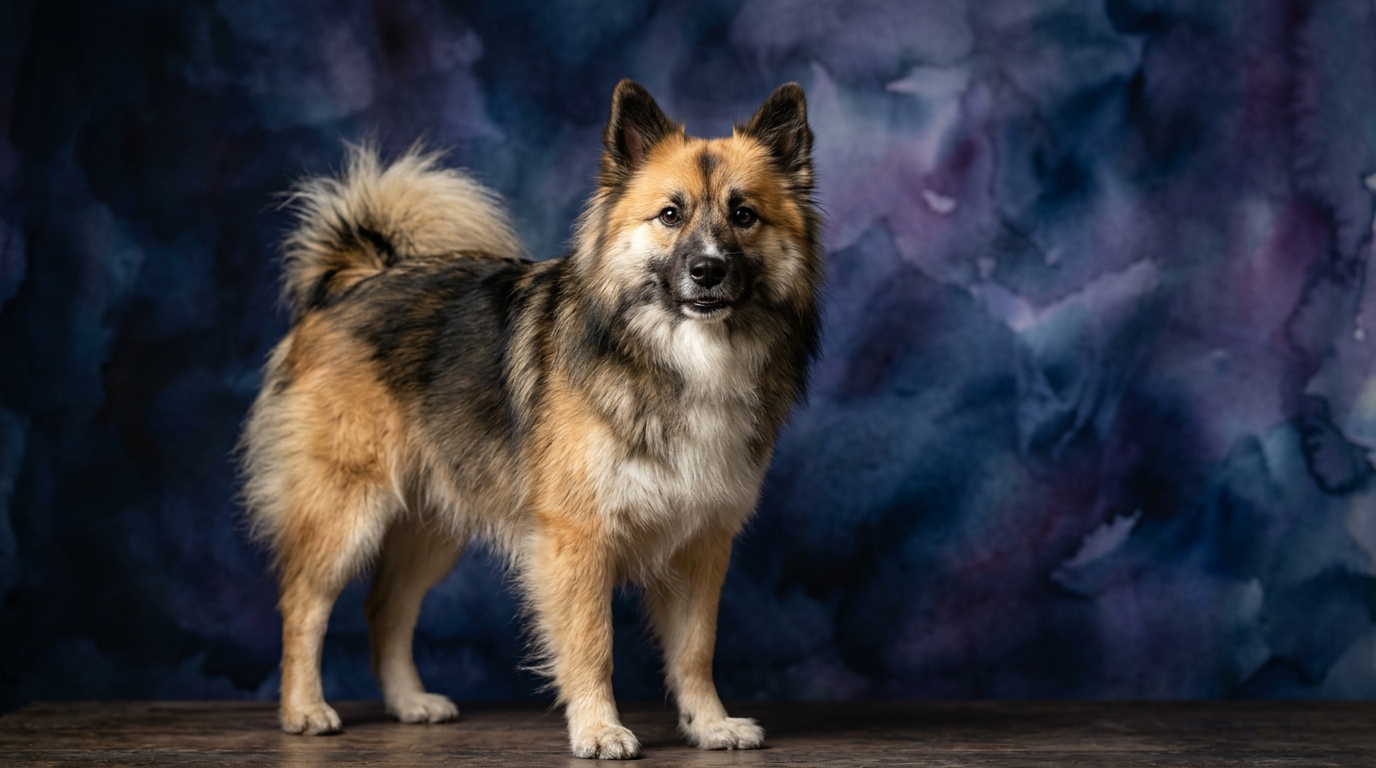
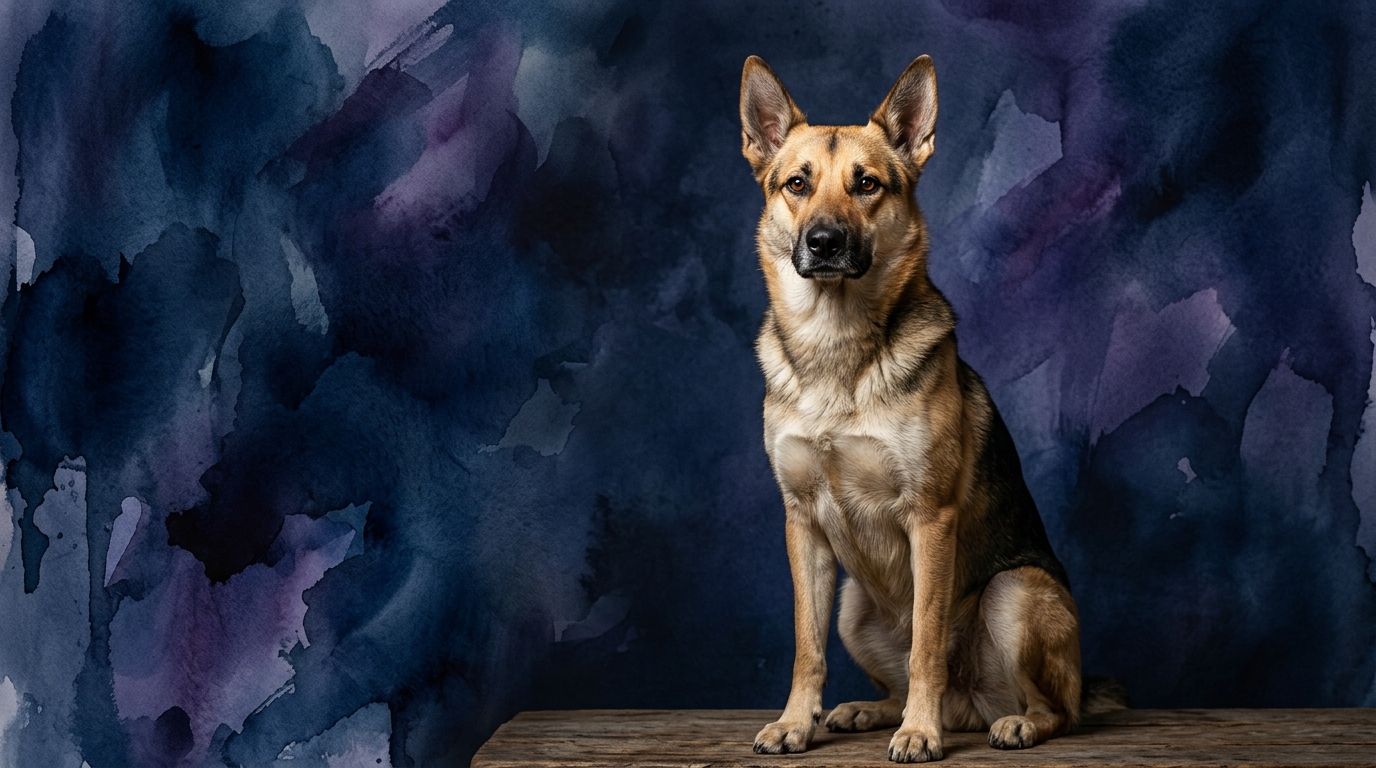
Side-by-Side IQ Profile: Icelandic Sheepdog vs. Canaan Dog
**Icelandic Sheepdog: A Nordic Herder's Mind**
**Problem Solving (3/5):** Icelandic Sheepdogs exhibit a practical, task-oriented approach to problem-solving. Their cognitive strengths lie in navigating familiar environments and devising straightforward solutions to immediate challenges, particularly those involving flock management or routine household tasks. They are adept at finding paths and communicating needs within their established systems.
**Training Speed (3/5):** Possessing a moderate training speed, these dogs respond well to positive reinforcement and clear instructions. They are generally eager to please their human companions, which aids in their learning process, though they may require consistent repetition to solidify new commands or behaviors.
**Social Intelligence (3/5):** Icelandic Sheepdogs are highly attuned to human emotions and social cues, forming strong, affectionate bonds with their families. Their social intelligence allows them to integrate seamlessly into household dynamics, often anticipating needs and offering comfort, though they can be reserved with strangers.
**Instinctive Drive (3/5):** Their instinctive drive is firmly rooted in their herding heritage, expressed through a natural inclination to gather and manage livestock. This manifests as a strong desire to keep their “flock” (human family members or other pets) together, often using their characteristic bark to communicate or direct.
**Memory (3/5):** An Icelandic Sheepdog's memory serves them well in recalling learned commands, daily routines, and the identities of familiar individuals. They retain positive and negative associations, contributing to their predictable and generally adaptable nature within a consistent environment.
**Canaan Dog: The Desert Survivor's Acumen**
**Problem Solving (3/5):** Canaan Dogs demonstrate an independent and resourceful style of problem-solving. Originating from a free-ranging existence, they are adept at assessing situations and formulating solutions based on their own observations and instincts, often without direct human guidance. This can involve finding innovative ways to achieve a goal or navigate complex outdoor environments.
**Training Speed (3/5):** While capable of learning quickly, a Canaan Dog's training speed is tempered by their independent spirit. They learn best with engaging, positive methods, but may choose to comply only if they perceive a clear benefit or if the command aligns with their intrinsic motivations. Consistency and patience are paramount.
**Social Intelligence (3/5):** Canaan Dogs possess a keen social intelligence characterized by their observational nature and deep, discerning bonds. They are intensely loyal to their immediate family but typically reserved, even suspicious, of strangers. They excel at reading intentions and can be highly sensitive to their owner's moods, though they express this subtly.
**Instinctive Drive (3/5):** Their instinctive drive is primarily focused on guarding and territorial defense, stemming from their historical role as guardians of flocks and camps in harsh environments. This translates to a strong awareness of their surroundings, a watchful demeanor, and a readiness to alert their family to perceived threats.
**Memory (4/5):** The Canaan Dog's memory is a standout cognitive trait, scoring 4/5. They possess an exceptional ability to recall experiences, environments, and specific individuals, both positive and negative. This sharp memory contributes to their reliability in established routines but also means they can retain fear-based associations or perceived injustices for extended periods.
Where the Icelandic Sheepdog Wins Cognitively
The Icelandic Sheepdog truly excels in areas requiring direct, collaborative engagement with humans. Their slightly more biddable nature and eager-to-please disposition, combined with their 3/5 social intelligence, mean they often win in scenarios demanding immediate, cooperative responses. They are quicker to integrate into complex family routines and more readily seek human interaction to solve problems or confirm actions. This manifests in their ability to learn intricate sequences of commands for agility or perform service tasks that require constant communication and feedback, making them highly responsive partners for tasks that require a shared cognitive effort. Their vocal herding style means they are constantly “talking” and expecting a response, fostering a dynamic intellectual partnership.
Where the Canaan Dog Wins Cognitively
The Canaan Dog’s cognitive strengths shine in independent decision-making and acute environmental awareness, largely due to their superior 4/5 memory and self-reliant problem-solving (3/5). They possess an innate ability to assess and react to novel situations without needing constant human input, a trait honed by centuries of survival in challenging landscapes. Their excellent memory means they can navigate complex territories with precision, recall intricate patterns of scent and sound, and remember past experiences with remarkable detail, which can be invaluable for tasks requiring long-term spatial awareness or pattern recognition. This also makes them exceptional at guarding, as they remember who belongs and who doesn't, and where potential threats might originate.
Which is Easier to Train and Why
When it comes to ease of training, the Icelandic Sheepdog generally presents a more straightforward experience for the average owner. Their 3/5 training speed is supported by a strong desire to please and a high degree of social intelligence, meaning they are motivated by human approval and eager to understand expectations. They tend to be more forgiving of handler errors and respond consistently to positive reinforcement methods, quickly forming associations between commands and rewards. Their collaborative spirit means they actively seek to work with their human, making the training process feel like a shared endeavor.
In contrast, the Canaan Dog, while possessing a 3/5 training speed, can be more challenging due to their independent nature and 4/5 memory. They learn quickly, but their motivation often stems from self-interest or a clear understanding of the “why” behind a command, rather than solely human approval. Their sharp memory means they will remember inconsistent training or harsh methods, potentially leading to a shutdown or increased stubbornness. Effective training for a Canaan Dog requires creativity, consistency, and a deep understanding of canine behavior, focusing on building trust and demonstrating the value of cooperation. They are not dogs that will blindly obey; they require a partnership based on mutual respect and clear communication.
Which Suits Active Owners vs. Relaxed Owners
Both breeds require active engagement, but their preferred activities and how they interact with their owners differ. The Icelandic Sheepdog thrives with active owners who enjoy a highly interactive companion. They need daily physical exercise, but more importantly, they crave mental stimulation through training, dog sports like agility, or “jobs” around the house. They are dogs that want to be involved in every aspect of family life, making them suitable for owners who enjoy a constant, cheerful presence and are prepared to channel their herding instincts into constructive activities. A relaxed owner might find their persistent desire for interaction and vocal nature overwhelming.
The Canaan Dog, while also needing significant physical activity and mental stimulation, suits active owners who appreciate a more independent companion. They enjoy long walks, hiking, and activities that allow them to explore and patrol, satisfying their territorial instincts. They are excellent candidates for dog sports that allow for some independent problem-solving, such as tracking or scent work. However, they are less likely to be “velcro dogs” than the Icelandic Sheepdog, often content to observe from a distance after their exercise needs are met. Relaxed owners who cannot provide consistent physical and mental outlets will likely encounter behavioral issues stemming from boredom and unfulfilled drives, particularly their guarding tendencies.
The Verdict
Choose the Icelandic Sheepdog if you seek a highly engaged, collaborative canine partner eager to participate actively in family life and joint activities, valuing their responsive and communicative nature.
Opt for the Canaan Dog if you appreciate an independent, discerning companion with a remarkable memory and keen observational skills, suited for an owner who respects a dog’s self-reliance and territorial instincts.
🧠 Find Your Pet's IQ Score
Our Pet IQ Lab assessment covers 25+ tests across 5 cognitive dimensions — personalized to your breed.
Take the Full IQ Test →Frequently Asked Questions
Do Icelandic Sheepdogs bark a lot?
Yes, Icelandic Sheepdogs are known for their vocal communication, a trait stemming from their herding heritage where barking was used to gather and direct livestock. This means they are likely to bark to alert their family, express excitement, or when they want attention, requiring consistent training to manage.
Are Canaan Dogs good with children?
Canaan Dogs can be good with children within their own family, especially if raised with them, but their reserved nature means they may not tolerate boisterous play from unfamiliar children. Supervision is always recommended, and early socialization is crucial to help them distinguish between friendly interactions and perceived threats.
How do their grooming needs compare?
Both breeds have double coats and are moderate to heavy shedder, requiring regular brushing, especially during seasonal changes, to manage loose fur and prevent matting. The Icelandic Sheepdog's coat is typically longer and softer, while the Canaan Dog's is harsher and denser, but both benefit from consistent grooming routines.