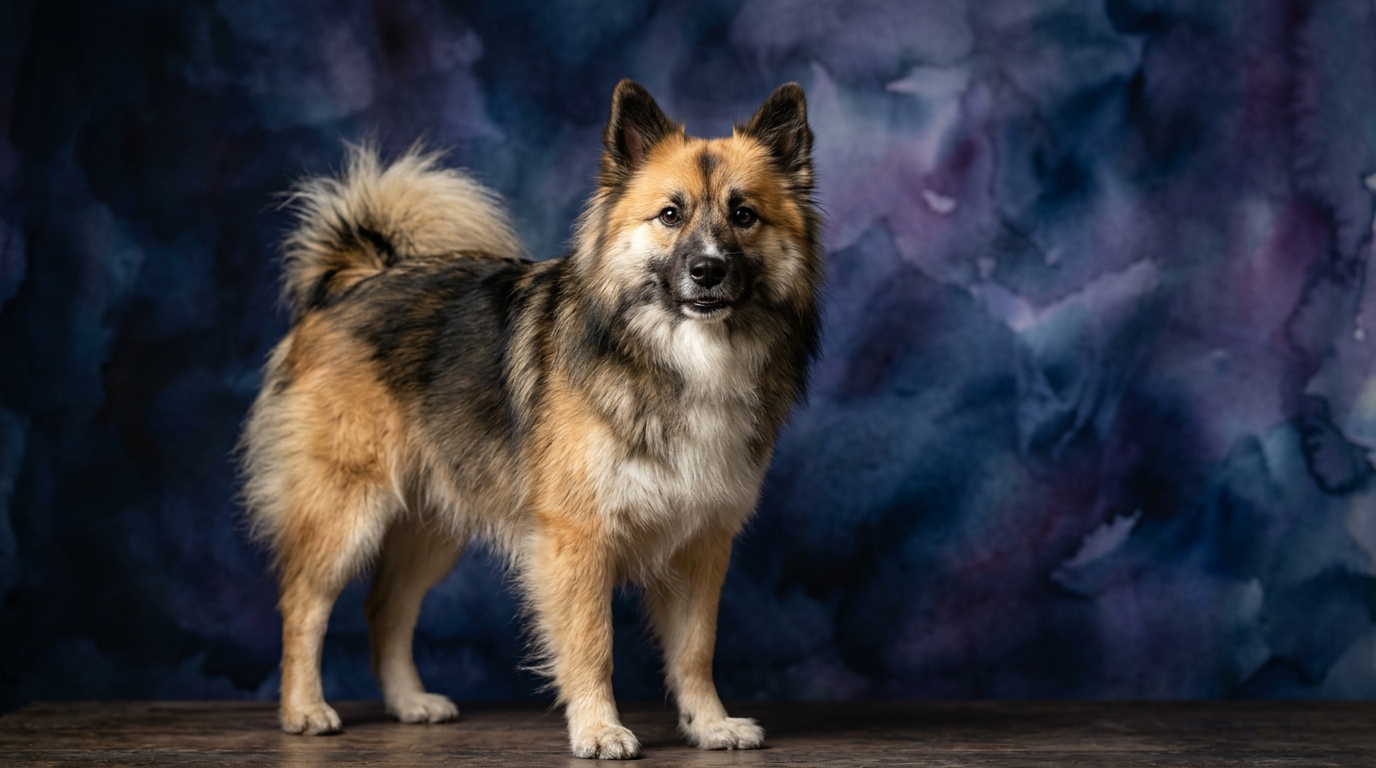
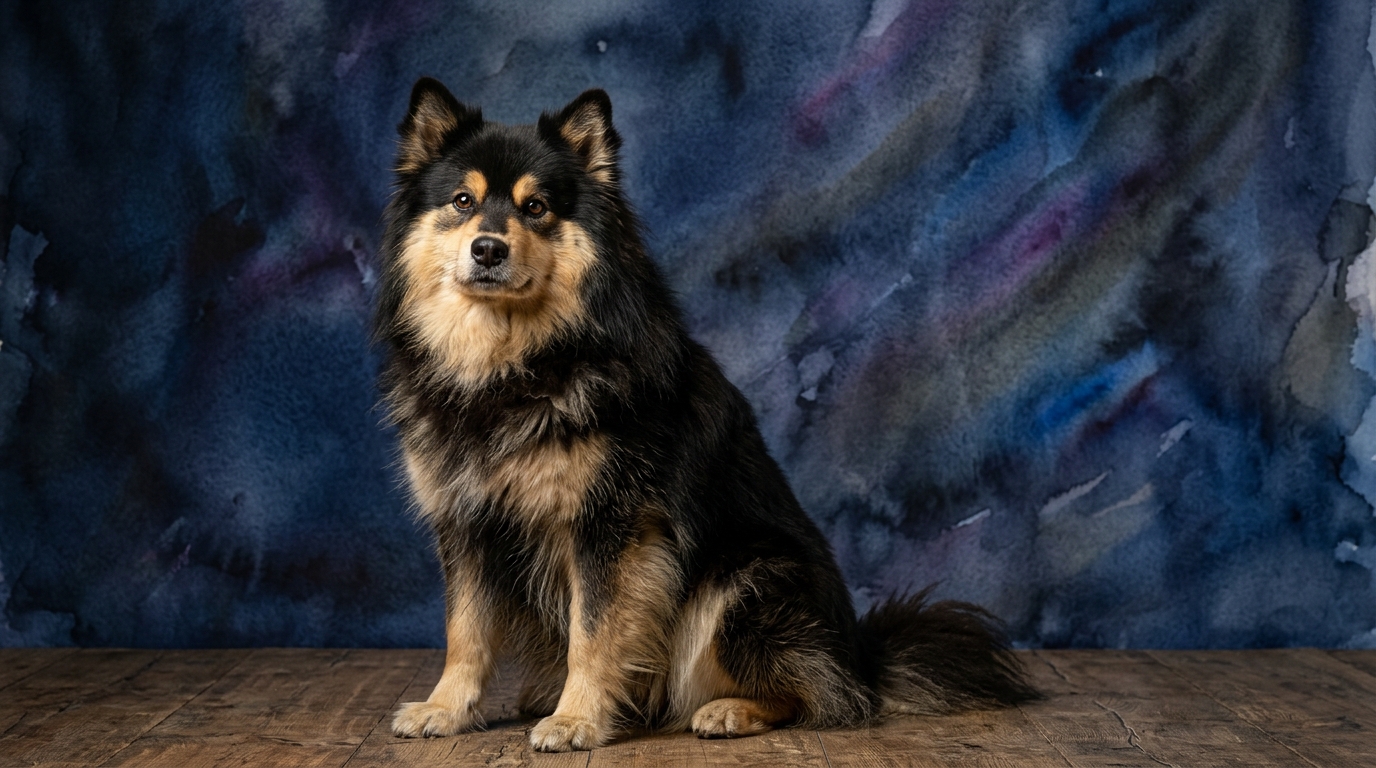
Side-by-Side IQ Profile: Unpacking the 3/5 Scores
At The Cosmic Pet Pet IQ Lab, both the Icelandic Sheepdog and the Finnish Lapphund register a consistent 3 out of 5 across all five cognitive dimensions. This rating indicates a solid, functional level of intelligence, suggesting neither breed struggles significantly with learning or adapting, nor do they typically display the extreme, often challenging, cognitive demands of some top-tier working breeds. Instead, they offer a balanced and generally agreeable mental landscape for their human companions.
For Problem Solving (3/5), both breeds demonstrate a moderate capacity for independent thought and figuring out novel situations. An Icelandic Sheepdog might apply this by strategically gathering a few stray sheep from a complex pasture, using the terrain to their advantage, or perhaps by figuring out a tricky puzzle toy with persistence. A Finnish Lapphund, conversely, might exhibit their problem-solving by independently locating a lost reindeer in a vast, snowy landscape or by adapting their herding technique to a particularly stubborn animal without direct handler intervention. Their solutions are often practical and efficient, reflecting their herding heritage.
Training Speed (3/5) for both breeds signifies they are moderately quick to pick up new commands and routines, provided the training is consistent, positive, and engaging. They aren't typically described as stubborn or exceptionally slow learners, but also don't possess the lightning-fast acquisition of some highly driven breeds. An Icelandic Sheepdog often responds well to varied tasks and a playful approach, thriving on interaction. A Finnish Lapphund, while biddable, might appreciate a calm, clear approach, processing information thoughtfully before executing, rather than rushing into action.
Social Intelligence (3/5) indicates both breeds show a moderate understanding of human cues and social dynamics within their pack, whether canine or human. The Icelandic Sheepdog is often described as highly attuned to their families, capable of reading subtle shifts in mood and responding with empathy or a desire to engage. They are companions who genuinely want to be involved. The Finnish Lapphund is known for their gentle nature and their ability to read subtle signals, often responding with a quiet understanding and a desire to please, albeit sometimes with a touch of independent thought influencing their ultimate action.
Instinctive Drive (3/5) means both possess a moderate but definite herding instinct that needs appropriate outlets. For the Icelandic Sheepdog, this often involves a classic gathering and moving style, sometimes accompanied by a characteristic vocal enthusiasm to control their flock. They are keen observers and active participants. For the Finnish Lapphund, their drive is more often about containing and guiding, sometimes with a 'loose eye' rather than an intense stare, and a natural ability to work calmly over long periods in extensive areas. Their methods are often more about presence and gentle persuasion than forceful action.
Memory (3/5) for both breeds suggests a moderate ability to retain learned behaviors, routes, and experiences. This translates to them generally remembering commands, routines, and house rules quite well after consistent teaching. They can recall specific locations, people, and past training sessions, making them reliable partners once a behavior is established. They are unlikely to forget their training overnight, but also benefit from occasional refreshers to keep skills sharp and responsive.
Where the Icelandic Sheepdog Excels Cognitively
While their raw IQ scores are identical, the Icelandic Sheepdog often demonstrates a particular cognitive strength in dynamic, interactive problem-solving, especially when working in close concert with a handler. Their historical role on rugged, varied terrain required quick, agile thinking and immediate responses to changing flock movements and environmental challenges. This often manifests as an exceptional ability to process multiple sensory inputs simultaneously – the flock's position, the handler's signals, the wind direction – and to make rapid decisions. Their vocal communication, a hallmark of the breed, isn't just noise; it's often a cognitive tool, used to direct sheep or alert their handler, showcasing a proactive approach to managing their environment. They excel at tasks requiring bursts of focused activity and adaptive strategies in unpredictable settings, often appearing to 'think on their feet' with remarkable alacrity.
Where the Finnish Lapphund Excels Cognitively
The Finnish Lapphund, by contrast, often displays a cognitive edge in sustained, independent problem-solving, particularly over vast distances and in harsh conditions where direct handler communication might be intermittent. Their traditional role involved herding semi-wild reindeer across expansive, often desolate landscapes, demanding a self-reliant intelligence. This translates to a strong capacity for sustained focus and resilience, where they might methodically track and gather animals for hours, making their own judgments about the best course of action without constant supervision. Their problem-solving is often characterized by a calm, persistent approach, relying on their keen observational skills and deep understanding of animal behavior. They are adept at maintaining mental composure in challenging situations, demonstrating a cognitive endurance that allows them to work effectively and independently for extended periods, making nuanced decisions based on their environment and the animals they are managing.
Training Dynamics: Icelandic Sheepdog vs. Finnish Lapphund
Training both breeds to a 3/5 Training Speed requires consistent effort, but their behavioral nuances create distinct experiences. The Icelandic Sheepdog is often described as possessing a strong eagerness to please and a highly social nature, which can make them very receptive to positive reinforcement training. They often thrive on the interaction and attention, making them quick to engage in learning sessions. However, their vocal tendencies, a cognitive tool in their herding past, can become a training challenge if not managed early; they might bark to express excitement, frustration, or to 'herd' family members. Channeling this vocal drive into appropriate communication, rather than suppressing it, is key. Their agility and love for movement also mean they benefit greatly from training that incorporates varied physical activities and mental puzzles.
The Finnish Lapphund, while also biddable and adaptable, can exhibit a more independent streak stemming from their history of working without constant human direction. They are generally responsive and want to cooperate, but they might take a moment to 'consider' a command, weighing it against their own perceived best interest or current environmental stimulation. This isn't stubbornness, but rather a thoughtful independence requiring patient, consistent motivation and clear communication. They respond best to calm, gentle methods and can be sensitive to harsh corrections, which might cause them to withdraw. Their intelligence is well-suited to tasks that require sustained focus and problem-solving, but their instinct to roam and explore means recall training is paramount, as their independent nature might lead them to follow an interesting scent or sight without immediate regard for handler commands.
Choosing Your Companion: Active vs. Relaxed Owners
Both the Icelandic Sheepdog and the Finnish Lapphund are herding breeds, meaning they possess inherent energy and a need for mental stimulation, making them generally better suited for active owners. However, the *type* of activity they thrive on can differ. The Icelandic Sheepdog often requires structured activity and thrives on tasks that engage both their body and their voice. They excel in dog sports like agility, obedience, and herding trials where they can work closely with their handler, demonstrating their quick thinking and responsiveness. Their zest for life and desire to be involved means they need daily exercise that goes beyond a simple walk; they appreciate games, training sessions, and opportunities to 'work' their minds and bodies actively. Owners who enjoy hiking, running, or dog sports will find a willing and enthusiastic partner in an Icelandic Sheepdog.
The Finnish Lapphund, while also needing regular exercise, often appreciates a different rhythm. They enjoy varied outdoor exploration, scent work, and opportunities for independent thought during their physical activity. While they can participate in dog sports, they might find more satisfaction in long, meandering walks through varied terrain, exploring new smells, or engaging in activities that allow them to use their natural tracking and searching abilities. They are known for having an 'off switch' indoors, meaning that after sufficient physical and mental exercise, they are generally calm and content to relax with their family. This makes them suitable for active owners who enjoy outdoor adventures but also appreciate a dog that can settle down quietly at home, rather than constantly demanding attention and activity. They are less about intense, structured bursts and more about sustained, enjoyable engagement.
The Verdict: When to Choose Each Breed
The Verdict
Choose an Icelandic Sheepdog if you're an active owner who thrives on interactive training, enjoys a highly communicative companion, and can provide consistent, varied mental and physical challenges that engage their quick-witted, eager-to-please nature.
Opt for a Finnish Lapphund if you appreciate a thoughtful, independent companion for sustained outdoor adventures, value a dog with a calm indoor demeanor after sufficient exercise, and are prepared for patient, consistent training that respects their self-reliant spirit.
🧠 Find Your Pet's IQ Score
Our Pet IQ Lab assessment covers 25+ tests across 5 cognitive dimensions — personalized to your breed.
Take the Full IQ Test →Frequently Asked Questions
Are Icelandic Sheepdogs or Finnish Lapphunds better for first-time dog owners?
Both breeds can be suitable for first-time owners who are committed to consistent training and providing ample mental and physical stimulation. The Icelandic Sheepdog's eagerness to please might make initial training slightly more straightforward, while the Finnish Lapphund's independence requires a bit more patience and understanding of their thoughtful nature.
Do these breeds require a lot of grooming due to their coats?
Yes, both breeds possess thick double coats that require regular grooming, especially during shedding seasons, to prevent matting and manage loose fur. Weekly brushing is typically necessary, increasing to daily during seasonal shedding, to keep their coats healthy and comfortable.
How do their herding instincts manifest in a home environment?
An Icelandic Sheepdog might try to 'herd' children or other pets by nipping at heels or barking to gather them, reflecting their active herding style. A Finnish Lapphund's herding instinct might be more subtle, appearing as a desire to keep the family unit together or to quietly supervise activities, often with less vocalization but a clear awareness of their 'flock's' whereabouts.