Side-by-Side IQ Profile: Interpreting Identical Scores
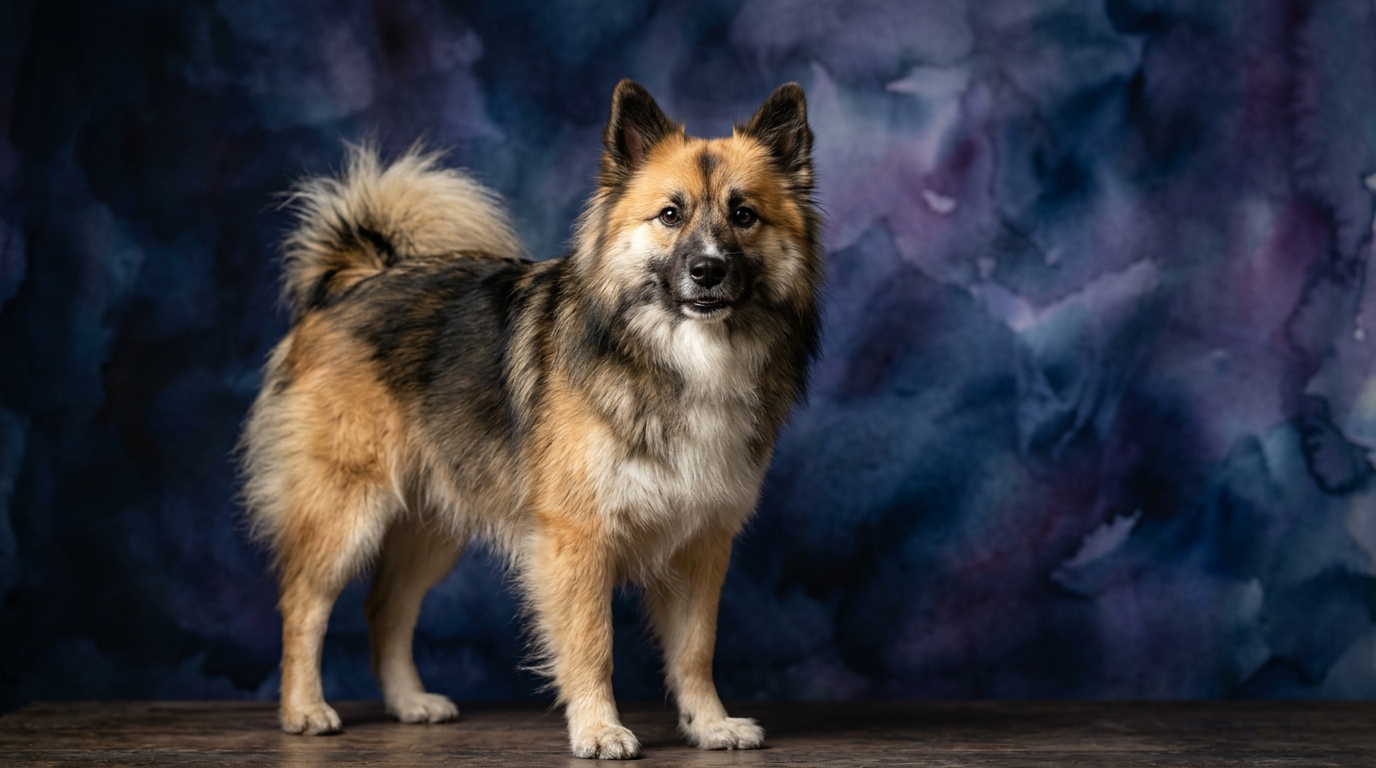
The Icelandic Sheepdog, a resilient herding dog from the Nordic lands, exhibits a consistent 3/5 across all our IQ dimensions. Their Problem Solving at 3/5 manifests as practical, adaptive thinking crucial for navigating challenging terrains and managing livestock; this isn't abstract reasoning, but quick, real-world decision-making. A Training Speed of 3/5 indicates they are capable learners, eager to collaborate, though their inherent drive to herd can sometimes introduce independent thought. Their Social Intelligence at 3/5 highlights their deep attunement to human cues and strong family bonds, essential for cooperative work. The Instinctive Drive, also 3/5, is powerfully expressed through their innate desire to gather and vocalize. Finally, their Memory at 3/5 allows them to retain complex herding patterns and commands, vital for consistent performance.
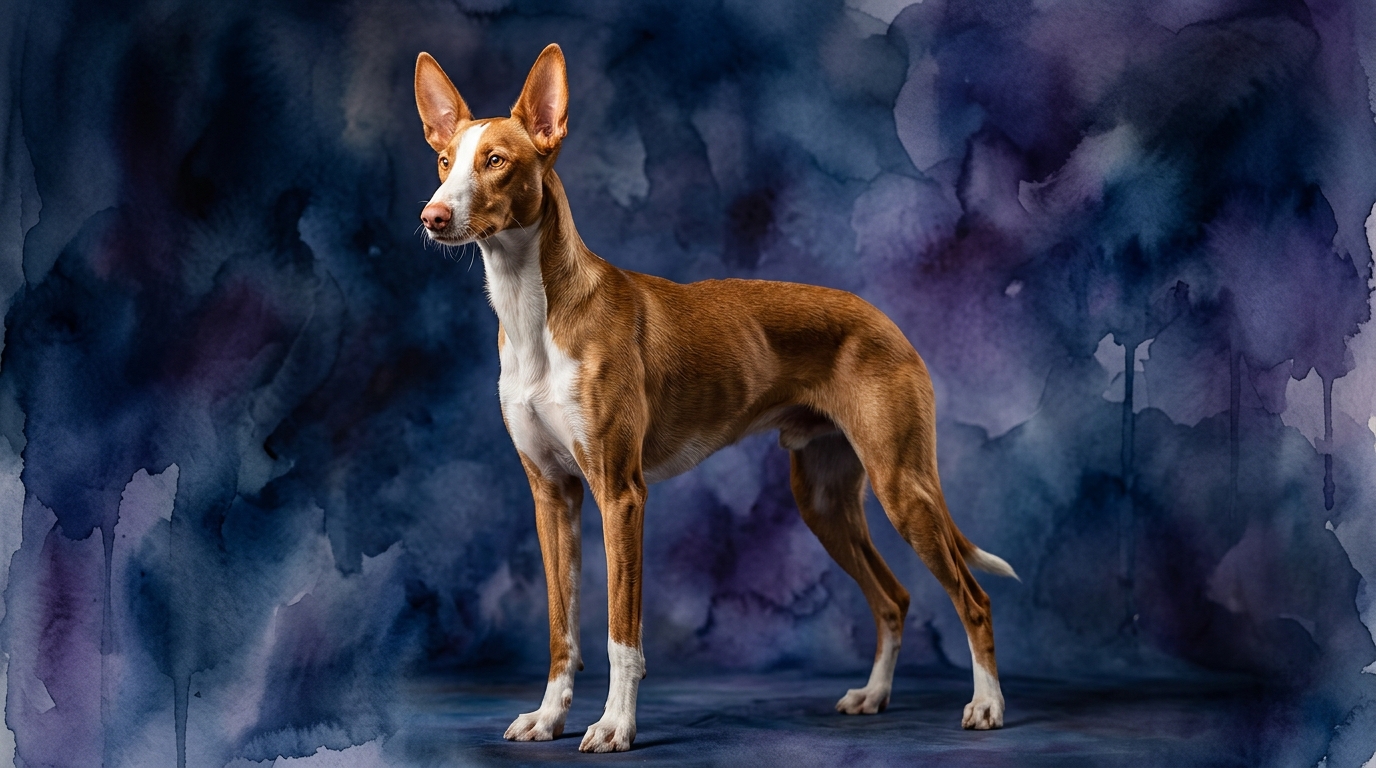
The Ibizan Hound, a graceful sighthound originating from the Balearic Islands, mirrors the Icelandic Sheepdog with 3/5 in every cognitive category, yet their application differs significantly. Their 3/5 Problem Solving shines in the hunt, where they independently decipher complex scent trails, anticipate prey movements, and strategize pursuits across varied landscapes. A Training Speed of 3/5 suggests they are certainly able to learn commands, but their strong individualistic streak often means training requires engaging methods to compete with their natural hunting focus. Their Social Intelligence at 3/5 points to deep affection for their family, often expressed with a sighthound's characteristic reserve, understanding human intentions without being overly demonstrative. The Instinctive Drive, also 3/5, is a formidable prey drive, compelling them to visually track, chase, and pursue with silent determination. Their Memory at 3/5 is crucial for recalling specific hunting grounds, effective tactics, and the location of scent trails over time.
Where the Icelandic Sheepdog Wins Cognitively
Despite identical scores, the Icelandic Sheepdog often appears to 'win' in scenarios demanding cooperative cognition and human-directed focus. Their problem-solving, while rated 3/5, is deeply intertwined with collaborative effort; they excel at interpreting subtle human cues to navigate complex herding tasks, demonstrating a superior capacity for shared attention and real-time responsiveness to their handler. This makes them exceptionally attuned to human expectations, seeking to perform tasks that please and engage their person. Furthermore, their historical role as a vocal herder translates into an acute environmental awareness and a readiness to communicate observations to their human through barks or alerts. This constant vigilance and desire to inform their family about changes in their surroundings can be a distinct cognitive advantage in a home environment, fostering a dynamic, communicative partnership.
Where the Ibizan Hound Wins Cognitively
The Ibizan Hound's cognitive strengths truly shine in independent problem-solving and highly specialized sensory application. While their problem-solving is also 3/5, it is geared towards autonomous decision-making in the field. When hunting, they are expected to navigate challenging environments, assess prey movements, and strategize pursuit without constant human intervention, making them adept at figuring things out solo. This self-reliance makes them exceptionally capable in scenarios where direct human guidance isn't possible. Their exceptional sight and hearing, coupled with their instinctive drive, mean their cognitive processing is profoundly specialized for interpreting and acting upon subtle environmental cues. Their ability to process visual information at high speeds and make instantaneous, adaptable decisions based on movement gives them a distinct cognitive edge in tasks requiring rapid sensory analysis and flexible, dynamic responses, such as a swift change in prey direction.
Which is Easier to Train, and Why?
When it comes to trainability, the Icelandic Sheepdog generally presents a more straightforward experience for most owners. Their 3/5 training speed is coupled with a strong desire to please and a natural inclination towards cooperative work, stemming from their herding heritage. They thrive on structured tasks and positive reinforcement, often finding joy in engaging in learning sessions with their human. They are biddable and responsive, making them receptive to a wide range of commands and activities, though their vocal nature might require specific training to manage. Their social intelligence means they are deeply invested in understanding and responding to their handler's intentions, which significantly aids the training process.
The Ibizan Hound, despite an identical 3/5 training speed, can be more challenging due to their profound independence and potent prey drive. While they are capable of learning, their 3/5 instinctive drive often prioritizes the thrill of the chase over human directives. Training must be exceptionally engaging, reward-based, and often kept short to capture and maintain their focus against competing environmental stimuli. They might understand a command perfectly but choose not to execute it if a more compelling scent or movement presents itself. Their independence, a vital asset in their hunting role, can be a significant hurdle in traditional obedience settings, requiring patience and creative motivation from their handler.
Which Suits Active Owners vs. Relaxed Owners
Neither the Icelandic Sheepdog nor the Ibizan Hound are suited for truly relaxed or sedentary owners; both are working breeds with significant energy and cognitive needs. The Icelandic Sheepdog requires an active owner who can provide consistent mental stimulation through 'work' – be it herding games, agility, or advanced obedience – alongside regular physical exercise. Their activity is often human-directed and collaborative; they need a 'job' and thrive on engagement. Without an outlet for their herding instincts and vocal nature, they can become bored or destructive. They are best for owners who enjoy a highly engaged, communicative companion eager to participate in shared activities.
The Ibizan Hound also demands an active lifestyle, but their needs are often expressed differently. They require significant opportunities for running and sprinting in securely fenced areas, allowing them to fully express their explosive energy and sighthound nature. Their mental stimulation often comes from independent exploration and the pursuit of scents or visual targets. While they appreciate companionship, their energy is less about constant human-directed activity and more about bursts of intense physical exertion. Owners who appreciate an independent, elegant athlete and can provide ample, safe space for their powerful runs will find a rewarding companion in the Ibizan Hound, understanding that their calm indoor demeanor often follows intense outdoor activity.
The Verdict
Choose the Icelandic Sheepdog if you seek a highly engaged, cooperative partner for various dog sports and family activities, who thrives on communication and collaboration with their human.
Opt for the Ibizan Hound if you appreciate an independent, elegant athlete with a strong prey drive, capable of bursts of speed in secure areas, and value their reserved yet deep affection.
🧠 Find Your Pet's IQ Score
Our Pet IQ Lab assessment covers 25+ tests across 5 cognitive dimensions — personalized to your breed.
Take the Full IQ Test →Frequently Asked Questions
Are Icelandic Sheepdogs good with children?
Yes, Icelandic Sheepdogs are generally known for being good with children. Their social intelligence and desire to be part of the family make them patient and playful companions, often acting as gentle guardians. Early socialization is always beneficial to ensure positive interactions.
Do Ibizan Hounds need a large yard?
While a large, securely fenced yard is highly beneficial for an Ibizan Hound to express their need for running and sprinting, it's not strictly a requirement if owners can provide alternative outlets. Daily opportunities for off-leash running in a safe, enclosed space like a dog park or private land are crucial to satisfy their physical demands, regardless of yard size.
What is the main difference in trainability despite similar IQ scores?
The key difference lies in their primary motivations: the Icelandic Sheepdog's 3/5 training speed is amplified by its strong desire to please and cooperate, making it generally more biddable. The Ibizan Hound's identical 3/5 training speed is often overshadowed by its powerful, independent prey drive, requiring more creative and highly rewarding methods to maintain focus and compliance against natural instincts.