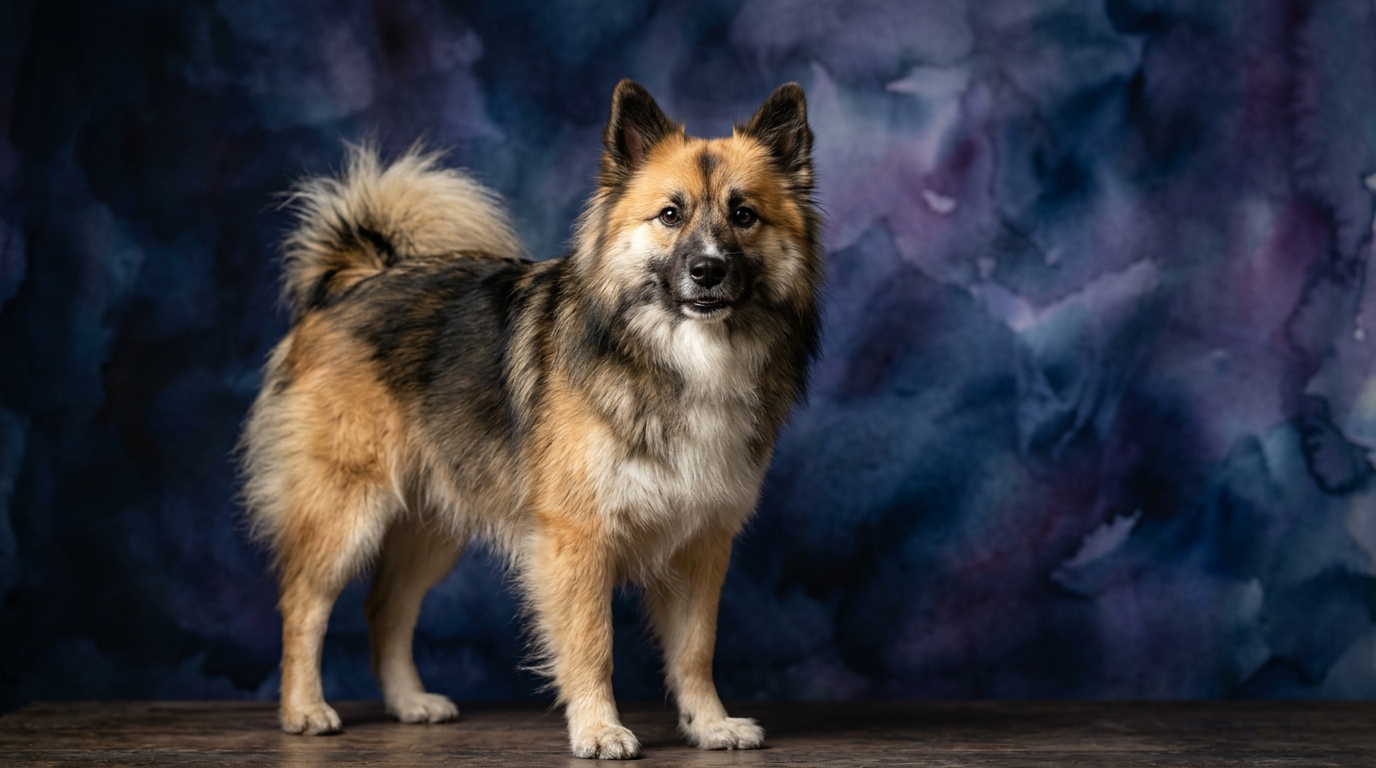
Side-by-Side IQ Profile: Icelandic Sheepdog
The Icelandic Sheepdog's 3/5 in problem-solving reflects a practical, environmental cunning, honed over centuries of navigating challenging terrains and managing livestock. They excel at figuring out how to re-route a stray sheep or find an optimal path through snow, rather than solving puzzle toys for abstract rewards.
Their 3/5 training speed isn't about rote memorization but an eagerness to engage in meaningful tasks, often picking up complex herding commands or agility sequences with moderate repetition. While they are attentive, their independent thought, crucial for herding, means they might question or adapt commands if they perceive a more efficient solution.
A 3/5 in social intelligence for the Icelandic Sheepdog signifies a deep attunement to their human companions and the 'flock,' whether it's livestock or family members. They read human cues well and are sensitive to emotional states, using this understanding to maintain harmony and communicate needs effectively, often with characteristic vocalizations.
Their 3/5 instinctive drive is undeniably rooted in their herding heritage, manifesting as a strong desire to gather, protect, and patrol, accompanied by a distinctive barking tendency. This drive isn't merely about chasing, but about organizing and overseeing, making them naturally vigilant and engaged with their surroundings.
The Icelandic Sheepdog's 3/5 memory is excellent for practical applications, remembering complex routes across varied landscapes, the locations of their flock, and specific commands associated with tasks. They retain lessons learned from experience, particularly those related to their 'job' or household routines, ensuring consistency in their work and home life.
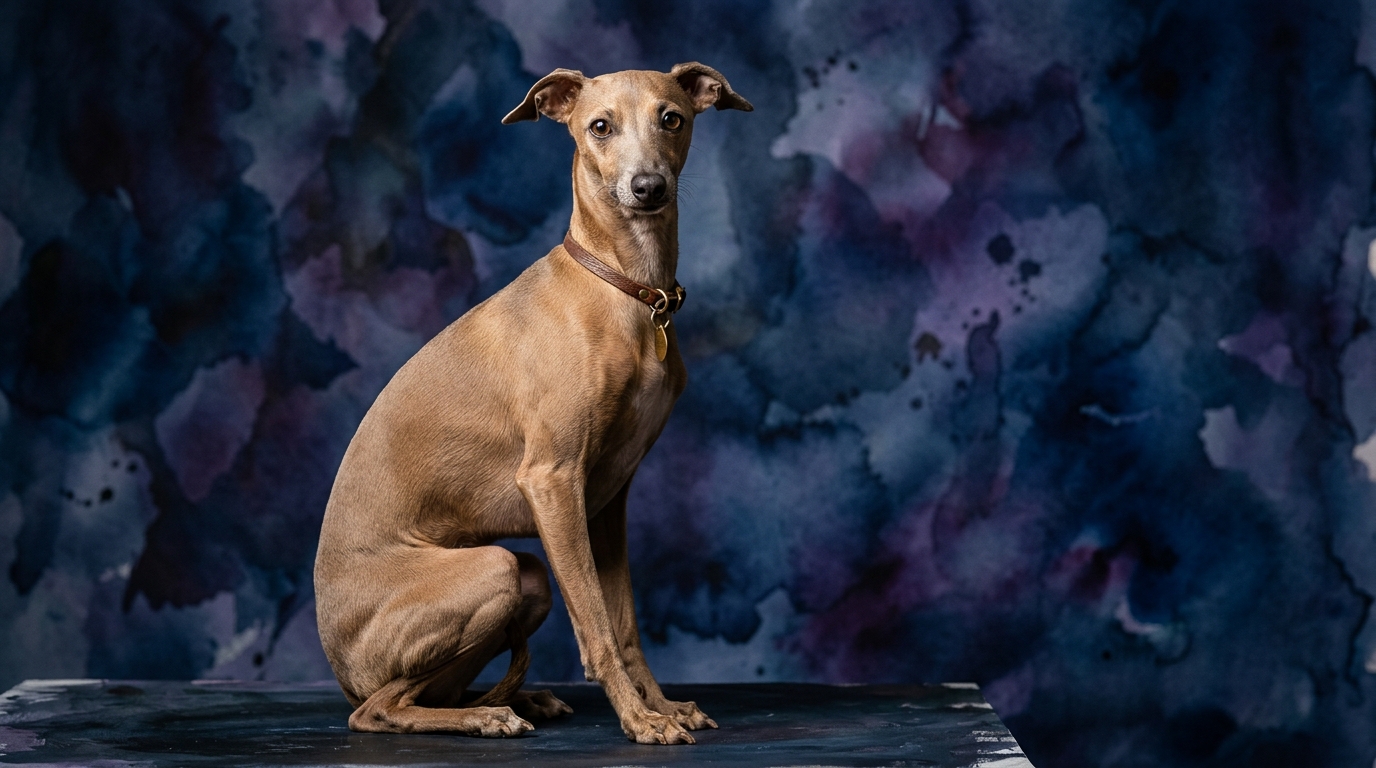
Side-by-Side IQ Profile: Italian Greyhound
The Italian Greyhound's 3/5 in problem-solving often manifests as cleverness within a domestic context, figuring out how to snuggle into the warmest blanket, manipulate their owner for treats, or skillfully avoid situations they dislike. Their intelligence is less about environmental navigation and more about optimizing personal comfort and social interaction.
Their 3/5 training speed is characterized by quick learning when motivated by positive reinforcement and comfort, but can be hampered by sensitivity or a short attention span for repetitive drills. They are adept at learning routines that benefit them, like 'sit' for a treat or 'come' for a cuddle, but might find abstract obedience less compelling.
A 3/5 social intelligence for the Italian Greyhound means they are exquisitely sensitive to human emotions and deeply connected to their primary caregivers, often described as 'velcro dogs.' They excel at reading subtle body language and vocal tones, using this understanding to seek comfort, provide companionship, or gently demand attention.
Their 3/5 instinctive drive is primarily that of a sighthound – a powerful urge to chase anything that moves quickly, coupled with an equally strong drive for warmth, comfort, and close physical contact with their humans. This isn't a working drive, but rather a blend of primal chase instinct and profound companion animal needs.
The Italian Greyhound's 3/5 memory is strong for routines, preferred sleeping spots, the location of their favorite toys, and individuals who offer comfort or treats. They remember positive and negative experiences vividly, which influences their future interactions and their willingness to engage in certain activities or avoid others.
Where the Icelandic Sheepdog Wins Cognitively
While both breeds share similar raw cognitive scores, the Icelandic Sheepdog's intelligence shines in scenarios demanding independent decision-making and environmental mastery. Their problem-solving, rated 3/5, is geared towards dynamic, unpredictable situations, allowing them to assess and react to changing conditions in a way essential for managing livestock or navigating varied terrains without constant human direction. This practical ingenuity means they excel at tasks requiring situational awareness and adaptive strategies, such as complex scent work outdoors or navigating an agility course with novel obstacles.
Furthermore, their 3/5 instinctive drive, deeply tied to their herding purpose, provides a robust internal motivation for engagement with the world around them. This translates to a natural curiosity and a desire to understand and influence their environment, making them particularly adept at learning and applying knowledge in a 'working' context, even if that work is simply supervising the family. Their memory, also 3/5, is finely tuned to remember sequences of actions and spatial relationships, allowing them to recall intricate routes or complex multi-step commands related to their perceived duties.
Where the Italian Greyhound Wins Cognitively
The Italian Greyhound, despite identical raw scores, demonstrates a distinct cognitive advantage in the realm of social and emotional intelligence within a domestic setting. Their 3/5 social intelligence is exquisitely tuned to human subtleties, allowing them to form exceptionally deep bonds and anticipate their owner's needs or moods with remarkable accuracy. This makes them masters of subtle communication, often using glances or body language to convey desires for comfort or play, a skill that fosters profound companionship.
Their problem-solving, also 3/5, is brilliantly applied to optimizing their home life, whether it's finding the sunniest spot for a nap, securing a coveted treat, or charming their way onto the couch for cuddles. This resourcefulness, while not about herding sheep, is highly effective in navigating the human world to their advantage. Moreover, their training speed of 3/5, while sensitive, means they are quick to learn behaviors that lead to positive reinforcement, especially comfort or affection, making them highly adaptable to household routines and expectations when approached with patience and kindness.
Which is Easier to Train and Why
Determining which breed is 'easier' to train is less about raw cognitive ability and more about motivation and approach. The Icelandic Sheepdog, with its 3/5 training speed and strong 3/5 instinctive drive, is often eager to please and thrives on engaging, task-oriented training. They respond well to positive reinforcement and clear, consistent direction, especially when the training feels like a 'job' or a puzzle to solve. However, their independent problem-solving (3/5) means they might offer alternative solutions or get distracted by environmental stimuli if the training isn't captivating enough, requiring a trainer who can keep them mentally stimulated and vary routines.
Conversely, the Italian Greyhound, also with a 3/5 training speed, can be equally quick to learn, but their motivation stems more from comfort, companionship, and gentle rewards. They are highly sensitive (part of their 3/5 social intelligence) and can shut down if training is harsh or overly repetitive. Their 3/5 instinctive drive, focused on chasing and comfort, means they might be less interested in abstract obedience and more motivated by activities that involve their owner or lead to a cozy reward. For an Italian Greyhound, training success hinges on positive reinforcement, short sessions, and making it feel like a fun, bonding experience rather than a demanding task, often requiring more patience with house-training due to their delicate bladder and preference for comfort.
Which Suits Active Owners vs. Relaxed Owners
For active owners seeking a canine partner for adventures and engagement, the Icelandic Sheepdog is often an ideal match. Their 3/5 instinctive drive and problem-solving skills mean they require consistent mental and physical stimulation, thriving on activities like hiking, agility, herding games, or even just long, exploratory walks where they can 'work' their surroundings. They are robust and enjoy being outdoors, making them excellent companions for owners who enjoy an active lifestyle and are prepared to provide plenty of opportunities for their dog to think and move. Their social intelligence (3/5) ensures they are deeply bonded with their active family, participating eagerly in shared experiences.
In contrast, the Italian Greyhound is often a better fit for more relaxed owners who prioritize companionship and indoor comfort, though they do enjoy bursts of energetic play. While they have a 3/5 instinctive drive for chasing, their physical needs are generally met with short sprints and indoor play, followed by extensive lounging. Their profound 3/5 social intelligence makes them crave close physical proximity and emotional connection, making them content to cuddle on the couch for hours. They are sensitive to cold and prefer warm, soft environments, aligning well with owners who enjoy a cozy, home-centric lifestyle and want a devoted, affectionate lap dog.
The Verdict
Choose an Icelandic Sheepdog if you're an active owner seeking a resilient, engaged companion who thrives on practical mental challenges, outdoor adventures, and a 'job' to do, even if it's just supervising the family.
Opt for an Italian Greyhound if you desire a deeply affectionate, sensitive companion who excels at emotional attunement, enjoys cozy comforts, and thrives on close human interaction within a generally relaxed home environment.
🧠 Find Your Pet's IQ Score
Our Pet IQ Lab assessment covers 25+ tests across 5 cognitive dimensions — personalized to your breed.
Take the Full IQ Test →Frequently Asked Questions
Do Icelandic Sheepdogs bark a lot due to their herding instincts?
Yes, their 3/5 instinctive drive for herding often includes vocalization as a primary communication tool, both with their flock and their human family. This means they can be quite prone to barking to alert, gather, or express excitement, requiring consistent training to manage.
Are Italian Greyhounds difficult to house train because of their sensitivity?
Italian Greyhounds can present challenges with house-training due to their sensitive nature, small bladders, and preference for warmth, making them reluctant to go outside in inclement weather. Consistent positive reinforcement, frequent potty breaks, and patience are crucial for success.
How do both breeds fare with children, given their social intelligence scores?
Both breeds, with their 3/5 social intelligence, can be good with respectful children. Icelandic Sheepdogs are generally patient and sturdy, often viewing children as part of their 'flock.' Italian Greyhounds are delicate and sensitive, thriving best with older, gentle children who understand their need for quiet spaces and careful handling.