Side-by-Side IQ Profile
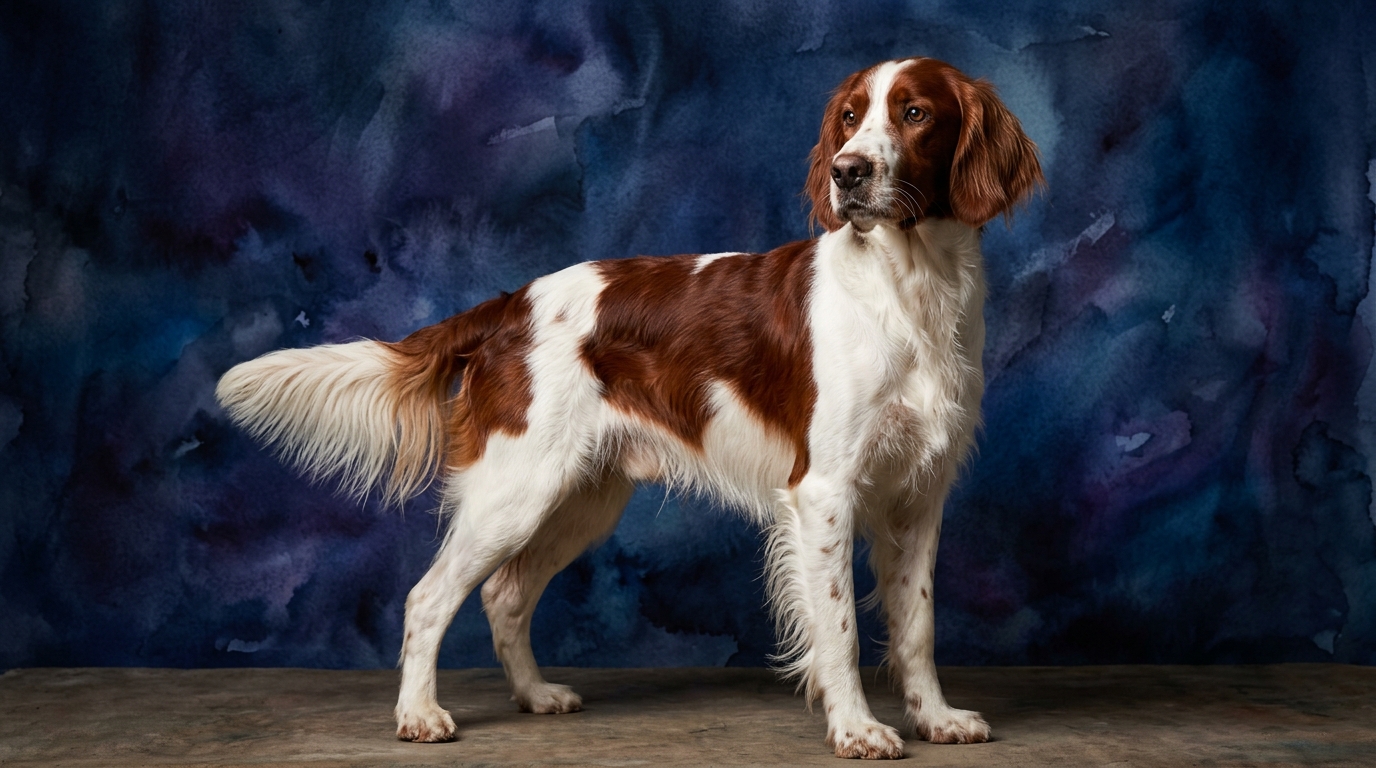
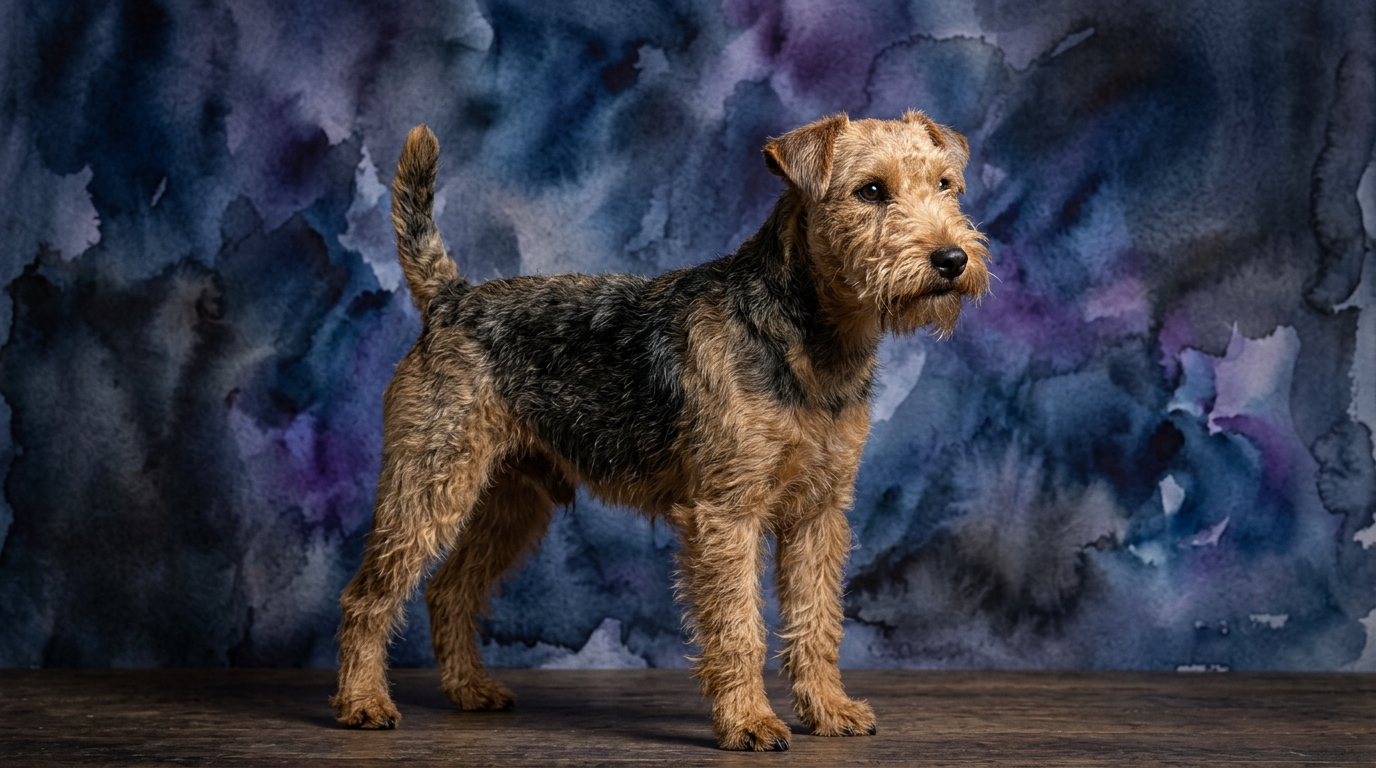
Despite sharing identical 3/5 scores across The Cosmic Pet Pet IQ Lab’s five cognitive dimensions, the Irish Red and White Setter (IRWS) and the Lakeland Terrier (LT) exhibit these traits through distinctly different lenses, reflecting their breed histories and inherent temperaments.
Problem Solving (3/5): For the IRWS, a 3/5 in problem-solving often translates to strategic thinking in open fields, such as efficiently quartering ground to locate game birds or navigating complex terrain during a hunt. Their solutions are typically geared towards cooperative endeavors with a handler. In contrast, the Lakeland Terrier's 3/5 problem-solving manifests as resourceful independence, finding ways to outwit small prey or escape perceived confinements, often through digging or clever maneuvering. Their problem-solving is more self-directed and tenacious.
Training Speed (3/5): The IRWS, with its eager-to-please Sporting Group heritage, typically picks up new commands at a moderate pace, thriving on positive reinforcement and a clear understanding of its role in a working partnership. Their learning is often motivated by the desire for shared activity. The Lakeland Terrier also scores 3/5, demonstrating a quick grasp of concepts; however, their training speed can be influenced by their independent Terrier nature, sometimes choosing to apply learned behaviors only when it suits their immediate interest, requiring consistent engagement and patience from the trainer.
Social Intelligence (3/5): An IRWS’s social intelligence at 3/5 is often expressed through its sensitive understanding of human moods and its ability to integrate smoothly into a family unit, forming strong, affectionate bonds and demonstrating cooperative behaviors. They are attuned to their human companions' non-verbal cues. The Lakeland Terrier's 3/5 social intelligence is more about assessing dynamics, whether within a human family or with other animals, often with a keen eye for hierarchy and boundaries. They can be charming and engaging but also possess a confident self-assurance that shapes their interactions.
Instinctive Drive (3/5): Both breeds possess a robust 3/5 instinctive drive, but its focus diverges significantly. The IRWS's drive is primarily centered on scent-tracking, pointing, and retrieving game birds, exhibiting a tireless work ethic in the field. Their instincts are refined for a specific, collaborative hunting task. The Lakeland Terrier's drive, conversely, is deeply rooted in its vermin-hunting origins, manifesting as an intense desire to chase, dig, and pursue small, fast-moving prey. This drive is often expressed with unwavering focus and determination, even in challenging environments.
Memory (3/5): An IRWS’s 3/5 memory is typically excellent for remembering field patterns, the locations of previous finds, and complex scent trails, crucial for effective hunting. They recall routines and associated rewards well. The Lakeland Terrier also scores 3/5, often demonstrating a strong memory for escape routes, the whereabouts of interesting scents, or specific strategies that yielded success in past independent endeavors. Their recall tends to be linked to their self-motivated pursuits.
Where Irish Red and White Setter Wins Cognitively
While both breeds share identical 3/5 scores across the board, the Irish Red and White Setter often demonstrates a cognitive advantage in specific scenarios rooted in its cooperative hunting lineage. Their 3/5 in problem-solving shines particularly when tasks require a coordinated effort with a human handler, such as navigating a complex field to quarter for birds or understanding multi-step commands during a retrieve. They excel at deciphering human intentions and responding in a partnership, making them particularly adept at activities like obedience or field trials where synchronicity with their handler is paramount.
Their social intelligence, also rated 3/5, often presents as a more overt sensitivity to human emotional states and a greater eagerness to please, which can translate into a smoother learning curve for intricate cooperative tasks. This attunement allows them to anticipate their handler's next move or adjust their behavior based on subtle cues, fostering a highly collaborative learning environment. Furthermore, their instinctive drive, while equally strong at 3/5, is channeled towards activities that involve sustained focus on scent and visual tracking over larger areas, making them superior in tasks requiring endurance and methodical searching rather than quick, decisive bursts of predatory action. Their memory of 3/5 is often applied to remembering extensive field layouts and complex scent patterns, which is a specialized cognitive strength for their sporting role.
Where Lakeland Terrier Wins Cognitively
The Lakeland Terrier, despite its identical 3/5 IQ scores, distinguishes itself cognitively in areas demanding tenacity, independent thought, and quick, reactive decision-making. Their 3/5 problem-solving ability is often superior when faced with challenges requiring creative, self-reliant solutions, such as figuring out how to access a confined space or outmaneuver a small, elusive critter. This ingenuity stems from generations of working alone or in small groups to dispatch vermin, fostering a mindset of independent action rather than waiting for human direction.
Their 3/5 instinctive drive is intensely focused and resilient, making them unparalleled in tasks requiring sustained, singular determination, like digging out a burrow or pursuing a scent through dense undergrowth. This drive is less about cooperative hunting and more about singular, focused eradication, demanding a different kind of cognitive processing for target acquisition and pursuit. The Lakeland Terrier's social intelligence, also 3/5, often includes a shrewd ability to assess situations and other individuals, sometimes using their charm or stubbornness to achieve their own objectives. This self-assuredness can make them particularly adept at navigating complex social dynamics in a way that benefits them. Their 3/5 memory is often exceptional for recalling locations of prey, successful hunting strategies, or routes for independent exploration, showcasing a practical, self-serving memory over the Setter's cooperative recall.
Which is Easier to Train and Why
Determining which breed is "easier" to train, despite both scoring 3/5 in training speed, hinges significantly on an owner's approach and understanding of breed-specific motivations. The Irish Red and White Setter generally presents as more amenable to traditional obedience training. Their sporting heritage cultivates a desire to work in harmony with a human, and they respond well to positive reinforcement, praise, and the opportunity for shared activity. They typically possess a strong "off switch" when inside and a focused drive when outside, which aids in structured learning environments. Their inherent eagerness to please and their sensitivity to handler cues mean they often strive to understand and execute commands correctly, seeking approval.
The Lakeland Terrier, while equally capable of learning quickly (3/5 training speed), often requires a more creative, patient, and consistent training approach. Their independent, tenacious Terrier nature means they are less inclined to blindly follow commands if a more exciting scent or activity presents itself. Training a Lakeland often involves convincing them that complying is more rewarding than pursuing their own agenda. Owners need to make training engaging, varied, and fun to maintain their interest, as repetitive drills can lead to boredom and stubbornness. While an IRWS might aim to please its owner, a Lakeland often aims to please itself, requiring a trainer to leverage that self-interest effectively. Their strong prey drive means recall in an unfenced area can be particularly challenging without extensive, consistent training from a young age.
Which Suits Active Owners vs Relaxed Owners
Both the Irish Red and White Setter and the Lakeland Terrier are breeds that thrive with active engagement, making neither an ideal choice for a truly "relaxed" or sedentary owner, but their activity needs differ in nature. The Irish Red and White Setter is best suited for active owners who enjoy long, vigorous outdoor excursions, such as hiking, jogging, or field work. Their 3/5 instinctive drive and stamina mean they require substantial daily exercise to prevent boredom and restlessness. They are excellent companions for owners who want a dog to participate in activities that involve covering large areas and working cooperatively, like dog sports such as agility, obedience, or scent work. Their need for physical exertion is often matched by a desire for mental stimulation through training and companionship.
The Lakeland Terrier also requires an active owner, but one who appreciates intensity and focused bursts of energy rather than sustained, wide-ranging activity. Their 3/5 instinctive drive for chasing and digging means they need outlets for these behaviors, often thriving with structured play, earthdog trials, or walks that allow for sniffing and exploration of interesting scents. While they can keep up on a hike, their preference might be for shorter, more intense play sessions combined with mental challenges. A "relaxed" owner who simply wants a quiet lapdog would find both breeds challenging, but the Lakeland's specific brand of energetic independence and potential for vocalization or destructive digging if under-exercised might be particularly demanding for someone seeking a low-key companion. Their smaller size might deceive some into thinking they require less exercise than the Setter, but their intensity of activity can be just as significant.
The Verdict
Choose the Irish Red and White Setter if you seek a cooperative, sensitive companion for extensive outdoor adventures and enjoy engaging in collaborative activities like field trials or advanced obedience. Their eager-to-please nature and grace make them superb partners for active families who appreciate a dog that thrives on shared purpose.
Opt for the Lakeland Terrier if you are an active, experienced owner who appreciates a tenacious, independent spirit in a smaller package, and are prepared for consistent, engaging training to channel their strong prey drive and clever problem-solving into productive outlets. They are ideal for those who enjoy a dog with distinct personality and a zest for life, even if it comes with a stubborn streak.
🧠 Find Your Pet's IQ Score
Our Pet IQ Lab assessment covers 25+ tests across 5 cognitive dimensions — personalized to your breed.
Take the Full IQ Test →Frequently Asked Questions
Do Irish Red and White Setters make good family pets despite their hunting background?
Yes, Irish Red and White Setters can make excellent family pets due to their social intelligence (3/5) and affectionate nature, often being very patient and gentle with children. They thrive on companionship and integrate well into family life, provided their significant exercise and mental stimulation needs are met daily.
Are Lakeland Terriers prone to excessive barking or digging?
Lakeland Terriers, with their strong instinctive drive (3/5) and historical role in hunting vermin, can be prone to barking and digging if not properly trained and exercised. These behaviors are often expressions of their natural instincts and can be managed with consistent training, enrichment, and appropriate outlets for their energy.
How do their problem-solving skills differ in a home environment?
While both score 3/5 in problem-solving, an IRWS might use its skills to figure out how to get a toy from under furniture or open a gate to join its family. A Lakeland Terrier, conversely, might apply its problem-solving to more mischievous tasks, like escaping a yard, figuring out how to reach forbidden treats, or manipulating situations to get attention, reflecting its independent nature.