Side-by-Side Cognitive Profiles: Decoding the '3/5' Score
While both the Irish Red and White Setter (IRWS) and the Soft Coated Wheaten Terrier (SCWT) register a 3 out of 5 across all evaluated IQ dimensions, the manifestation of these scores is profoundly influenced by their distinct breed groups and historical purposes. A '3/5' in problem-solving for a Sporting dog looks quite different from a '3/5' for a Terrier, reflecting varied cognitive strengths and approaches.
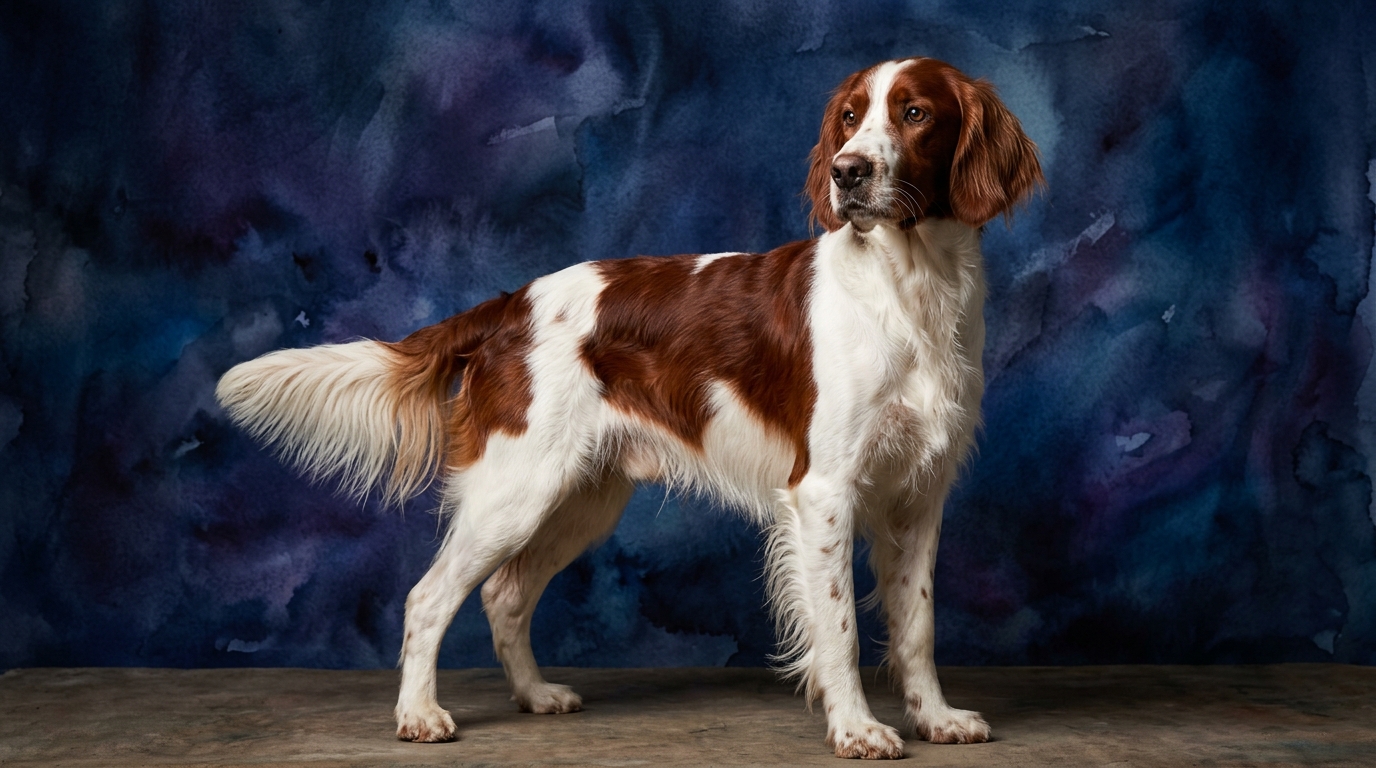
For the Irish Red and White Setter, a Sporting breed, their **Problem Solving (3/5)** typically manifests in tasks related to their field heritage. They are adept at navigating complex outdoor environments, locating hidden objects (especially scents), and strategizing how to retrieve items from challenging spots. Their solutions often involve sustained focus and a methodical approach, aiming to achieve a cooperative goal with their handler. Their **Training Speed (3/5)** indicates a moderate pace of learning, often spurred by a desire to please and engage in shared activities. They can grasp new commands and routines effectively, particularly when positive reinforcement and consistency are employed, though they might require patient repetition to solidify complex sequences. Their **Social Intelligence (3/5)** is characterized by a generally outgoing and empathetic nature. They are often sensitive to human emotions and cues, fostering strong bonds and understanding social dynamics within their family unit, making them responsive to their owner's mood and intentions. The **Instinctive Drive (3/5)** of an IRWS is strongly geared towards hunting and retrieving, particularly birds. This translates into a natural inclination to follow scents, point, and retrieve, requiring ample opportunities for physical and mental engagement in activities mimicking their original purpose. Finally, their **Memory (3/5)** is robust for routines, commands, and spatial awareness, especially when associated with positive experiences or field work, allowing them to recall complex patterns and sequences learned during training.
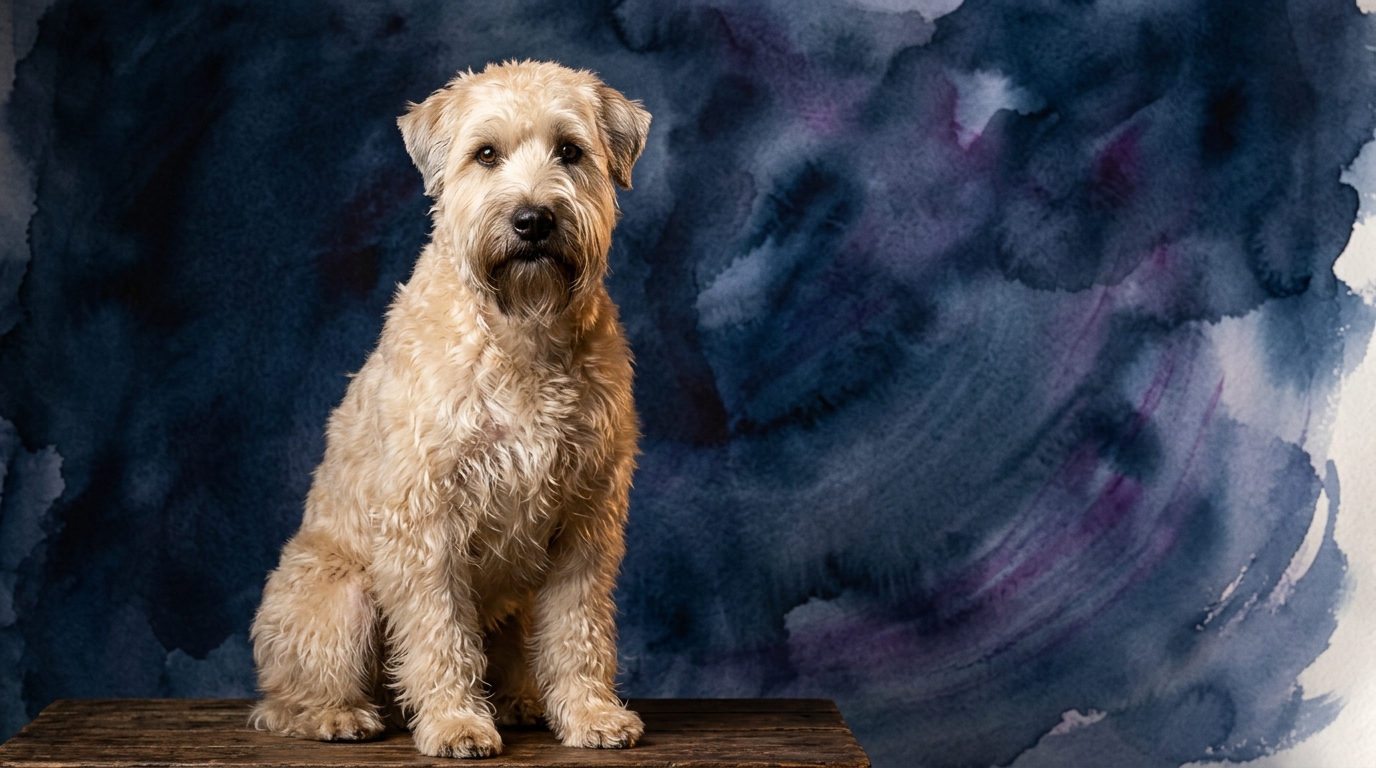
The Soft Coated Wheaten Terrier, a Terrier breed, approaches these same cognitive dimensions with a different emphasis. Their **Problem Solving (3/5)** is often marked by tenacity and independent thinking, geared towards overcoming obstacles to reach a desired outcome, much like their ancestors pursued vermin. This might involve figuring out how to open a gate, access a forbidden area, or creatively retrieve a toy stuck under furniture, often with a determined, sometimes stubborn, persistence. Their **Training Speed (3/5)** means they are capable of learning new commands swiftly, but their independent Terrier spirit means compliance isn't always immediate or guaranteed. They can pick up on cues quickly, yet their willingness to perform might depend on their interest level or if a more engaging distraction presents itself, demanding engaging and consistent methods from their handler. The **Social Intelligence (3/5)** of a SCWT is expressed through their affectionate yet confident demeanor. They are highly attuned to their family's social structure and emotions, often seeking interaction and displaying a cheerful disposition, but they may also test boundaries playfully or assertively, reflecting their independent nature. Their **Instinctive Drive (3/5)** is rooted in their vermin-hunting past, manifesting as a strong urge to chase, dig, and investigate small, moving objects. This drive fuels their curiosity and requires appropriate outlets to prevent boredom-induced behaviors. Lastly, a SCWT's **Memory (3/5)** is quite strong for both positive and negative experiences, commands, and locations. They will remember where a treat was hidden or a specific route taken, which can be beneficial for training but also means they will recall past successful attempts at mischief.
Where the Irish Red and White Setter Shows Cognitive Strengths
The Irish Red and White Setter excels in cognitive tasks requiring sustained focus and cooperative effort. Their problem-solving shines in situations demanding a methodical approach, such as tracking complex scent trails over varied terrain or executing multi-step retrieving sequences. Their social intelligence fosters a deep understanding of handler cues, allowing for nuanced communication during activities like advanced obedience or field work. This breed's memory supports the recall of intricate patterns and long-term training, making them particularly adept at mastering sequential tasks and performing consistently within a structured environment where collaboration is key.
Where the Soft Coated Wheaten Terrier Shows Cognitive Strengths
The Soft Coated Wheaten Terrier's cognitive strengths lie in their independent problem-solving and tenacious pursuit of goals. They are often resourceful in figuring out how to bypass physical barriers or manipulate objects to achieve a desired outcome, demonstrating a clever and persistent ingenuity. Their social intelligence, while affectionate, also allows them to gauge opportunities for independent action or playful boundary-testing. This breed’s memory underpins their ability to recall successful strategies for navigating their environment or acquiring desired items, often making them quick learners of both acceptable and mischievous behaviors.
Which is Easier to Train and Why?
When considering ease of training, the Irish Red and White Setter generally presents a more straightforward experience for most handlers. Their Sporting dog heritage imbues them with a strong desire to work cooperatively with humans, making them more biddable and responsive to commands. An IRWS's "3/5" training speed is often amplified by their eagerness to please and their natural inclination towards retrieving and scent work, meaning they will typically engage willingly in training sessions and repeat tasks to earn praise or rewards. While they can be distracted by compelling scents or sights, their fundamental drive is to collaborate, making them generally more consistent in their responses.
The Soft Coated Wheaten Terrier, conversely, can be more challenging to train due to their independent and sometimes stubborn Terrier temperament. While their "3/5" training speed means they are perfectly capable of understanding commands quickly, their compliance is often discretionary. A SCWT might grasp a new cue in just a few repetitions but then choose to ignore it if they are bored, perceive a greater reward elsewhere, or simply prefer to pursue their own agenda. Training a Wheaten requires creativity, consistency, and a deep understanding of their playful yet tenacious nature, often turning training into a negotiation rather than a simple instruction. Owners must make training fun and highly rewarding to overcome their inherent inclination to think for themselves.
Matching Canine Cognitive Styles to Owner Lifestyles
For **active owners**, the Irish Red and White Setter is an excellent match. Their strong instinctive drive and problem-solving abilities thrive with significant daily exercise, such as long runs, hikes, or vigorous games of fetch. They are built for endurance and mental engagement in the outdoors, making them ideal partners for activities like field trials, agility, or competitive obedience. Owners who enjoy spending hours actively engaging their dog's mind and body in cooperative pursuits will find the IRWS to be an enthusiastic and fulfilling companion. Their cognitive profile benefits immensely from consistent outlets for their sporting instincts and a handler who can provide varied mental challenges.
The Soft Coated Wheaten Terrier also requires an **active owner**, but their activity needs might manifest differently. While they need vigorous daily exercise and play to burn off energy, their problem-solving and instinctive drive often lean towards bursts of activity, chasing, and independent exploration within a contained environment. They are not content to be couch potatoes and require consistent mental stimulation through puzzle toys, training games, and engaging walks to prevent boredom-induced behaviors. While they enjoy cuddling, their terrier spirit means they will quickly seek out new challenges or entertainment. A Wheaten can adapt to owners who provide substantial daily activity but perhaps less sustained, long-distance endurance work than an IRWS, provided they receive ample mental engagement to satisfy their clever, independent minds. Neither breed is suitable for truly relaxed or sedentary owners, as their shared '3/5' scores in instinctive drive and problem-solving necessitate active participation and engagement from their human companions.
The Verdict
Choose the Irish Red and White Setter if you seek a cooperative, enthusiastic partner for extensive outdoor activities, field work, or dog sports, valuing a dog that thrives on working closely alongside you.
Opt for the Soft Coated Wheaten Terrier if you prefer an independent, tenacious companion with a playful spirit, who will challenge you with their cleverness and require consistent, engaging training methods.
🧠 Find Your Pet's IQ Score
Our Pet IQ Lab assessment covers 25+ tests across 5 cognitive dimensions — personalized to your breed.
Take the Full IQ Test →Frequently Asked Questions
Do Irish Red and White Setters need a lot of mental stimulation?
Yes, their sporting background means they thrive on activities like scent work, puzzle toys, and advanced obedience, which engage their problem-solving and memory skills. Without sufficient mental challenges, they can become bored and develop undesirable behaviors, as their minds are built for purpose.
Are Soft Coated Wheaten Terriers good at problem-solving?
Yes, they exhibit a keen ability to figure things out independently, often applying tenacity to achieve their goals, whether it's opening a gate or finding a hidden treat. This resourcefulness requires owners to be vigilant and provide appropriate outlets for their cognitive drive, otherwise they might solve problems you didn't want them to.
Which breed is better for a first-time dog owner?
Neither breed is typically recommended for a truly novice owner without prior research and commitment, as both require significant exercise and consistent training. The Irish Red and White Setter's biddable nature might make them slightly more forgiving, but both demand an understanding of their unique breed temperaments and active engagement.