A Side-by-Side Look at Cognitive Profiles
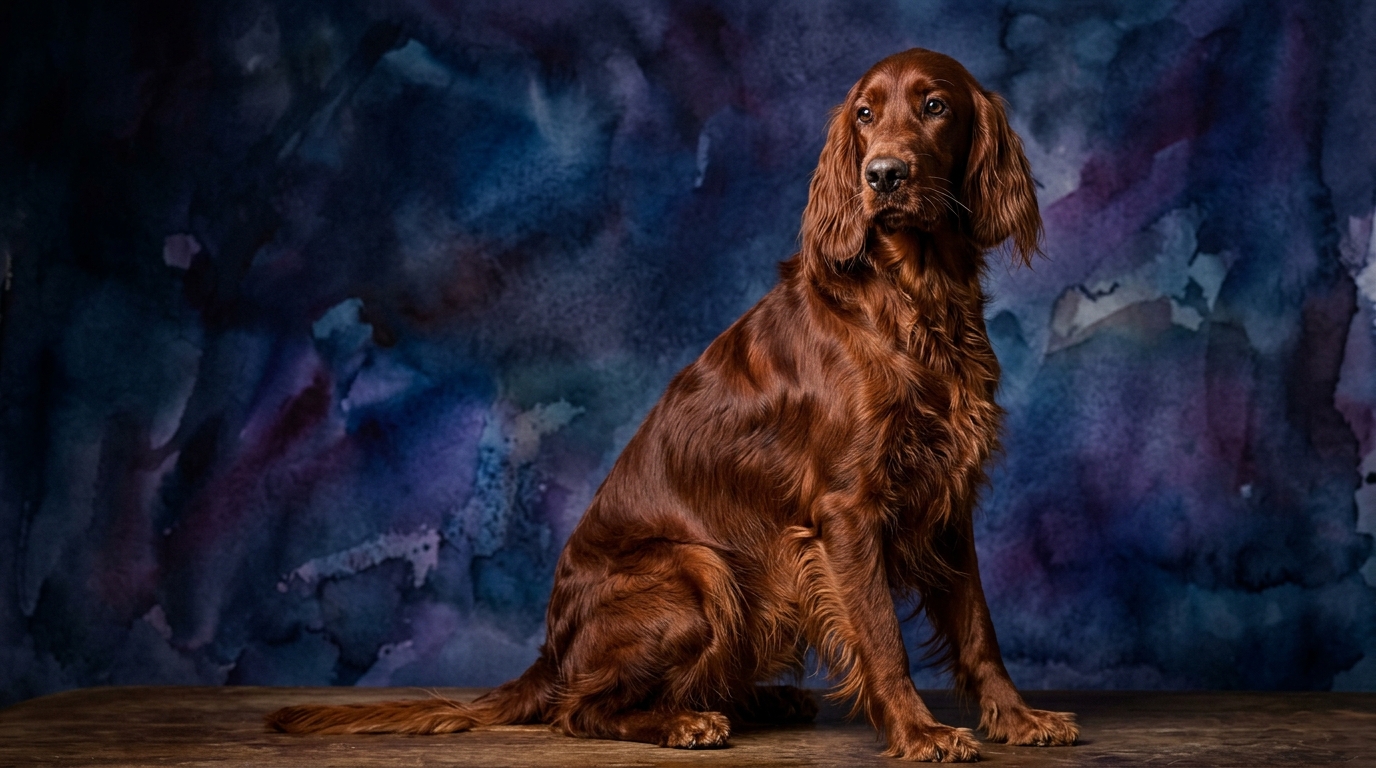
The Cosmic Pet Pet IQ Lab employs a five-dimensional framework to assess canine cognition, offering a granular view beyond general perceptions. For the Irish Setter, a Sporting group member, its profile is particularly bright: Problem Solving 4/5, Training Speed 4/5, Social Intelligence 3/5, Instinctive Drive 3/5, and Memory 4/5. This suggests a dog capable of navigating complex situations and learning new commands with impressive alacrity. Their 4/5 in Problem Solving indicates a capacity for independent thought and effective adaptation to novel challenges, while a 4/5 in Training Speed highlights their readiness to absorb and apply new information. A 3/5 in Social Intelligence means they are generally responsive to human cues and social dynamics, but perhaps not as acutely attuned as some other breeds. Their Instinctive Drive, also at 3/5, reflects a moderate pull towards their original purpose, typically flushing and retrieving game, without being overwhelmingly single-minded. Finally, a strong 4/5 in Memory suggests they retain learned behaviors and experiences over extended periods, making consistent training highly effective.
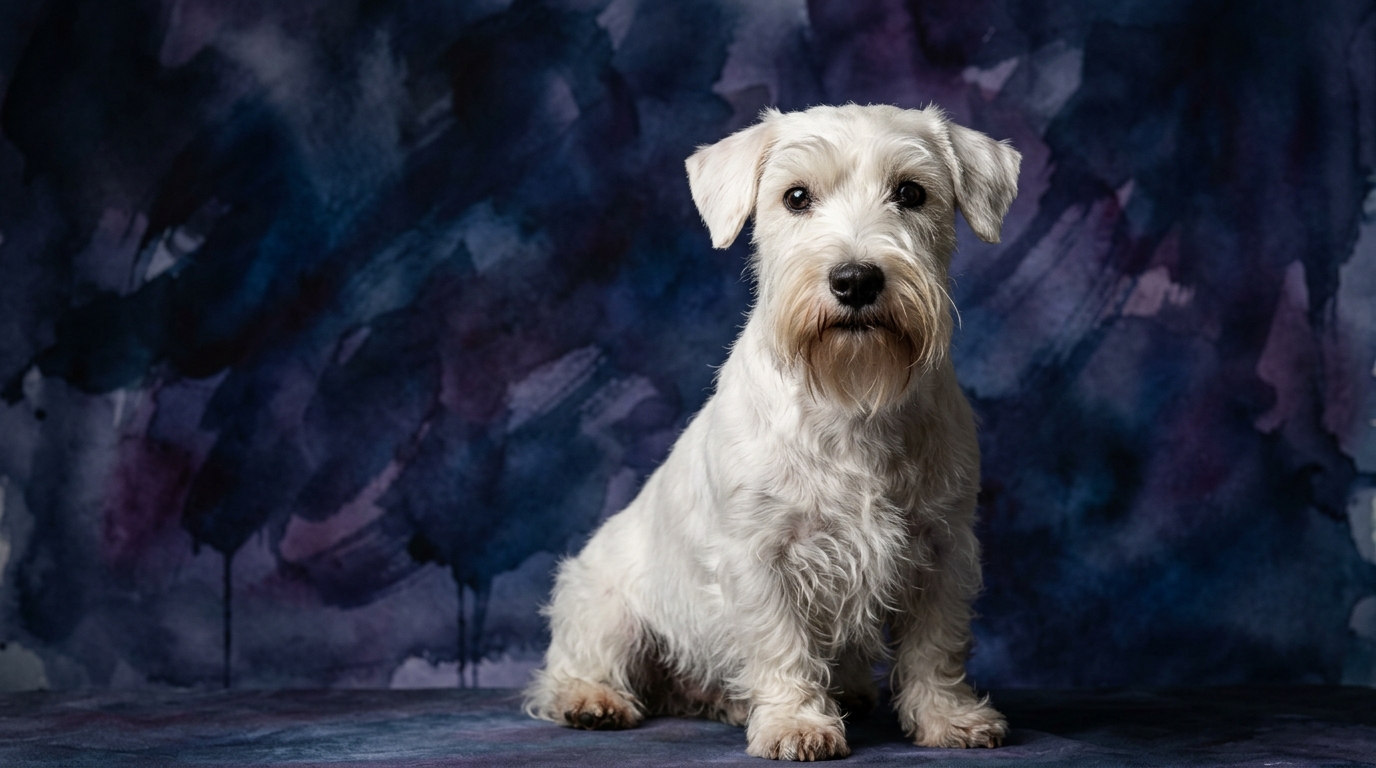
In contrast, the Sealyham Terrier, a member of the Terrier group, presents a more uniformly balanced profile: Problem Solving 3/5, Training Speed 3/5, Social Intelligence 3/5, Instinctive Drive 3/5, and Memory 3/5. While not Coren-ranked, these scores paint a picture of a capable, albeit more deliberate, learner. A 3/5 in Problem Solving indicates they can figure things out, but may take a more direct or persistent approach rather than a highly adaptive or innovative one. Their Training Speed at 3/5 suggests they will learn, but perhaps not at the rapid pace of a Setter, requiring more repetition and patience. The 3/5 in Social Intelligence aligns with the Setter, indicating a reasonable understanding of social cues without exceptional sensitivity. Crucially, their Instinctive Drive at 3/5, while numerically the same as the Setter, manifests differently; for a terrier, this often translates to a focused, persistent determination in pursuit of quarry, a drive that can be channeled but is deeply ingrained. Lastly, a Memory score of 3/5 means they retain information adequately, but perhaps not with the same vividness or longevity as a breed scoring higher, necessitating regular reinforcement of training.
Where the Irish Setter Excels Cognitively
The Irish Setter’s cognitive strengths are evident in its superior scores across several key dimensions. Its Problem Solving at 4/5 means it possesses a notable capacity for independent thought and strategizing when faced with new scenarios. This isn't just about following commands, but about understanding the goal and devising steps to achieve it, whether it's figuring out how to open a gate or navigating a complex scent trail. This adaptability makes them engaging companions for owners who enjoy interactive puzzles or advanced obedience work. Coupled with a Training Speed of 4/5, the Irish Setter demonstrates a clear aptitude for rapid acquisition of new skills and commands. They are quick to grasp concepts and eager to please, making them highly responsive to consistent, positive reinforcement. This swift learning curve means they can progress through training stages more quickly, mastering a wider repertoire of behaviors in a shorter timeframe. Furthermore, their 4/5 Memory score ensures that once a lesson is learned, it tends to stick. This robust recall makes them reliable in applying past training to future situations, reducing the need for constant re-teaching and building a solid foundation for advanced activities like field trials or agility, where complex sequences must be remembered and executed precisely.
Where the Sealyham Terrier's Cognitive Profile Shines
While the Sealyham Terrier's scores are consistently 3/5, this doesn't diminish its distinct cognitive strengths, particularly within its breed purpose. Its 3/5 in Problem Solving, combined with its 3/5 Instinctive Drive, translates into a tenacious, focused persistence that is invaluable for its original role as a badger and fox hunter. Rather than broad adaptability, the Sealyham excels at single-mindedly pursuing a goal, often overcoming obstacles through sheer grit and determination. This isn't a lack of intellect, but a specialized application of it; they are problem-solvers in the context of their specific, deeply ingrained drives, demonstrating an unwavering focus that can outlast many other breeds in tasks requiring sustained effort. Their moderate Social Intelligence (3/5) can also be seen as a strength for owners who appreciate a dog with a more independent streak. They are not overly clingy or prone to separation anxiety, often content with their own company or engaging in self-directed activities, provided their needs for stimulation are met. This independence, rooted in a cognitive profile that values persistence and self-reliance, allows them to operate effectively without constant human direction, a trait highly prized in a working terrier and equally appealing to owners seeking a confident, self-assured companion.
Ease of Training: Setter's Responsiveness vs. Terrier's Tenacity
When considering ease of training, the Irish Setter generally presents a more straightforward path. Their Training Speed of 4/5 indicates a natural eagerness to learn and a quicker uptake of commands compared to the Sealyham Terrier's 3/5. Irish Setters are typically more responsive to cues, more motivated by praise and positive reinforcement, and possess a longer attention span for structured lessons. Their higher Problem Solving and Memory scores also contribute to a smoother training process, as they can more readily generalize learned behaviors to new contexts and retain information effectively. This means fewer repetitions are often needed, and they are less likely to 'forget' a command after a break.
The Sealyham Terrier, with its 3/5 Training Speed, requires more patience and consistency. Their strong terrier instincts mean they can be easily distracted by scents or sounds, and their independent nature sometimes means they weigh the value of a command against their own immediate interests. Training a Sealyham often involves harnessing their inherent tenacity and channelizing their focused drive. While they certainly learn, their process is often characterized by a need for more frequent reinforcement and creative methods to maintain engagement, rather than a rapid acquisition of skills. Their training is more about building a strong, trusting relationship and convincing them that cooperation is more rewarding than independent exploration, rather than simply presenting new information.
Matching Canine Cognition to Owner Lifestyles
The distinct cognitive profiles of these two breeds naturally align with different owner lifestyles. The Irish Setter, with its higher scores in Problem Solving, Training Speed, and Memory, coupled with a moderate Instinctive Drive, is an excellent fit for active owners who enjoy engaging their dogs in various activities. Their capacity for rapid learning and retention makes them suitable for dog sports like agility, obedience, or field work. Owners who are keen on consistent, progressive training and want a cooperative partner for outdoor adventures—be it hiking, running, or scent work—will find the Irish Setter's cognitive makeup highly complementary. They thrive on mental stimulation and benefit from owners who can provide structured learning opportunities and channel their energy productively.
The Sealyham Terrier, on the other hand, with its balanced 3/5 scores across the board and a tenacious Instinctive Drive, suits owners who appreciate a more independent companion and are prepared for a different kind of engagement. While still active, their energy is often expressed in bursts of focused activity rather than sustained, broad-ranging exercise like a Setter. Owners who value a dog with a strong personality, a determined approach to life, and who are willing to engage in specific, terrier-centric activities like earthdog trials or focused scent games will find the Sealyham a rewarding partner. Their cognitive profile suggests they may not be as broadly versatile in learning complex, multi-stage commands, but they excel in tasks requiring persistence and a singular focus, making them ideal for owners who appreciate these robust, self-assured qualities and can provide consistent, patient guidance.
The Verdict
Choose the Irish Setter if you desire a responsive, quick-learning companion eager for varied training, dog sports, and active outdoor adventures where their memory and problem-solving can shine.
Opt for the Sealyham Terrier if you appreciate a tenacious, independent spirit, are prepared for patient, consistent training focused on their strong instincts, and value a dog with a confident, self-assured presence.
🧠 Find Your Pet's IQ Score
Our Pet IQ Lab assessment covers 25+ tests across 5 cognitive dimensions — personalized to your breed.
Take the Full IQ Test →Frequently Asked Questions
Do Irish Setters require a lot of mental stimulation?
Yes, Irish Setters benefit significantly from mental engagement due to their 4/5 Problem Solving and Memory scores. Activities like puzzle toys, advanced obedience training, and learning new tricks help satisfy their cognitive needs and prevent boredom.
Are Sealyham Terriers difficult to train because of their independence?
While their independence and focused instinctive drive (both 3/5) mean Sealyhams require more patience and consistency, they are certainly trainable. Success lies in understanding their terrier nature, using positive reinforcement, and making training feel like a rewarding game rather than a chore.
Which breed is better for a first-time dog owner?
The Irish Setter, with its higher Training Speed and general responsiveness, might be a more forgiving choice for a first-time owner willing to commit to regular exercise and mental engagement. The Sealyham Terrier's independent nature and specific terrier traits might be more challenging for someone without prior experience with the breed group.