Side-by-Side IQ Profile: Italian Greyhound vs. Finnish Spitz
At The Cosmic Pet Pet IQ Lab, both the Italian Greyhound and the Finnish Spitz register a consistent 3 out of 5 across all five cognitive dimensions. This identical numerical score, however, belies the distinct ways each breed manifests these abilities, rooted deeply in their evolutionary roles and breed characteristics.
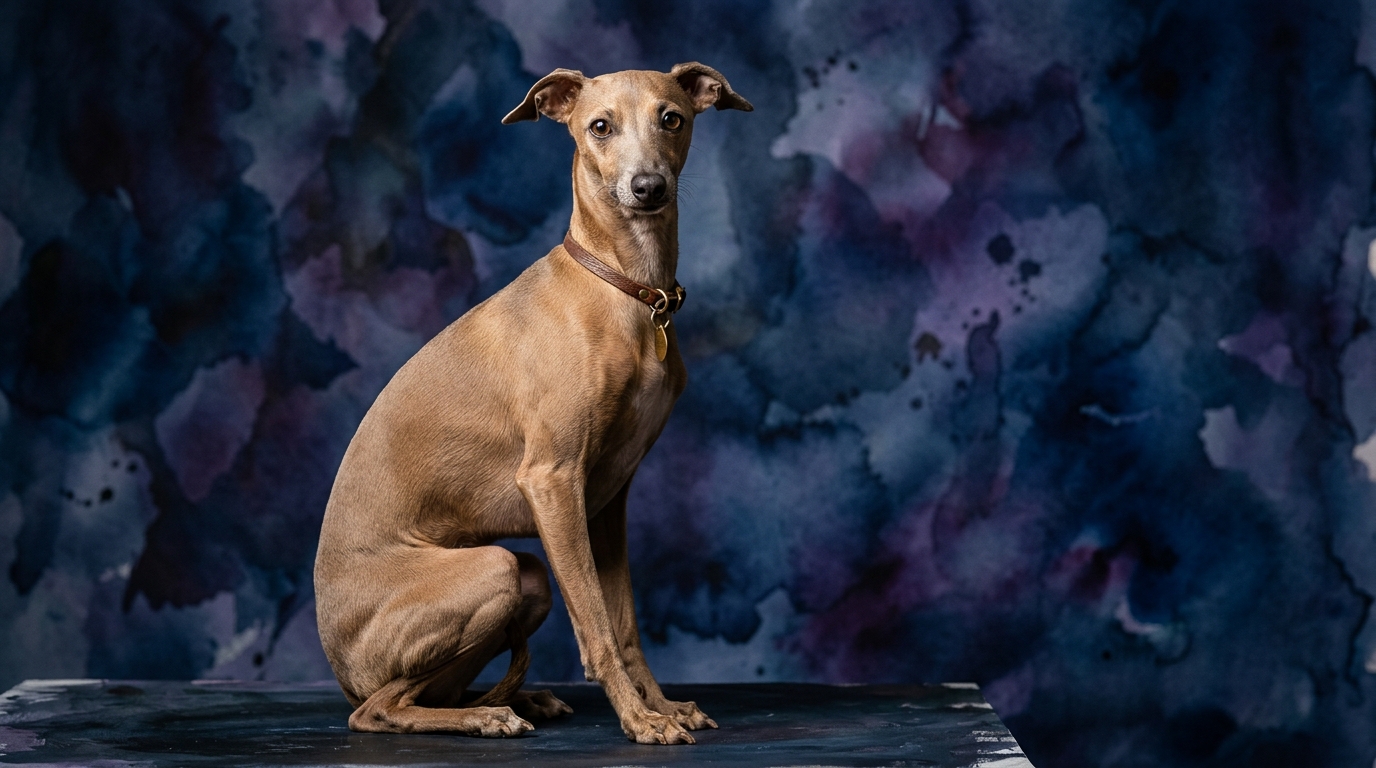
For the **Italian Greyhound (Toy Group)**, Problem Solving (3/5) often involves navigating complex indoor environments or finding the most comfortable sunbeam, favoring immediate, comfort-driven solutions over multi-step tasks. Their Training Speed (3/5) is marked by a quick uptake of commands when motivated by positive reinforcement and a strong desire to please their person, though their sensitivity and short attention span necessitate brief, engaging sessions. Social Intelligence (3/5) is a hallmark of the breed, as they are deeply attuned to human moods and social cues, forming intense, empathetic bonds within their immediate family. Instinctive Drive (3/5) is expressed primarily as a strong visual chase instinct for small, fast-moving objects, often manifesting in playful bursts rather than sustained hunting, with their core instinct being proximity and warmth. Their Memory (3/5) is strong for routines, favorite people, and places associated with comfort, recalling learned commands well if consistently reinforced and presented without overwhelming distractions.
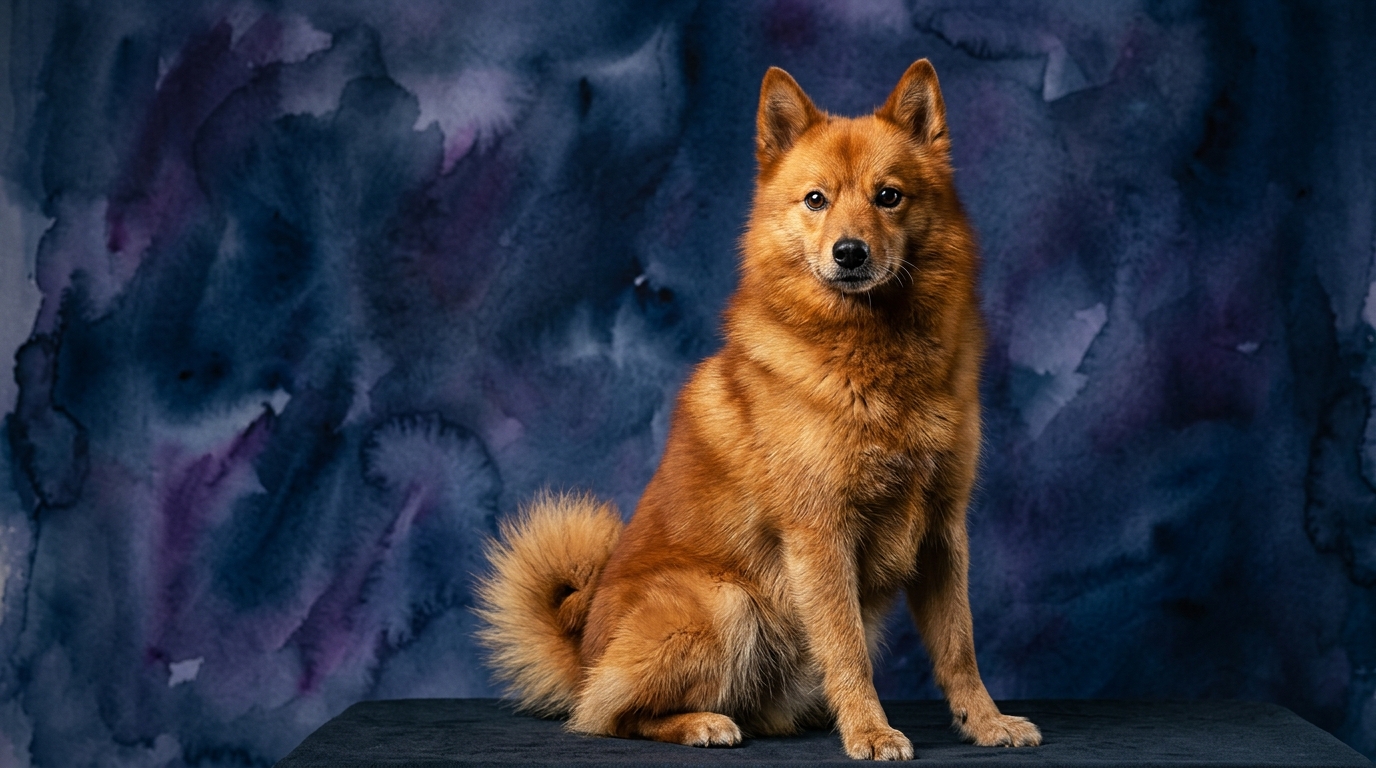
The **Finnish Spitz (Non-Sporting Group)** also scores 3/5 in Problem Solving, but their approach is practical and independent, focused on environmental assessment and detection, such as locating interesting outdoor scents or navigating varied terrain. Their Training Speed (3/5) requires patience and consistency, as these independent thinkers learn best when tasks align with their natural drives, often becoming disengaged with purely repetitive drills. Social Intelligence (3/5) for the Finnish Spitz involves alert observation of their surroundings and family dynamics, maintaining a reserved independence while bonding deeply, often choosing to observe social interactions rather than always participating overtly. Their Instinctive Drive (3/5) is robust, centered on their bird-hunting heritage, manifesting as keen observation and a distinctive vocalization — their "yodel" bark — used for communication and alerting. Finally, their Memory (3/5) is excellent for locations, scents, and established outdoor routines, recalling training cues, though their independent spirit means performing the cue is often linked to their current motivation and perceived value.
Where the Italian Greyhound Wins Cognitively
The Italian Greyhound’s cognitive strengths particularly shine in settings valuing subtle emotional attunement and graceful adaptation. Their refined social intelligence allows them to interpret nuanced human emotional states with remarkable accuracy, often anticipating needs for comfort or interaction without explicit cues. This makes them exceptionally empathetic companions, adept at providing quiet, non-verbal emotional support. Their agility and precise spatial awareness, while not always applied to complex puzzles, enable them to navigate intricate indoor environments with fluid grace, effortlessly finding the coziest spot or avoiding obstacles. When deeply engaged with their beloved human, their bursts of focused attention can facilitate surprisingly quick learning for specific, short-duration tricks that capitalize on their body awareness and desire for proximity.
Where the Finnish Spitz Wins Cognitively
The Finnish Spitz excels in cognitive domains closely linked to its independent, observant nature and historical role as a vocal bird dog. Their problem-solving, though not driven by a need to please, is profoundly practical and environmentally focused; they are masters at assessing their surroundings for intriguing stimuli, whether it’s a hidden scent or an unusual sound in the distance. This acute situational awareness, combined with their strong instinctive drive, makes them highly effective at localized detection and alerting, utilizing their distinctive bark as a sophisticated communication tool to draw attention to perceived anomalies. Their memory for specific outdoor locations, scents, and the patterns of their natural world is impressive, enabling them to effectively patrol their territory and recall where they last encountered something of interest.
Which is Easier to Train, and Why?
Determining which breed is “easier” to train isn't a matter of superior cognitive capacity, as both breeds share a 3/5 Training Speed score, but rather a reflection of their inherent temperaments and motivations. The Italian Greyhound, with its profound desire for human companionship and approval, often appears more straightforward to train in traditional obedience. They are sensitive, respond exceptionally well to gentle, positive reinforcement, and are eager to please their person for affection. However, their short attention spans and delicate nature mean training sessions must be kept brief, engaging, and free from any harsh corrections, which can easily cause them to withdraw. House-training can be a notable challenge due to their small bladders and general aversion to cold or wet weather, demanding immense consistency and patience from their owners.
The Finnish Spitz, conversely, possesses a more independent and self-assured temperament, making its training pathway distinct. While fully capable of learning a broad range of commands, their training demands a different approach. Their robust instinctive drives mean they learn most effectively when tasks are presented in a way that taps into their natural curiosity or desire to “work,” even if that work is framed as an engaging game. Repetitive drills devoid of clear purpose can quickly lead to disinterest or stubbornness. A trainer must understand their motivations — often tied to scent, sound, and territory — and employ consistent, firm yet fair methods. They are less motivated by an inherent need to please and more by a desire to understand what benefits them, potentially making them more challenging for a novice owner seeking effortless obedience. Their deeply ingrained vocal nature also necessitates dedicated training to manage barking, a behavior central to their breed heritage.
Which Suits Active Owners vs. Relaxed Owners
For active owners, the Finnish Spitz presents a compelling choice. This breed thrives on consistent outdoor activity, enjoying invigorating hikes, engaging scent work, and ample opportunities to explore diverse environments. Their sturdy build and acute senses make them excellent companions for individuals who spend significant time in nature, and they genuinely appreciate tasks that engage their alert minds and vocal communication skills. While not marathon runners, they require consistent, stimulating exercise to prevent boredom and channel their natural drives productively. An owner who enjoys training for specific dog sports like rally or tracking, and understands the Spitz's independent learning style, will find a willing, albeit sometimes opinionated, partner.
Conversely, the Italian Greyhound is an ideal match for more relaxed owners who cherish quiet, intimate companionship. While they certainly enjoy short bursts of intense play or a brisk walk, their primary domain is typically the comfort of a warm home and the lap of their human. Their delicate frame and sensitivity to cold mean they are not suited for prolonged outdoor adventures in harsh weather. They are content with extensive lounging, snuggling, and being an ever-present, affectionate shadow. Their exercise needs are moderate, making them suitable for apartment living or owners with less intense physical activity routines, provided they still receive daily mental engagement and opportunities for safe, off-leash sprints in a secure, fenced area.
The Verdict
Opt for the Italian Greyhound if you seek a deeply affectionate, sensitive companion content with a relaxed indoor lifestyle, offering subtle emotional attunement and graceful presence.
Select the Finnish Spitz if you desire an alert, independent partner for outdoor adventures and mental stimulation, valuing their unique vocal communication and practical problem-solving.
🧠 Find Your Pet's IQ Score
Our Pet IQ Lab assessment covers 25+ tests across 5 cognitive dimensions — personalized to your breed.
Take the Full IQ Test →Frequently Asked Questions
Do Italian Greyhounds bark a lot?
Italian Greyhounds are not typically excessive barkers, but they will alert to strangers or unusual sounds. Their vocalizations are generally more restrained compared to many other breeds, often manifesting as soft murmurs or brief barks.
Is the Finnish Spitz good with children?
The Finnish Spitz can be good with respectful children, but their independent nature means they prefer calm interactions. Supervision is key, as their sensitivity to rough play means they might retreat rather than tolerate boisterous behavior.
Are Italian Greyhounds difficult to house train?
House training an Italian Greyhound can be challenging due to their small bladders and aversion to cold or wet weather. Consistent routines, frequent outdoor trips, and positive reinforcement are essential for success, often requiring more patience than with other breeds.