Side-by-Side IQ Profile: Italian Greyhound vs. Lhasa Apso
At first glance, the Italian Greyhound (IG) and Lhasa Apso (LA) share identical scores across The Cosmic Pet Pet IQ Lab's five cognitive dimensions, each scoring 3/5. However, these identical numerical values belie distinct expressions of intelligence rooted in their unique histories and breed temperaments. Understanding these nuances is key to appreciating their individual mental strengths.
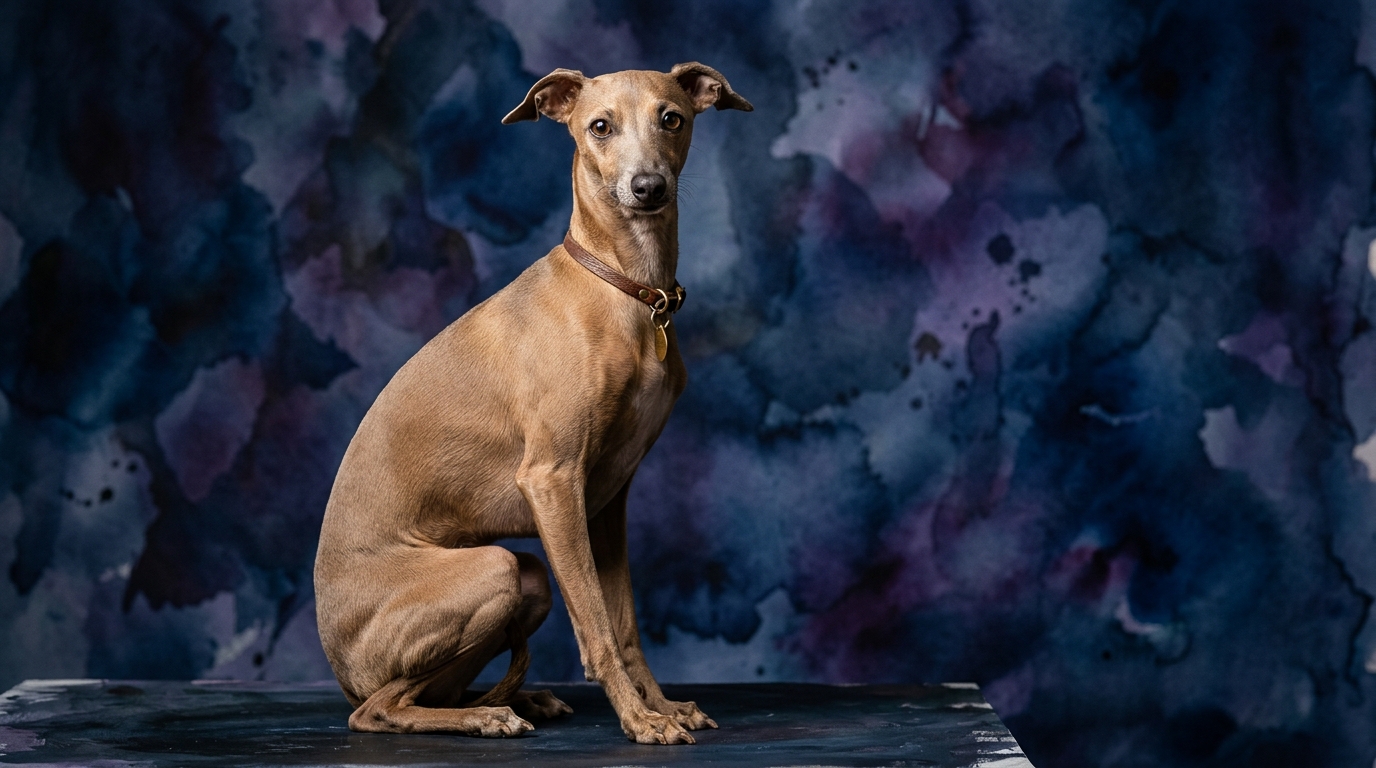
For the Italian Greyhound, their **Problem Solving (3/5)** often manifests in practical, comfort-oriented ways. They are quick to figure out how to access a sunbeam, burrow under a blanket, or navigate a complex furniture arrangement to reach a favored napping spot. Their solutions are typically swift and often involve physical agility. Their **Training Speed (3/5)** indicates they grasp new commands efficiently, especially with positive reinforcement and high-value treats. However, their independent sighthound nature means their willingness to perform can be influenced by distractions or their current mood, often choosing to obey when it suits them. **Social Intelligence (3/5)** in an IG is highly attuned to their human companions; they are sensitive to moods, seek close physical contact, and communicate their needs through subtle cues. They generally prefer familiar company. Their **Instinctive Drive (3/5)** is characterized by a strong prey drive for small, fast-moving objects, reflecting their sighthound heritage, alongside an equally strong drive for warmth, comfort, and close companionship. Finally, their **Memory (3/5)** allows them to recall routines, specific people, and the locations of favored items or cozy spots, remembering both positive and negative past training experiences.
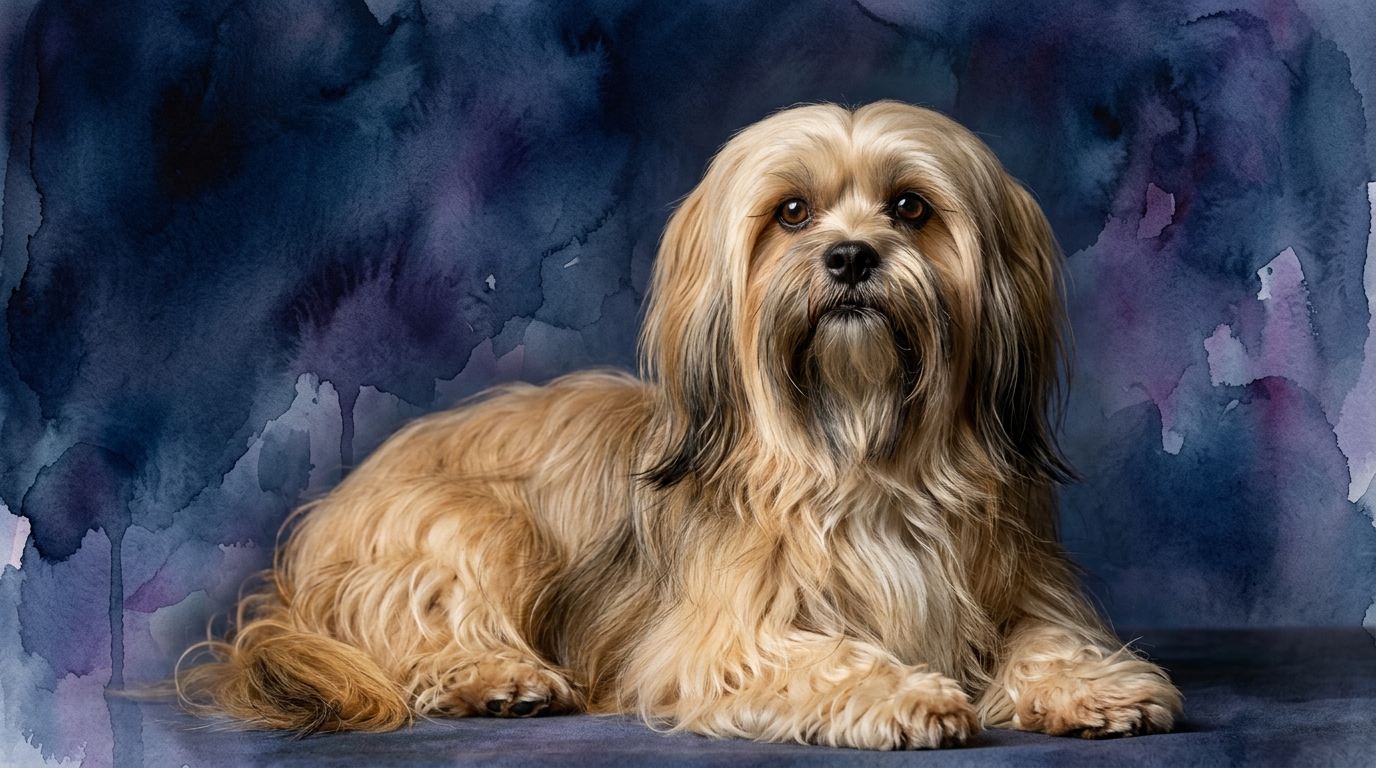
The Lhasa Apso, also scoring 3/5 across the board, interprets these dimensions differently. Their **Problem Solving (3/5)** is often strategic and related to their historical role as sentinels. They are adept at finding the best vantage point to observe their domain, cleverly manipulating situations to gain attention or achieve a desired outcome, such as getting a treat or a preferred spot on the sofa. Their **Training Speed (3/5)**, like the IG, means they are capable learners, but their independent and sometimes stubborn disposition demands consistency, patience, and a clear understanding of the 'why' behind a command. They learn quickly what benefits them, but may resist if they don't perceive a valid reason. The Lhasa Apso's **Social Intelligence (3/5)** is discerning; they are fiercely loyal and affectionate with their inner circle but can be reserved or wary with strangers. They accurately read their family's emotions and act as watchful, protective companions. Their **Instinctive Drive (3/5)** is predominantly territorial and guarding, manifesting as alert barking at unfamiliar sounds or people, and a desire to oversee their household. This drive for independence and self-preservation is strong. Their **Memory (3/5)** is excellent for remembering people (who belongs and who doesn't), routines, and perceived threats, recalling past training and preferred observation points with precision.
Where the Italian Greyhound Wins Cognitively
The Italian Greyhound often demonstrates a cognitive edge in areas requiring rapid processing of visual stimuli and agile physical problem-solving. Their sighthound heritage endows them with a remarkable ability to react swiftly to movement and navigate complex environments with grace and speed. This translates into a quicker processing speed for visual cues, allowing them to rapidly assess and respond to changes in their surroundings.
An IG might excel in tasks that demand spatial awareness and swift execution, such as quickly finding the shortest route to a desired toy across a cluttered room or skillfully maneuvering through an agility course. Their problem-solving is often tied to immediate gratification or comfort, leading to quick, decisive actions. Furthermore, their sensitivity often means they are highly attuned to subtle human body language and vocal tones, allowing for nuanced communication and a quick understanding of their owner's immediate intentions, often anticipating needs related to comfort or play.
Where the Lhasa Apso Wins Cognitively
The Lhasa Apso's cognitive strengths lie in areas demanding strategic assessment, discerning social judgment, and an independent, analytical approach to their environment. Their historical role as watchdogs has finely tuned their ability to evaluate situations, identify potential threats, and make autonomous decisions, even in the absence of direct commands.
A Lhasa Apso often excels in tasks requiring sustained vigilance and a nuanced understanding of social boundaries. They demonstrate superior discernment in distinguishing between familiar and unfamiliar individuals, often remembering specific faces and their associated interactions over long periods. Their problem-solving is frequently geared towards maintaining their perceived territory or achieving a desired outcome through persistence, such as figuring out how to get a door open or securing the best spot to observe their surroundings. This deliberate, watchful intelligence allows them to act as effective, self-sufficient sentinels, often outmaneuvering the more reactive IG in tasks demanding sustained mental engagement and a strong sense of purpose.
Which is Easier to Train and Why?
While both breeds share a 3/5 score for Training Speed, the 'ease' of training them diverges significantly based on the owner's approach and the dog's intrinsic motivations. The Italian Greyhound, with its sensitive nature and desire for companionship, often responds well to positive reinforcement and short, engaging training sessions. Their eagerness for treats, praise, and play can make them quick to pick up new commands. However, their sighthound independence means they can be easily distracted by visual stimuli, and their willingness to obey a command often depends on their immediate interest or perceived benefit. Harsh training methods can cause an IG to shut down, making consistency, patience, and a gentle hand paramount.
The Lhasa Apso, on the other hand, possesses a strong independent streak and a discerning mind. They are capable learners, but their motivation often stems from a clear understanding of the 'what's in it for me' or the establishment of routine and boundaries. Training a Lhasa Apso requires immense patience, consistency, and a firm yet fair approach. They are not as inherently eager to please as some breeds and will often test boundaries. Once a Lhasa Apso understands a command's purpose and respects their trainer, they retain the learning exceptionally well. However, getting to that point demands an owner who can navigate their strong will without resorting to force, which can lead to stubborn resistance. Therefore, neither breed is universally 'easier'; the choice depends on an owner's training style – one who values quick, fun, positive reinforcement might find the IG more immediately responsive, while one who appreciates building a respectful, consistent bond with a self-assured learner might find the Lhasa Apso equally rewarding.
Which Suits Active Owners vs. Relaxed Owners
When considering lifestyle, both breeds offer unique dynamics for active versus relaxed owners. The Italian Greyhound is an excellent fit for owners who appreciate bursts of activity followed by extensive periods of relaxation. While they possess the speed and agility to enjoy short, intense play sessions or brisk walks, their delicate build and preference for warmth mean they are not suited for prolonged, vigorous outdoor activities in all weather. They thrive with owners who can provide opportunities for safe, off-leash running in a secure area, followed by ample time curled up on a lap or under a blanket. They are highly affectionate and thrive on close companionship, making them ideal for owners who enjoy a dog that seamlessly transitions from energetic playmate to cuddly couch potato.
The Lhasa Apso, conversely, suits owners who may not be highly active physically but are mentally engaged and appreciate a dog with a strong, independent personality. While they enjoy moderate walks and indoor play, they do not require extensive physical exercise. Instead, they thrive on mental stimulation, consistent routines, and having a 'job' – often that of observing and overseeing their home. They are content with being close to their family but are not as intensely demanding of physical affection as the IG. Owners who value a watchful, discerning companion, are prepared for alert barking, and appreciate a dog that is self-assured and independent will find the Lhasa Apso a rewarding match. They are perfect for those who enjoy a calm household but appreciate a dog with a keen awareness of its surroundings and a steadfast loyalty to its chosen family.
The Verdict
Choose the Italian Greyhound if you seek a graceful, affectionate companion who thrives on bursts of playful energy followed by extensive snuggling, and you appreciate a sensitive, visually responsive bond.
Choose the Lhasa Apso if you desire a steadfast, independent sentinel with a discerning personality, valuing loyalty, routines, and a dog that excels in watchful companionship, even if it comes with a strong will.
🧠 Find Your Pet's IQ Score
Our Pet IQ Lab assessment covers 25+ tests across 5 cognitive dimensions — personalized to your breed.
Take the Full IQ Test →Frequently Asked Questions
Are Italian Greyhounds difficult to train?
Italian Greyhounds are sensitive and respond best to positive reinforcement and short, engaging sessions. While they learn quickly, their sighthound independence means consistency is crucial, and they may choose to obey based on their current motivation or interesting distractions.
Do Lhasa Apsos bark a lot due to their intelligence?
Lhasa Apsos possess a keen social intelligence and strong territorial instincts, leading them to be alert barkers. This isn't necessarily a sign of low intelligence, but rather a manifestation of their historical role as watchful sentinels, assessing their environment and alerting their family to perceived changes.
How do their memories affect daily life?
Both breeds have good memories (3/5), but apply it differently. Italian Greyhounds remember routines and comfort spots, which helps with house-training and establishing a schedule, while Lhasa Apsos remember who belongs and who doesn't, aiding their guarding duties and reinforcing established household rules.