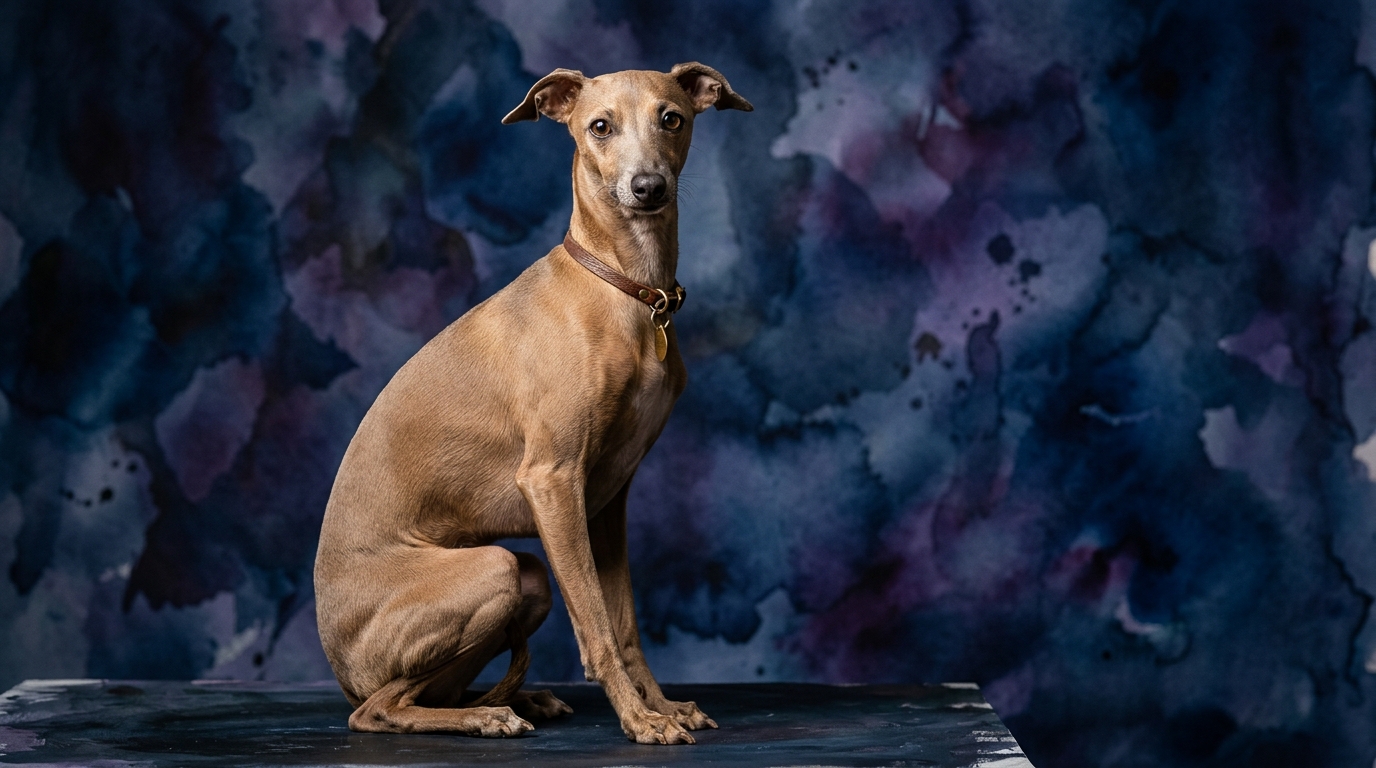
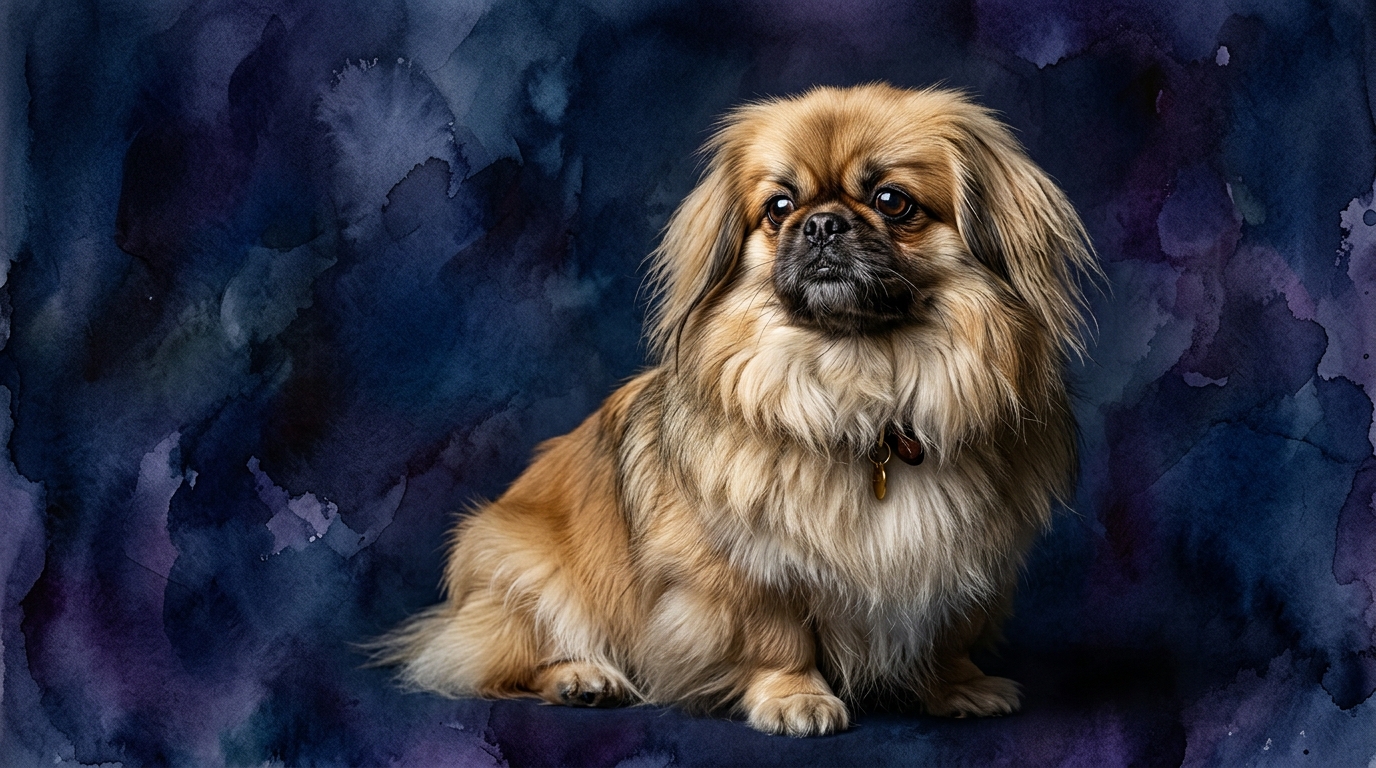
Side-by-Side IQ Profile: Italian Greyhound vs. Pekingese
At The Cosmic Pet Pet IQ Lab, both the Italian Greyhound and the Pekingese register a consistent 3/5 across all five cognitive dimensions: Problem Solving, Training Speed, Social Intelligence, Instinctive Drive, and Memory. However, these identical scores belie distinct manifestations of intelligence shaped by their breed histories and physical attributes. The Italian Greyhound, a refined sighthound, demonstrates Problem Solving through quick spatial navigation and obstacle avoidance, often driven by its visual pursuit instincts. Its Training Speed is characterized by a rapid grasp of concepts when engaged, though its sensitive nature means consistency requires positive and gentle methods. Social Intelligence for an IG is deeply rooted in strong bonds with its immediate family, showing a perceptive understanding of human emotions within that trusted circle. Its Instinctive Drive is predominantly a strong visual prey drive, compelling it to chase moving objects. Memory in an IG is effective for routines, beloved people, and spatial layouts, particularly those associated with comfort or play.
The Pekingese, a dignified companion breed, approaches Problem Solving with a focus on resourcefulness within its domestic domain, figuring out how to achieve comfort or attention rather than physical feats. Its Training Speed, while capable, often requires more patience and strong motivation due to its independent and self-assured temperament. Social Intelligence in a Pekingese is highly attuned to human dynamics within its household, allowing it to interpret subtle cues and often subtly influence situations to its benefit. Its Instinctive Drive is more geared towards vigilance and territoriality, stemming from its historical role as a palace guardian, rather than a strong urge to chase. Pekingese Memory is robust for routines, preferred people, and personal boundaries, contributing to its consistent and often discerning daily behaviors.
Where the Italian Greyhound Wins Cognitively
The Italian Greyhound's cognitive strengths truly shine in dynamic environments that demand rapid decision-making and precise physical execution. Their sighthound heritage endows them with superior spatial awareness and the ability to process visual stimuli with remarkable speed, making them adept at navigating complex terrains or excelling in agility sports. They demonstrate a notable capacity for anticipating movement and reacting with split-second timing, which is a specific form of problem-solving centered on immediate environmental interaction. This breed also displays a unique form of independent problem-solving when faced with a barrier to a desired object, often finding the most efficient, albeit sometimes unconventional, physical route around it, showcasing a blend of mental agility and physical prowess.
Where the Pekingese Wins Cognitively
The Pekingese excels in areas demanding subtle observation and nuanced social understanding within a domestic context. Their historical role as royal companions has honed their ability to interpret human body language and vocal tones with remarkable accuracy, often predicting their owner's next move or mood before a command is explicitly given. This social intelligence allows them to adapt their behavior to elicit desired responses, showcasing a sophisticated understanding of cause and effect in human interaction. Furthermore, Pekingese often demonstrate a superior memory for complex household routines and personal preferences, effortlessly integrating themselves into the rhythm of family life and frequently taking on a self-appointed "manager" role with their confident demeanor.
Which Is Easier to Train and Why
Neither the Italian Greyhound nor the Pekingese is typically considered "easy" to train in the conventional sense, but their training challenges stem from different behavioral roots. Italian Greyhounds, while quick to grasp new commands, can be easily distracted by movement or external stimuli due to their sighthound instincts, making consistent recall a particular challenge in open spaces. Their sensitive nature means they respond best to positive reinforcement and gentle methods; harsh corrections can lead to fear or avoidance. Training an IG requires patience, consistency, and making learning a fun, rewarding game.
Pekingese, conversely, possess a strong independent streak and a confident self-assurance that can be interpreted as stubbornness. They are not inherently driven to please and often require a strong motivator, like high-value treats or engaging play, to participate willingly. While they remember routines and commands well, their compliance is often conditional on their mood or perceived benefit. Therefore, the Italian Greyhound might learn faster when focused and motivated by play, but the Pekingese might be more consistent once convinced and provided the owner employs patience and positive, reward-based techniques tailored to their dignified temperament.
Which Suits Active Owners vs. Relaxed Owners
The Italian Greyhound is generally a better fit for active owners who can provide consistent mental and physical stimulation. While they are content to lounge indoors, their sighthound heritage means they thrive on structured play, short bursts of running in secure areas, and engaging activities that challenge their quick minds and agile bodies. Owners who enjoy dog sports like lure coursing or agility, or simply long, brisk walks, will find a willing and enthusiastic companion in an IG, provided these activities are managed safely to protect their delicate frame.
The Pekingese, with their more moderate energy levels and strong preference for indoor comfort, is ideally suited for relaxed owners. They are content with shorter, leisurely strolls and thrive on companionship, enjoying nothing more than supervising household activities from a comfortable perch or cuddling on the sofa. Their independent but devoted nature means they appreciate a calm home environment where they can be a central, cherished member without the demand for strenuous daily outings, making them perfect for those seeking a charming, low-impact companion.
The Verdict
Choose an Italian Greyhound if you seek a graceful, agile companion who thrives on dynamic mental and physical engagement, and you appreciate a sensitive, intelligent dog responsive to positive, stimulating training.
Opt for a Pekingese if you desire a dignified, observant companion who excels in social nuances within a calm home, and you are prepared for a charmingly independent dog whose training requires patient, consistent, and reward-based methods.
🧠 Find Your Pet's IQ Score
Our Pet IQ Lab assessment covers 25+ tests across 5 cognitive dimensions — personalized to your breed.
Take the Full IQ Test →Frequently Asked Questions
Do Italian Greyhounds or Pekingese bark a lot?
Italian Greyhounds are not typically excessive barkers, usually reserving their voices for alerts or excitement. Pekingese, however, are known for their alert barking, often using their voice to signal perceived threats or express their opinions, reflecting their historical guardian role.
Are Italian Greyhounds good with children?
Italian Greyhounds can be good with older, respectful children who understand their delicate build and sensitive nature. They are generally not recommended for homes with very young or boisterous children who might unintentionally injure them or overwhelm their shy disposition.
How much grooming do Pekingese require?
Pekingese require significant grooming due to their long, thick double coat. Daily brushing is essential to prevent mats and tangles, along with regular cleaning of their facial folds to prevent skin irritation, making them a higher-maintenance breed in terms of coat care.