Side-by-Side IQ Profile: Italian Greyhound vs. Xoloitzcuintli
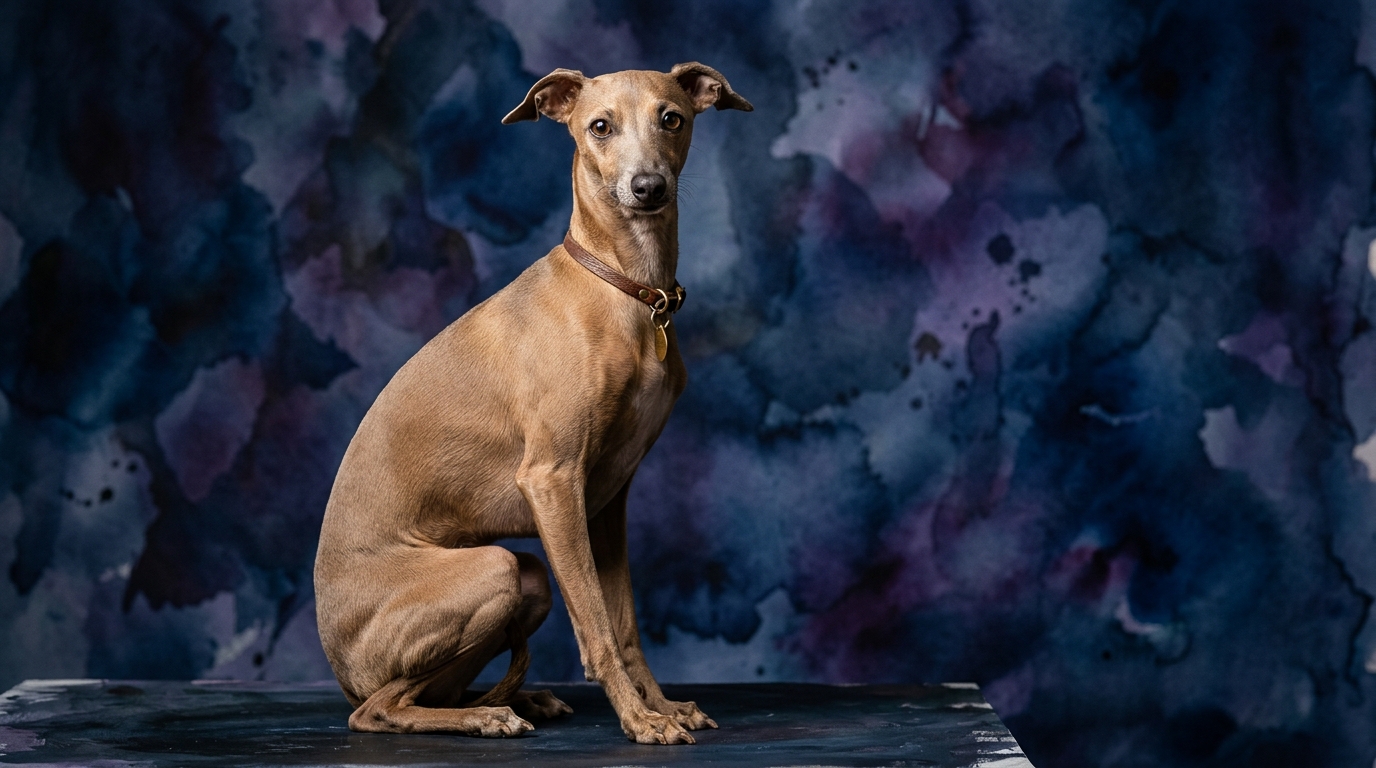
For the Italian Greyhound, a 3/5 in problem-solving often means finding the coziest sunbeam or navigating furniture with delicate precision. Solutions are quick, driven by comfort or curiosity, rather than complex, multi-step tasks. IGs grasp commands with reasonable repetition, but their sensitivity is key. They respond best to positive reinforcement; harsh methods cause shutdown. Their sighthound spirit means compliance needs motivation. A 3/5 for IGs shows a strong capacity to read human emotions within their trusted circle, offering attuned companionship. They can be reserved with strangers, assessing new social situations carefully. The IG’s 3/5 instinctive drive is rooted in sighthound heritage: a prey drive for small, fast objects and a pronounced nesting instinct for warmth and security. Awareness is needed for off-leash safety. IGs demonstrate a solid 3/5 memory, recalling routines, commands, and experiences. They remember specific people and schedules, contributing to strong bonds and adaptation within their home.
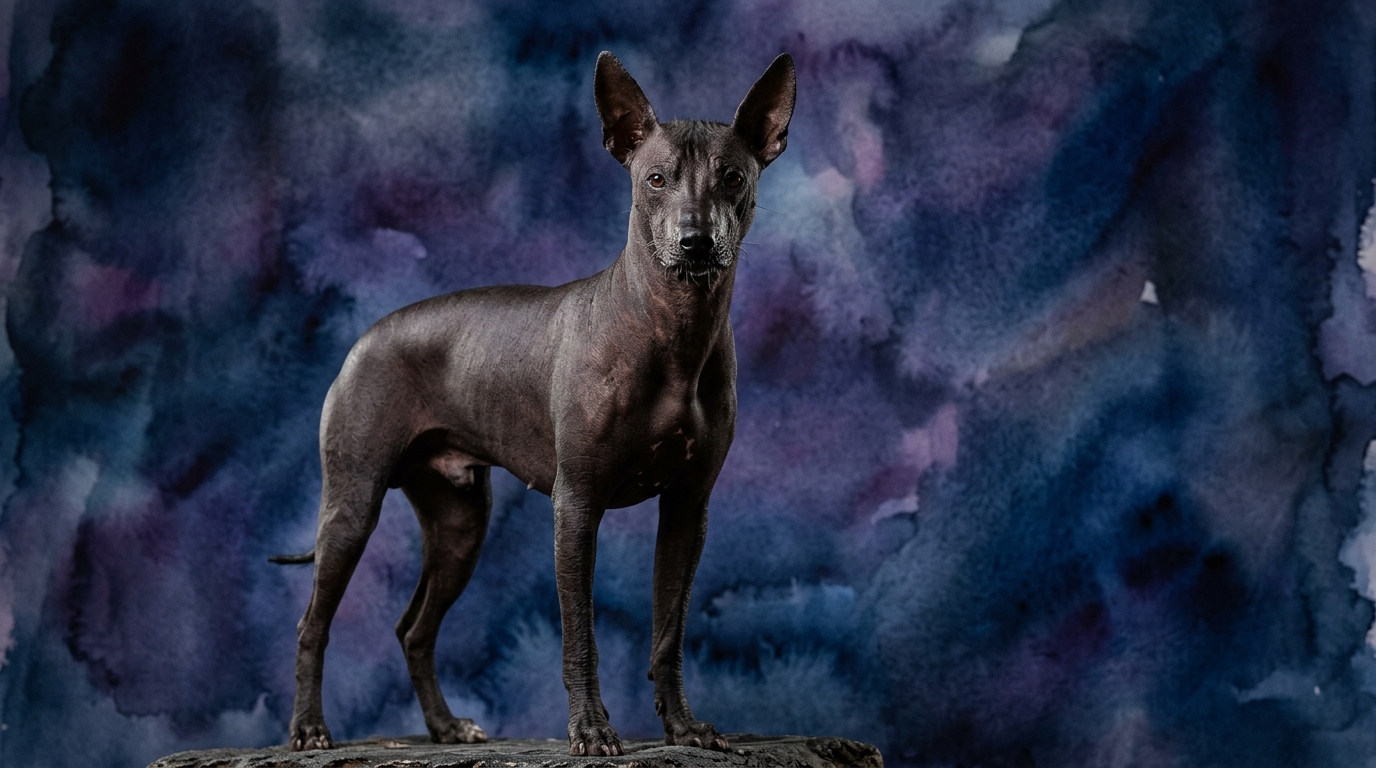
For the Xoloitzcuintli, 3/5 problem-solving often means resourcefully surveying territory from high points or navigating environments with quiet determination. Solutions are practical and self-reliant, reflecting independence. Xolos learn commands with consistent, patient instruction, though their independent streak can require more repetition. They thrive on structure and positive reinforcement, not constantly seeking to please. A 3/5 for Xolos highlights deep family bonds and natural wariness of outsiders. They are perceptive of family moods but cautiously evaluate strangers, a trait from their protective instincts. The Xolo’s 3/5 instinctive drive is prominent in their ancient role as guardians. This manifests as strong territoriality, making them alert watchdogs, and a moderate prey drive for small vermin. Xolos exhibit a strong 3/5 memory, retaining knowledge of their environment, family, and routines. They remember perceived friends and foes, contributing to consistent guardianship within their domain.
Where the Italian Greyhound Wins Cognitively
While both breeds share identical 3/5 scores, the Italian Greyhound's cognitive strengths often shine in environments prioritizing sensitivity and agility. Their social intelligence, rated 3/5, manifests as an overtly empathetic connection with caregivers, quickly discerning subtle shifts in human mood. Their problem-solving, also 3/5, is refined for navigating confined spaces, using their delicate build to maneuver obstacles or access warm spots with finesse. This allows them to excel in an intimate companion role, making rapid, subtle adjustments based on human feedback and comfort-seeking.
Where the Xoloitzcuintli Wins Cognitively
The Xoloitzcuintli's cognitive strengths, though also rated 3/5, are rooted in ancient, protective instincts. Their problem-solving often exhibits an independent, observational quality; a Xolo might strategically position themselves to survey surroundings, identifying security breaches with quiet determination. Their social intelligence, while deeply loyal, is highly discerning. They excel at evaluating new people or situations, quickly assessing threats with primal intuition, invaluable for their alert companion role. Their memory, equally 3/5, serves territorial instincts well, recalling who belongs and who doesn't, contributing to reliable guardianship.
Training Differences: Italian Greyhound vs. Xoloitzcuintli
Comparing training ease between the Italian Greyhound and the Xoloitzcuintli, both rated 3/5 for training speed, reveals distinct challenges. The Italian Greyhound, with its sensitive disposition, responds well to positive reinforcement and a gentle approach. Their desire for comfort and affection means they can be eager to please, but sighthound independence can lead to 'selective hearing' if not adequately motivated. Their delicate bladder and aversion to cold weather can make house-training a protracted affair, demanding immense patience. In contrast, the Xoloitzcuintli, while equally capable, often displays a more independent and primitive mindset. They require consistent, firm-but-fair leadership. While deeply loyal, their natural wariness of strangers can make training in public more challenging due to environmental distractions. Their house-training can also test patience, as some Xolos are slower to grasp indoor/outdoor boundaries. Neither is inherently 'easy'; the IG's sensitivity versus the Xolo's independence presents different cognitive hurdles.
Matching Breeds to Lifestyles: Active vs. Relaxed Owners
The choice between an Italian Greyhound and a Xoloitzcuintli based on owner activity levels is nuanced. An Italian Greyhound, despite its delicate appearance, is a sighthound built for bursts of speed and playful antics. They suit owners who appreciate short, intense play sessions in a secure yard, followed by extensive lounging and cuddling. They are excellent companions for relaxed owners who enjoy quiet evenings but understand the need for daily mental and physical stimulation respecting their fragile frame. They thrive on companionship and warmth, ideal for owners home frequently. The Xoloitzcuintli, conversely, often requires a more consistent and robust exercise regimen. Their ancient heritage means they benefit from regular, sustained activity like long walks, hikes, or dog sports. They suit active owners committed to providing daily outlets for physical energy and mental engagement. A Xolo can adapt to a relaxed home, but without sufficient exercise, their watchful nature might lead to boredom, needing an owner who respects their need for both exertion and a secure environment.
The Verdict
Choose an Italian Greyhound if you seek a sensitive, intimately connected companion who thrives on quiet companionship and short bursts of playful activity, appreciating their nuanced social cues and delicate agility in a home environment.
Choose a Xoloitzcuintli if you desire a loyal, watchful companion with an independent spirit, valuing their discerning social intelligence and requiring a commitment to consistent exercise and firm, patient guidance.
🧠 Find Your Pet's IQ Score
Our Pet IQ Lab assessment covers 25+ tests across 5 cognitive dimensions — personalized to your breed.
Take the Full IQ Test →Frequently Asked Questions
Do Italian Greyhounds or Xoloitzcuintli shed?
Italian Greyhounds shed minimally due to their fine, short coats. Xoloitzcuintli come in hairless and coated varieties; the hairless shed virtually none, while the coated variety has a short, dense coat that sheds moderately, similar to other short-haired breeds.
Are Italian Greyhounds or Xoloitzcuintli good with children?
Both breeds can be good with respectful, older children. Italian Greyhounds are delicate and can be easily injured by rough play, making them better suited for calm households. Xoloitzcuintli are deeply loyal to their family but can be wary of strangers and may not tolerate boisterous play from young, unfamiliar children, requiring careful supervision and early socialization.
What are the main health concerns for Italian Greyhounds and Xoloitzcuintli?
Italian Greyhounds are prone to dental issues, patellar luxation, and leg fractures due to their slender bones. Xoloitzcuintli, particularly the hairless variety, can be susceptible to skin issues like acne and sunburn, and both varieties can experience dental problems and hip dysplasia.