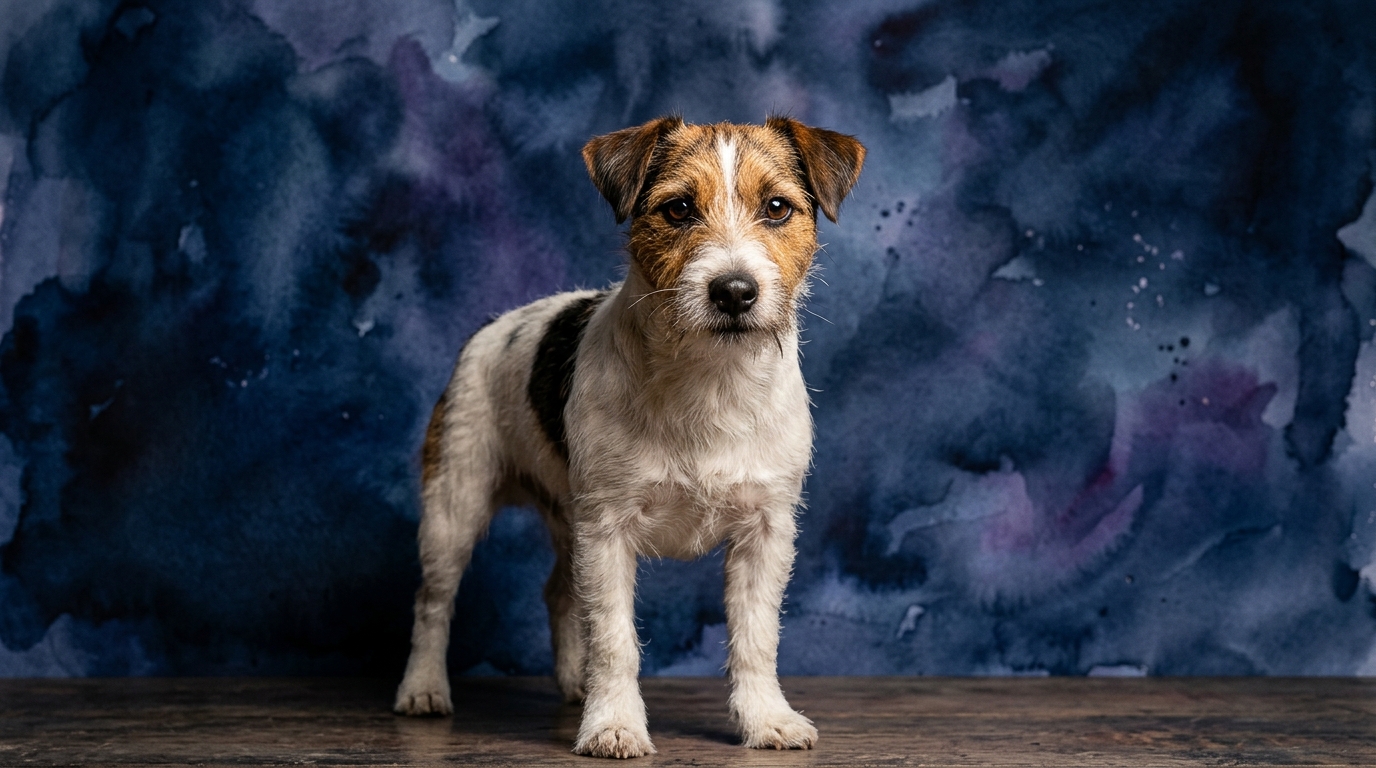
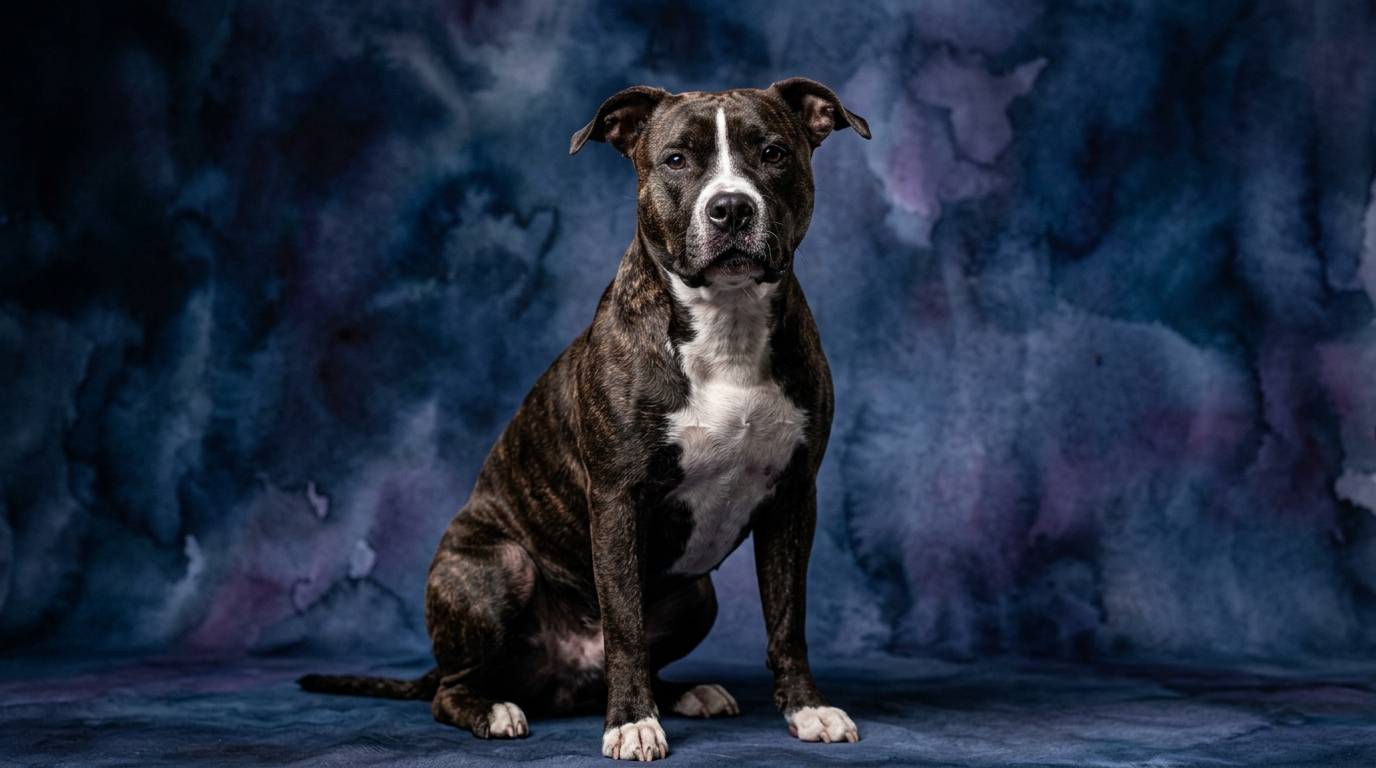
Side-by-Side IQ Profile: Jack Russell Terrier vs. American Staffordshire Terrier
The Cosmic Pet Pet IQ Lab assesses five key cognitive dimensions to provide a comprehensive understanding of a breed's mental aptitudes. While both breeds share the Terrier classification, their scores illuminate divergent cognitive strengths and tendencies.
Jack Russell Terrier IQ Profile:
Problem Solving (5/5): Jack Russell Terriers exhibit exceptional ingenuity, adept at devising complex solutions to environmental puzzles. They excel at figuring out mechanisms, navigating intricate spaces, and overcoming obstacles, demonstrating a high degree of adaptive and sequential reasoning.
Training Speed (3/5): They absorb new commands at a moderate rate, yet their independent nature and strong will can sometimes lead to selective compliance, requiring patient and consistent training methods.
Social Intelligence (3/5): While capable of understanding human cues, their primary focus often remains on their own objectives rather than subtle social nuances, though they form strong bonds with their families.
Instinctive Drive (5/5): Possessing an intense, unwavering drive for pursuit, investigation, and digging, they exhibit relentless focus on tasks aligned with their inherent terrier purpose.
Memory (4/5): They retain learned information, routines, and past experiences with excellent recall, remembering commands and interactions clearly over time.
American Staffordshire Terrier IQ Profile:
Problem Solving (3/5): American Staffordshire Terriers approach challenges with a practical, direct mindset, capable of solving straightforward problems but less inclined toward multi-layered, abstract solutions.
Training Speed (3/5): They acquire new behaviors and commands at a consistent, moderate pace, demonstrating a willingness to cooperate and respond positively to clear instruction.
Social Intelligence (3/5): They show good understanding of human emotional states and social cues, often motivated by companionship and a desire to engage with their family members.
Instinctive Drive (3/5): Exhibiting a moderate drive for specific tasks, often motivated by play or interaction, rather than the singular, intense focus seen in high-prey drive breeds.
Memory (4/5): They possess a good capacity for remembering commands, routines, and individuals, contributing to their consistency in training and daily life.
Additionally, it's notable that the American Staffordshire Terrier holds a Coren rank of #48, indicating a solid capacity for working and obedience intelligence, whereas the Jack Russell Terrier is not specifically Coren-ranked, often due to their specialized working roles and independent nature.
Where the Jack Russell Terrier Wins Cognitively
The Jack Russell Terrier truly shines in two specific cognitive dimensions: problem-solving and instinctive drive. Their Problem Solving score of 5/5 is a testament to their exceptional ingenuity. When faced with an obstacle, a Jack Russell Terrier doesn't just push through; they meticulously assess, plan, and execute a multi-step solution. This superior problem-solving acumen is evident in their ability to navigate complex scent trails, outsmart small prey, or even figure out how to open tricky latches, showcasing a remarkable capacity for adaptive thinking and sequential reasoning.
Furthermore, their Instinctive Drive, also rated at 5/5, is unparalleled. Their relentless, singular focus on a task, whether it's tracking a scent or digging, is a deep-seated cognitive program for sustained pursuit. This intense drive means they will persist where others might give up, demonstrating an unwavering mental fortitude and commitment to their inherent purpose. This isn't just about physical energy; it's about a profound cognitive determination to see a task through to its conclusion, often with incredible precision and endurance.
Where the American Staffordshire Terrier Wins Cognitively
While the Cosmic Pet Pet IQ Lab scores show no outright 'wins' for the American Staffordshire Terrier in specific cognitive dimensions over the Jack Russell, their balanced cognitive profile offers distinct advantages in adaptability and cooperative learning. The AmStaff's moderate instinctive drive (3/5) compared to the JRT's intense 5/5 means they are less likely to become singularly fixated on a task, making them generally more amenable to redirection and less prone to obsessive behaviors. This cognitive balance allows for a broader range of activities beyond intense, focused work.
Their Coren ranking at #48 also highlights a solid capacity for understanding and executing commands, indicating a practical, cooperative intelligence that translates well into consistent obedience and a dependable working relationship with their handler. While both score 3/5 in social intelligence, the AmStaff's inherent desire for companionship often translates into a keen awareness of human emotional states and a strong motivation to please, which can subtly enhance their responsiveness in social learning contexts and foster a more harmonious household dynamic.
Which is Easier to Train and Why?
On paper, both the Jack Russell Terrier and the American Staffordshire Terrier score 3/5 for training speed, suggesting a similar pace for acquiring new commands. However, the practical experience of training these breeds diverges significantly due to their other cognitive attributes. The Jack Russell Terrier's exceptional instinctive drive (5/5) and superior problem-solving (5/5) can present a formidable challenge. They are not merely learning commands; they are often evaluating the utility of compliance against their own deeply ingrained motivations, such as chasing or exploring.
Their independence means they might understand a command perfectly but choose not to execute it if a more stimulating activity presents itself, requiring consistent, creative, and highly engaging training methods to maintain their focus and cooperation. In contrast, the American Staffordshire Terrier, with its moderate instinctive drive (3/5), tends to be more cooperative and less prone to intense, self-directed pursuits that override training. While they learn at a similar pace, their inherent desire for connection and willingness to work alongside their human often translates into a more straightforward and less challenging training experience. They are generally more motivated by positive reinforcement and praise, making them responsive partners in structured learning environments.
Which Suits Active Owners vs. Relaxed Owners?
For owners leading a highly active lifestyle, particularly those who enjoy engaging in complex dog sports, earthdog trials, or consistent outdoor adventures, the Jack Russell Terrier is an ideal match. Their boundless energy, coupled with a relentless problem-solving mind and intense instinctive drive, demands constant physical and mental engagement. An underexercised or under-stimulated Jack Russell is prone to inventing its own 'work,' which often manifests in undesirable behaviors like incessant digging, barking, or destructive chewing. They thrive when given a 'job' that challenges their sharp intellect and allows them to expend their considerable energy in a constructive manner, making them suitable for experienced owners who can meet these demanding cognitive and physical needs.
Conversely, the American Staffordshire Terrier offers a more balanced companion for owners who appreciate activity but also value periods of relaxation. While they certainly require regular exercise, including daily walks, play sessions, and opportunities for mental enrichment, their more moderate instinctive drive (3/5) means they are generally content to settle down at home after their needs are met. They are adaptable to various living situations, fitting well with owners who enjoy a mix of active outings and quiet companionship, provided their basic exercise requirements are consistently fulfilled. Their desire for close human interaction makes them excellent family companions for those seeking a robust yet affectionate presence.
The Verdict
Select a Jack Russell Terrier if you are an experienced, highly active owner eager to channel a brilliant, independent mind and relentless drive into structured activities, demanding consistent mental and physical engagement.
Opt for an American Staffordshire Terrier if you seek a loyal, robust companion who thrives on companionship and consistent training, offering a balanced blend of activity and relaxed home life.
🧠 Find Your Pet's IQ Score
Our Pet IQ Lab assessment covers 25+ tests across 5 cognitive dimensions — personalized to your breed.
Take the Full IQ Test →Frequently Asked Questions
Are Jack Russell Terriers difficult to live with due to their high drive?
Their intense instinctive drive (5/5) means Jack Russell Terriers require significant mental and physical engagement daily. Without proper outlets, they can become restless, leading to behaviors like excessive barking, digging, or destructive chewing. Consistent training and enrichment are key to managing their energy.
Does the American Staffordshire Terrier's Coren ranking imply superior intelligence?
The Coren ranking primarily assesses 'working and obedience intelligence,' reflecting a breed's capacity for learning and executing human commands. While the American Staffordshire Terrier's #48 rank indicates good trainability and compliance, it doesn't encompass the full spectrum of cognitive abilities, such as the Jack Russell's exceptional problem-solving.
How do these breeds differ in their approach to new people or situations?
Jack Russell Terriers often approach new situations with intense curiosity and a degree of independent assessment, sometimes being reserved until they've evaluated the novelty. American Staffordshire Terriers, while observant, tend to be more socially oriented, often demonstrating a readiness for interaction once they perceive a friendly intent, driven by their desire for companionship.