Side-by-Side IQ Profile
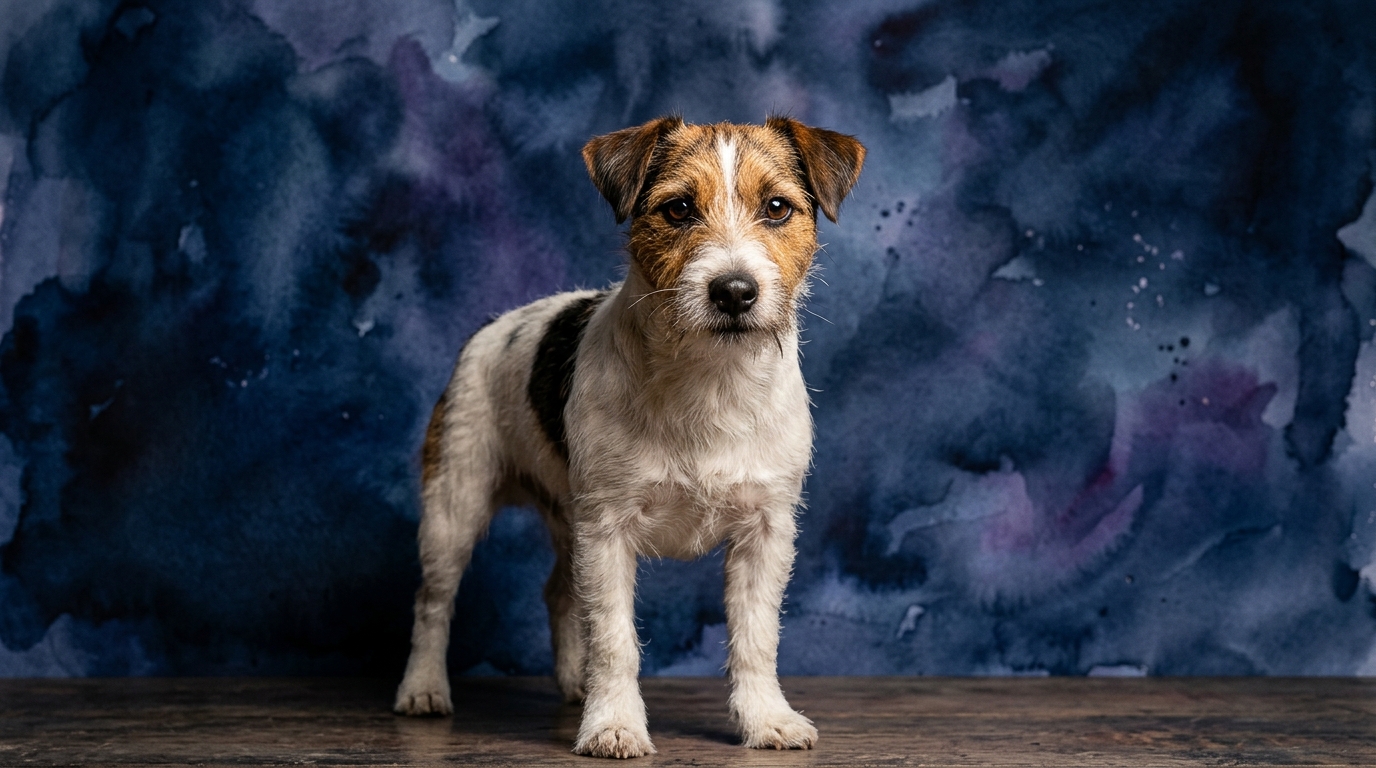
**Jack Russell Terrier:** This terrier's cognitive makeup is a testament to its ratting heritage. Its **Problem Solving (5/5)** is top-tier, showcasing an exceptional ability to navigate complex scenarios and overcome obstacles to reach a goal, often with creative and persistent effort. **Training Speed (3/5)** indicates they grasp commands, but their strong will and independent nature mean compliance can be selective, prioritizing their own agenda. **Social Intelligence (3/5)** highlights their capacity to understand human cues, though their focus often remains on individual objectives rather than intricate group dynamics. An outstanding **Instinctive Drive (5/5)** powers their relentless pursuit, digging, and barking, deeply rooted in pest control. Their **Memory (4/5)** is robust, allowing them to recall learned solutions and routines effectively, aiding their tenacious problem-solving.
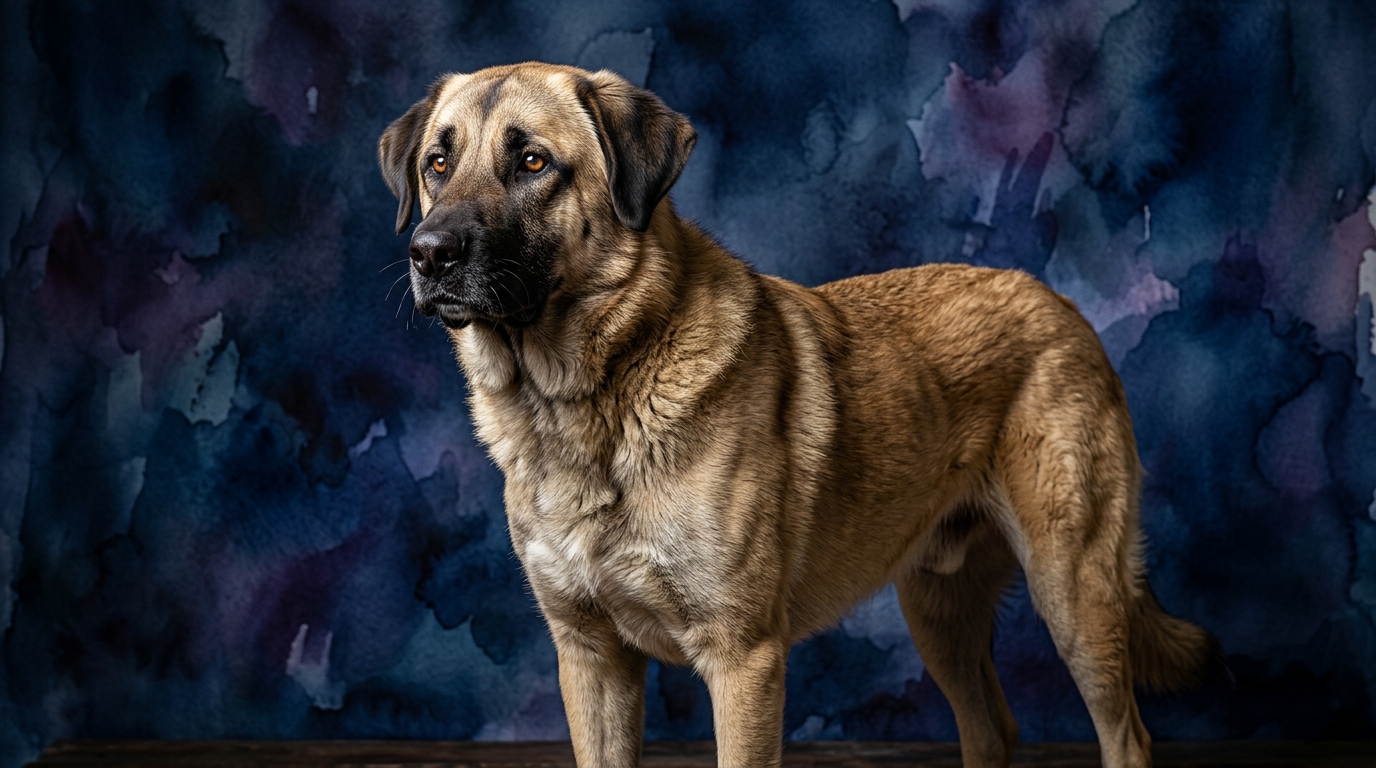
**Anatolian Shepherd Dog:** The Anatolian Shepherd Dog's intelligence reflects its ancient role as a livestock guardian. Its **Problem Solving (3/5)** is characterized by steady, observational intelligence, focused on practical solutions for maintaining order and safety rather than intricate puzzles. **Training Speed (3/5)** signifies their learning capability, but their independent, self-reliant disposition requires patient and consistent guidance, as they often seek purpose in commands. **Social Intelligence (3/5)** is evident in their acute awareness of their environment and the dynamics within their flock or family, evaluating threats and changes cautiously. Their **Instinctive Drive (3/5)** is primarily guardianship, manifesting as watchful, territorial behavior and a protective stance, distinct from a high-energy chase. A solid **Memory (3/5)** supports their guarding duties, allowing them to recall routines, territory boundaries, and past threats for consistent vigilance.
Where Jack Russell Terrier Wins Cognitively
The Jack Russell Terrier's cognitive strengths are undeniably rooted in its historical role as a tenacious vermin hunter. Their "problem Solving" score of 5/5 is a standout, reflecting an unparalleled ability to devise strategies for reaching hidden prey or navigating complex physical challenges. This isn't just about brute force; it's about persistent, creative strategizing, whether it's burrowing under an obstacle, finding the weak point in a barrier, or deducing the sequence of actions needed to access a reward. Their "instinctive Drive" also scores a perfect 5/5, directly fueling this problem-solving prowess. This means they are intrinsically motivated to engage with challenges that tap into their predatory instincts, making them relentless in their pursuits. Furthermore, their "memory" at 4/5 complements this, allowing them to recall successful past strategies and apply them to new, similar situations, learning from experience rather than repeating ineffective attempts. This combination makes the JRT exceptional at tasks requiring sustained focus on a singular objective, especially when that objective involves discovery or retrieval.
Where Anatolian Shepherd Dog Wins Cognitively
The Anatolian Shepherd Dog's cognitive advantages are shaped by millennia of safeguarding livestock, emphasizing independent judgment and a broad situational awareness. While their "problem Solving" score is 3/5, this reflects a different kind of intelligence: one focused on broad environmental assessment and strategic, measured responses rather than quick, intricate puzzle-solving. Their strength lies in their ability to autonomously evaluate potential threats, understand the vulnerabilities of their charges, and make decisions without constant human direction. This "social Intelligence" (3/5) is less about charming humans and more about discerning subtle shifts in their surroundings, recognizing intruders, and understanding the welfare of their flock. Their "instinctive Drive" (3/5) is geared towards protection and vigilance, manifesting as a calm, watchful presence rather than a high-energy chase. This translates into a cognitive strength for sustained, independent oversight and a deep understanding of their territory, allowing them to act as self-sufficient guardians who prioritize the safety and stability of their environment over individual gratification. Their memory (3/5) is robust enough to recall boundaries, regular patterns, and past threats, contributing to their consistent and reliable guardianship.
Which is Easier to Train and Why
When it comes to ease of training, both the Jack Russell Terrier and the Anatolian Shepherd Dog present unique considerations, scoring an identical 3/5 for "training Speed." However, the *reasons* for this score differ significantly. The Jack Russell Terrier's challenge in training stems from its exceptional "instinctive Drive" (5/5) and independent problem-solving nature. A JRT might quickly grasp a command, but their strong prey drive means they can easily become distracted by a scent or movement, prioritizing their instinctual urges over human direction. Their persistence in pursuing their own interests can make consistent compliance a hurdle; they understand what you want, but they might not always agree that it's the most interesting option. Training a JRT often requires making tasks highly engaging and rewarding to compete with their natural drive to hunt and explore. In contrast, the Anatolian Shepherd Dog's training speed of 3/5 is linked to its independent, self-reliant "social Intelligence" and primary "instinctive Drive" for guardianship. ASDs are bred to make their own decisions in vast landscapes, not to be highly biddable pets. They will learn commands, but they often require more patience and understanding of their purpose. An ASD is less likely to be distracted by a squirrel but more likely to question the necessity of a command if it doesn't align with their perceived role or doesn't seem logically sound to them. Their training requires building deep trust and demonstrating consistent leadership, as they value a clear, calm authority rather than eager-to-please compliance.
Which Suits Active Owners vs. Relaxed Owners
The choice between a Jack Russell Terrier and an Anatolian Shepherd Dog hinges significantly on an owner's lifestyle and energy levels. For active owners, the Jack Russell Terrier is an ideal match. Their "instinctive Drive" (5/5) translates into boundless energy and a constant need for physical and mental engagement. These dogs thrive on activities like agility, earthdog trials, long hikes, and complex puzzle toys that challenge their "problem Solving" (5/5) abilities. An owner who enjoys daily vigorous exercise, structured play, and consistent mental stimulation will find a JRT to be an enthusiastic and tireless companion. A relaxed owner, however, would likely find a JRT's energy overwhelming, potentially leading to destructive behaviors or incessant barking if not adequately channeled. Conversely, the Anatolian Shepherd Dog is better suited for owners who appreciate a more measured, watchful presence, though "relaxed" doesn't mean inactive. While ASDs don't require the same high-intensity, constant activity as a JRT, they need significant space, a consistent routine, and owners who understand their need for a "job," even if that job is simply patrolling their property. Their "instinctive Drive" (3/5) for guardianship means they are content observing and protecting, rather than constantly seeking interaction or high-speed games. They are not dogs for apartment living or owners who prefer minimal outdoor time. An owner who enjoys quiet companionship, long, slow walks to patrol boundaries, and values a calm, independent guardian will find an ASD fitting, provided they can offer ample secure space and consistent, clear guidance.
The Verdict
Opt for a Jack Russell Terrier if you seek a compact, energetic companion for high-engagement activities like agility, earthdog sports, or long, adventurous hikes, and you thrive on managing a dog with exceptional problem-solving drive.
Select an Anatolian Shepherd Dog if you desire a large, calm, independent guardian for a spacious property, valuing a dog that makes its own judgments and whose primary instinct is watchful protection rather than constant interaction.
🧠 Find Your Pet's IQ Score
Our Pet IQ Lab assessment covers 25+ tests across 5 cognitive dimensions — personalized to your breed.
Take the Full IQ Test →Frequently Asked Questions
Is a Jack Russell Terrier good for first-time dog owners?
A Jack Russell Terrier can be challenging for first-time owners due to their high energy, strong prey drive, and independent problem-solving skills. They require consistent training, significant mental and physical exercise, and clear boundaries to thrive, which might be a steep learning curve for novices.
Do Anatolian Shepherd Dogs need a lot of exercise?
Anatolian Shepherd Dogs require regular, moderate exercise to maintain their physical health and mental well-being, but not the intense, high-impact activities of a JRT. Their exercise often involves patrolling a large, secure yard or property, supplemented by daily walks, aligning with their guardian instincts rather than high-octane play.
How do these breeds typically interact with children?
Jack Russell Terriers can be playful with children but require supervision due to their high energy and potential for nipping during over-excitement, especially with very young children. Anatolian Shepherd Dogs are generally patient and protective of children within their family, viewing them as part of their flock, but their sheer size necessitates careful management to prevent accidental bumps.