
Side-by-Side Cognitive Profiles
The Cosmic Pet Pet IQ Lab employs a five-dimensional framework to assess canine intelligence, offering a nuanced view beyond simple obedience. For the spirited Jack Russell Terrier, a member of the Terrier group, their profile highlights a remarkable aptitude for independent thought and action. Their Problem Solving is rated a robust 5/5, indicating a strong capacity to figure out complex situations without direct guidance, often displaying ingenious strategies. Training Speed stands at 3/5, suggesting they learn commands at a moderate pace, but their independent streak can sometimes make consistent execution a delightful challenge for owners. Social Intelligence is 3/5; they understand human cues but often prioritize their own agenda, making them less overtly people-pleasing. A powerful Instinctive Drive of 5/5 underscores their inherent need to hunt, chase, and explore, fueled by centuries of selective breeding for vermin control. Lastly, their Memory is a solid 4/5, enabling them to retain intricate sequences of events and learned behaviors with impressive clarity.
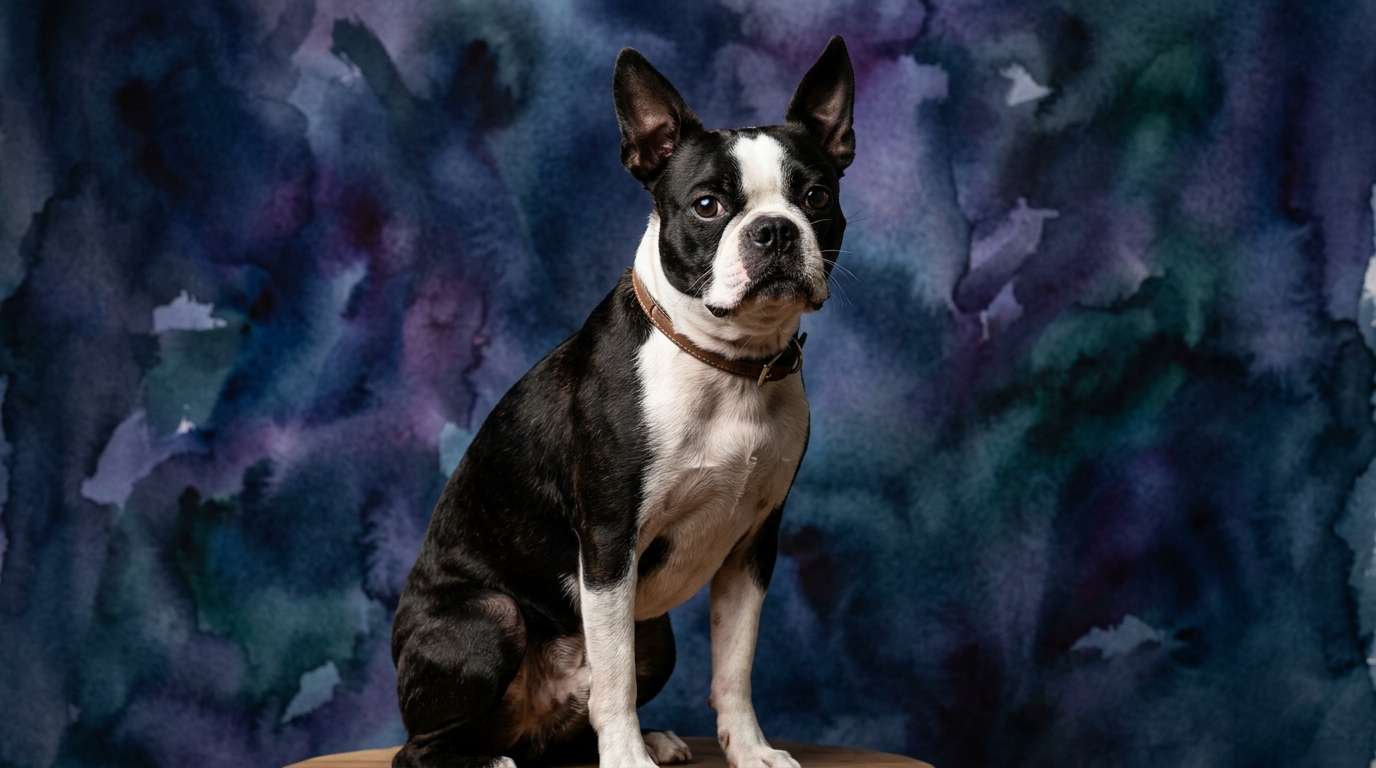
In contrast, the Boston Terrier, belonging to the Non-Sporting group, presents a profile emphasizing companionship and social harmony. Their Problem Solving is rated 3/5, indicating a capability for moderate challenges, often preferring to work alongside their human rather than devise complex solutions independently. Training Speed matches the Jack Russell at 3/5; they learn at a moderate pace, but their inherent desire to please often translates into a more cooperative training experience. Where they truly shine is in Social Intelligence, earning a 4/5 for their keen ability to read human emotions, anticipate needs, and integrate seamlessly into family dynamics. Their Instinctive Drive is a moderate 2/5, reflecting a domesticated history focused less on working tasks and more on companionship, resulting in a lower prey drive. Their Memory is 3/5, sufficient for recalling routines, commands, and social interactions, though perhaps not with the same depth for independent, multi-step problem-solving as their terrier counterpart.
Where the Jack Russell Terrier Excels Cognitively
The Jack Russell Terrier's cognitive strengths are deeply rooted in their working heritage, manifesting primarily in their exceptional problem-solving abilities and powerful instinctive drive. With a 5/5 in Problem Solving, these dogs are natural strategists, adept at navigating obstacles, figuring out puzzles, and even outsmarting their owners to achieve a desired outcome. This isn't just about learning tricks; it's about independent thought and the ability to adapt and innovate in novel situations. They might devise clever ways to access a forbidden treat or find a hidden toy, showcasing a profound understanding of cause and effect.
Furthermore, their 5/5 Instinctive Drive fuels this problem-solving prowess. Jack Russells possess an innate motivation to pursue goals, whether it's chasing a ball, digging, or exploring a scent trail. This high drive means they are often self-starters when it comes to engaging with their environment, constantly seeking out mental and physical challenges. Their 4/5 Memory also plays a crucial role, allowing them to remember successful strategies and apply them to new, similar situations, making them formidable little thinkers who learn from experience and rarely forget a lesson, good or bad.
Where the Boston Terrier Excels Cognitively
The Boston Terrier's cognitive advantages lie predominantly in their superior social intelligence and their capacity for harmonious interaction within a human family. Scoring 4/5 in Social Intelligence, Boston Terriers are remarkably attuned to the emotional nuances of their human companions. They possess an innate ability to read subtle cues, understand changes in tone, and often anticipate human moods, making them exceptionally empathetic and responsive companions. This social awareness translates into a dog that naturally seeks connection and thrives on close interaction, often acting as a comforting presence.
While their problem-solving might not reach the independent heights of a Jack Russell, the Boston Terrier leverages their social acumen to navigate their world effectively. They excel at communicating their needs and desires through body language and vocalizations that are easily understood by their owners, fostering a strong bond built on mutual understanding. Their moderate instinctive drive (2/5) means they are less likely to be distracted by external stimuli like prey or intense scents, allowing them to remain more focused on their human companions and household routines, further enhancing their role as a devoted family member.
Training Aptitude: Jack Russell vs. Boston Terrier
When it comes to training, both breeds share a 3/5 rating for Training Speed, indicating they learn at a moderate pace. However, the *ease* of training can differ significantly due to their other cognitive traits. The Jack Russell Terrier's high problem-solving ability and powerful instinctive drive, while impressive, can also present challenges. Their independent nature means they might choose to prioritize their own 'work' (like exploring a scent or digging) over a training command, requiring consistent, engaging, and often creative approaches to maintain their focus. Training a Jack Russell often demands an owner who can make learning feel like a game or a puzzle, tapping into their innate drive rather than fighting against it. Their strong memory means they will remember what they've learned, but also what they've gotten away with, so consistency is paramount.
The Boston Terrier, despite the same Training Speed score, often proves to be a more cooperative student. Their higher social intelligence and lower instinctive drive mean they are generally more motivated by pleasing their human and less by independent pursuits. They respond well to positive reinforcement, praise, and gentle guidance, thriving on the interaction and attention that training provides. While they may not grasp complex sequences as quickly as a Jack Russell, their desire to engage and their lower propensity for distraction can make the training process feel more straightforward and less of a battle of wills. For owners seeking a dog that genuinely enjoys the shared experience of learning, the Boston Terrier often offers a more amenable partnership.
Matching Breeds to Lifestyles: Active vs. Relaxed Owners
The distinct cognitive profiles of the Jack Russell Terrier and the Boston Terrier make them suitable for vastly different owner lifestyles. The Jack Russell Terrier, with their 5/5 Problem Solving and 5/5 Instinctive Drive, is unequivocally suited for active owners. These dogs require substantial physical exercise to burn off their boundless energy, but equally important is robust mental stimulation. Owners who enjoy activities like agility, earthdog trials, long hikes, or engaging puzzle toys will find a Jack Russell a thrilling and fulfilling companion. Their need to 'work' and solve problems means a sedentary lifestyle can quickly lead to boredom and potentially destructive behaviors, as they will invent their own challenges if not provided with appropriate outlets.
Conversely, the Boston Terrier, with their 4/5 Social Intelligence and lower 2/5 Instinctive Drive, is an ideal match for more relaxed owners. While they certainly enjoy walks and playtime, their primary joy comes from companionship and being an integral part of family life. They are content with moderate exercise and thrive on indoor interaction, snuggles on the couch, and being close to their people. Owners seeking a devoted, affectionate dog who will happily participate in daily routines without requiring intense physical or mental exertion will find the Boston Terrier's adaptable nature and strong social bond perfectly aligned with their lifestyle. They are less prone to creating their own 'jobs' and more inclined to simply enjoy the presence of their human companions.
The Verdict
Choose a Jack Russell Terrier if you are an active owner seeking a spirited, independent problem-solver who thrives on complex mental challenges and vigorous physical engagement.
Opt for a Boston Terrier if you desire a socially astute, affectionate companion who thrives on close interaction and a more moderate pace of life, valuing companionship above all.
🧠 Find Your Pet's IQ Score
Our Pet IQ Lab assessment covers 25+ tests across 5 cognitive dimensions — personalized to your breed.
Take the Full IQ Test →Frequently Asked Questions
Are Jack Russell Terriers good family dogs?
Yes, with consistent training and proper socialization, their energetic and playful nature can make them wonderful family members, though their high drive requires careful supervision around very young children and smaller pets.
Do Boston Terriers bark a lot?
Boston Terriers are not typically considered excessive barkers. They will alert to visitors or unusual sounds, but their vocalization is generally manageable and can be shaped with consistent training.
Which breed requires more mental stimulation?
The Jack Russell Terrier generally requires significantly more mental stimulation due to their high problem-solving ability and strong instinctive drive, needing engaging activities to prevent boredom and channel their intelligence constructively.