Side-by-Side IQ Profile: Unpacking Canine Cognition
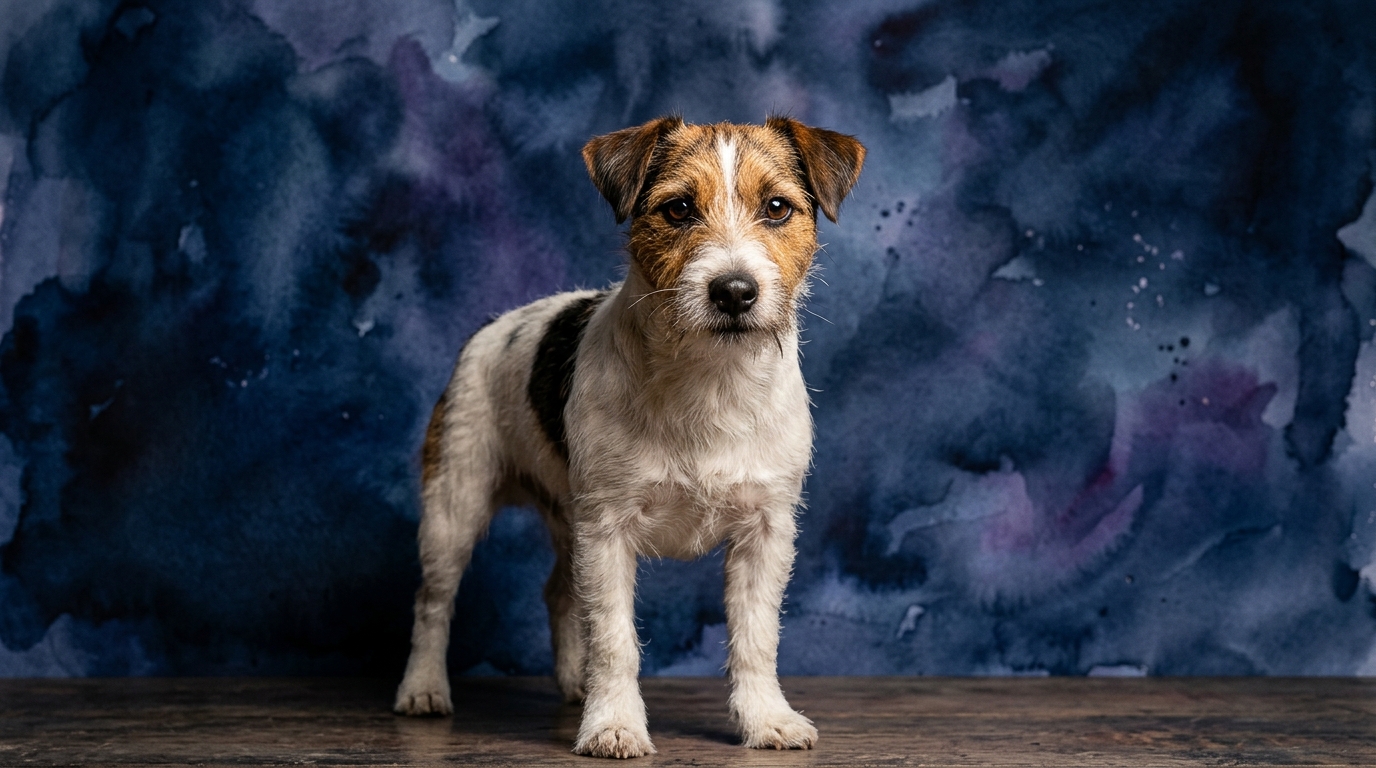
The Jack Russell Terrier, a tenacious member of the Terrier group, presents a cognitive profile geared towards independent action and persistent pursuit. Their Problem Solving is rated 5/5, indicating an exceptional aptitude for devising creative solutions to challenges. Training Speed stands at 3/5, reflecting their capacity to learn but also their strong independent streak. Social Intelligence is 3/5, suggesting a focused awareness primarily within their immediate sphere. Their Instinctive Drive is a powerful 5/5, propelling them with intense motivation. Finally, Memory is 4/5, enabling solid recall of successful strategies and experiences.
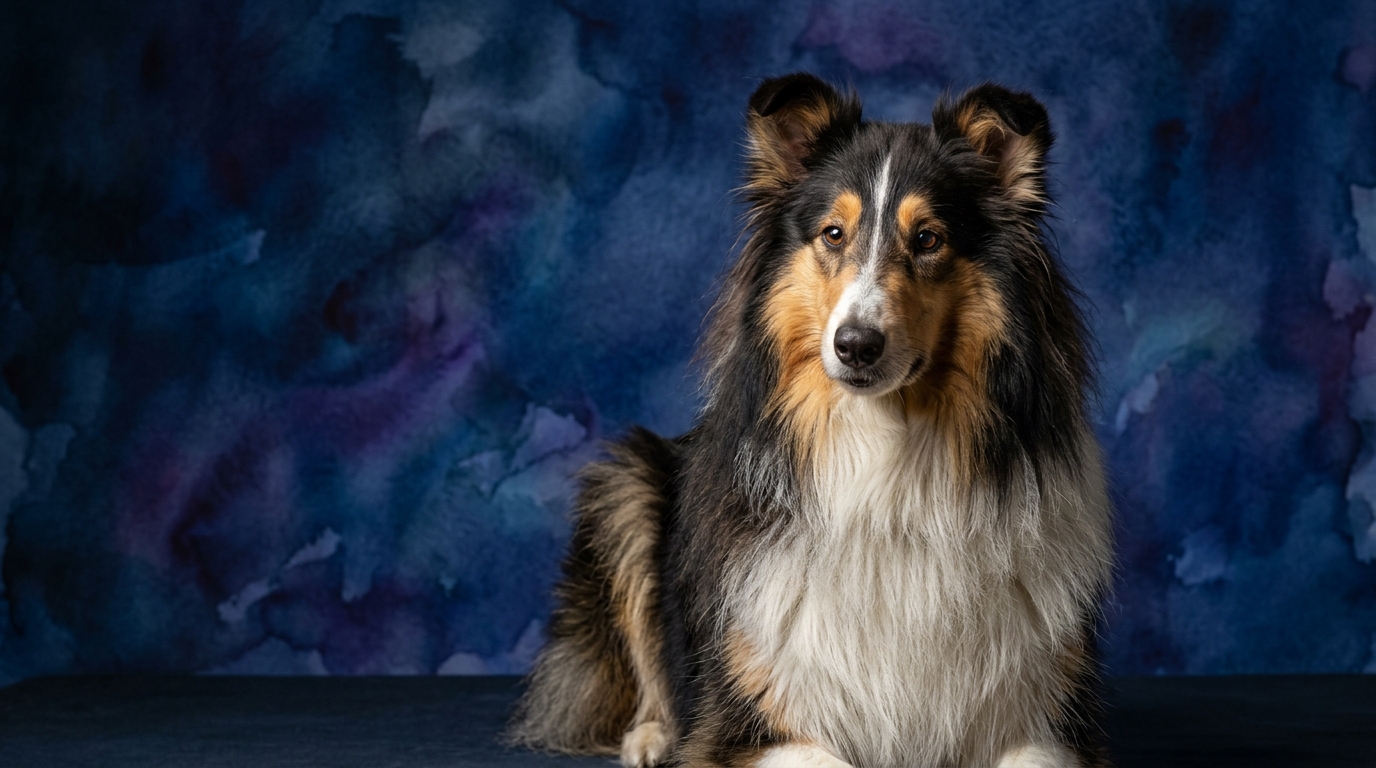
In contrast, the Collie (Rough), a distinguished Herding breed with a Coren rank of #16, displays a cognitive makeup centered on thoughtful engagement and impressive retention. Their Problem Solving is 4/5, showcasing a systematic approach to challenges. Training Speed is 4/5, highlighting their readiness to absorb and execute commands. Social Intelligence is 3/5, indicating a gentle and perceptive nature. Instinctive Drive is a moderate 3/5, manifesting as a desire to gather and manage rather than relentless pursuit. Their Memory is a perfect 5/5, reflecting an exceptional ability to recall vast amounts of information and routines.
Where the Jack Russell Terrier Wins Cognitively
The Jack Russell Terrier's cognitive strengths shine brightest in areas demanding raw ingenuity and tenacious self-reliance. Their 5/5 score in Problem Solving is not merely a number; it reflects a deep-seated impulse to dissect and conquer environmental puzzles. Imagine a JRT encountering a treat hidden within a complex puzzle toy; where other breeds might give up, the terrier's instinctual drive (5/5) propels them to manipulate, dig, chew, or strategize until the reward is theirs. This isn't just about learning; it's about an innate drive to understand and control their immediate surroundings, a trait honed over generations for independent vermin control. Their memory (4/5) supports this by allowing them to recall successful past strategies, quickly adapting and refining their approach to similar challenges. While their social intelligence (3/5) might not be their highest attribute, within the context of their "work," they are acutely aware of the subtle shifts in their environment that signal an opportunity for action, whether it's the rustle of leaves or the scent of a hidden critter. This combination of intense focus, relentless drive, and practical problem-solving makes them formidable opponents to any challenge they set their sights on, often devising solutions that surprise even their owners.
Where the Collie (Rough) Wins Cognitively
The Collie (Rough) distinguishes itself through a more nuanced and systematic cognitive profile, particularly excelling in areas requiring sustained focus and the ability to retain vast amounts of information. Their perfect 5/5 Memory score is a cornerstone of their learning capacity, enabling them to build an extensive behavioral repertoire and perform complex sequences with impressive consistency. This superior recall is evident in their Coren ranking as #16, reflecting a strong aptitude for obedience and working roles where precise execution of learned commands is paramount. While their Problem Solving (4/5) is slightly lower than the JRT's, it manifests differently: less as an impulsive drive to dismantle and more as a thoughtful assessment, especially in scenarios involving pattern recognition or understanding spatial relationships, akin to managing a flock. Their training speed (4/5) is a direct beneficiary of this memory and their inherent biddability; they absorb new information quickly and are motivated to perform correctly. The Collie's social intelligence (3/5) supports their role as a cooperative partner, allowing them to interpret human intent and respond appropriately, making them highly trainable for tasks requiring close collaboration rather than independent action. Their cognitive landscape is geared towards absorbing, processing, and faithfully reproducing learned behaviors, making them exceptional students in structured environments.
Which is Easier to Train and Why
Comparing the ease of training between the Jack Russell Terrier and the Collie (Rough) reveals distinct approaches rooted in their intrinsic motivations. The Collie (Rough), with a Training Speed of 4/5, generally proves easier to train for traditional obedience. Their strong memory (5/5) allows them to quickly commit commands to long-term recall, and their moderate instinctive drive (3/5) means they are less likely to be distracted by environmental stimuli that might derail a training session. They possess a natural inclination to cooperate and please their human companions, making them responsive to positive reinforcement and eager to perform. Their herding background fosters a desire for structure and a willingness to follow direction, translating into a more straightforward learning curve for basic and advanced commands. In contrast, the Jack Russell Terrier's Training Speed of 3/5 is influenced by its formidable instinctive drive (5/5) and exceptional problem-solving abilities (5/5). While they are perfectly capable of understanding commands, their independent nature and powerful prey drive mean they often weigh the perceived value of compliance against the thrill of pursuing a scent or a perceived 'hunt.' Training a JRT often requires more creativity, high-value rewards, and consistent engagement to keep their focus. They learn quickly if they see a clear benefit or if the training itself taps into their problem-solving instincts, but consistency in execution can be a greater challenge due to their independent spirit and tendency to make their own decisions.
Which Suits Active Owners vs. Relaxed Owners
The Jack Russell Terrier is unequivocally suited for active owners. Their 5/5 instinctive drive and boundless energy demand consistent physical and mental engagement. These are dogs that thrive on purpose, whether it’s agility, earthdog trials, or simply long, varied walks that allow them to explore and utilize their keen senses. An owner who enjoys hiking, running, or dog sports will find a JRT an enthusiastic and tireless companion. Their problem-solving prowess also means they require mental challenges; puzzle toys, scent work, and trick training are essential to prevent boredom and destructive behaviors. A relaxed owner might quickly find themselves overwhelmed by a JRT's incessant need for activity and stimulation, potentially leading to a frustrated dog and a chaotic home environment. The Collie (Rough), on the other hand, while not a sedentary breed, offers a more balanced energy profile, making them suitable for owners who appreciate a good walk but also enjoy quiet time at home. Their moderate instinctive drive (3/5) means they are content with regular, moderate exercise – a brisk daily walk or a game of fetch in the yard is often sufficient. Their strong memory (5/5) and trainability mean they excel in activities like obedience, rally, or even therapy work, which are mentally engaging without requiring the same level of raw physical output as a JRT. A Collie can adapt well to a family with a more relaxed pace, provided their needs for companionship and mental engagement through training are met. They are generally content to be near their family, observing and participating in a calmer fashion.
The Verdict
Opt for a Jack Russell Terrier if you're an active, experienced owner ready to channel intense problem-solving skills and a powerful instinctive drive into engaging activities and consistent, creative training.
Select a Collie (Rough) if you seek a biddable, thoughtful companion that excels in structured learning, possesses an exceptional memory, and thrives on consistent companionship and moderate activity.
🧠 Find Your Pet's IQ Score
Our Pet IQ Lab assessment covers 25+ tests across 5 cognitive dimensions — personalized to your breed.
Take the Full IQ Test →Frequently Asked Questions
Does Coren rank influence the IQ Lab scores?
Coren ranks primarily reflect a breed's working and obedience intelligence, correlating strongly with training speed and memory. While Coren's #16 ranking for the Collie (Rough) aligns with its high training speed and perfect memory, The Cosmic Pet IQ Lab's scores provide a more granular breakdown across five distinct cognitive dimensions, including problem-solving and instinctive drive, which Coren doesn't specifically detail.
How does "instinctive drive" impact a dog's daily life?
Instinctive drive, rated 5/5 for the Jack Russell and 3/5 for the Collie, significantly dictates a dog's inherent motivations and behaviors. A high drive, like the JRT's, means a strong compulsion to act on specific instincts (e.g., chasing, digging), requiring owners to manage and redirect this energy constructively. A moderate drive, like the Collie's, suggests a more adaptable nature, where instincts are present but less overwhelming, making them generally more amenable to structured home life without constant outlet for intense drives.
Can a Jack Russell Terrier excel in obedience despite its lower training speed score?
Absolutely. While a Jack Russell Terrier's training speed (3/5) is influenced by its independent nature and strong drives, their exceptional problem-solving (5/5) and solid memory (4/5) mean they are perfectly capable of learning and performing complex obedience tasks. Success hinges on an owner's ability to make training highly engaging, rewarding, and consistent, tapping into their intrinsic motivations rather than relying solely on traditional compliance methods.