Side-by-Side Cognitive Profiles
The Cosmic Pet Pet IQ Lab provides a unique lens through which to examine the mental makeup of these two breeds, highlighting their specialized aptitudes across five key dimensions. Understanding these scores helps us appreciate their inherent predispositions.
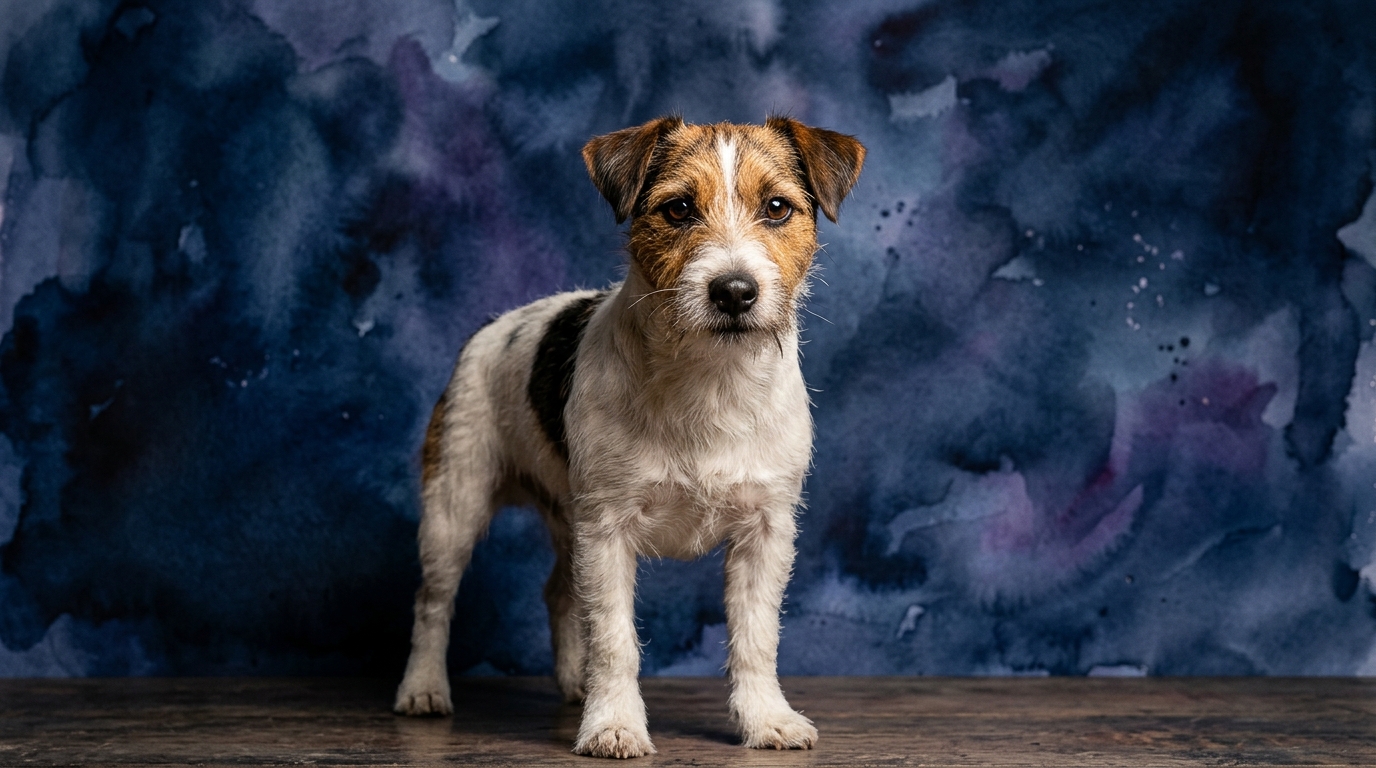
The Jack Russell Terrier presents a cognitive profile dominated by exceptional Problem Solving (5/5) and an overwhelming Instinctive Drive (5/5). These scores reflect a mind constantly engaged in figuring things out and relentlessly pursuing objectives, often linked to their original vermin-hunting role. While capable of learning, their Training Speed (3/5) is moderate, as their independent streak often prioritizes self-directed goals over immediate compliance. Their Social Intelligence (3/5) is functional, focused on individual relationships rather than broad social harmony, and they possess a strong Memory (4/5) for routines and past experiences crucial for their persistent nature.
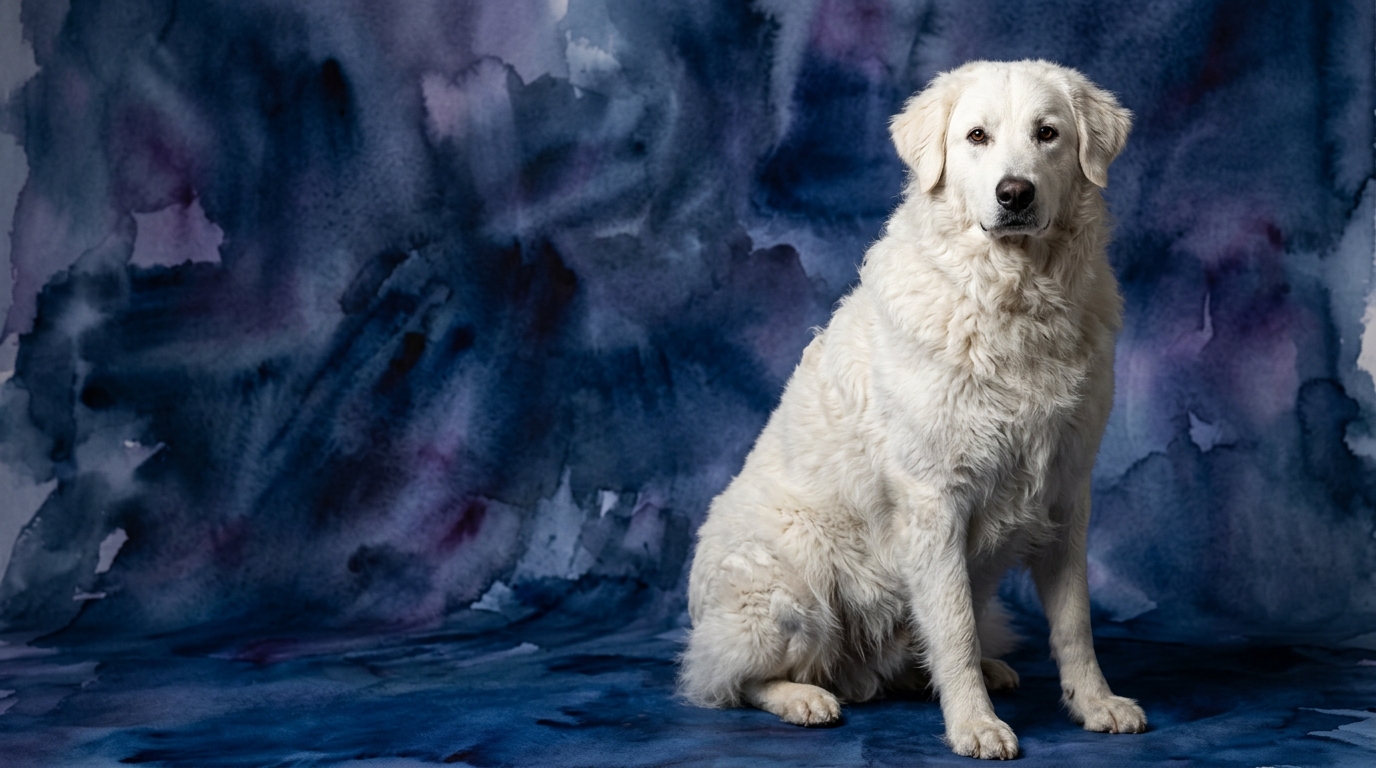
The Kuvasz, with a Coren rank of #42, exhibits a distinct cognitive makeup shaped by its livestock guardian heritage. Its Problem Solving (3/5) is practical and context-specific, adept at assessing threats but less inclined towards abstract puzzles. Like the JRT, their Training Speed (3/5) is also moderate, stemming from an independent judgment and a need to evaluate commands rather than eager compliance. Their Social Intelligence (3/5) is characterized by deep loyalty to their "flock" and discerning awareness of their environment, while their Memory (4/5) is strong, enabling them to retain knowledge of territory and individuals for vigilant protection. Their Instinctive Drive (3/5) is a measured, watchful guardianship, rather than a high-octane pursuit.
Where the Jack Russell Terrier Wins Cognitively
The Jack Russell Terrier's cognitive strengths shine brightest in areas demanding rapid, independent decision-making and relentless pursuit. Their remarkable 5/5 score in Problem Solving means they excel at figuring out how to overcome obstacles, whether it's digging under a fence to investigate a scent or learning intricate sequences of actions to achieve a goal. This isn't just about learning; it's about active, adaptive reasoning in the moment. Coupled with a 5/5 Instinctive Drive, their minds are wired for intense focus and persistence towards a goal, often related to their original vermin-hunting purpose. They can strategize on the fly to corner a perceived 'prey' or navigate complex environments with single-minded determination. This combination makes them particularly adept at tasks requiring ingenuity and sustained effort, where a smaller dog's physical agility meets sharp mental acuity. Their memory (4/5) further supports this, allowing them to recall successful strategies and locations, reinforcing their effectiveness in independent tasks.
Where the Kuvasz Wins Cognitively
While not possessing the same explosive problem-solving score as the Jack Russell, the Kuvasz's cognitive strengths are deeply rooted in their history as a livestock guardian. Their Coren rank of #42 places them solidly in the 'average working/obedience intelligence' category, reflecting a capacity for learning and understanding commands, though often with a thoughtful pause. Their 3/5 in Social Intelligence, while appearing moderate, manifests as a profound, discerning understanding of their family unit and perceived 'flock.' This isn't about broad sociability but a deep, protective bond and an ability to accurately assess threats within their environment. Their 4/5 Memory is crucial here, enabling them to distinguish between familiar, safe individuals and potential intruders, remembering territories and routines with vigilance. The Kuvasz's cognitive edge lies in their independent judgment and strategic assessment of situations, making them adept at nuanced protective roles without constant human instruction. They are thinkers in a different vein, prioritizing observation, evaluation, and measured response over rapid, physical action.
Which Is Easier to Train and Why
Despite both breeds scoring 3/5 in Training Speed, the underlying reasons for their training challenges and the perceived ease of training differ significantly. The Jack Russell Terrier's moderate training speed stems from their intense Instinctive Drive (5/5) and formidable Problem Solving (5/5). They are clever and capable of learning, but their independent nature and innate desire to pursue scents or small animals often override their willingness to comply with human commands. Training a JRT requires immense consistency, engaging methods that tap into their drive, and a strong understanding that their primary motivation might be self-directed rather than people-pleasing; they learn quickly what benefits them or what they find stimulating, but may 'selectively' apply their knowledge.
In contrast, the Kuvasz's 3/5 Training Speed is tied to their independent guardian mentality. They are not naturally inclined to blindly follow commands but rather to evaluate them. Their social intelligence, while strong within their family unit, doesn't translate to an eager-to-please attitude with all instructions. Training a Kuvasz demands patience, respect for their judgment, and building a foundation of trust where they perceive commands as reasonable and beneficial. Neither breed is 'easy' in the conventional sense of a highly biddable dog; both require an owner who understands their specific cognitive leanings and can tailor training approaches accordingly, respecting their inherent independence.
Suitability for Active vs. Relaxed Owners
For owners seeking a companion that thrives on constant engagement and physical activity, the Jack Russell Terrier is an undeniable match. Their 5/5 Instinctive Drive translates into boundless energy and a need for mental stimulation that involves problem-solving and 'hunting' activities. They require owners who are not only active but also keen to provide consistent mental challenges, whether through agility, earthdog trials, or complex puzzle games. A relaxed owner who cannot meet these needs will likely find a JRT's intense cognitive and physical energy overwhelming, potentially leading to destructive behaviors born of boredom.
The Kuvasz, while a large and powerful dog, suits a different kind of owner – one who is present, consistent, and understands their need for purpose, but not necessarily constant high-impact activity. Their 3/5 Instinctive Drive is more about watchful guardianship than relentless pursuit. They are content with patrolling their territory, observing, and spending time with their family. A 'relaxed' owner for a Kuvasz isn't inactive but provides a calm, stable environment and respects their independent nature. They need space and a role, even if it's simply being a family protector, rather than an owner constantly seeking to engage them in complex tasks or high-octane sports. Both breeds demand commitment, but the nature of that commitment differs significantly based on their inherent cognitive profiles.
The Verdict
Choose a Jack Russell Terrier if you seek an endlessly energetic, sharp-witted partner for an active, engaging life filled with mental games and outdoor adventures.
Opt for a Kuvasz if you desire a majestic, independent guardian with a calm, watchful demeanor, thriving in a stable environment where their protective instincts can be fulfilled without constant human direction.
🧠 Find Your Pet's IQ Score
Our Pet IQ Lab assessment covers 25+ tests across 5 cognitive dimensions — personalized to your breed.
Take the Full IQ Test →Frequently Asked Questions
Are Jack Russell Terriers good family dogs?
Jack Russell Terriers can be good family dogs for active families who understand their high energy and strong prey drive. They thrive with consistent training, plenty of mental and physical stimulation, and supervision around very young children due to their boisterous nature. They bond closely with their family but need their cognitive needs met to be well-adjusted companions.
Do Kuvasz dogs bark a lot?
Kuvasz dogs are known for their vigilant nature, which often includes barking as a primary method of alerting their owners to perceived threats or strangers. This is a natural part of their guardian instinct and can be managed with training, but owners should expect a certain level of vocalization. Their barking is usually purposeful, not typically excessive or random.
Which breed is better for first-time dog owners?
Neither the Jack Russell Terrier nor the Kuvasz is generally recommended for first-time dog owners due to their strong independent streaks and specific cognitive needs. Both require experienced owners who understand their breed-specific drives and are committed to consistent, patient training and socialization tailored to their unique temperaments and cognitive profiles.