Side-by-Side IQ Profile
The Cosmic Pet Pet IQ Lab evaluates five key cognitive dimensions, providing a granular view of each breed's mental landscape.
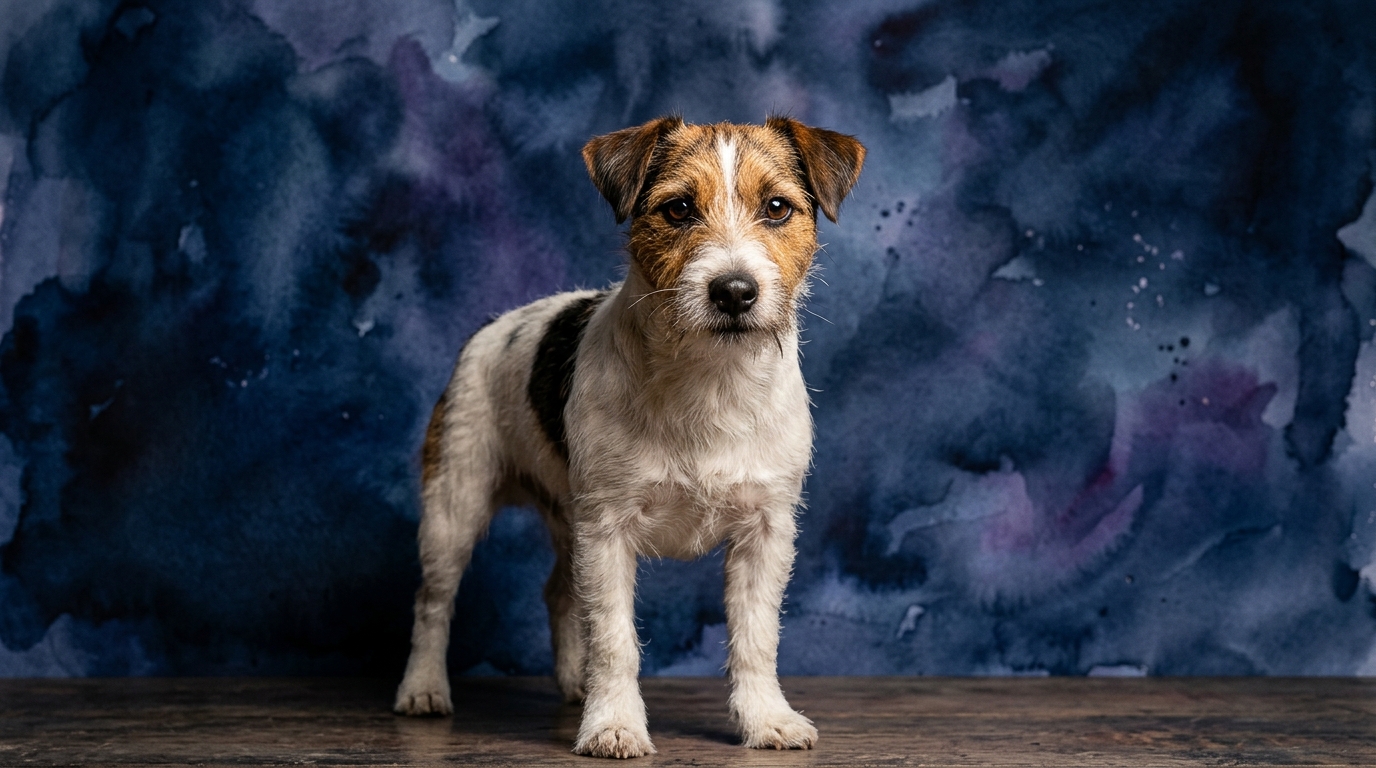
Jack Russell Terrier: Problem Solving (5/5): This breed excels at independently navigating complex environments or overcoming physical obstacles to reach a goal. Their minds are constantly seeking creative solutions to perceived challenges. Training Speed (3/5): While capable of understanding new commands quickly, their strong independent streak and high drive can make them less immediately compliant during training sessions, often prioritizing their own interests. Social Intelligence (3/5): They grasp social cues and can interact appropriately, but their primary focus isn't always on nuanced human communication. They are often more interested in independent action than collective harmony. Instinctive Drive (5/5): Their intense prey drive, boundless curiosity, and high energy are core to their being. This manifests as a relentless pursuit of scents, movement, or any perceived "quarry." Memory (4/5): They retain information well, remembering learned commands, routines, and even past rewards or punishments over extended periods, aiding in consistent behavior once truly ingrained.
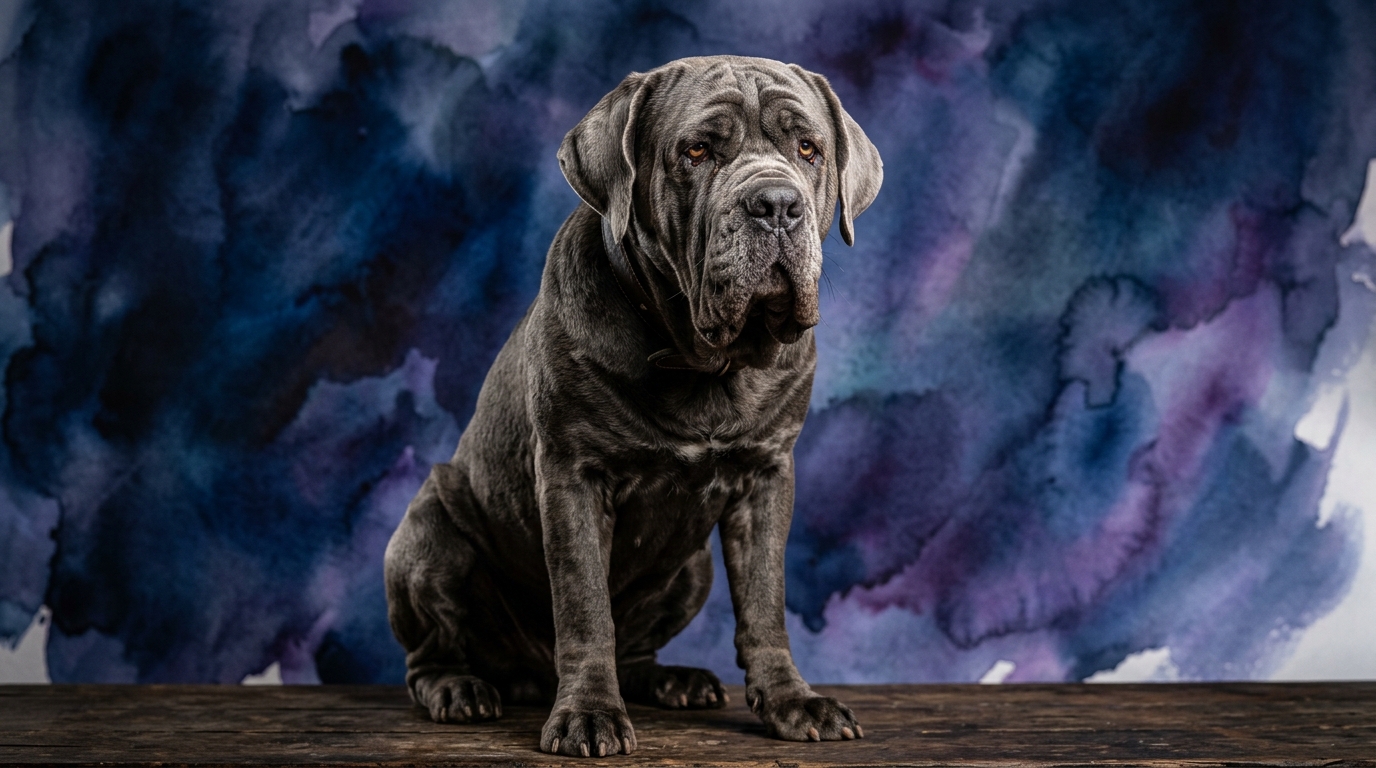
Neapolitan Mastiff: Problem Solving (3/5): This breed approaches challenges with a more measured, often physical, approach rather than intricate mental strategizing. They can solve direct problems but aren't typically inclined towards complex puzzles or quick-witted solutions. Training Speed (3/5): Similar to the Jack Russell, they learn at a moderate pace. Their challenge isn't a lack of understanding, but rather a preference for deliberate, unhurried action and a strong, unyielding will. Social Intelligence (3/5): They are acutely aware of their family unit and social dynamics within it. They understand subtle cues and are capable of deep bonds, often expressing their social awareness through calm presence and protective instincts. Instinctive Drive (3/5): Their primary drives revolve around guardianship and companionship. While possessing natural protective instincts, they generally lack the intense prey drive or restless curiosity seen in hunting breeds. Memory (3/5): They remember routines and key family members reliably. Their memory serves their purpose of consistent companionship and maintaining established household order, though not for intricate sequences of commands.
Where Jack Russell Terrier Wins Cognitively
The Jack Russell Terrier's cognitive strengths are deeply rooted in its heritage as a working terrier. Their 5/5 in Problem Solving means they are masters of improvisation and strategic thinking. They might figure out how to open child-proof latches, unearth buried treasures from seemingly impenetrable spots, or devise complex routes to escape an enclosure, showcasing a remarkable capacity for cognitive mapping and foresight. Their 5/5 Instinctive Drive translates into an unyielding focus on their environment. This manifests as a keen ability to detect subtle movements or sounds, a powerful drive to explore and investigate, and an almost obsessive pursuit of perceived "prey," whether it's a squirrel in the yard or a toy hidden under furniture. This drive fuels their engagement with the world, making them incredibly aware and responsive to external stimuli. A 4/5 Memory score further enhances their adaptability, allowing them to recall intricate command sequences, remember locations of hidden toys over extended periods, and quickly re-learn tasks even after a long break, building effectively on past experiences.
Where Neapolitan Mastiff Wins Cognitively
The Neapolitan Mastiff's cognitive profile, while different, presents distinct advantages for its intended role. Their 3/5 Social Intelligence, while not overtly demonstrative, shines in its nuanced understanding of family dynamics and its role as a quiet protector. They excel at reading human emotions, often responding with a comforting presence during distress or a watchful stance when strangers approach. Their strength lies not in boisterous interaction but in a deep, perceptive awareness of their human companions' well-being, providing a calming anchor in the home. The Neapolitan Mastiff's 3/5 Instinctive Drive is a significant cognitive advantage for specific lifestyles. This lower drive means they are less likely to be perpetually distracted by every rustle in the bushes or every passing scent. Their drives are channeled more towards their primary purpose of guardianship, allowing them to remain calm and focused within their territory without the constant need to chase or investigate, a considerable asset in a serene home environment. Finally, their 3/5 Problem Solving, though not agile, is characterized by a deliberate and often effective approach. When faced with a physical barrier, for instance, a Mastiff might methodically test its strength or simply wait for a human to assist, rather than engaging in frantic, energy-intensive attempts. This measured approach, while not fast, often leads to successful outcomes through persistence and a reliance on their physical presence.
Which Is Easier to Train and Why
Training a Jack Russell Terrier (Training Speed 3/5, Problem Solving 5/5, Instinctive Drive 5/5) presents a unique challenge. They grasp concepts rapidly due to their high problem-solving ability, often understanding what is expected after only a few repetitions. However, their strong instinctive drive and independent nature mean they are frequently more interested in pursuing their own agendas – like chasing a scent or investigating a sound – than in immediate compliance. This makes consistency and making training incredibly engaging paramount. They aren't difficult to teach, but they can be challenging to *convince* to perform when their instincts pull them elsewhere. Their intelligence is often channeled towards independent action, sometimes making them appear stubborn if not properly motivated.
The Neapolitan Mastiff (Training Speed 3/5, Problem Solving 3/5, Instinctive Drive 3/5), with a similar 3/5 training speed, offers a different set of training considerations. They learn at a steady pace, often requiring more repetitions than a JRT to solidify a command. Their lower instinctive drive means they are generally less distracted by environmental stimuli, which can be an advantage in focus during training sessions. However, their deliberate nature and strong will mean they are not easily rushed. Training success hinges on patience, positive reinforcement, and establishing a clear, consistent hierarchy. They are unlikely to "figure out" a complex command on their own quickly, but once they understand and accept a rule, they tend to adhere to it with impressive consistency due to their calm demeanor and desire for stability.
Which Suits Active Owners vs. Relaxed Owners
The Jack Russell Terrier is undoubtedly the choice for highly active owners. Their 5/5 instinctive drive and boundless energy demand constant engagement and physical exertion. Owners who enjoy long runs, intricate fetch games, agility courses, or even canine parkour will find a JRT an eager and tireless companion. Their high problem-solving skills also mean they thrive on mental challenges and structured activities that tap into their natural curiosity and drive to "work." A JRT with a sedentary owner is a recipe for a frustrated dog and a potentially chaotic home environment.
The Neapolitan Mastiff is far better suited for owners who prefer a more relaxed, unhurried pace of life. Their lower instinctive drive and generally calm temperament mean they are content with moderate exercise, such as leisurely walks, and appreciate a quiet, stable home environment. While they still require regular activity, their cognitive profile doesn't necessitate constant mental stimulation in the same way a JRT's does. Their social intelligence, focused on family bonding and protective presence, makes them excellent companions for owners who value a steady, loyal presence over high-octane interaction.
The Verdict
Opt for a Jack Russell Terrier if you seek an endlessly energetic, sharp-witted companion eager for constant physical and mental challenges, and you are prepared for a dog with a powerful independent streak.
Select a Neapolitan Mastiff if you desire a calm, loyal, and protective presence in your home, appreciating a deliberate pace and a dog whose social intelligence centers on a steady, watchful companionship.
🧠 Find Your Pet's IQ Score
Our Pet IQ Lab assessment covers 25+ tests across 5 cognitive dimensions — personalized to your breed.
Take the Full IQ Test →Frequently Asked Questions
Do Jack Russell Terriers get bored easily?
Yes, with a 5/5 instinctive drive and problem-solving, Jack Russell Terriers require significant mental and physical engagement to prevent boredom. They thrive on activities that challenge their quick minds and energetic bodies.
Are Neapolitan Mastiffs good with children?
Neapolitan Mastiffs with their 3/5 social intelligence are often gentle and protective with children in their own family, but their sheer size requires supervision. Early socialization is crucial for them to develop appropriate interactions.
How much exercise does a Neapolitan Mastiff need?
A Neapolitan Mastiff needs moderate, consistent exercise, typically 30-60 minutes daily, including walks and some yard play. Unlike the high-energy JRT, they are not built for intense, prolonged activity.