
Side-by-Side Cognitive Profiles
The Jack Russell Terrier presents a formidable cognitive blueprint, particularly in areas demanding independent thought and action. Its Problem Solving ability scores a perfect 5/5, indicating a dog adept at figuring out complex situations, often with minimal human intervention. This breed's Training Speed, at 3/5, suggests a moderate pace for learning new commands, which can be influenced by its strong independent streak. Social Intelligence, also rated 3/5, means they can navigate social cues but might prioritize their own objectives. Where the Jack Russell truly shines is in Instinctive Drive, hitting 5/5, reflecting an intense motivation to pursue prey, dig, and explore. Its Memory, at 4/5, allows it to retain learned behaviors and spatial information effectively.
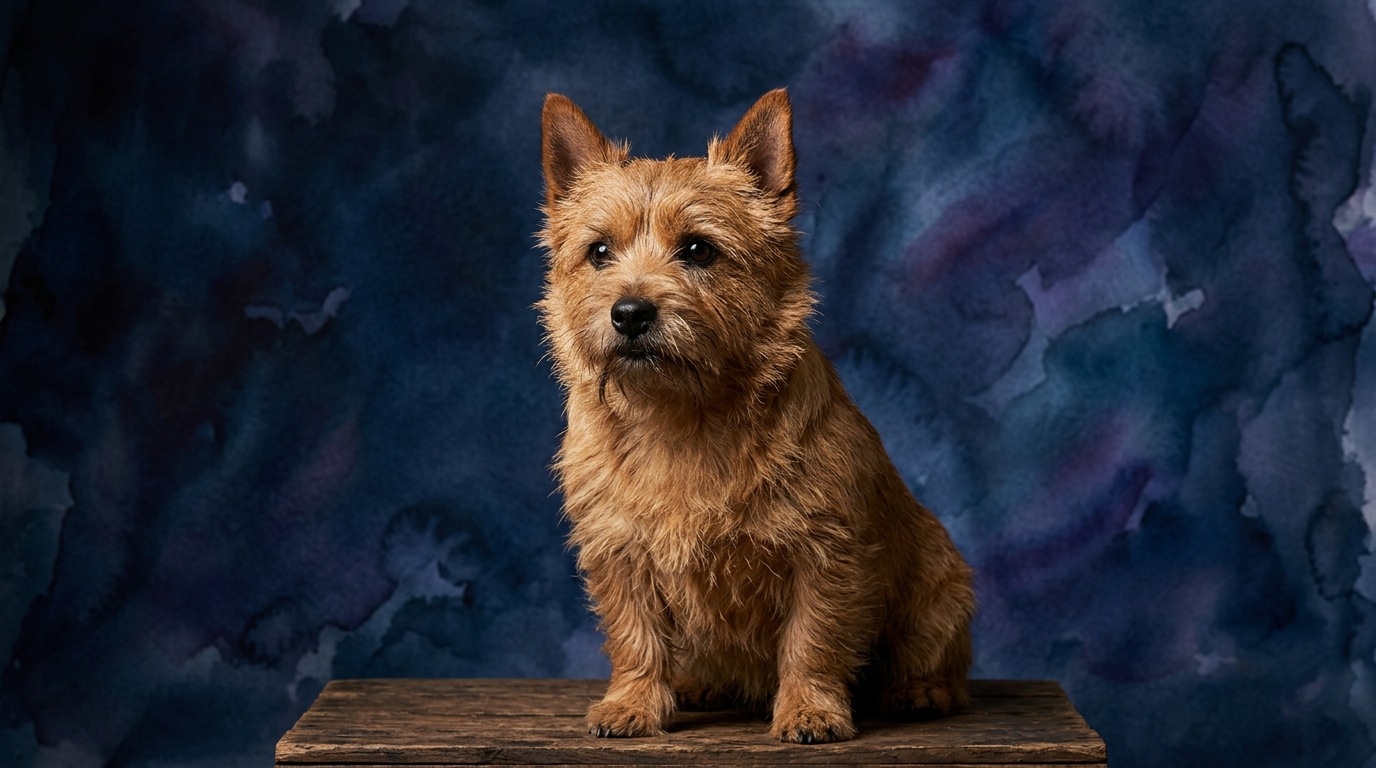
In contrast, the Norwich Terrier offers a more balanced, albeit less intense, cognitive profile. Its Problem Solving ability is rated 3/5, indicating a capacity to solve moderate challenges without the persistent ingenuity of a Jack Russell. Training Speed matches its counterpart at 3/5, suggesting a similar learning curve for basic obedience. Social Intelligence, also 3/5, means the Norwich is generally agreeable in social settings, understanding and responding to interactions. Its Instinctive Drive stands at 3/5, a notable difference from the Jack Russell, implying a more manageable prey drive and less compulsive exploratory behavior. Memory, at 3/5, is solid enough for daily routines and command retention, though perhaps not as acutely sharp as the Jack Russell's.
Where the Jack Russell Terrier Wins Cognitively
The Jack Russell Terrier unmistakably takes the lead in cognitive prowess when it comes to independent problem-solving and raw drive. With a 5/5 in Problem Solving, these dogs are masters at devising their own solutions to perceived challenges, whether it's escaping a yard, figuring out how to open a cabinet, or cornering a critter. This isn't just about simple obedience; it's about adaptive intelligence that allows them to navigate complex environments and achieve self-determined goals. This sharp problem-solving capacity means they often think several steps ahead, anticipating outcomes and acting proactively.
Furthermore, the Jack Russell's superior Instinctive Drive (5/5) and Memory (4/5) collectively contribute to its cognitive edge. Their intense drive translates into an unwavering focus when engaged in tasks that align with their terrier instincts, making them exceptionally persistent. This high drive, coupled with a strong memory, means they quickly learn which strategies are effective for hunting or exploring and will recall and apply them with remarkable consistency. Owners often observe this in their focused pursuit of squirrels or their ability to remember exactly where they buried a toy weeks ago, showcasing a potent combination of instinctual motivation and cognitive recall.
Where the Norwich Terrier Wins Cognitively
While the Norwich Terrier may not boast the same extremes in problem-solving or instinctive drive as its Jack Russell cousin, its cognitive profile offers distinct advantages for specific lifestyles. The Norwich's moderate Instinctive Drive (3/5) means it is less likely to be consumed by the relentless pursuit of prey or the compulsive need to dig. This translates to a dog that, while still a terrier at heart, is generally more amenable to redirection and less prone to intense, single-minded focus on instinctual tasks, making it a more relaxed companion in many domestic settings.
The Norwich's balanced Problem Solving (3/5) and Memory (3/5) scores suggest a dog that is intelligent enough to learn and adapt without constantly seeking to outmaneuver its owner or environment. This cognitive moderation means they are less likely to invent creative ways to challenge boundaries or exploit loopholes, contributing to a generally more predictable and less demanding cognitive presence. For owners who appreciate terrier spirit without the full intensity of a high-drive working dog, the Norwich's cognitive approach offers a harmonious blend of independence and cooperation.
Which is Easier to Train and Why
Despite both breeds scoring 3/5 in Training Speed, the practical experience of training a Jack Russell Terrier versus a Norwich Terrier can differ significantly due to their other cognitive attributes. The Jack Russell's high Problem Solving (5/5) and Instinctive Drive (5/5) mean that while they can learn commands relatively quickly, they are also constantly evaluating whether to comply or pursue a more self-gratifying alternative. Their sharp minds are often busy devising their own agendas, which can make consistent obedience a persistent challenge. Training a Jack Russell often requires exceptional consistency, engaging methods, and a firm understanding of their independent, driven nature to channel their considerable mental energy positively.
The Norwich Terrier, with its moderate Problem Solving (3/5) and Instinctive Drive (3/5), tends to be more straightforward to train, despite the identical Training Speed score. Their less intense drive means they are generally less distracted by environmental stimuli and less inclined to invent their own 'better' solutions to commands. While they still possess terrier tenacity, their cognitive profile suggests a greater willingness to work cooperatively and less inclination to push boundaries purely for the sake of it. This makes them a more forgiving partner for owners who might not have extensive dog training experience, as their cognitive makeup allows for a more direct and less confrontational training process.
Suitability for Active vs. Relaxed Owners
The cognitive profiles of these two terriers clearly delineate their suitability for different owner lifestyles. The Jack Russell Terrier, with its perfect 5/5 in Problem Solving and Instinctive Drive, is unequivocally suited for highly active owners who thrive on engagement and mental stimulation. These dogs require consistent outlets for their cognitive and physical energy, whether through advanced obedience, agility, earthdog trials, or extensive outdoor adventures. An owner who can match their dog's mental intensity and provide structured challenges will find the Jack Russell a rewarding, albeit demanding, companion. Without sufficient mental and physical engagement, their keen problem-solving skills might be directed towards undesirable behaviors like escaping, destructive chewing, or excessive barking.
Conversely, the Norwich Terrier, with its more moderate cognitive scores (3/5 across Problem Solving, Instinctive Drive, and Memory), is a better fit for owners seeking a lively companion that is still manageable in a less high-octane environment. While not a couch potato, the Norwich's less intense drive means it doesn't possess the same relentless need for 'work' or constant problem-solving challenges as the Jack Russell. They still enjoy regular walks, playtime, and mental enrichment, but are generally content with a more relaxed daily routine. An owner who appreciates a playful, affectionate terrier without the extreme demands for constant activity and mental gymnastics will find the Norwich a more harmonious match.
The Verdict
Choose the Jack Russell Terrier if you are an experienced, highly active owner seeking a dog with exceptional problem-solving abilities and an intense drive for engagement and challenge.
Opt for the Norwich Terrier if you desire a spirited, affectionate terrier with a more moderate drive and problem-solving approach, suitable for a slightly less intense, yet still active, lifestyle.
🧠 Find Your Pet's IQ Score
Our Pet IQ Lab assessment covers 25+ tests across 5 cognitive dimensions — personalized to your breed.
Take the Full IQ Test →Frequently Asked Questions
Which terrier is better for first-time dog owners?
The Norwich Terrier, with its more moderate instinctive drive and problem-solving tendencies, is generally more forgiving for first-time dog owners. Its cognitive profile allows for a more predictable and less challenging training experience compared to the intense Jack Russell.
Do Jack Russell Terriers and Norwich Terriers get along well with other pets?
Both breeds have a 3/5 Social Intelligence score, meaning they can coexist with other pets, especially if socialized early. However, the Jack Russell's higher instinctive drive might make it more prone to chasing smaller animals than the more moderate Norwich.
Which breed requires more mental stimulation daily?
The Jack Russell Terrier, with its 5/5 Problem Solving and Instinctive Drive, unequivocally requires more consistent and varied mental stimulation daily. Its sharp mind thrives on challenges and will seek its own 'work' if not adequately engaged by its owner.