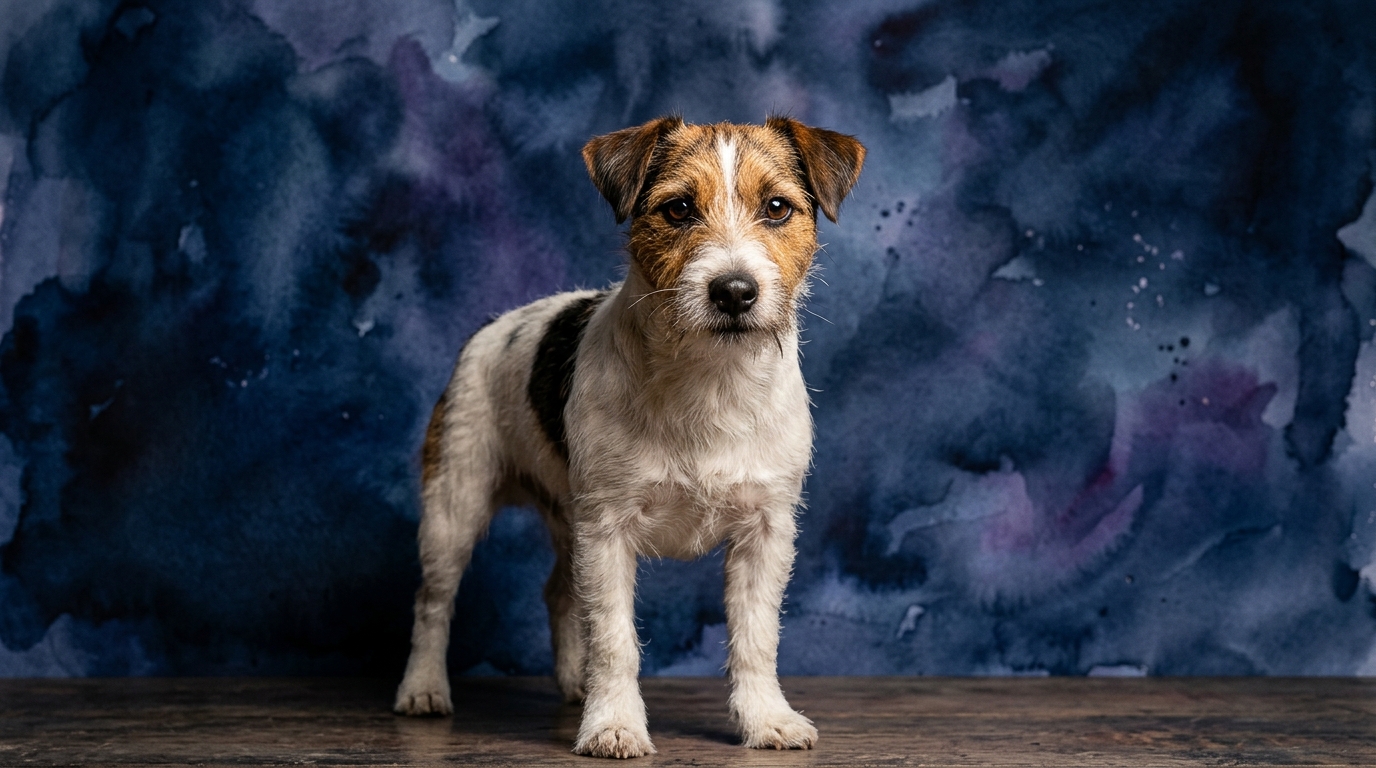
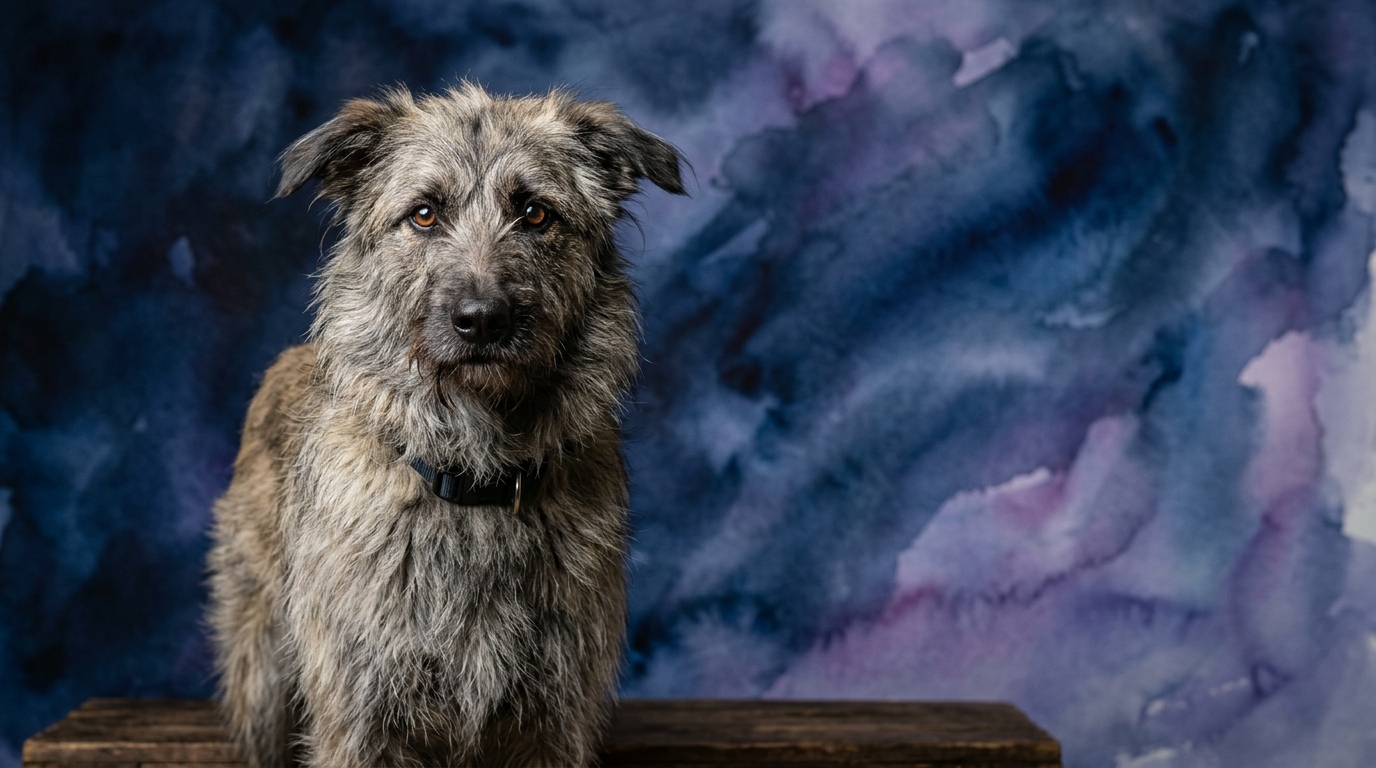
Side-by-Side IQ Profile: Jack Russell Terrier vs. Pyrenean Shepherd
At The Cosmic Pet Pet IQ Lab, we evaluate canine intelligence across five key dimensions, providing a nuanced understanding beyond simple obedience. For the Jack Russell Terrier, we observe a remarkable Problem Solving score of 5/5. These terriers are inherently adept at navigating complex situations and devising novel strategies, often outsmarting their environments. Their Training Speed is rated 3/5, indicating they grasp concepts moderately quickly, though their independent nature can sometimes influence compliance. Social Intelligence also scores 3/5, suggesting they understand social cues but might prefer direct, less nuanced interactions. A standout trait is their Instinctive Drive, a perfect 5/5, reflecting an intense motivation rooted in their hunting heritage. Finally, their Memory is strong at 4/5, enabling them to retain learned behaviors and experiences effectively.
The Pyrenean Shepherd presents a different cognitive blueprint, reflecting its herding background. Their Problem Solving ability is rated 3/5, demonstrating a functional capacity to learn routines and tackle familiar challenges, though perhaps with less spontaneous inventiveness than the JRT. Training Speed is also 3/5, indicating a moderate learning pace, often requiring patient and consistent methods due to their sensitive disposition. Like the JRT, their Social Intelligence is 3/5; they are observant and attuned to their family's dynamics but can be reserved with strangers. Their Instinctive Drive registers 3/5, manifesting as a purposeful herding instinct rather than an all-consuming prey drive. Memory for the Pyrenean Shepherd is 3/5, allowing them to recall commands and routines reliably, supporting their role as a cooperative working partner.
Where the Jack Russell Terrier Wins Cognitively
The Jack Russell Terrier clearly outshines the Pyrenean Shepherd in raw problem-solving aptitude, scoring a perfect 5/5 compared to the Pyr Shep's 3/5. This means a JRT is inherently more inclined to devise novel strategies and work through complex puzzles independently. Owners will observe them manipulating objects, figuring out latches, or finding inventive ways to access forbidden areas with remarkable ingenuity. Their superior memory (4/5) also supports this, allowing them to recall previous attempts and successful tactics, building a repertoire of solutions. This combination makes them formidable thinkers when faced with challenges that require independent thought rather than strict adherence to learned patterns.
Furthermore, the JRT's intense instinctive drive (5/5) means they are powerfully motivated to pursue goals, which fuels their problem-solving efforts, particularly when those goals align with their innate terrier impulses to chase, dig, or explore. This drive, while sometimes challenging for owners, is a significant cognitive asset for independent task completion, pushing them to overcome obstacles with unwavering determination. They are masters of creative resourcefulness when their instincts are engaged.
Where the Pyrenean Shepherd Excels Cognitively
While the Pyrenean Shepherd doesn't have a specific cognitive category where it scores higher than the Jack Russell Terrier in this profile, its strengths lie in the application of its moderate scores within its breed context. The Pyr Shep's moderate instinctive drive (3/5), centered on herding, means its drive is less scattered and more focused on purposeful work compared to the JRT's broad, intense prey drive. This can translate into a more directed and manageable focus on tasks once engaged, without the same level of independent, often disruptive, problem-solving that a terrier might apply to escape or hunt. They are less likely to diverge from a task to pursue an unrelated, instinctual impulse.
Their moderate social intelligence and memory, combined with their sensitive nature, make them highly attuned to their handler's nuances, fostering a deep working partnership rather than a purely independent one. They might not invent solutions as readily, but they are often more amenable to following and executing solutions provided by their human partners within a structured environment. This collaborative cognitive style, where they integrate human direction into their task execution, is a distinct advantage for owners seeking a responsive and cooperative companion for activities like herding or advanced obedience.
Which is Easier to Train and Why?
Both breeds are rated 3/5 for training speed, indicating a moderate pace, but the *nature* of their training experience differs significantly due to their other cognitive traits. The Jack Russell Terrier's exceptional problem-solving (5/5) and intense instinctive drive (5/5) mean they understand concepts quickly, but their strong will and independent thinking can make them challenging pupils. They might grasp a command but then choose to ignore it if something more interesting, or more aligned with their drives, presents itself. Training a JRT demands creativity, consistency, and a very high-value reward system to keep their focus and channel their energy productively. Owners often find themselves needing to outwit their JRT to ensure compliance, as their cognitive strength lies in independent action, not necessarily in eager subservience.
The Pyrenean Shepherd, while also moderate in training speed, tends to be more cooperative once a bond and understanding are established. Their moderate instinctive drive (3/5) means they are less likely to be completely consumed by prey drive distractions, and their sensitive social intelligence (3/5) makes them responsive to their handler's mood and intentions. Training a Pyr Shep often requires patience, positive reinforcement, and a gentle approach, as harsh methods can cause them to shut down. They thrive on clear, consistent communication and building confidence through successful repetition. While they might not invent solutions, they are typically more inclined to follow established procedures and work collaboratively with their handler, making them, in some contexts, an easier partner for structured obedience, provided their emotional needs are met and trust is built.
Suitability for Active vs. Relaxed Owners
The Jack Russell Terrier is unequivocally suited for active owners who relish a dynamic partnership and possess the dedication to channel a formidable amount of energy and cognitive prowess. Their 5/5 instinctive drive demands constant mental and physical engagement, making them ideal companions for individuals who enjoy extensive outdoor activities, dog sports like agility or earthdog trials, or intricate puzzle games. A relaxed owner would quickly find themselves overwhelmed by a JRT's relentless need for stimulation, which, if unmet, can lead to destructive behaviors born from boredom and an abundance of untapped problem-solving energy. Their cognitive makeup requires an owner who can consistently engage their sharp minds and robust bodies.
The Pyrenean Shepherd, while originating from a working background, possesses a more moderate instinctive drive (3/5) compared to the JRT, making them suitable for active owners who appreciate a purposeful canine companion but perhaps don't seek the same intensity. They thrive on regular exercise, opportunities for herding-type activities or long walks, and consistent mental engagement. While not a couch potato, a Pyr Shep is more likely to settle down after appropriate activity than a JRT. They could suit an owner who is active but also values periods of calm and a more emotionally sensitive partner, rather than the constant, independent challenge a JRT often presents. They are not for truly relaxed owners, but their activity needs are more manageable than a JRT's, and their cognitive focus is more on partnership than independent adventuring.
The Verdict
Choose a Jack Russell Terrier if you are an experienced, highly active individual or family seeking a relentless problem-solver with boundless energy and a strong independent streak, prepared to invest significant time in training and enrichment.
Choose a Pyrenean Shepherd if you are an active, patient owner looking for a sensitive, loyal partner who thrives on purposeful activity and consistent guidance, appreciating a collaborative working relationship over independent antics.
🧠 Find Your Pet's IQ Score
Our Pet IQ Lab assessment covers 25+ tests across 5 cognitive dimensions — personalized to your breed.
Take the Full IQ Test →Frequently Asked Questions
Do Jack Russell Terriers make good family pets?
Jack Russell Terriers can be excellent family pets for active families who understand their significant energy and training needs. They thrive with consistent boundaries and plenty of mental and physical stimulation to prevent boredom and destructive behaviors.
Are Pyrenean Shepherds good with children?
Pyrenean Shepherds can be good with older, respectful children, especially if raised with them. Their sensitive nature means they prefer calm interactions and may be reserved around boisterous young children, requiring careful supervision and socialization.
What kind of mental stimulation do these breeds need?
Jack Russell Terriers require complex puzzle toys, earthdog sports, and varied training to satisfy their high problem-solving and instinctive drives. Pyrenean Shepherds benefit from herding games, obedience training, and agility to engage their moderate drive and social intelligence.