Side-by-Side IQ Profile: Deconstructing Canine Minds
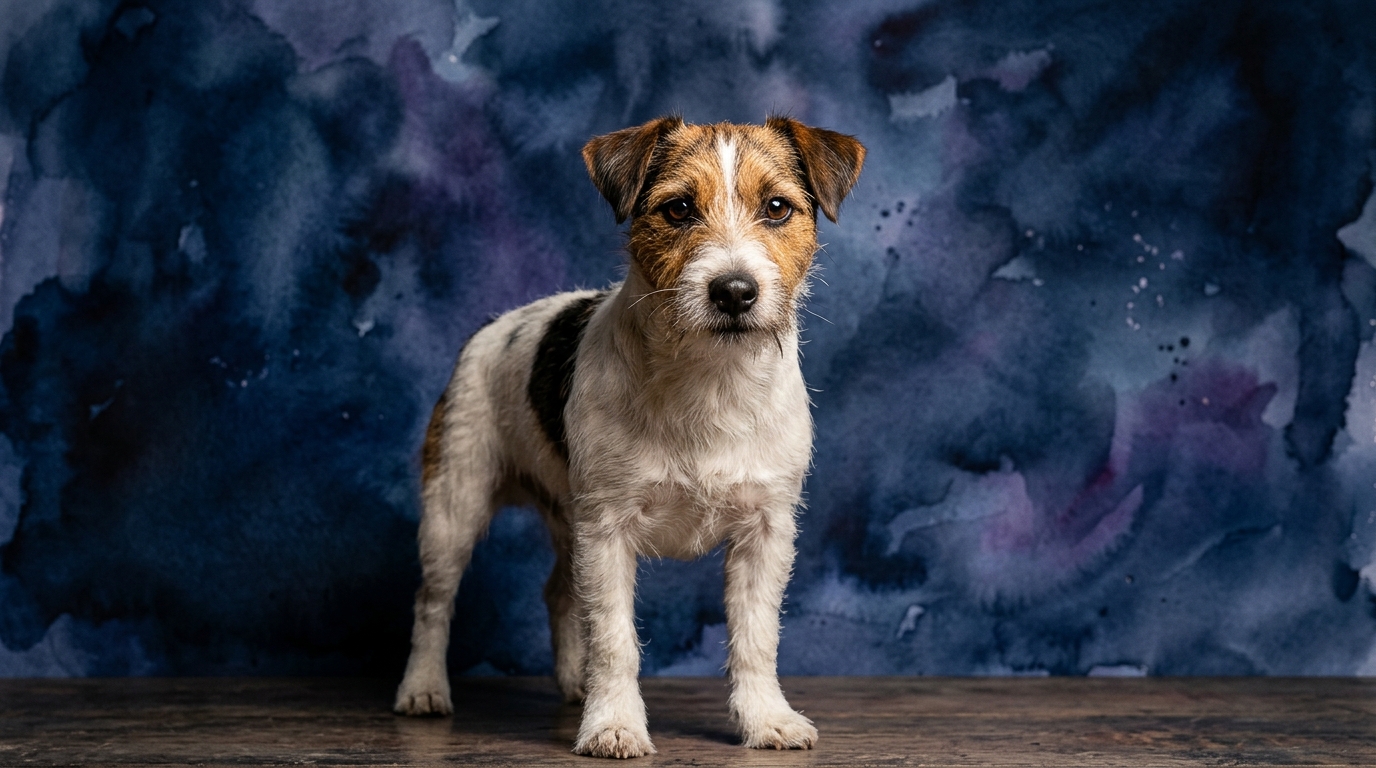
The Jack Russell Terrier presents a robust cognitive toolkit, heavily influenced by its working heritage. Their Problem Solving is rated a top-tier 5/5, indicating a profound capacity for independent thought and figuring out complex situations, often without direct human instruction. Training Speed sits at 3/5; while certainly capable of learning, their strong will and independent streak mean they might not always be the fastest to comply or generalize commands. Social Intelligence also scores 3/5, suggesting they understand social cues but might prioritize their own goals over human desires in certain contexts. A defining characteristic is their Instinctive Drive, a perfect 5/5, reflecting an intense motivation for hunting, chasing, and exploring. Their Memory, at 4/5, allows them to retain complex sequences and learned behaviors effectively, though perhaps selectively.
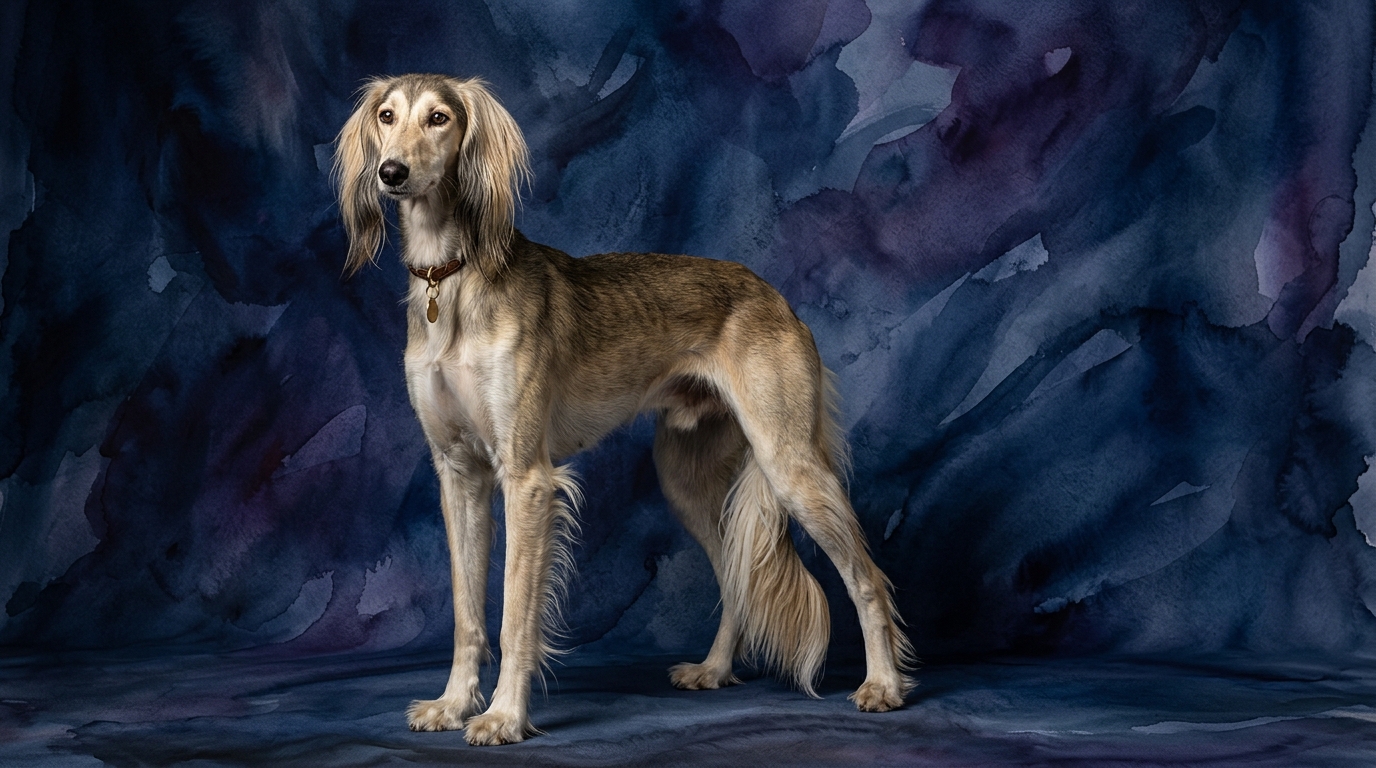
In contrast, the Saluki offers a different cognitive landscape, shaped by millennia as a sighthound. Their Problem Solving is rated 3/5, meaning they are competent at navigating their world and solving challenges, particularly those related to their primary function of sight-hunting, but might not exhibit the same level of innovative, independent problem-solving as the JRT in novel domestic scenarios. Training Speed matches the JRT at 3/5; they can learn, but their independent nature and often reserved disposition mean patience and understanding are key. Social Intelligence also scores 3/5, indicating an awareness of social dynamics, often expressed through quiet observation rather than effusive engagement. Their Instinctive Drive is 3/5, present but typically focused on visual prey rather than the varied, persistent drive of a terrier. Memory, at 3/5, suggests they recall information adequately, though perhaps not with the same depth for intricate details as some other breeds.
Where the Jack Russell Terrier Excels Cognitively
The Jack Russell Terrier's cognitive strengths are deeply rooted in their history as working terriers, engineered for independent action and persistent pursuit. Their exceptional 5/5 Problem Solving capacity is evident in their uncanny ability to navigate complex environments, outsmart perceived prey, or even figure out how to open latches and bypass barriers. This isn't just about following commands; it's about genuine ingenuity and a relentless drive to achieve a goal, whether that's reaching a perceived rodent or retrieving a hidden toy.
Furthermore, their 5/5 Instinctive Drive fuels this problem-solving prowess. This powerful intrinsic motivation means they are not easily deterred once they set their minds on a task, often demonstrating remarkable focus and stamina in their chosen pursuits. This drive, combined with a 4/5 Memory, allows them to recall intricate strategies and learned behaviors, making them adept at tasks requiring sequential actions or remembering the location of previously hidden items. An owner might observe a JRT remembering the precise spot where a squirrel disappeared days earlier or recalling a complex agility course after only a few repetitions. This blend of tenacious problem-solving, potent drive, and solid memory creates a highly effective and self-directed canine mind.
Where the Saluki Demonstrates Unique Cognitive Strengths
While the Saluki's cognitive profile appears less outwardly 'active' in some metrics compared to the JRT, their strengths lie in a different domain, honed by their specialized role as a sighthound. Their 3/5 Problem Solving, for instance, is highly effective within their natural hunting context; they excel at rapidly assessing vast landscapes, calculating pursuit trajectories, and making quick, independent decisions during a chase, often without direct human intervention. This form of problem-solving is about efficient, swift decision-making in open spaces rather than intricate puzzle manipulation.
Their 3/5 Instinctive Drive, though moderate, is acutely focused on visual stimuli and the thrill of the chase. This precise focus means they can maintain incredible concentration on a distant moving object, filtering out other distractions, which is a significant cognitive feat in itself. Unlike the JRT's broad, persistent drive, the Saluki's drive is about explosive, targeted action over endurance in confined spaces. Similarly, their 3/5 Social Intelligence often manifests as a dignified, observant presence. They may not seek constant interaction, but they are astute observers of their human companions, often forming deep, loyal bonds expressed through quiet companionship rather than boisterous displays. Their memory (3/5) supports their ability to recognize familiar faces, routes, and established routines, contributing to their calm demeanor in predictable environments.
Which Breed is Easier to Train and Why?
When evaluating ease of training, the cognitive profiles of the Jack Russell Terrier and Saluki present distinct challenges and opportunities, despite both having a 3/5 Training Speed score. The Jack Russell Terrier's formidable 5/5 Problem Solving and 5/5 Instinctive Drive are significant factors. While they are certainly capable of learning commands, their inherent tendency to figure things out independently and their intense drives can sometimes work against traditional obedience. A JRT might 'solve' the problem of an owner's command by finding a more rewarding alternative or by simply ignoring the instruction if their drive to pursue something else is stronger. They require consistent, engaging, and often creative training methods that channel their intelligence and drive, rather than trying to suppress it. Behavioral differences often include a propensity for digging, chasing, and a strong vocalization tendency, all of which require diligent management and training from an early age.
The Saluki, with its 3/5 Training Speed and 3/5 Instinctive Drive, presents a different training dynamic. They are generally less driven by the same incessant curiosity or prey drive as a JRT within a domestic setting. Their independence often manifests as a disinterest in repetitive drills rather than active defiance. They can be trained effectively with positive reinforcement and patience, but their motivation might not be as overtly enthusiastic as some other breeds. They are less likely to 'solve' a problem by digging under a fence but might simply choose to ignore a recall command if something visually stimulating catches their eye in the distance. Training a Saluki often means understanding their independent spirit and leveraging their desire for companionship and routine, rather than attempting to force compliance. Their reserved social intelligence means they respond well to calm, respectful interactions.
Suiting Active vs. Relaxed Owners: A Lifestyle Match
The choice between a Jack Russell Terrier and a Saluki often hinges on an owner's lifestyle and their capacity to meet distinct cognitive and physical needs. The Jack Russell Terrier, with its 5/5 Problem Solving and 5/5 Instinctive Drive, thrives with active, engaged owners who are prepared for a mentally and physically stimulating companion. These dogs require consistent outlets for their drive, whether through intricate puzzle toys, agility training, earthdog trials, or long, varied walks that allow for exploration. Owners who enjoy teaching complex tricks, engaging in interactive play, and providing consistent challenges will find a JRT to be a rewarding and endlessly entertaining partner. A JRT in a relaxed, low-stimulus environment is prone to developing destructive behaviors or excessive barking, as their powerful mind finds its own ways to entertain itself.
In contrast, the Saluki, while requiring regular opportunities for vigorous exercise, particularly sprinting in secure areas, often suits owners who appreciate a more independent and serene presence indoors. Their 3/5 Instinctive Drive is primarily focused on the chase, meaning they don't necessarily need constant mental puzzles or sustained interactive play in the same way a JRT does. After their exercise, Salukis are typically calm and composed, often content to recline elegantly near their human companions. Owners who appreciate a dignified, observant dog that isn't constantly demanding attention, but who can provide a safe space for their breed-specific bursts of speed, will find a Saluki to be an excellent match. They are not suited for owners seeking a boisterous, always-on companion, but rather a quiet, loyal presence that blossoms during designated active periods.
The Verdict
Choose a Jack Russell Terrier if you are an active, creative owner ready to channel a powerful, problem-solving mind and intense instinctual drives into productive activities and consistent training.
Opt for a Saluki if you appreciate a calm, independent companion indoors, who requires bursts of high-speed exercise and rewards patient, respectful training with dignified loyalty.
🧠 Find Your Pet's IQ Score
Our Pet IQ Lab assessment covers 25+ tests across 5 cognitive dimensions — personalized to your breed.
Take the Full IQ Test →Frequently Asked Questions
Do Jack Russell Terriers require a lot of mental stimulation?
Yes, their 5/5 problem-solving and 5/5 instinctive drive mean they need significant mental engagement. Without consistent challenges, they can become bored and channel their energy into undesirable behaviors. Puzzle toys, training, and varied activities are essential for their well-being.
Are Salukis good with other pets or children?
Salukis, with their 3/5 social intelligence, can be reserved but generally do well with respectful children and other pets if properly socialized from a young age. Their sighthound heritage means small, fast-moving pets might trigger their chase drive, requiring careful introductions and supervision.
What are the key differences in their memory capabilities?
The Jack Russell Terrier's 4/5 memory suggests they retain complex sequences and learned behaviors effectively, aiding in tasks like agility. The Saluki's 3/5 memory is adequate for routines and recognition but might not be as adept at recalling intricate details or long strings of commands.