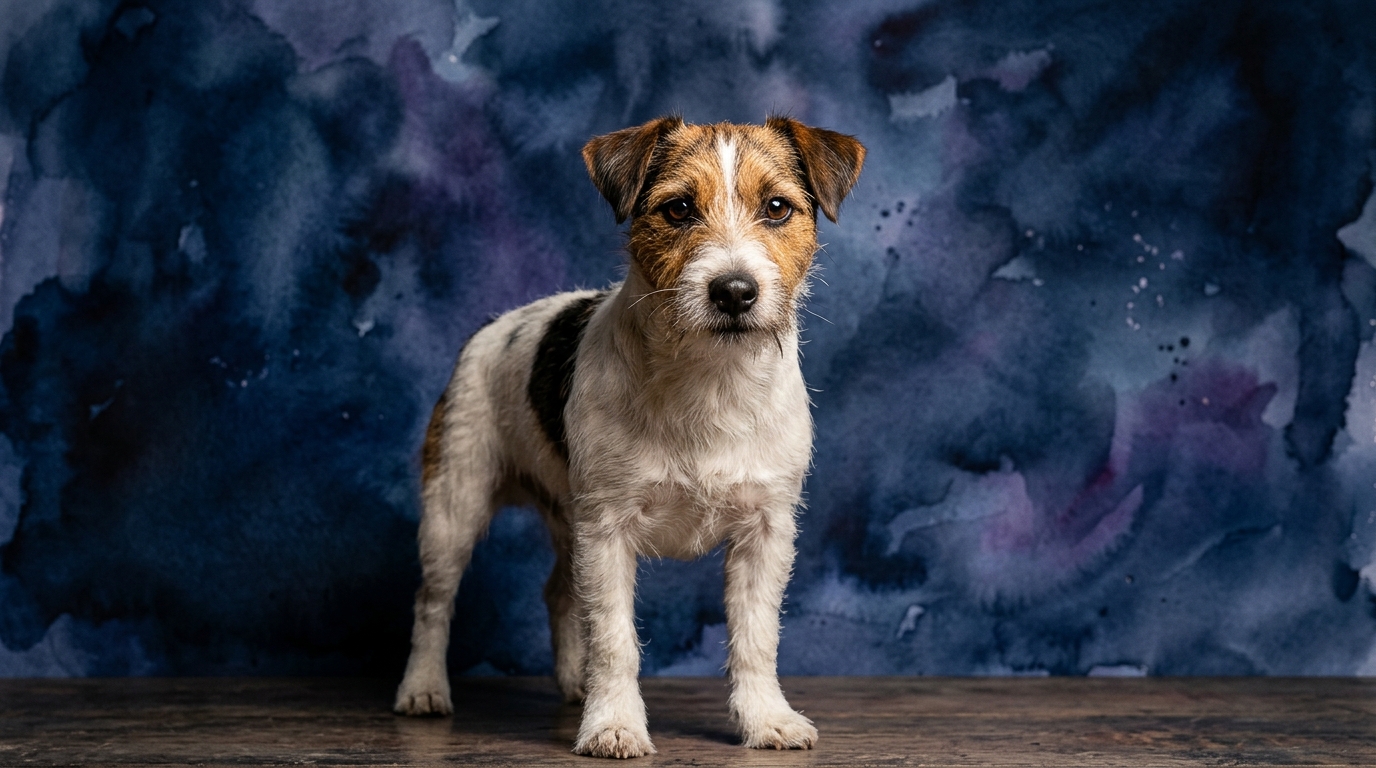
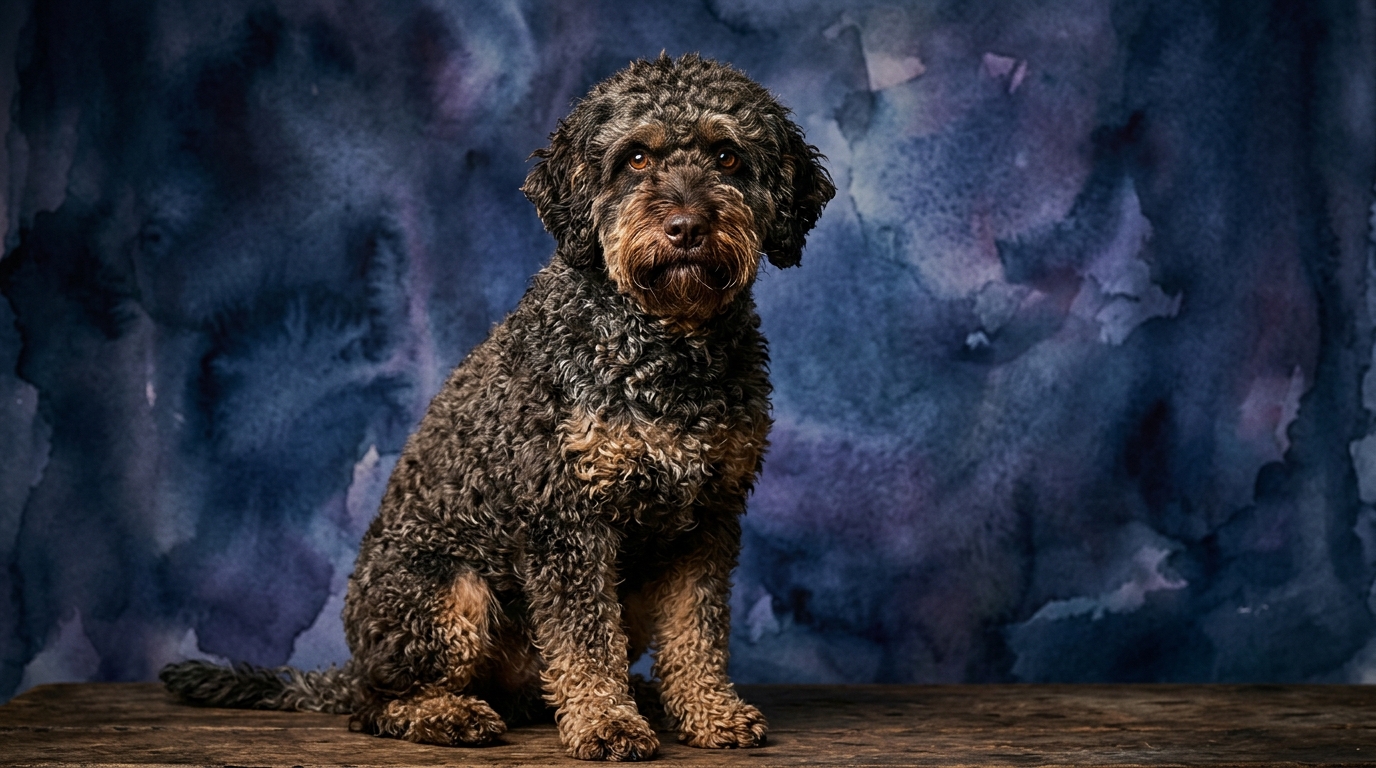
Side-by-Side IQ Profile: JRT vs. SWD
The Cosmic Pet Pet IQ Lab assesses five crucial cognitive dimensions for each breed. For the Jack Russell Terrier, problem-solving shines at 5/5, reflecting their ability to navigate complex physical obstacles and strategize to achieve goals with an independent spirit. Training speed is rated 3/5, indicating they learn but might require persistent, engaging methods due to strong will. Social intelligence also scores 3/5, as their focus is often task-oriented rather than primarily on human social cues. Their instinctive drive is a robust 5/5, fueled by an intense prey drive, digging, and exploration. Memory registers at 4/5, allowing them to recall intricate pathways and successful strategies for their pursuits.
In contrast, the Spanish Water Dog presents a different profile. Their problem-solving capability is rated 3/5, suggesting they figure out puzzles but with less single-minded intensity than a terrier. Training speed is also 3/5, meaning they are capable learners but may not always generalize commands quickly across different environments. Social intelligence stands at 3/5; they form strong bonds and are attentive to their owners but may not display nuanced social reading. Instinctive drive is 3/5, primarily centered around herding and water work, with a balanced intensity. Memory is rated 3/5, indicating a solid recall for routines and learned tasks, though perhaps not the same detailed spatial memory as the JRT.
Where Jack Russell Terrier Wins Cognitively
The Jack Russell Terrier truly excels in domains demanding raw tenacity and independent problem-solving. Their 5/5 problem-solving score isn't just about figuring things out; it's about relentlessly pursuing a solution, whether unearthing a hidden toy or navigating an agility course. This cognitive strength, coupled with their 5/5 instinctive drive, means they possess an unparalleled ability to focus intensely on a perceived objective, overcoming physical barriers with cunning and sheer will. A JRT's memory, rated at 4/5, complements this by allowing them to quickly recall successful strategies or the location of previously hidden items, making them adept at remembering complex sequences in their environment. For instance, a JRT might remember the exact spot a squirrel disappeared or the most efficient route through a dense thicket, demonstrating superior spatial and task-oriented recall crucial for their original hunting purpose. Their independent nature, while sometimes a training challenge, is a direct cognitive advantage when facing tasks requiring self-reliance and quick, unaided decision-making in the field, preferring to devise their own solutions.
Where Spanish Water Dog Wins Cognitively
The Spanish Water Dog, while not possessing the JRT's intense problem-solving drive, exhibits cognitive strengths rooted in its versatile working heritage. Their balanced 3/5 instinctive drive, focused on herding and water retrieval, signifies a capacity for sustained, cooperative work rather than independent pursuit. This translates to an ability to maintain attention over longer periods in a structured environment, crucial for managing livestock or retrieving items from water. While their problem-solving is 3/5, it's often applied in a more measured, observational way, allowing them to adapt to different situations without the JRT's headstrong intensity. Their social intelligence, also 3/5, suggests a more cooperative mindset, making them generally amenable to working alongside humans and forming strong bonds. This cooperative inclination, combined with a steady 3/5 training speed, means they can be consistent learners, particularly when tasks align with their natural herding or retrieving instincts. Unlike the JRT's often singular focus, the SWD's cognitive profile allows for a broader application of skills across various working scenarios, demonstrating versatility and a more adaptable approach to environmental challenges.
Which is Easier to Train and Why
Assessing which breed is “easier” to train requires understanding their core motivations and cognitive styles. The Jack Russell Terrier, with a training speed of 3/5 but problem-solving and instinctive drive of 5/5, presents a unique dynamic. Their immense drive means they are highly motivated, but their strong will and independent problem-solving can make them challenging. They are not always driven by a desire to please and may devise their own “solutions” that diverge from human expectations. For instance, teaching a JRT a recall might be difficult if they perceive a more enticing “prey,” leveraging their memory (4/5) to recall the exact route to their target. Training a JRT demands creativity, consistency, and making the desired behavior more rewarding than independent pursuits.
The Spanish Water Dog, with 3/5 across training speed, social intelligence, instinctive drive, and memory, offers a different experience. While not lightning-fast learners, their more balanced drive and cooperative herding background often make them more receptive to consistent, positive reinforcement. They are generally attentive and willing to work with their handler, even if they require more repetitions to solidify a command or generalize it. Their social intelligence, though not exceptionally high, fosters a working relationship responsive to human cues. For example, an SWD is more likely to maintain focus during a long training session. Therefore, the SWD often proves “easier” for the average owner due to their more cooperative nature and less intense independent streak, making them amenable to standard training protocols.
Which Suits Active Owners vs. Relaxed Owners
Neither the Jack Russell Terrier nor the Spanish Water Dog suit relaxed, sedentary owners. Both demand significant physical and mental engagement, but the type of activity they thrive on differs.
The Jack Russell Terrier is unequivocally for highly active owners who relish channeling intense, focused energy. Their 5/5 instinctive drive and problem-solving prowess mean they require structured outlets for prey drive, digging instincts, and boundless energy. These are not dogs content with a short walk; they need vigorous exercise, complex puzzle toys, earthdog trials, agility, or consistent training challenging their cunning minds. Owners must be prepared for a dog constantly seeking stimulation and potential destructiveness or vocalization if bored. They thrive with owners who understand their independent, tenacious spirit and channel natural instincts into productive activities.
The Spanish Water Dog also requires an active lifestyle, but their needs lean more towards versatility and cooperative engagement. Their 3/5 instinctive drive, rooted in herding and water work, means they excel in activities like dock diving, agility, obedience, or long hikes, especially near water. They enjoy working with their owner on tasks, making them excellent companions for outdoor adventures or dog sports. While needing consistent exercise, their energy is often more sustained and less intensely focused on a singular “prey” than the JRT’s. They suit active owners looking for a versatile, companionable dog who enjoys varied activities and a close working relationship, rather than an independent hunter.
The Verdict
Opt for a Jack Russell Terrier if you are an experienced, highly active owner who thrives on channeling intense, independent problem-solving energy and a relentless drive into structured activities like earthdog trials, advanced agility, or scent work. Be prepared for a persistent, cunning, and sometimes willful partner requiring consistent mental and physical challenges.
Select a Spanish Water Dog if you are an active owner seeking a versatile, cooperative companion for a range of outdoor activities, including water sports, herding, or obedience, and appreciate a dog that learns steadily and forms strong working bonds. They are better suited for those desiring a balanced, adaptable partner willing to engage in varied tasks.
🧠 Find Your Pet's IQ Score
Our Pet IQ Lab assessment covers 25+ tests across 5 cognitive dimensions — personalized to your breed.
Take the Full IQ Test →Frequently Asked Questions
Does a Jack Russell Terrier's high problem-solving score mean they are easy to train?
Not necessarily. While they can figure things out quickly, their strong independent problem-solving and instinctive drive mean they might solve problems in ways that don't align with your training goals, requiring more creativity and consistency from the owner.
Are Spanish Water Dogs good family pets given their herding background?
Yes, Spanish Water Dogs can be excellent family pets, especially for active families. Their herding instinct means they may try to "gather" children or other pets, but with proper socialization and training, they form strong bonds and are loyal companions.
How much exercise do these breeds truly need daily?
Both breeds need substantial daily exercise, typically 60-90 minutes of vigorous activity. For a Jack Russell Terrier, this should include mentally stimulating games; for a Spanish Water Dog, it should involve varied activities, often including water.