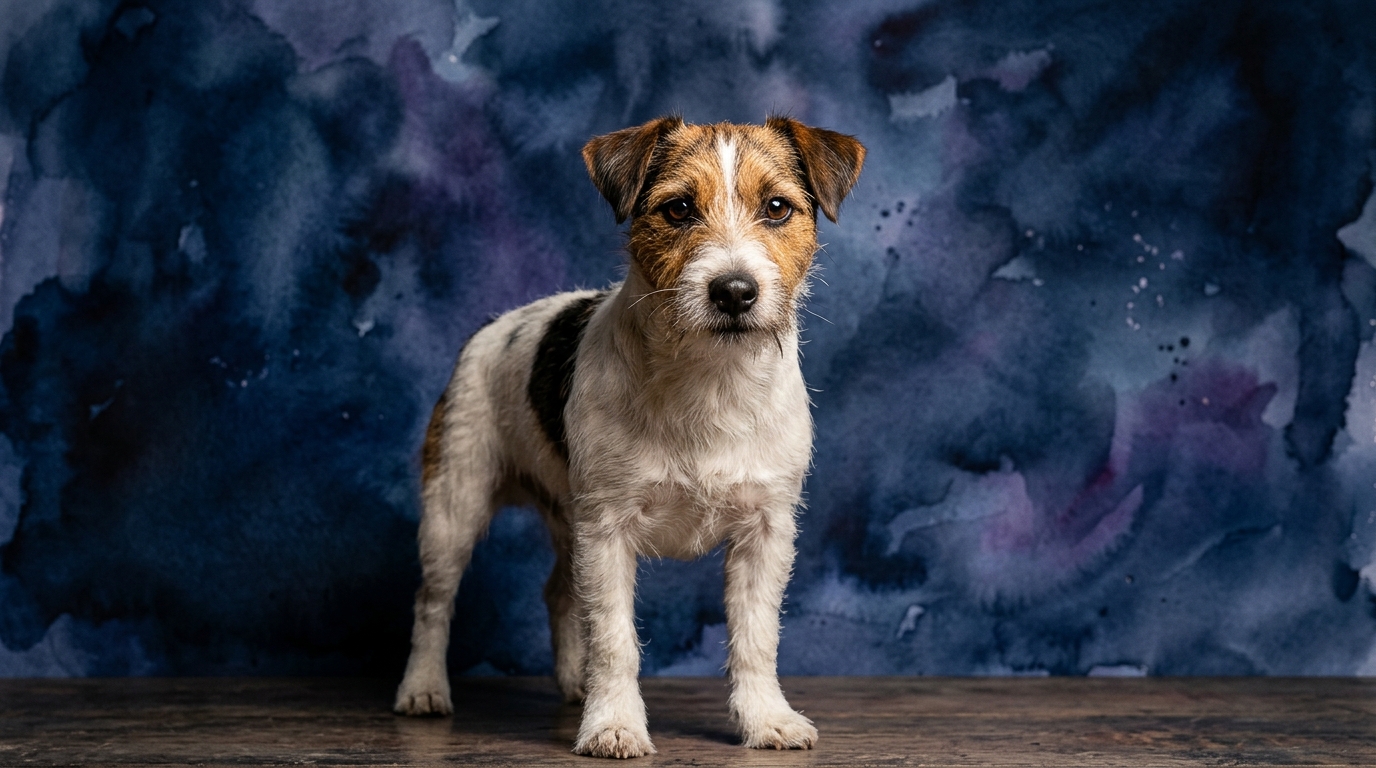
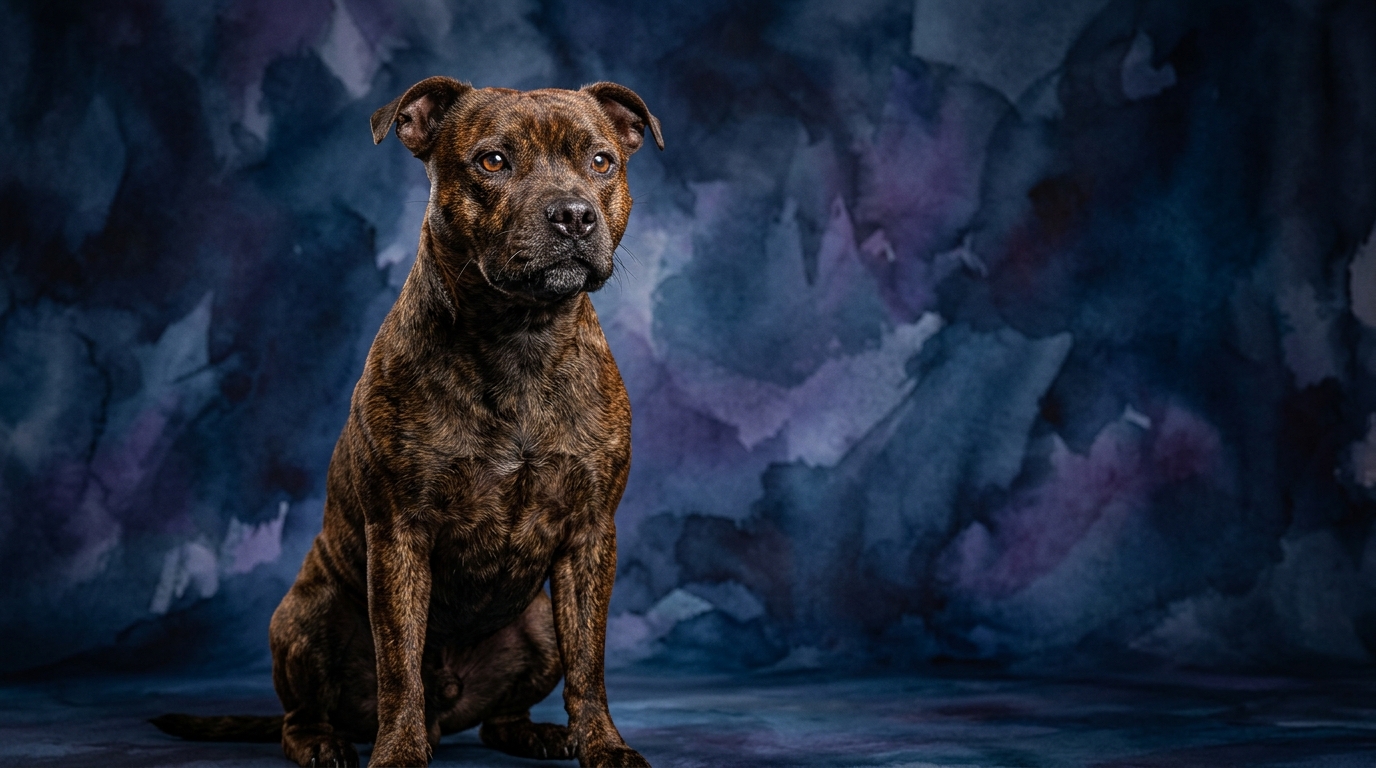
Side-by-Side Cognitive Profiles
**Jack Russell Terrier Cognitive Profile:**
**Problem Solving (5/5):** The Jack Russell Terrier demonstrates outstanding ingenuity, consistently figuring out complex challenges, from opening latches to devising strategies for retrieving hidden objects. This top score reflects their proactive, resourceful approach to their environment, always seeking an intellectual puzzle to unravel.
**Training Speed (3/5):** While capable of grasping new concepts with moderate speed, their independent nature can make consistent application of commands a challenge. They learn quickly, but often prioritize their own agenda or an enticing scent over immediate compliance, requiring dedicated engagement.
**Social Intelligence (3/5):** JRTs are observant of human behavior and form strong bonds, yet their focus often remains on their own pursuits and interests rather than constant social validation. They are aware of social cues but might not always be driven by a strong desire to please, valuing their autonomy.
**Instinctive Drive (5/5):** Possessing an exceptionally potent drive, JRTs exhibit a relentless urge to hunt, chase, and explore, deeply rooted in their original purpose as vermin hunters. This manifests as intense digging, vocalization, and an unwavering pursuit of small animals.
**Memory (4/5):** Their robust memory allows JRTs to quickly recall learned commands, intricate routines, and the precise locations of favored items or escape routes. This strong recall aids their ability to apply past experiences effectively and learn from their environment.
**Staffordshire Bull Terrier Cognitive Profile:**
**Problem Solving (3/5):** Staffordshire Bull Terriers approach problems practically, capable of solving straightforward tasks but less inclined toward intricate or abstract challenges compared to the JRT. They often prefer guidance and clear instructions over independent strategizing, thriving with a structured approach.
**Training Speed (3/5):** Similar to JRTs, SBTs show an average training speed, learning new behaviors effectively with patience and consistency. Their inherent eagerness to please their human companions, when properly motivated, can balance out an occasional stubborn streak, making training a cooperative effort.
**Social Intelligence (3/5):** SBTs are renowned for their profound attachment to people, demonstrating a deep desire for companionship and affection. While numerically similar to JRTs, their social intelligence leans heavily towards human interaction and seeking closeness, often being highly attuned to their family's moods.
**Instinctive Drive (3/5):** The SBT's instinctive urges are more moderate compared to the JRT's intense drive, though they retain a terrier's natural inclination to chase. This moderation typically translates to a calmer disposition in home environments and less relentless pursuit of independent activities.
**Memory (3/5):** SBTs possess a reliable memory for routines and commands, retaining learned behaviors with consistent reinforcement and repetition. Their recall is sufficient for daily interactions and obedience, though not as exceptional for complex, multi-step sequences as the Jack Russell Terrier's.
Where Jack Russell Terriers Excel Cognitively
The Jack Russell Terrier truly shines in its exceptional problem-solving abilities and formidable instinctive drive. A JRT's mind is a perpetual motion machine, constantly evaluating its surroundings for opportunities to engage its sharp intellect, whether that means devising a strategy to access a treat on a high shelf or outmaneuvering a squirrel in the yard. Their 5/5 problem-solving score means they are not just reactive but proactive, often thinking several steps ahead, making them highly effective at tasks requiring independent thought and persistence. This cognitive strength, coupled with their intense 5/5 instinctive drive, makes them unparalleled in pursuits demanding tenacity, such as advanced scent work, earthdog trials, or any activity where self-directed investigation and determination are key. Owners who appreciate a dog that can "figure things out" and thrives on mental puzzles will find the JRT's cognitive profile particularly rewarding and engaging.
Where Staffordshire Bull Terriers Offer Unique Advantages
While the Staffordshire Bull Terrier's cognitive scores might appear less flashy in direct comparison, their unique blend of traits presents distinct advantages, particularly for certain lifestyles. Their 3/5 instinctive drive, significantly lower than the JRT's, means they are often less prone to the relentless chasing, digging, and vocalizing behaviors that stem from a powerful prey drive. This moderation translates to a generally calmer demeanor in a home environment and less inclination to pursue independent "missions" that might conflict with owner directives. Furthermore, their 3/5 social intelligence, while numerically similar to the JRT, manifests as a profound people-orientation and a strong desire for human connection, often making them more attuned to owner emotions and desires for companionship. This focus on human interaction, combined with their practical problem-solving, makes them excellent candidates for focused obedience work where motivation is tied to pleasing their person rather than outsmarting them.
Training Dynamics: JRT vs. SBT
Both the Jack Russell Terrier and the Staffordshire Bull Terrier share a 3/5 rating for training speed, indicating an average capacity to learn new commands. However, the *ease* of training diverges significantly due to their other cognitive attributes. The JRT’s formidable 5/5 problem-solving and 5/5 instinctive drive mean that while they quickly grasp concepts, they are often more interested in applying their intelligence to independent pursuits, like tracking a scent or digging a hole, rather than strictly adhering to human commands. Their self-reliant nature means training often becomes a battle of wits, requiring exceptional consistency, creativity, and a high-value reward system to maintain their focus against competing instincts. In contrast, the SBT, with its 3/5 problem-solving and 3/5 instinctive drive, tends to be less independently driven by innate urges. Their strong desire for human companionship means that once motivated, they are generally more amenable to instruction and less likely to override commands with their own agenda. While they can be stubborn, their training is often more straightforward because they are less inclined to outsmart their handler or prioritize personal missions over cooperative learning.
Matching Cognitive Profiles to Lifestyles
The cognitive profiles of these two breeds offer clear guidance for matching them with an owner's lifestyle. The Jack Russell Terrier, with its 5/5 problem-solving and intense 5/5 instinctive drive, is unequivocally suited for highly active owners who can commit to providing extensive physical exercise and rigorous mental stimulation daily. These dogs thrive when given complex tasks, opportunities for structured "hunting" games, agility training, or long, engaging walks that allow them to use their keen senses and analytical minds. A relaxed owner might quickly find themselves overwhelmed by a JRT's relentless energy and capacity for self-directed mischief if not adequately channeled. The Staffordshire Bull Terrier, on the other hand, with its moderate 3/5 instinctive drive and problem-solving, can suit active owners who enjoy regular walks and playtime, but also adapt well to more relaxed periods of companionship. While they certainly benefit from engagement, their energy demands are typically less intense and their inclination for independent, high-drive activities is reduced. A relaxed owner who can offer consistent, affectionate interaction and moderate daily activity will find the SBT a more harmonious fit, as their focus often shifts to their human family once their basic needs are met.
The Verdict
Choose a Jack Russell Terrier if you are an experienced, highly active owner eager to engage a sharp, independent mind in complex problem-solving and demanding physical activities, prepared for a dog that consistently seeks out mental and physical challenges.
Opt for a Staffordshire Bull Terrier if you seek a devoted, affectionate companion who thrives on human interaction, is amenable to consistent training, and possesses a more moderate drive, fitting well into an active yet balanced lifestyle.
🧠 Find Your Pet's IQ Score
Our Pet IQ Lab assessment covers 25+ tests across 5 cognitive dimensions — personalized to your breed.
Take the Full IQ Test →Frequently Asked Questions
Are Jack Russell Terriers good family dogs?
Jack Russell Terriers can be good family dogs for experienced households, especially those prepared for their intense instinctive drive and independent problem-solving. Their high energy and sometimes self-focused social intelligence mean they require consistent training and supervision around children and other pets to ensure harmonious living.
Are Staffordshire Bull Terriers good for first-time owners?
Staffordshire Bull Terriers can be suitable for first-time owners who are committed to consistent training and socialization from a young age. Their strong desire for human companionship and moderate instinctive drive make them generally more manageable than some other terriers, provided their need for attention and moderate activity is met.
Which breed requires more mental stimulation?
The Jack Russell Terrier unequivocally requires significantly more mental stimulation due to its 5/5 problem-solving and 5/5 instinctive drive. They constantly seek intellectual engagement and opportunities to apply their keen senses, whereas the Staffordshire Bull Terrier, with its 3/5 scores in these areas, thrives on mental engagement but with less relentless intensity.