
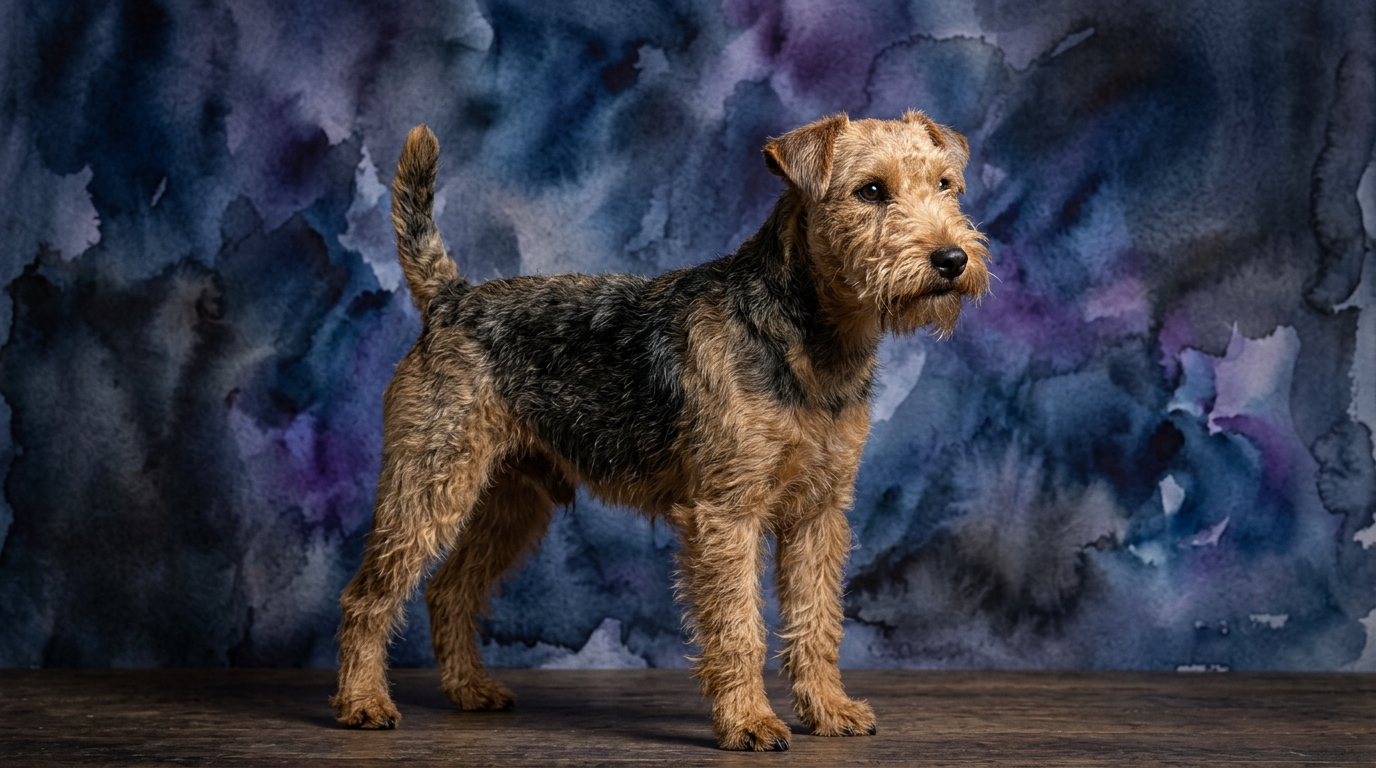
Side-by-Side Cognitive Profiles
The Cosmic Pet Pet IQ Lab assesses canine cognition across five key dimensions, and for both the Kerry Blue Terrier and the Lakeland Terrier, the scores are strikingly consistent: 3/5 across the board. This indicates a solid, mid-range cognitive capacity rather than an extreme in any direction, providing a fascinating foundation for comparison.
A 3/5 in **Problem Solving** suggests both breeds are capable of figuring out moderately complex tasks. They won't always find instant solutions but possess the persistence to work through challenges, often through trial and error. For **Training Speed**, a 3/5 means they respond well to consistent training methods, learning new commands at a steady pace, though they aren't 'one-and-done' learners. Patience and clear communication are key.
Their **Social Intelligence** at 3/5 indicates a good understanding of social cues, both from humans and other canines. They can adapt to various social situations, though their terrier nature means they often have strong opinions and aren't always passive participants. A **Instinctive Drive** of 3/5 signifies a moderate to strong inherent pull towards typical terrier behaviors like chasing, digging, and exploring. This drive requires appropriate outlets to prevent boredom. Finally, a **Memory** score of 3/5 suggests they retain learned information and routines reasonably well, remembering commands and past experiences, though occasional refreshers can be beneficial.
Distinct Cognitive Expressions of the Kerry Blue Terrier
While both breeds register a 3/5 for Problem Solving, the Kerry Blue's often more resolute and independent nature can lead to a distinct expression of this capacity. A Kerry Blue might approach a puzzle with a determined, almost solitary focus, relying on its own persistent trial-and-error rather than seeking immediate human assistance. This self-reliant problem-solving, rooted in its historical role as an all-around farm dog needing to handle diverse challenges independently, manifests as a robust tenacity in figuring things out on its own terms.
Their 3/5 Social Intelligence can also express itself differently. Kerry Blues are often described as discerning; they might take a moment longer to assess new people or situations, utilizing their cognitive ability to 'read the room' before deciding to engage. This careful observation and assessment can be a strength, indicating a thoughtful approach to social dynamics rather than an immediate, effusive reaction. Their larger, more powerful build might mean their 3/5 Instinctive Drive is applied with considerable physical presence and unwavering focus when engaged in a task.
Distinct Cognitive Expressions of the Lakeland Terrier
Conversely, the Lakeland Terrier's 3/5 Problem Solving might be colored by its spirited and often mischievous personality. A Lakeland might approach a barrier not just with persistence, but with a creative, perhaps even playful, ingenuity – testing various angles, looking for clever workarounds, or even attempting to charm its way to a solution. Their history as agile fox hunters often required quick thinking and adaptability in tight situations, fostering a cognitive style that blends determination with a dash of opportunistic flair.
The Lakeland's 3/5 Social Intelligence often manifests as a quicker, more open engagement with new people or environments. They use their cognitive abilities to rapidly integrate and adapt, often displaying a lively curiosity. This adaptability and eagerness to interact can be a significant cognitive strength, allowing them to navigate diverse social landscapes with ease. Their smaller size and agility mean their 3/5 Instinctive Drive is often applied with rapid bursts of energy and precise movements, requiring swift cognitive processing for tasks like chasing or navigating complex terrains.
Training Dynamics: A Question of Temperament, Not Just Speed
Given both breeds score 3/5 for Training Speed, one might assume they are equally easy to train. However, real-world experience reveals that underlying temperamental differences significantly impact the training journey. The Kerry Blue Terrier, often characterized by a strong-willed and independent streak, requires an owner who is exceptionally consistent, patient, and engaging. Their 3/5 problem-solving might lead them to test boundaries, looking for inconsistencies in commands, while their robust 3/5 instinctive drive can make them prone to independent action if not properly channeled through stimulating, reward-based methods.
The Lakeland Terrier, while still possessing a strong terrier personality, is often perceived as slightly more amenable and eager to please. Their 3/5 training speed might feel 'easier' because they are generally less inclined to persistently challenge authority. Their energetic and often mischievous nature means training needs to be fun and varied to hold their attention, but their 3/5 social intelligence can make them highly attuned to their trainer's moods and cues, fostering better cooperation. Both breeds benefit immensely from early socialization and consistent positive reinforcement, turning potential challenges into rewarding learning experiences.
Matching Cognitive Needs with Owner Lifestyles
Both Kerry Blue and Lakeland Terriers are active breeds with significant cognitive and physical needs, making them generally unsuitable for truly 'relaxed' owners who prefer minimal engagement. Their 3/5 instinctive drive and problem-solving capabilities demand consistent outlets to prevent boredom and potential destructive behaviors. Owners must be prepared to provide daily exercise, mental stimulation, and consistent training.
For active owners, the choice often comes down to preferred companionship style. The Kerry Blue Terrier, with its robust build and discerning, independent nature, thrives with owners who appreciate a strong, dedicated partner for activities like advanced obedience, agility, or long, exploratory hikes. They challenge their owners intellectually and respond best to a confident leader who can match their mental fortitude. The Lakeland Terrier, with its spirited and often playful demeanor, suits owners seeking a feisty, adaptable companion for adventures. Their agility and quick wit make them excellent partners for dog sports, varied outdoor activities, and engaging puzzle games, thriving in an environment that celebrates their curious and sometimes mischievous spirit.
The Verdict
Choose the Kerry Blue Terrier if you seek a robust, independent, and discerning companion, prepared to invest in consistent, firm-but-fair training for a dog that will challenge and engage you intellectually with its steadfast problem-solving.
Opt for the Lakeland Terrier if you desire a spirited, adaptable, and often mischievous companion, ready for adventures and fun, who will thrive with engaging training and plenty of social interaction, utilizing its quick wit and creative problem-solving.
🧠 Find Your Pet's IQ Score
Our Pet IQ Lab assessment covers 25+ tests across 5 cognitive dimensions — personalized to your breed.
Take the Full IQ Test →Frequently Asked Questions
Are Kerry Blue and Lakeland Terriers good with children?
Both breeds can be good with children, especially if raised with them and properly socialized from a young age. However, their terrier instincts mean they might not tolerate rough play and require supervision with very young children. Their patience level is moderate, and they thrive in homes where children understand how to interact respectfully with dogs.
Do Kerry Blue and Lakeland Terriers get along with other pets?
Their 3/5 instinctive drive means both breeds have a strong prey drive, which can make coexisting with smaller pets like cats or rodents challenging, especially if not introduced early. They can learn to live peacefully with other dogs, but their strong personalities often mean they prefer to be the dominant figure or require careful introductions and ongoing socialization to prevent conflicts.
What are the typical exercise needs for these breeds?
Both Kerry Blue and Lakeland Terriers require significant daily exercise, reflecting their 3/5 instinctive drive and energetic nature. This includes at least an hour of vigorous activity, such as brisk walks, runs, or engaging play sessions. Mental stimulation through training, puzzle toys, and interactive games is equally crucial to prevent boredom and channel their problem-solving abilities positively.