Side-by-Side Cognitive Profiles: Decoding the '3/5' Mark
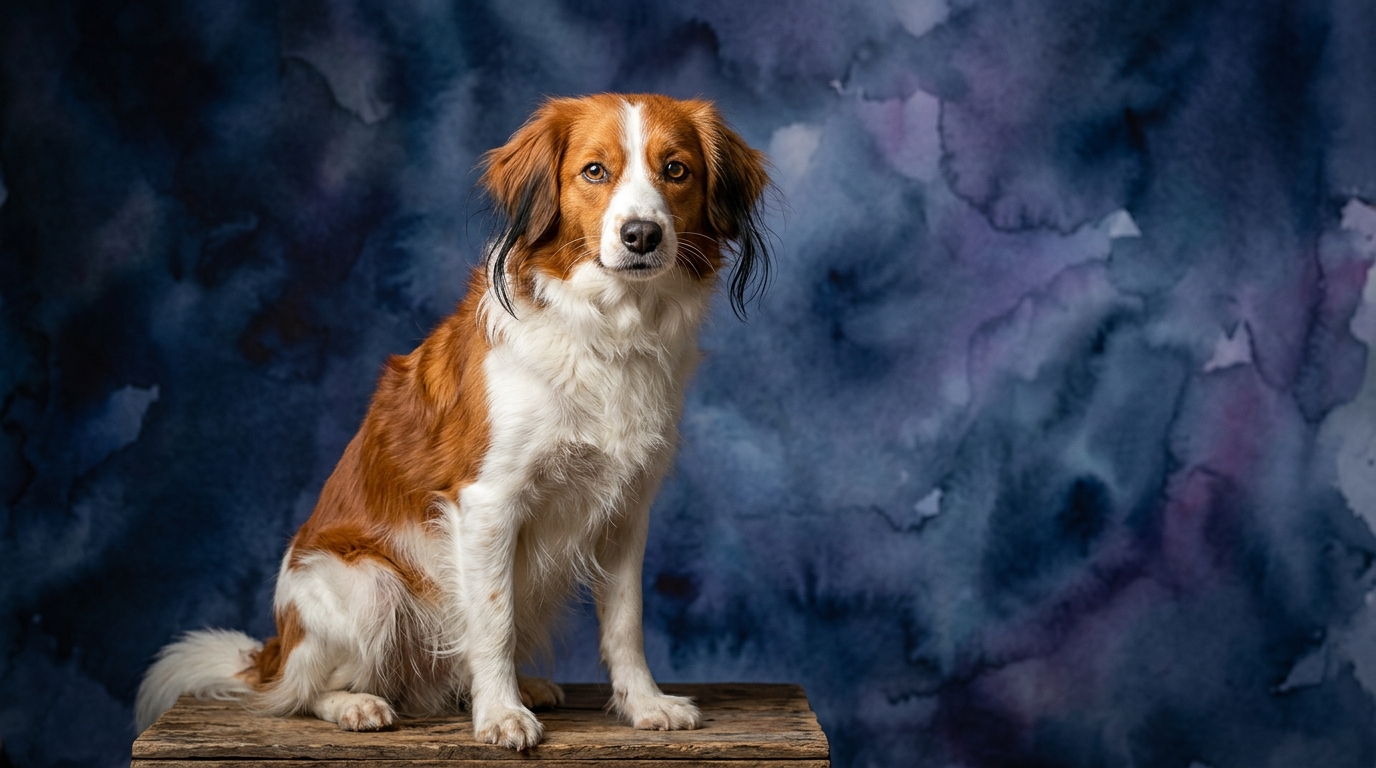
In our Pet IQ Lab, a '3/5' score indicates a solid, functional level of cognitive ability, but its expression can vary significantly between breeds. For the Kooikerhondje, a Sporting group dog, these scores are often reflective of a cooperative and adaptable mind suited for interactive tasks. Their Problem Solving at 3/5 suggests a capacity to figure out dynamic situations, particularly those involving their environment or a human partner, like navigating complex terrain during a retrieve or understanding a multi-step command. Training Speed at 3/5 for the Kooiker implies a dog that is generally responsive and willing to learn, absorbing new commands and routines with reasonable effort and consistency, often motivated by engagement and positive reinforcement. Social Intelligence at 3/5 points to their ability to read human cues and intentions effectively, fostering a strong working relationship and understanding household dynamics. Their Instinctive Drive, also 3/5, is typically channeled towards their historical role—a keen prey drive for birds, coupled with natural retrieving and flushing behaviors, demonstrating a focused and purposeful application of their innate urges. Finally, Memory at 3/5 means they retain commands, routines, and learned associations reliably, making for a predictable and consistent companion.
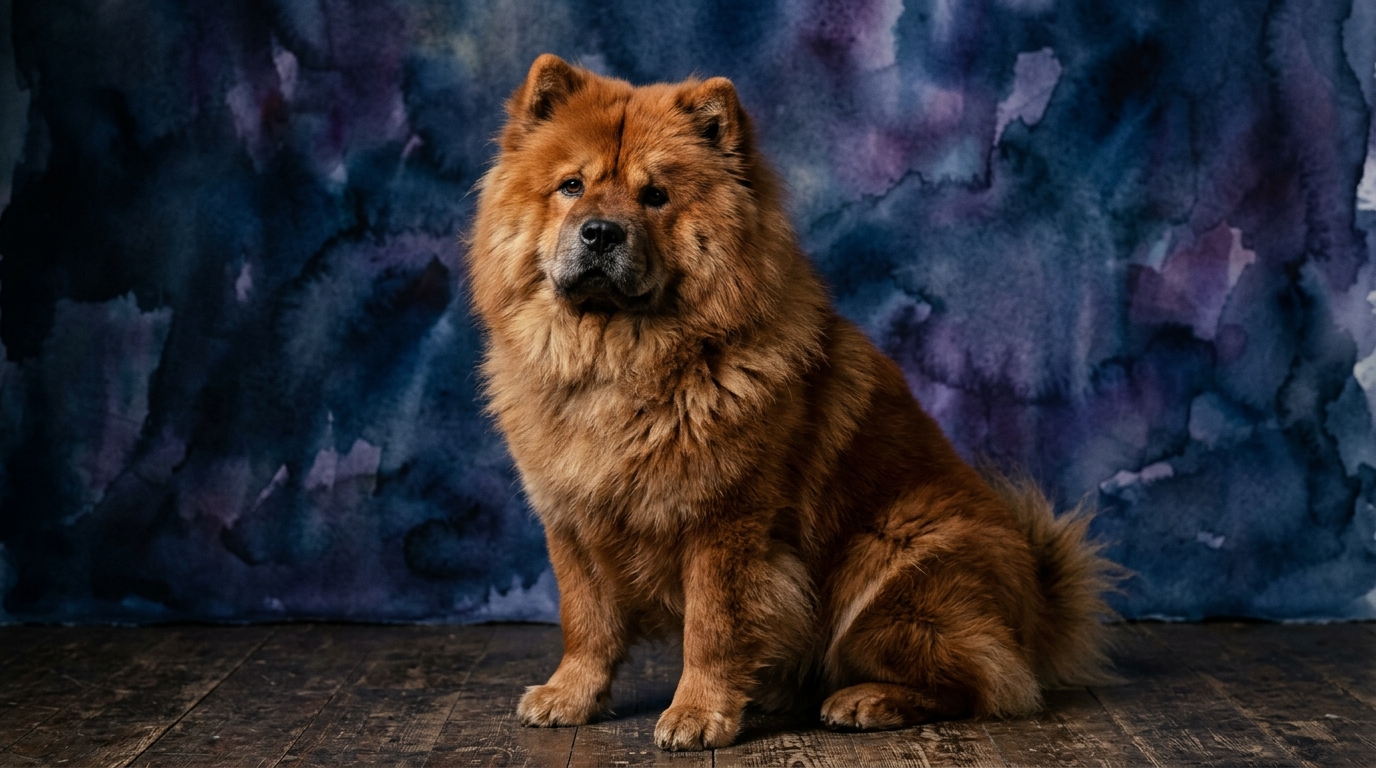
The Chow Chow, a member of the Non-Sporting group and ranked #76 by Coren, also scores 3/5 across the board, yet these figures describe a fundamentally different cognitive architecture. Their Problem Solving at 3/5 manifests more as independent assessment rather than eager collaboration; they can evaluate situations and make decisions, often to protect their territory or family, but may not be inclined to solve human-devised puzzles with the same enthusiasm as a Kooiker. Training Speed at 3/5 for the Chow Chow signifies an ability to grasp concepts quickly, but their independent nature means compliance is often a matter of choice and respect for the handler, requiring patience and motivation rather than sheer biddability. Social Intelligence at 3/5 highlights their discerning nature; they are observant of their family unit and adept at recognizing outsiders, but typically exhibit a reserved and aloof demeanor, less inclined towards broad social engagement or reading subtle human emotional shifts. Their Instinctive Drive at 3/5 leans heavily into guarding and territorial protection, a powerful innate urge to survey and defend their space and people, rather than a drive for active partnership in tasks. Memory at 3/5 suggests a strong recall for boundaries, routines, and who belongs where, contributing to their steadfast, if sometimes stubborn, character.
Where the Kooikerhondje Excels Cognitively
The Kooikerhondje's cognitive strengths shine particularly bright in scenarios demanding cooperative engagement and dynamic adaptability. Their 3/5 Problem Solving score, when combined with their Sporting group heritage, often translates into a superior capacity for understanding and executing multi-step tasks that require fluidity and quick adjustments. For instance, a Kooiker might more readily grasp the concept of 'find the hidden toy under the blanket, then bring it to me, and then sit' because their cognitive framework is geared towards sequential actions and working in tandem with a human. Their Social Intelligence (3/5) is expressed through a nuanced ability to anticipate human intentions and respond to subtle cues, making them exceptionally attuned partners in activities like agility or obedience trials where precise timing and understanding are paramount. This intrinsic motivation to collaborate, deeply embedded in their breed purpose, gives them an edge in learning environments where the goal is shared accomplishment rather than independent action. They demonstrate a cognitive flexibility that allows them to shift focus and strategy based on handler feedback, a distinct advantage in complex learning tasks.
Where the Chow Chow Demonstrates Cognitive Prowess
Conversely, the Chow Chow exhibits a different, yet equally potent, set of cognitive strengths. Their 3/5 Problem Solving, while not geared towards eager human collaboration, allows for remarkable independent judgment and situational awareness. A Chow Chow might excel at assessing a novel environment for potential threats or determining the most efficient way to access a desired resource without direct human intervention, relying on their own internal logic. Their Social Intelligence (3/5) manifests as a keen discernment, allowing them to accurately differentiate between familiar individuals and strangers, and to gauge social interactions with a reserved, analytical eye. This capacity for independent evaluation, rather than a desire to please, makes them discerning guardians who don't necessarily need constant human direction to make appropriate decisions regarding their territory or family. Their cognitive advantage lies in their self-sufficiency and their ability to process information through an internal filter, leading to considered, often unhurried, responses. This breed's memory (3/5) is robust for routines and boundaries, contributing to their consistent and often predictable nature within their established comfort zones.
Training Dynamics: A Tale of Two Approaches
While both breeds are rated 3/5 for Training Speed, the practical experience of training a Kooikerhondje versus a Chow Chow differs considerably due to their underlying temperaments and motivations. The Kooikerhondje, with its Sporting background, generally approaches training with an eagerness to please and a desire for engagement. They are typically biddable and responsive to positive reinforcement, thriving on praise, play, and food rewards. Their cognitive makeup makes them receptive to structured lessons, and they often find joy in the process of learning new commands and tricks. Behavioral differences, such as their inherent bounciness and energy, mean that while they learn quickly, owners need to provide consistent mental and physical outlets to maintain focus and prevent boredom-related behaviors. Their cooperative nature means they are generally forgiving of minor handler errors and are more inclined to try again.
The Chow Chow, despite its similar 3/5 Training Speed, requires a fundamentally different training philosophy. Their independent and often aloof nature means they learn quickly, but their compliance is conditional. They are not inherently driven by a desire to please, but rather by mutual respect and clear, consistent leadership. Training a Chow Chow necessitates immense patience, firmness without harshness, and a deep understanding of their unique motivations. They respond best to handlers who can establish clear boundaries and communicate expectations effectively, often through consistent routine and calm, assertive guidance. If a Chow Chow doesn't see the value in a command or perceives a lack of consistency from their handler, they are more likely to ignore it. Their strong guarding instincts and territoriality also mean that early and extensive socialization is crucial to channel their cognitive abilities towards appropriate social interactions, rather than allowing their discernment to become suspicion or aggression. Training a Chow Chow is less about speed of acquisition and more about building a relationship based on trust and clear communication.
Matching Breeds to Lifestyles: Active vs. Relaxed Owners
Considering their distinct cognitive and behavioral profiles, the Kooikerhondje and the Chow Chow cater to very different owner lifestyles. The Kooikerhondje, with its cooperative intelligence and inherent drive for activity, is an ideal fit for active owners. These are individuals or families who enjoy engaging their dog in various sports like agility, obedience, dock diving, or even real-world hunting simulations. Owners who thrive on teaching new tricks, going on long hikes, or participating in interactive play sessions will find the Kooikerhondje's cognitive eagerness and physical stamina a perfect match. They require consistent mental stimulation to prevent boredom and channel their problem-solving skills constructively. A Kooiker will flourish in an environment where their intellect is regularly challenged and their desire to work alongside their human is fulfilled.
The Chow Chow, conversely, often appeals to more relaxed owners, but this doesn't imply a lack of engagement. Rather, it suits those who appreciate a dignified, independent companion and are prepared for a different kind of mental engagement. While Chows are not typically high-energy dogs in the traditional sense, they still require consistent mental stimulation and thoughtful interaction. Their cognitive strengths in independent assessment and discernment mean they benefit from owners who understand and respect their boundaries, providing consistent routines and clear, calm guidance. Owners who enjoy a dog that observes rather than constantly participates, and who are willing to invest in patient, respect-based training, will find the Chow Chow a rewarding companion. They are suited for individuals who appreciate a loyal, albeit reserved, presence and are prepared to manage a dog with strong protective instincts through thoughtful socialization and consistent leadership, rather than expecting a highly biddable partner for strenuous activities.
The Verdict
Choose the Kooikerhondje if you seek a highly engaged, cooperative partner for sports, training, and an active lifestyle, thriving on shared accomplishments and dynamic interaction.
Opt for the Chow Chow if you prefer a dignified, independent companion who offers loyalty and discernment, and you are prepared for patient, respect-based training and thoughtful management of their protective instincts.
🧠 Find Your Pet's IQ Score
Our Pet IQ Lab assessment covers 25+ tests across 5 cognitive dimensions — personalized to your breed.
Take the Full IQ Test →Frequently Asked Questions
Are Kooikerhondjes or Chow Chows better for first-time dog owners?
The Kooikerhondje is generally more forgiving and biddable, making them a more accessible choice for first-time owners willing to meet their exercise and training needs. Chow Chows, with their independent nature and strong will, typically require an owner experienced in canine behavior and consistent leadership.
Do both breeds require extensive mental exercise?
Yes, both breeds benefit from mental exercise, but the type differs. Kooikerhondjes thrive on interactive puzzle toys, obedience training, and dog sports that engage their cooperative problem-solving. Chow Chows benefit from consistent routines, clear boundaries, and activities that allow them to use their independent judgment and discernment, such as scent work or controlled socialization.
How does the '3/5' IQ score translate to daily life for each breed?
For a Kooikerhondje, a 3/5 score means they are generally easy to live with, learning household rules quickly and responding well to commands, making them adaptable family members. For a Chow Chow, a 3/5 score translates to a dog that understands routines and boundaries, but whose independent streak means they may require more consistent reinforcement to ensure compliance, leading to a steadfast but discerning presence in the home.