Side-by-Side IQ Profile: Unpacking Identical Scores
At first glance, the Pet IQ Lab scores for both the Kooikerhondje and the Finnish Spitz appear identical across all five dimensions: Problem Solving 3/5, Training Speed 3/5, Social Intelligence 3/5, Instinctive Drive 3/5, and Memory 3/5. However, these scores represent a mid-range capacity that manifests very differently depending on each breed's historical role and inherent temperament. It's not about which breed possesses 'more' intelligence, but rather how their cognitive strengths are specialized and applied in their daily lives.
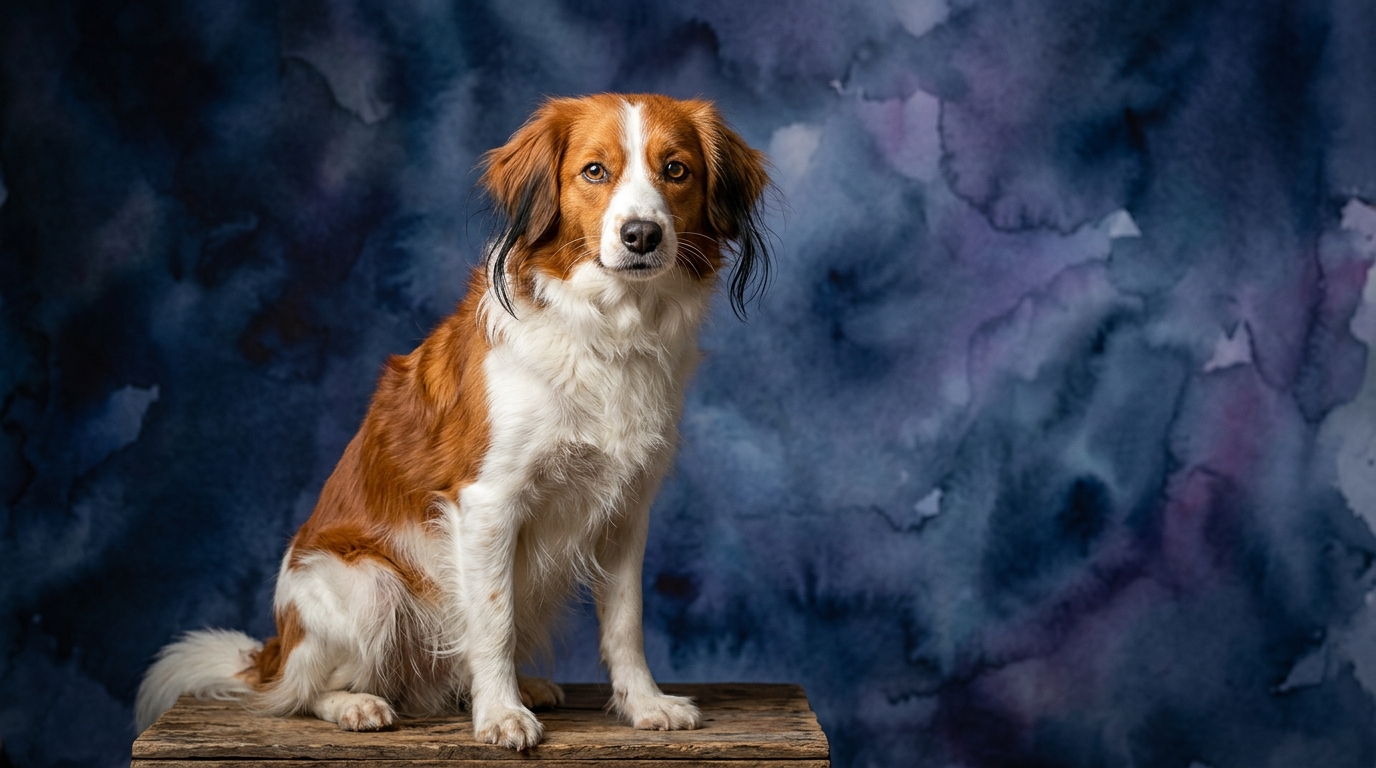
For the Kooikerhondje, a Sporting dog, their Problem Solving (3/5) is often geared towards understanding complex sequences in a cooperative context, such as luring ducks. Their Training Speed (3/5) reflects an eagerness to learn structured tasks, especially when working alongside a human. Social Intelligence (3/5) focuses on reading their handler's cues and maintaining close partnership. Their Instinctive Drive (3/5) is channeled into retrieving and water work, while Memory (3/5) helps them retain routines and learned behaviors crucial for consistent performance. This breed excels at understanding and executing a shared agenda.
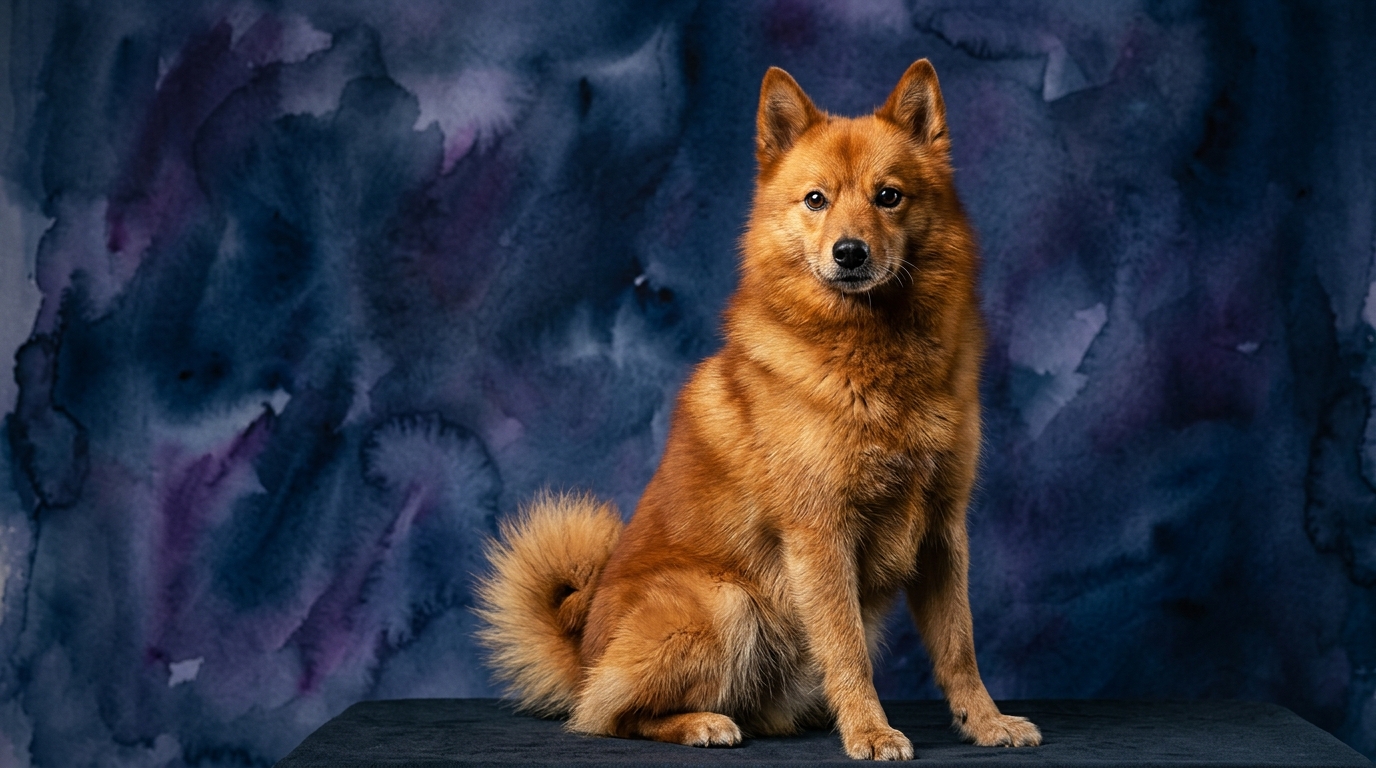
The Finnish Spitz, a Non-Sporting barking bird dog, also scores 3/5 across the board, but their cognitive toolkit is designed for independence. Their Problem Solving (3/5) involves autonomous decision-making in the field, like locating birds and navigating terrain without direct human guidance. Training Speed (3/5) means they can learn quickly, but often require motivation that aligns with their self-directed nature. Social Intelligence (3/5) allows them to connect deeply with their family but often expresses as a watchful reserve towards strangers, reflecting their self-reliance. Instinctive Drive (3/5) is powerfully focused on hunting and vocalizing, and their Memory (3/5) helps them recall prime hunting spots and successful bird-finding strategies. This breed thrives on self-sufficiency and environmental mastery.
Where the Kooikerhondje Excels Cognitively
The Kooikerhondje's cognitive strengths truly shine in cooperative problem-solving and attentiveness to their human partners. Their historical role as duck decoying dogs required them to work in tandem with fowlers, using subtle movements and an understanding of human strategy to entice ducks. This translates into an exceptional ability to grasp multi-step commands and participate enthusiastically in activities like agility or obedience. Their Problem Solving (3/5) here isn't about solo innovation but about understanding and executing a shared plan, anticipating their handler's next move, and navigating complex sequences in a structured environment.
Their Social Intelligence (3/5) fosters a consistent desire to engage and work *with* their person. This isn't blind compliance, but a deep understanding of their role within a partnership, making them highly receptive to direction. They often demonstrate a keen awareness of their handler's mood and intentions, which facilitates smoother communication. Furthermore, their Memory (3/5) is particularly robust for retaining routines and precise sequences. This allows them to perform complex tricks or obedience patterns with impressive consistency, demonstrating a capacity for remembering detailed instructions over time, a trait highly valued in performance sports where precision and recall are paramount.
Where the Finnish Spitz Shines Cognitively
The Finnish Spitz demonstrates a distinct cognitive advantage in independent problem-solving and acute environmental awareness. Bred to hunt birds by locating them and signaling their presence with a unique 'bark point,' often far from their handler, this breed developed a robust capacity for self-reliance. Their Problem Solving (3/5) manifests as the ability to assess situations, make their own decisions in the field, and adapt to changing environmental conditions without constant human input. This requires a level of independent thought and initiative that is crucial for their historical function.
Their Instinctive Drive (3/5) is profoundly connected to their sensory acuity. They excel at mapping their surroundings, utilizing keen hearing to detect the slightest rustle of a bird and an excellent sense of smell to track game. This environmental mastery is supported by their Memory (3/5), which helps them recall successful hunting grounds, advantageous routes, and the location of specific resources. The Finnish Spitz also possesses a unique mental fortitude, capable of maintaining intense focus on a task, such as barking at a treed bird, for extended periods, even when alone. This self-directed focus and resilience are hallmarks of their cognitive profile, distinguishing them as masters of their environment and independent operators.
Training Dynamics: Cooperative Partner vs. Independent Spirit
When it comes to training, the identical 3/5 Training Speed scores for both breeds belie significant behavioral differences that impact the training experience. The Kooikerhondje, with its cooperative nature and strong desire to engage with its handler, is generally perceived as more straightforward for traditional obedience. Their problem-solving is geared towards understanding systems and sequences, making them adept at learning commands and routines when presented as a shared activity. They respond well to positive reinforcement and consistency, often viewing training as a fun, collaborative endeavor. While they still require patience and clear communication due to their 3/5 score, their willingness to participate makes the process feel more intuitive for many owners.
Conversely, the Finnish Spitz, despite the same 3/5 Training Speed, can present a greater challenge for standard obedience due to its independent streak and self-directed drives. They are certainly capable of learning, but their problem-solving is often applied to their own agenda. Training a Finnish Spitz requires understanding their motivation and making lessons engaging and relevant to them. They need to see the 'why' behind a command or understand how it benefits them. Recalling a Finnish Spitz deeply engrossed in a scent trail requires an exceptionally strong bond and consistent, high-value reinforcement, as their instinctive drive to explore and vocalize can easily override other cues. Owners must be prepared for a companion that works *with* them on its own terms, rather than simply for them.
Matching Owners: Active Engagement vs. Independent Exploration
The cognitive profiles of these breeds suggest different ideal owner matches. The Kooikerhondje thrives with active owners who enjoy engaging in structured activities and shared mental challenges. Their cooperative problem-solving and attentiveness mean they excel in dog sports like agility, rally, or even complex trick training that mimics their historical role of working closely with a human. An owner who provides consistent mental stimulation through training, games, and daily interaction will find the Kooikerhondje a responsive and joyful partner. A relaxed owner who cannot commit to this level of interactive engagement might find the Kooikerhondje's energetic nature and need for a 'job' overwhelming, potentially leading to boredom-driven behaviors.
The Finnish Spitz also requires an active owner, but one who appreciates and can facilitate their independent spirit and environmental connection. These dogs benefit from long walks or hikes where they can use their senses to explore, investigate scents, and engage their innate problem-solving abilities in a natural setting. Activities like scent work or tracking can be highly fulfilling for them. An owner who understands and respects their strong instinctive drive and penchant for self-directed exploration will foster a happy and balanced Finnish Spitz. A relaxed owner who does not provide outlets for their independent cognitive needs might find them inventing their own, often vocal or destructive, forms of entertainment, as their mind and body demand stimulation that respects their self-reliance.
The Verdict
Choose the Kooikerhondje if you seek a cooperative, engaged partner for structured activities and enjoy a dog that thrives on working closely with you in various disciplines, valuing shared problem-solving and attentiveness.
Opt for the Finnish Spitz if you admire independent thinkers, appreciate a dog with a profound connection to its environment, and are prepared to engage with a companion whose cognitive strengths lie in self-directed exploration and vocal communication.
🧠 Find Your Pet's IQ Score
Our Pet IQ Lab assessment covers 25+ tests across 5 cognitive dimensions — personalized to your breed.
Take the Full IQ Test →Frequently Asked Questions
Are Kooikerhondjes suitable for first-time dog owners?
Kooikerhondjes can be good for first-time owners who are committed to consistent training and socialization. Their cooperative nature makes them responsive, but their energy and need for mental engagement require an owner willing to dedicate time to their development.
Do Finnish Spitz bark excessively?
Finnish Spitz are renowned for their vocal nature, earning them the nickname 'barking bird dog.' They use their voice to communicate and alert, and while this is a natural trait, it can be managed with consistent training to prevent excessive barking in inappropriate situations.
How much exercise does each breed typically need daily?
Both breeds are active and require significant exercise. A Kooikerhondje generally needs 60-90 minutes of vigorous activity, often including mental challenges. A Finnish Spitz also benefits from 60-90 minutes of activity, ideally incorporating opportunities for independent exploration and scent work.