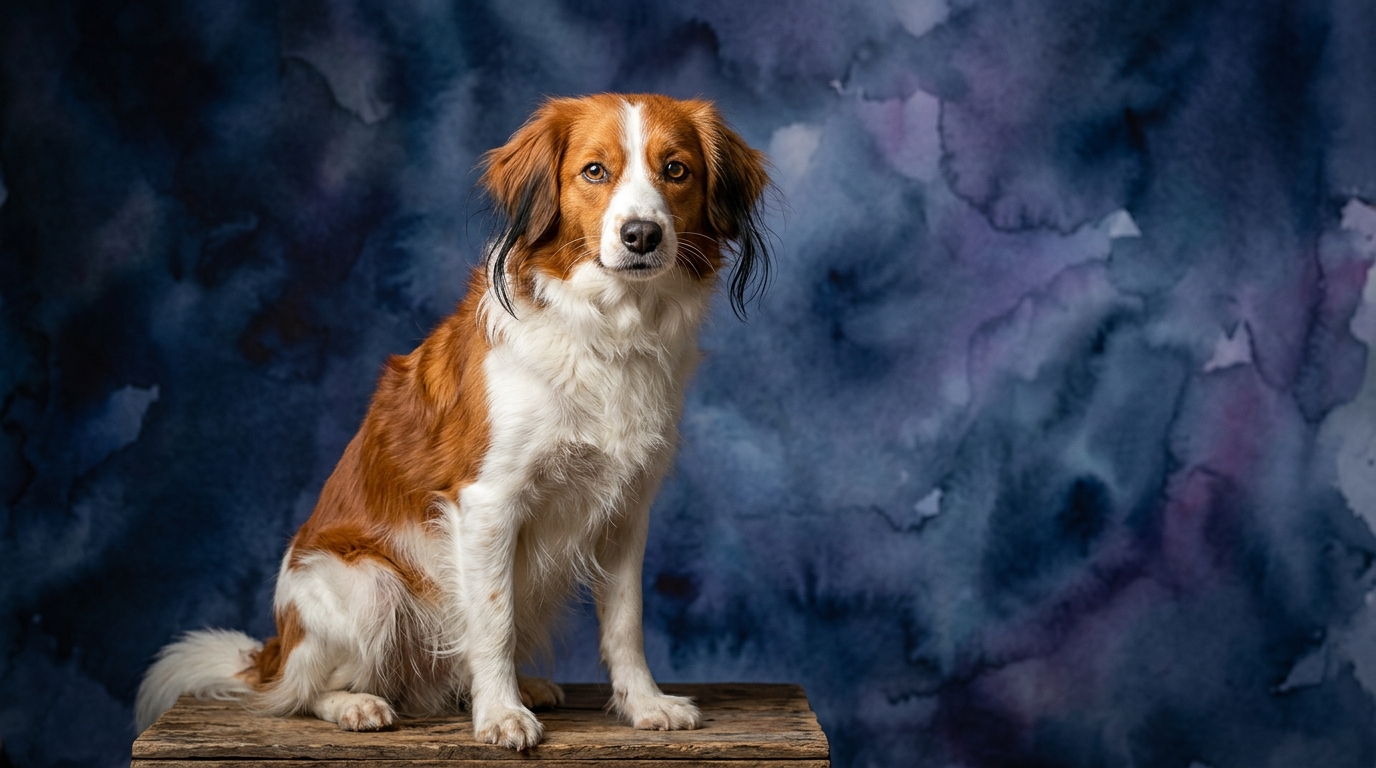
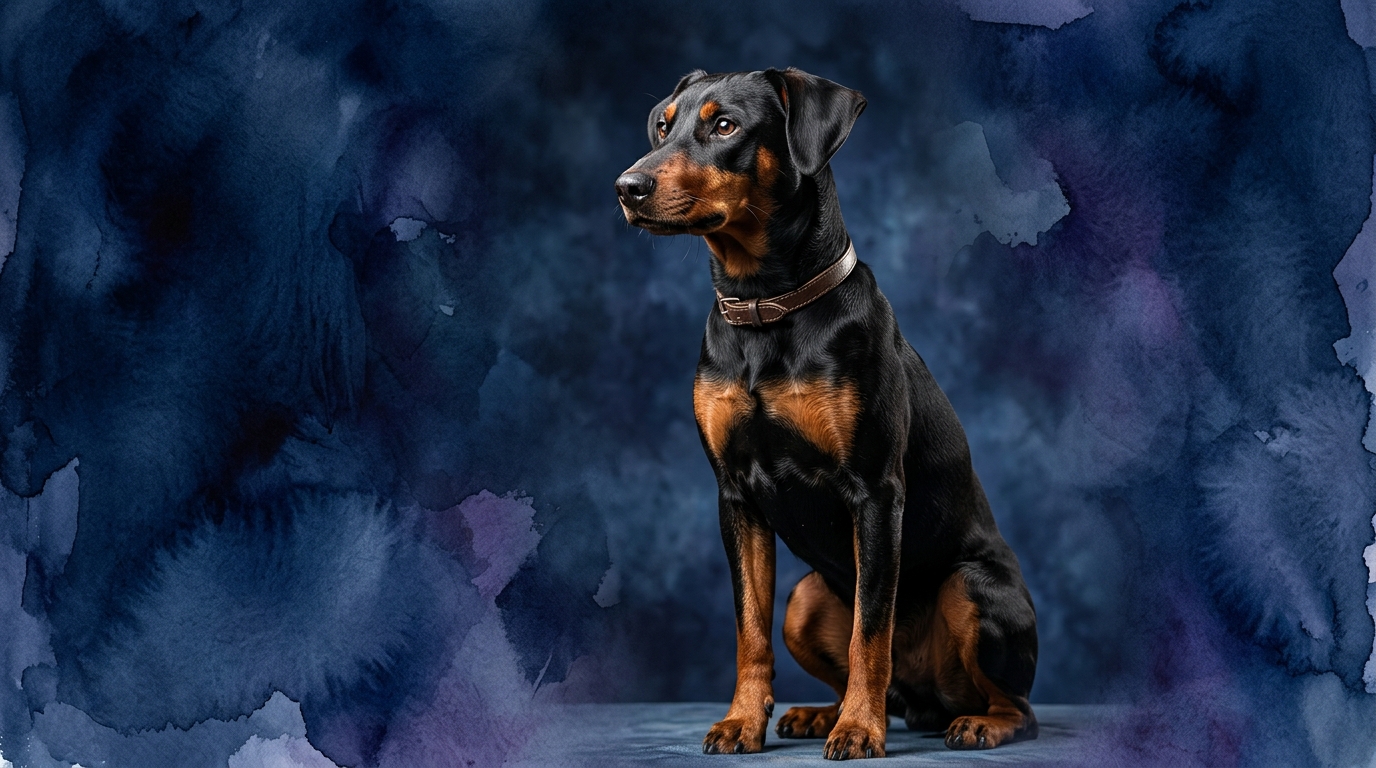
Side-by-side IQ profile
The Kooikerhondje, a Dutch sporting dog historically used to lure ducks, has a cognitive profile reflecting cooperative work and focused attention. Their Problem Solving (3/5) manifests as practical ingenuity in tasks involving observation and strategy, like retrieving from complex environments, using patient assessment. Training Speed (3/5) is moderate, thriving on positive reinforcement and clear direction, eager to please when tasks align with their natural drives. Social Intelligence (3/5) shows in nuanced understanding of family cues and owner moods, though they are reserved with strangers. Their Instinctive Drive (3/5) centers on luring, retrieving, and scent work, providing a strong motivator. Memory (3/5) is reliable for commands, routines, and training sequences, especially with positive associations.
The German Pinscher, a German working dog originally bred for vermin control and guarding, exhibits independence, vigilance, and decisive action. Their Problem Solving (3/5) involves determined, independent approaches to overcoming barriers or outsmarting prey, relying on sharp instincts. Training Speed (3/5) is moderate, but their independent nature demands consistent, firm, and engaging training to maintain focus and compliance. Social Intelligence (3/5) excels at reading intentions, particularly of strangers, quickly assessing threats. Their Instinctive Drive (3/5) is rooted in vermin hunting and guarding, leading to strong prey drive, territorial instincts, and vigilance. Memory (3/5) is good for training, boundaries, and past interactions, contributing to their observant nature.
Where Kooikerhondje wins cognitively
Despite shared scores, the Kooikerhondje often demonstrates a subtle advantage in cooperative problem-solving and nuanced social attunement within a familiar group. Their historical role required close synchronization with a human handler, translating into a capacity for understanding complex command sequences leading to shared goals, like advanced obedience. Their social intelligence, while rated similarly, manifests as deeper empathy for their immediate family, making them adept at reading subtle emotional shifts and fostering a responsive partnership.
Where German Pinscher wins cognitively
The German Pinscher, conversely, often shines in areas requiring independent decision-making and rapid environmental assessment. Their heritage as barn guardians instilled a need for quick, decisive action without constant human direction. This translates into a superior ability to identify and respond to novel situations or perceived threats, making independent judgments. Their problem-solving, also 3/5, is geared more towards overcoming obstacles or strategizing against perceived intrusions, showcasing an assertive and self-reliant mental approach, quick to process and react to environmental information.
Which is easier to train and why
Both breeds are rated 3/5 for training speed, indicating capability, but the approach to training differs due to their behavioral predispositions. The Kooikerhondje, with its sporting background, generally leans towards being more biddable and eager to please their handler, especially in tasks like retrieving or scent work. They respond well to positive reinforcement and clear, consistent methods, motivated by shared activity, and can be sensitive to harsh corrections.
The German Pinscher, stemming from a working background, possesses a more independent and sometimes headstrong nature. While they grasp concepts quickly, their training requires a confident, consistent, and engaging handler to channel their strong will. They might test boundaries more frequently, necessitating a firm yet fair approach. Training benefits from variety and mental stimulation to prevent boredom, as repetition without purpose can lead to disengagement. Their independent problem-solving means they might try to find ways around commands, demanding a trainer who understands their assertive personality.
Which suits active owners vs relaxed owners
Neither the Kooikerhondje nor the German Pinscher are suitable for truly relaxed owners, as both possess significant cognitive and physical needs demanding active engagement. The Kooikerhondje thrives with owners who provide consistent mental stimulation and moderate physical activity. Their instinctive drive for luring and retrieving means they excel in activities like fetch, agility, and scent work, requiring daily walks, play, and brain puzzles. An owner enjoying outdoor activities or dog sports will find a Kooiker a rewarding companion; without outlets, boredom can lead to undesirable behaviors.
The German Pinscher demands an owner who is not only active but also confident and capable of providing consistent leadership. Their working dog heritage means considerable energy, a strong prey drive, and a need for purpose. They require vigorous daily exercise, such as long runs or challenging hikes, combined with significant mental stimulation to prevent boredom-induced destructive behaviors like chewing or barking. Owners enjoying dog sports like agility or advanced obedience, committed to ongoing training and socialization, are best suited. They are not a couch potato breed and will challenge a relaxed owner.
The Verdict
If you seek a cooperative, sensitive companion for family life and enjoy engaging in moderate dog sports or activities that leverage their natural retrieving and luring instincts, thriving on a responsive partnership, choose the Kooikerhondje.
If you are an experienced, confident owner who can provide rigorous physical and mental challenges, appreciate an independent spirit, and desire a vigilant, protective companion for an active, structured household, choose the German Pinscher.
🧠 Find Your Pet's IQ Score
Our Pet IQ Lab assessment covers 25+ tests across 5 cognitive dimensions — personalized to your breed.
Take the Full IQ Test →Frequently Asked Questions
Are Kooikerhondjes good family dogs?
Yes, Kooikerhondjes can be excellent family dogs, especially with proper socialization from a young age. They form strong bonds with their immediate family, are generally patient with children, and integrate well into household routines due to their social intelligence.
Do German Pinschers bark a lot?
German Pinschers are naturally vigilant and possess strong guarding instincts, which can lead to barking at perceived threats or strangers. While not excessive if properly trained and socialized, they will use their voice to alert their owners, making consistent training crucial to manage this behavior.
What kind of exercise do these breeds need?
Both breeds require significant daily exercise. Kooikerhondjes benefit from varied activities like fetch, walks, and scent games, totaling about an hour or more daily. German Pinschers need more vigorous exercise, including long runs or intense play, often exceeding an hour a day, combined with substantial mental challenges.