Side-by-Side IQ Profile: Diving Deeper Than the Numbers
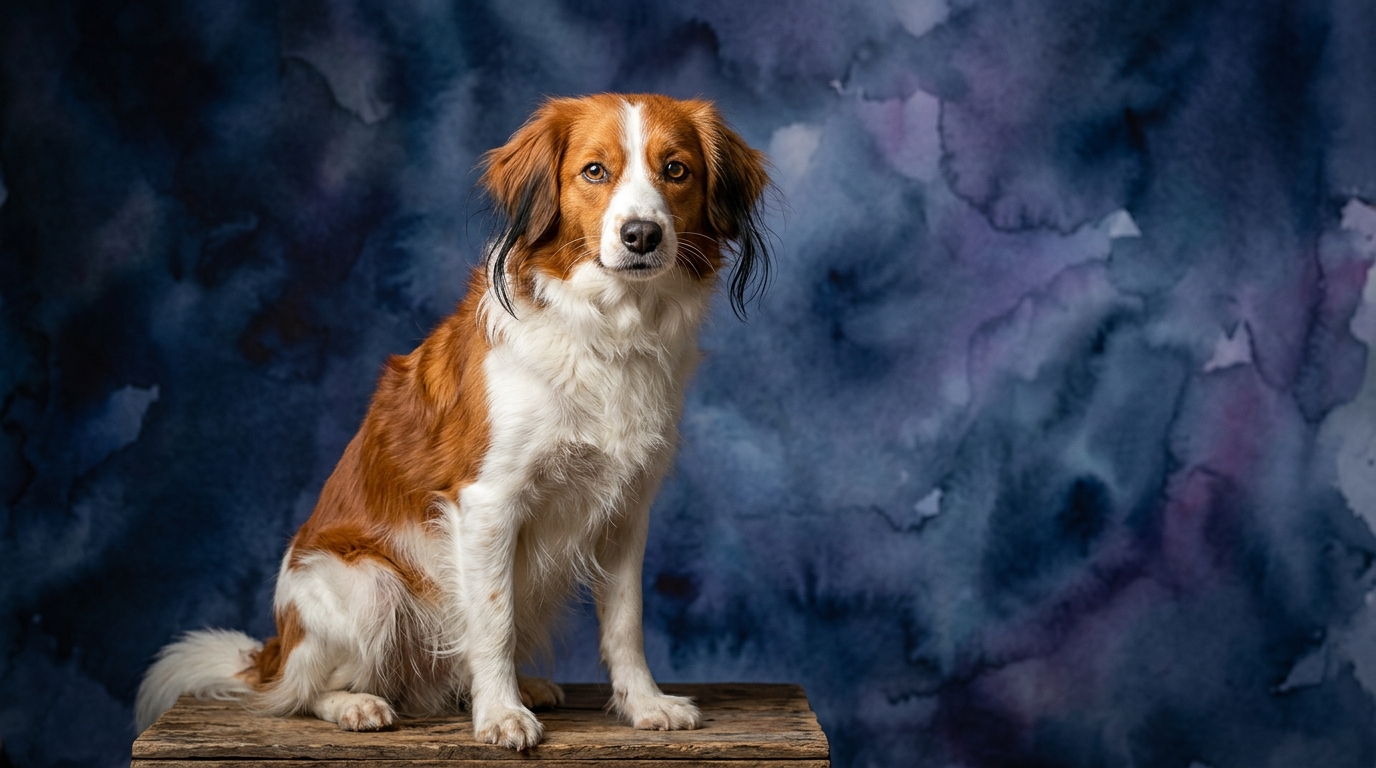
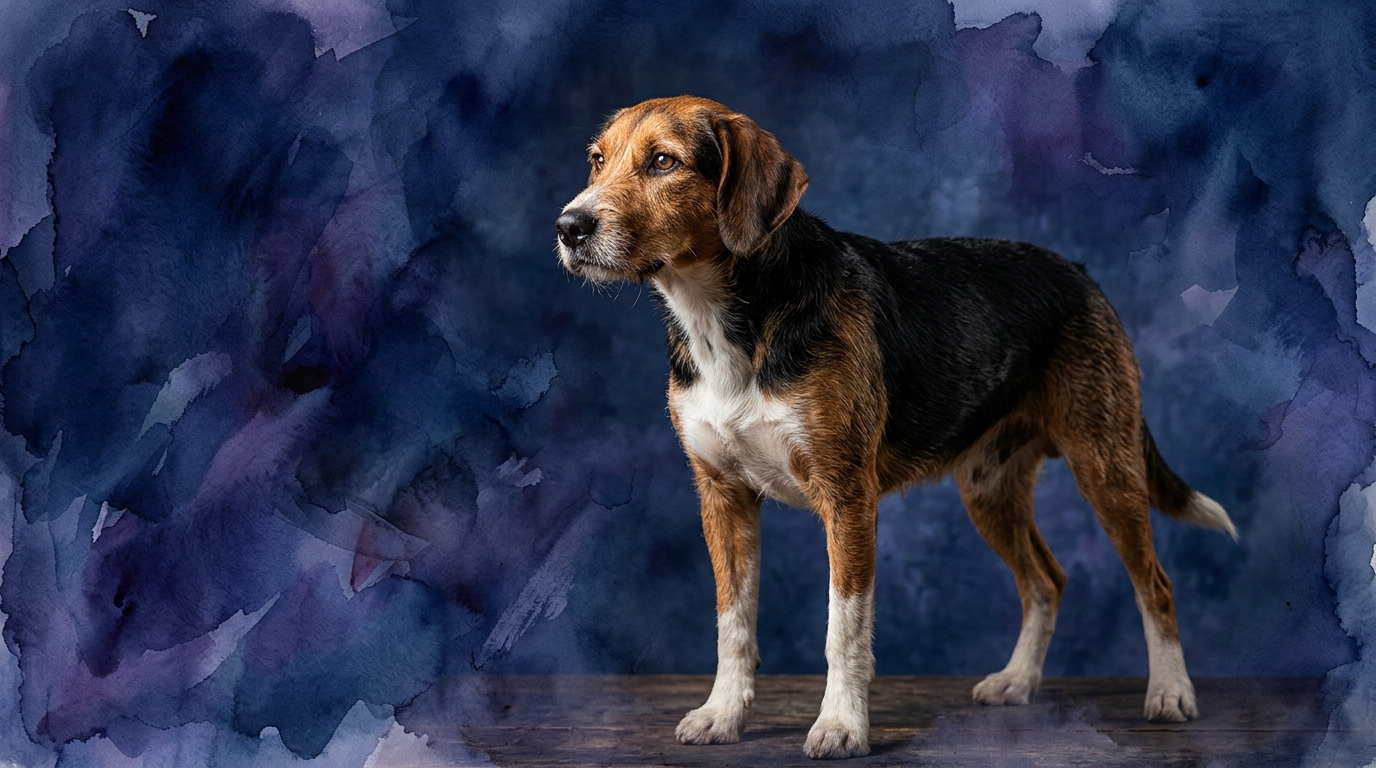
On paper, both the Kooikerhondje and the Harrier register a 3/5 across all five measured cognitive dimensions: Problem Solving, Training Speed, Social Intelligence, Instinctive Drive, and Memory. However, these scores are broad indicators, and the 'how' behind them is where the breeds diverge, shaped by centuries of selective breeding for specific tasks. Understanding these differences requires looking beyond the numerical equality and into the context of their historical roles.
The Kooikerhondje, originating as a duck decoy dog in the Netherlands, primarily functioned to lure ducks into traps. This role demanded a keen sense of observation and strategic thinking. Their Problem Solving at 3/5 is often expressed through subtle manipulation and a clever approach to tasks, such as figuring out how to achieve a desired outcome through indirect means or by observing human behavior. Their Training Speed, also 3/5, reflects an eagerness to learn complex routines and respond to handler cues, essential for their intricate decoying work, yet often accompanied by an independent streak that means they evaluate requests before complying. Social Intelligence at 3/5 is evident in their strong bond with their primary family members, understanding human moods and intentions, though they can be reserved with strangers. Their Instinctive Drive, rated 3/5, centers on a controlled prey drive for birds, manifested in a desire to work alongside a human partner rather than solely pursuing game. Finally, their Memory at 3/5 is crucial for recalling complex decoying patterns, specific commands, and the locations of various traps or game.
The Harrier, a traditional English pack hound used for hunting hare, presents a different cognitive landscape for the same scores. Their Problem Solving at 3/5 is less about strategic manipulation and more about practical, sensory-driven navigation and perseverance. This includes discerning complex scent trails over varied terrain and overcoming physical obstacles while maintaining focus on the hunt. Their Training Speed, also 3/5, means they are capable of learning, but their strong, ancient drive for scent often dictates their focus, making consistent recall or attention challenging in stimulating environments. Social Intelligence at 3/5 is deeply rooted in pack dynamics; they are highly attuned to other dogs' behaviors and communicate effectively within a group, extending this sociability to their human family but sometimes prioritizing their noses over human instruction. Their Instinctive Drive, again 3/5, is overwhelmingly geared towards scent work and the pursuit of game, demonstrating incredible stamina and single-mindedness. Their Memory at 3/5 is critical for remembering successful hunting routes, specific scent profiles, and the intricate hierarchy and communication within their pack.
Where the Kooikerhondje Wins Cognitively
Despite identical numerical scores, the Kooikerhondje often demonstrates a cognitive edge in tasks requiring more nuanced interaction with humans and a strategic, almost 'thinking' approach to problem-solving. Their historical role as a decoy dog demanded not just obedience, but a subtle understanding of cause and effect in a human-directed context. This means they excel at learning intricate, multi-step tasks that require attention to detail and a willingness to collaborate closely with a handler, often anticipating the next step.
Their social intelligence, while rated the same, tends to manifest in a deeper attunement to individual human cues and emotions, making them exceptionally responsive in a one-on-one training or companionship setting. A Kooikerhondje might 'win' in a scenario requiring delicate object manipulation, understanding abstract commands, or adapting to varied household routines with thoughtful observation, rather than relying solely on instinct. Their problem-solving often involves more independent assessment of situations and a clever, less brute-force solution, reflecting their past need to outsmart wary ducks.
Where the Harrier Wins Cognitively
The Harrier's cognitive strengths lie in areas demanding unwavering persistence, sensory acuity, and the ability to work independently over long distances, primarily driven by their powerful scenting ability. While their problem-solving is also 3/5, it shines brightest in real-world scenarios like tracking a faint scent trail across a challenging landscape, demonstrating incredible focus and resilience in the face of distractions. This is a form of practical, endurance-based problem-solving.
Their social intelligence, while equally rated, is particularly strong in group dynamics, making them adept at understanding and communicating within a pack structure, whether canine or human. A Harrier might 'win' in tasks requiring sustained physical and mental effort, such as lengthy scent games or navigating complex outdoor environments. Their instinctive drive, though numerically equivalent, is arguably more singular and intense, allowing them to maintain focus on a primary objective (like a scent) for extended periods, a cognitive advantage for specific working roles where tenacity is paramount.
Which is Easier to Train and Why
When considering 'easier to train' in a general obedience context, the Kooikerhondje often presents a more straightforward experience for the average owner. Their Sporting group heritage means they are typically more biddable and keen to please a human handler, making them responsive to positive reinforcement methods. While they possess an independent streak, their historical role required close cooperation and attention to their human partner, leading to a natural inclination to follow direction and learn new commands with enthusiasm. They are generally attentive to eye contact and verbal cues.
The Harrier, conversely, can be more challenging to train in traditional obedience, largely due to their powerful, ancient scent drive. While they are capable of learning, their nose often takes precedence over human commands, especially in stimulating outdoor environments. This means that while they learn at a 3/5 speed, their attention is frequently diverted by fascinating smells, requiring immense patience, consistency, and high-value rewards to maintain focus. Their 'recall' might be excellent in a quiet living room but non-existent when a compelling scent trail beckons. Training a Harrier effectively often involves channeling their instinctive drive into acceptable outlets, such as scent work or tracking, rather than trying to suppress it entirely.
Which Suits Active Owners vs. Relaxed Owners
For owners with an active lifestyle, both breeds can be suitable, but their energy outlets differ. The Kooikerhondje thrives with consistent mental stimulation and moderate to high physical activity. They enjoy varied activities like fetch, agility, trick training, and long walks or hikes. They are adaptable enough to settle down indoors after their needs are met, making them a good fit for active families who enjoy including their dog in daily routines and providing engaging tasks. An owner who enjoys teaching new things and exploring different dog sports would find a Kooikerhondje an excellent companion.
The Harrier, however, demands a significantly more robust and consistent exercise regimen, making them ideal for truly dedicated, very active owners. Their immense stamina and relentless drive for scent work mean they need extensive opportunities for off-leash running, often for miles, and engagement in scent-based activities. A relaxed owner who prefers short walks or minimal outdoor time would likely find a Harrier's energy levels overwhelming and potentially lead to frustrated or destructive behaviors. Harriers are best suited for owners who are committed to daily, vigorous outdoor adventures, perhaps even participating in hunting or tracking sports, and who appreciate a dog with an unflagging zest for exploration.
The Verdict
Choose the Kooikerhondje if you seek an engaging, thoughtful companion responsive to nuanced direction, perfect for varied activities and a family life with ample mental and physical engagement. They thrive with owners who appreciate a dog that thinks alongside them.
Opt for the Harrier if you are an exceptionally active outdoor enthusiast ready to embrace a dog driven by ancient instincts, requiring extensive physical exertion and opportunities for scent work. They are best for owners who can match their unwavering stamina and tenacious spirit.
🧠 Find Your Pet's IQ Score
Our Pet IQ Lab assessment covers 25+ tests across 5 cognitive dimensions — personalized to your breed.
Take the Full IQ Test →Frequently Asked Questions
Are Kooikerhondjes good family dogs?
Kooikerhondjes are generally excellent family dogs, forming strong bonds with their primary family members. They are playful and affectionate but can be reserved with strangers, requiring early socialization to ensure they are comfortable in various settings.
Do Harriers get along with other pets?
Harriers, being pack hounds, typically get along well with other dogs, especially if raised together. Their prey drive means they might view smaller, non-canine pets as game, so careful introductions and supervision are essential, particularly with cats or small rodents.
What is the biggest challenge in owning a Kooikerhondje?
The biggest challenge with a Kooikerhondje often lies in managing their intelligence and potential for mischief if bored, along with their sensitive nature. They need consistent mental stimulation and positive reinforcement, as harsh training methods can cause them to shut down.