Side-by-Side IQ Profile: Interpreting Identical Scores
The Cosmic Pet IQ Lab assigns both the Kooikerhondje and the Lakeland Terrier a consistent 3/5 rating across all five cognitive dimensions. While numerically identical, the manifestation of these scores is profoundly influenced by each breed's historical purpose and inherent temperament, offering a fascinating study in cognitive diversity.
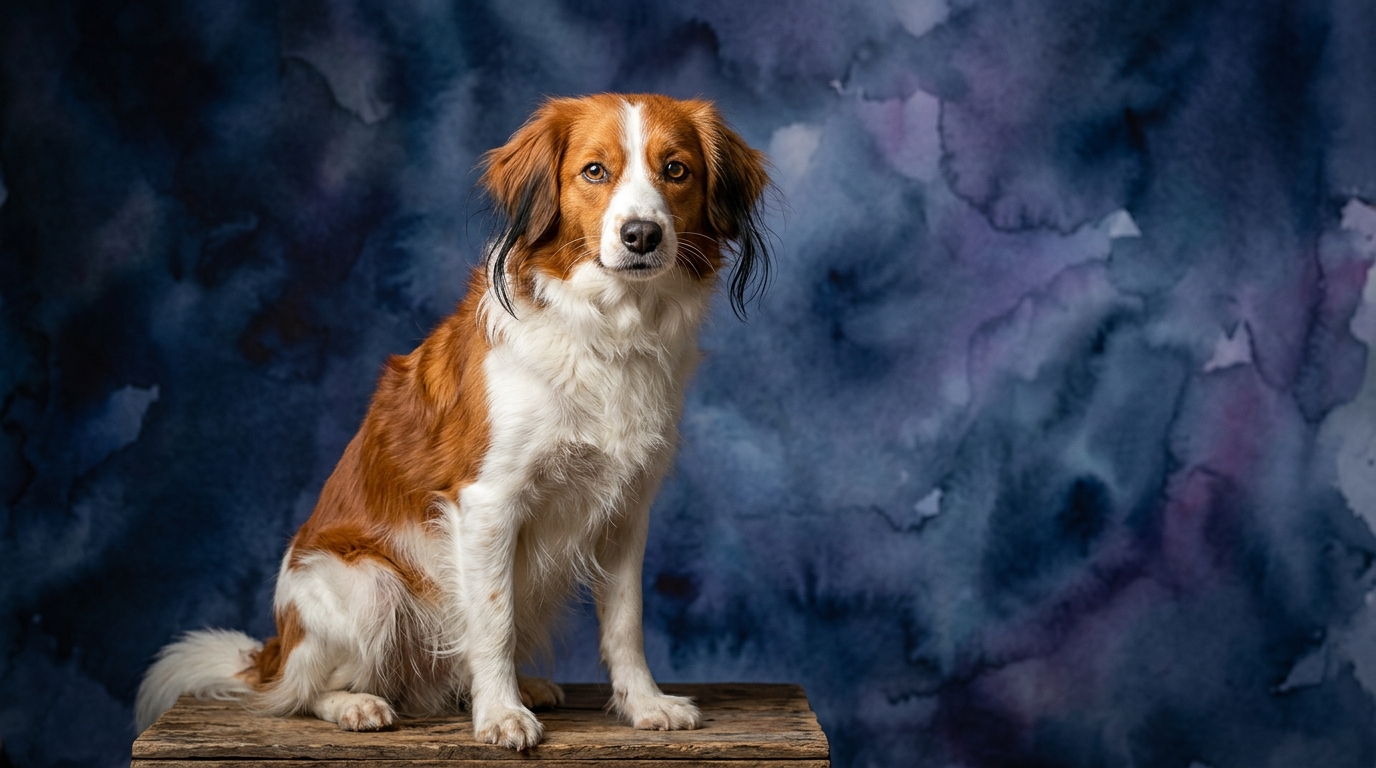
For the **Kooikerhondje (Sporting Group)**, their 3/5 in **Problem Solving** often involves an observant and methodical approach. Their historical role in duck decoying fostered a cooperative approach, often preferring solutions involving partnership. They might excel at tasks requiring sequential steps or understanding cause-and-effect within familiar environments. A 3/5 for **Training Speed** indicates they grasp new commands at a moderate pace. Their willingness to engage and cooperative nature mean they absorb lessons steadily, building upon prior knowledge. Their **Social Intelligence**, also 3/5, reflects an ability to read human cues and social dynamics moderately well, often forming strong family bonds and showing awareness of household routines. They adapt to various social situations, though a reserved initial approach to strangers is common. The Kooikerhondje's 3/5 **Instinctive Drive** is rooted in their heritage as a working retriever and duck toller. This manifests as a moderate drive to chase, retrieve, and engage in activities mimicking their historical role. This drive is typically manageable, channeled into outlets like fetch or scent work. Finally, a 3/5 in **Memory** means they retain information and learned behaviors moderately well. Consistent reinforcement solidifies recall, making them reliable in established routines.
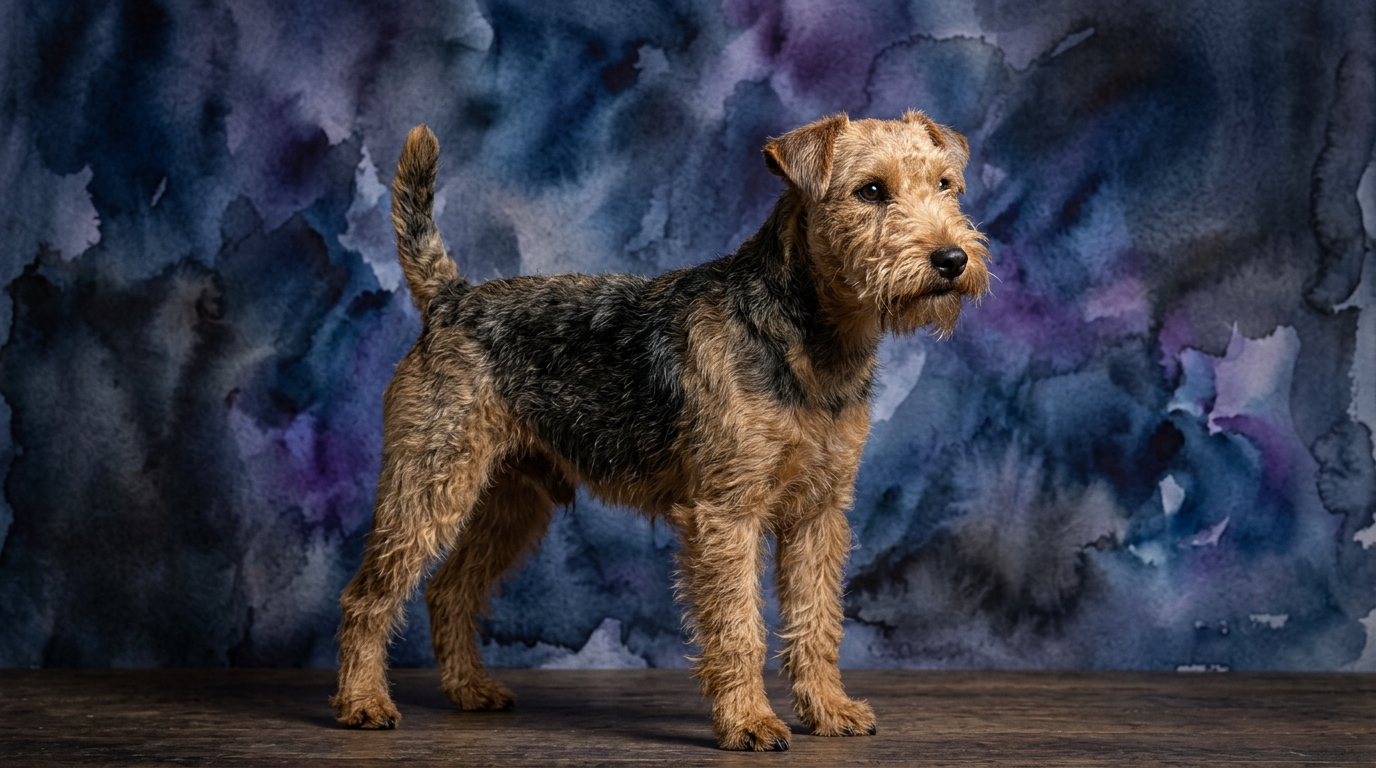
The **Lakeland Terrier (Terrier Group)**, despite also scoring 3/5 across the board, presents a distinct cognitive style. Their 3/5 in **Problem Solving** leans towards tenacity and self-direction. Bred to hunt vermin independently, their problem-solving often involves persistent effort and trial-and-error to achieve a desired outcome, such as reaching a hidden toy. Solutions are often born of determination. Their **Training Speed** of 3/5 means they learn moderately, but their independent terrier spirit can make them less inclined to comply if they don't see immediate value. Consistency and engaging, reward-based training are essential to harness focus and ensure lessons stick. Lakeland Terriers' 3/5 **Social Intelligence** manifests as a keen awareness of their surroundings and the intentions of others. While they form strong family bonds, their assertive nature means they might interpret social cues differently, sometimes challenging boundaries. They are often perceptive observers but may act on their own interpretations. The Lakeland Terrier's 3/5 **Instinctive Drive** is strongly shaped by their vermin-hunting heritage, manifesting as a strong inclination to chase, dig, and investigate small prey. This drive, when triggered, can be intensely focused, requiring owners to understand and manage it through appropriate outlets. With a 3/5 in **Memory**, they retain information moderately well, particularly adept at remembering locations of interesting scents or past successful strategies. Their memory for routines is solid, though independence might sometimes lead them to 'forget' a command if a stronger instinct arises.
Where Kooikerhondje Wins Cognitively
While both breeds share a 3/5 rating across all cognitive dimensions, the Kooikerhondje truly shines in scenarios demanding cooperative effort and focused attention on a human partner. Their historical role as a duck decoyer bred a strong inclination towards working with people, making them particularly adept at understanding and responding to complex sequences of commands that contribute to a shared goal. This manifests as more fluid engagement in activities like obedience, agility, or rally, where precise execution based on handler cues is paramount. Their 3/5 problem-solving often leans towards solutions maintaining harmony and connection within a team, rather than independent endeavors. Furthermore, their social intelligence, while quantitatively similar, allows for a nuanced reading of handler intent, facilitating a smoother collaborative experience. They excel when the 'problem' is solved together, valuing the partnership inherent in cognitive tasks.
Where Lakeland Terrier Wins Cognitively
Conversely, the Lakeland Terrier's distinct cognitive strengths, despite identical numerical scores, emerge in situations requiring independent thought, tenacity, and robust self-reliance. Their 3/5 problem-solving often translates into a relentless pursuit of a goal, particularly when it involves investigation or overcoming physical obstacles to reach a desired object or scent. Unlike the Kooikerhondje's cooperative bent, the Lakeland's historical purpose fostered a mind that could analyze a situation, devise a strategy, and execute it without human intervention, deep within a burrow. This translates into remarkable resilience and an innate ability to 'figure things out' on their own terms. Their 3/5 memory is particularly effective at recalling successful independent strategies or locations of interest, making them formidable at tasks like scent work. Their social intelligence allows them to assert their needs and desires effectively, often navigating social landscapes with a confident, self-assured presence, prioritizing their own objectives.
Which is Easier to Train and Why
Determining which breed is 'easier' to train, despite both having a 3/5 training speed, hinges significantly on their inherent motivations and temperaments. The Kooikerhondje, with its Sporting Group background, generally approaches training with a greater eagerness to please and a natural inclination towards cooperative work. Their moderate instinctive drive is typically directed towards interactive play and retrieving, making them responsive to handler-centered positive reinforcement. They tend to maintain focus on their human partner, making the introduction of new commands and the refinement of behaviors a more straightforward process. Their social intelligence supports this by fostering a desire for harmonious interaction. In essence, they are often more 'biddable,' valuing the partnership in training.
The Lakeland Terrier, while equally capable of learning at a moderate pace, presents a different training dynamic. Their strong terrier instincts for independent hunting and their assertive nature mean that 'compliance' is often conditional on their own interest or perceived reward. They possess a keen problem-solving ability that they will readily apply to circumvent rules or find alternatives if training isn't engaging enough or if a stronger instinct takes over. Their 3/5 instinctive drive, when triggered by a scent or movement, can override learned commands, requiring consistent, creative, and firm-but-fair training that respects their independent spirit. Therefore, while both learn, the Kooikerhondje often offers a smoother, cooperative training journey, whereas the Lakeland Terrier demands a more experienced trainer who understands and can channel their strong will.
Suitability for Active vs. Relaxed Owners
When considering an owner's lifestyle, both the Kooikerhondje and the Lakeland Terrier require active engagement, but the nature of that activity differs. The Kooikerhondje, stemming from a working background, thrives with owners who can provide consistent mental and physical stimulation through structured activities. Their moderate instinctive drive means they need regular exercise like long walks, fetch, or dog sports such as agility. While they appreciate a good romp, they are also content to settle down with their family after their needs are met, making them suitable for active owners who also enjoy periods of calm relaxation indoors. They are not typically suited for entirely sedentary households but can adapt to a varied pace.
The Lakeland Terrier, conversely, demands a more robust and consistent level of activity that caters to their strong, independent terrier drive. Their heritage as vermin hunters means they possess boundless energy and a need for outlets that engage their problem-solving and instinctive drives. Owners must be prepared for vigorous daily exercise, including off-leash exploration in secure areas where they can satisfy their urge to investigate and chase. A relaxed owner unable to channel this energy will likely find themselves with a bored and potentially destructive Lakeland. Therefore, while both need activity, the Kooikerhondje suits an active owner valuing a calm home life, whereas the Lakeland Terrier is best suited for highly active owners embracing their dog's tenacious, independent energy.
The Verdict
Choose the Kooikerhondje if you seek a cooperative canine partner for activities like obedience or agility, valuing a dog that is generally eager to please and thrives on working alongside its human. This breed suits an active owner who appreciates a balanced companion, capable of both spirited play and calm indoor companionship.
Opt for the Lakeland Terrier if you are a highly active, experienced owner who embraces an independent, tenacious spirit and enjoys channeling a strong prey drive into structured activities like earthdog trials or scent work. This breed thrives with owners who appreciate their bold personality and can provide consistent mental and physical challenges.
🧠 Find Your Pet's IQ Score
Our Pet IQ Lab assessment covers 25+ tests across 5 cognitive dimensions — personalized to your breed.
Take the Full IQ Test →Frequently Asked Questions
Do Kooikerhondjes bark a lot?
Kooikerhondjes are generally not excessive barkers, but they will alert their owners to new arrivals or unusual sounds. Early socialization and training can help manage any alarm barking, ensuring their vocalizations remain appropriate.
Are Lakeland Terriers good with other pets?
Lakeland Terriers possess a strong prey drive due to their hunting heritage, which means they may not always be reliable with smaller pets like cats or rodents without extensive, careful socialization from a young age. They can often coexist peacefully with other dogs, especially if raised together, but their assertive nature sometimes leads to challenging interactions.
How do these breeds typically react to strangers?
Kooikerhondjes tend to be reserved with strangers initially, often observing from a distance before warming up, reflecting their social intelligence score of 3/5. Lakeland Terriers are typically more outgoing and confident, often approaching new people with curiosity and a characteristic terrier boldness, though their independent nature means they might not seek constant attention.