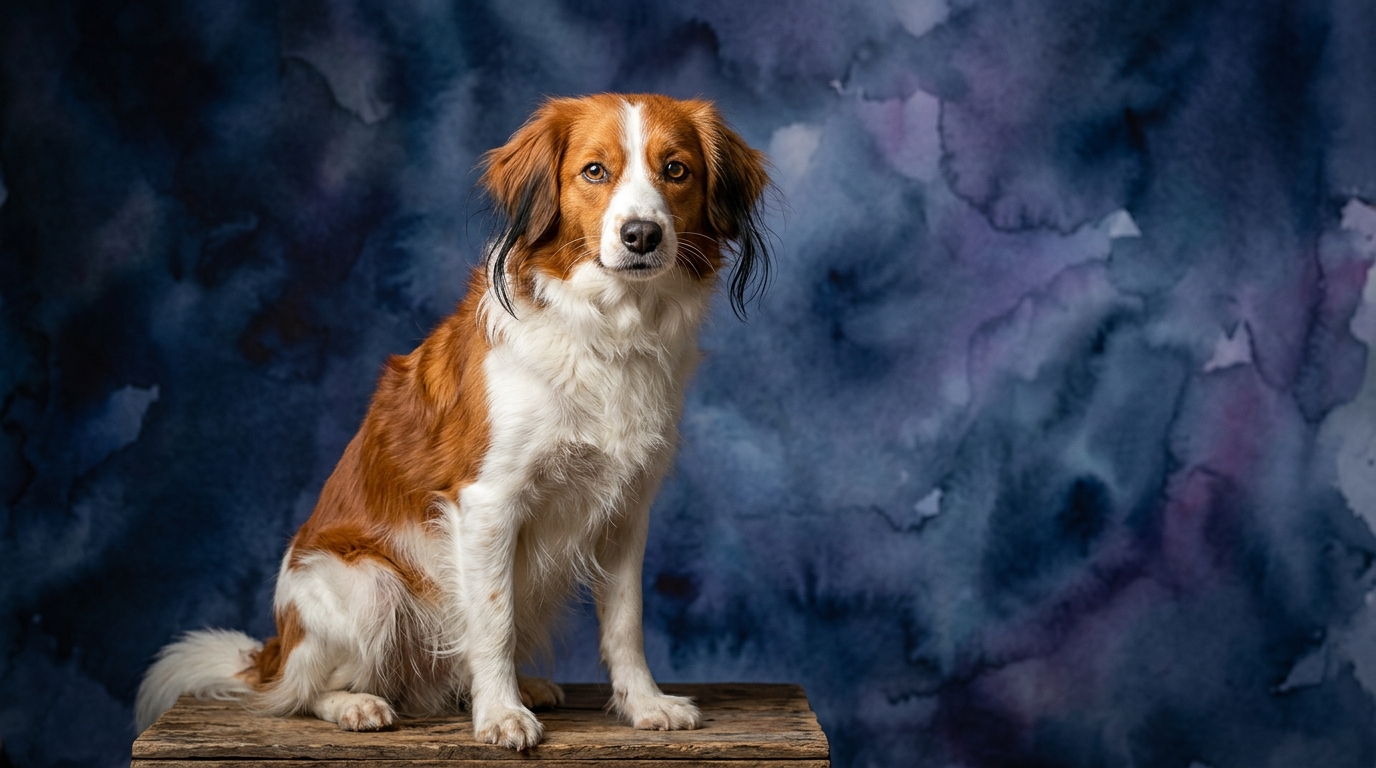
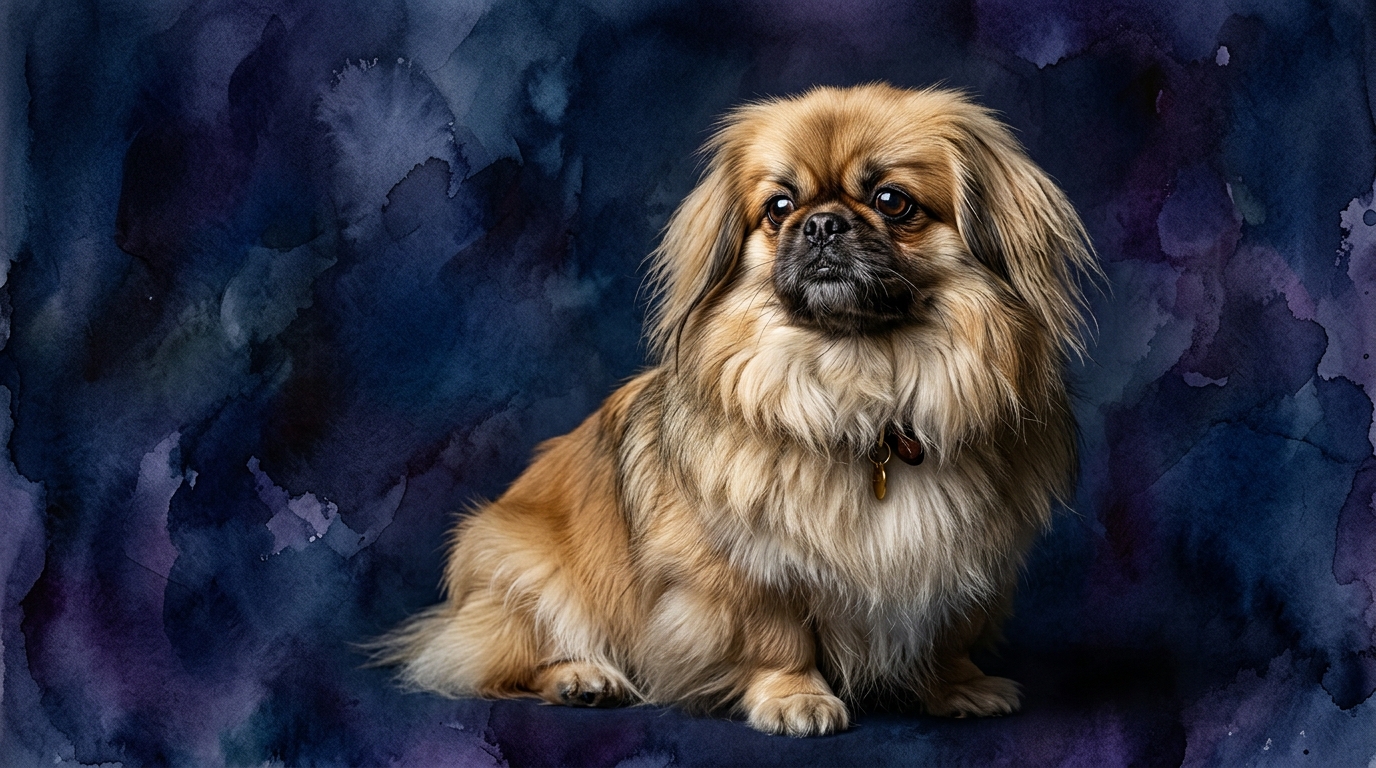
Side-by-side IQ profile
The Kooikerhondje, a Sporting breed, consistently scores 3/5 across all five cognitive dimensions. Their Problem Solving (3/5) is often expressed through practical challenges, enabling them to assess situations independently, such as navigating complex environments or strategizing during tasks. This approach reflects an active engagement with their surroundings.
Their Training Speed (3/5) indicates a moderate learning pace, thriving on positive reinforcement and clear objectives. While generally cooperative, their independent streak means they appreciate purpose-driven tasks over rote repetition. Social Intelligence (3/5) shows a keen understanding of human moods within their family, forming strong bonds and responding to handler cues, though they can be reserved with strangers.
The Kooikerhondje’s Instinctive Drive (3/5) is rooted in their decoy dog heritage, manifesting as a strong desire for retrieving, chasing, and cooperative work. This drive fuels a need for engaging activities that tap into their innate prey drive. Memory (3/5) is reliable for commands, routines, and familiar layouts, supporting their ability to perform complex sequences and adapt to new situations.
The Pekingese, a Toy breed, also scores 3/5 in every cognitive category. Their Problem Solving (3/5) typically focuses on optimizing comfort and influencing human companions. They might cleverly maneuver to gain a preferred spot or use subtle cues to solicit attention, demonstrating a nuanced understanding of social leverage within their domain.
Training Speed (3/5) for a Pekingese is moderate, but heavily influenced by their perceived value of the task and the trainer's ability to motivate them. Their independent nature requires patience, making consistent, high-value reward-based methods essential for engagement. Social Intelligence (3/5) is highly focused; bred for companionship, they are deeply perceptive of their chosen human's emotions and routines, often aloof or discerning with outsiders.
The Pekingese’s Instinctive Drive (3/5) primarily revolves around companionship, territorial awareness, and a sense of self-importance. This translates into a strong desire to be near their people, guard their space, and maintain their perceived status. Memory (3/5) is good for daily routines, preferred individuals, and comfortable resting spots, contributing to their consistent behaviors and expectations.
Where Kooikerhondje wins cognitively
The Kooikerhondje's cognitive strengths shine particularly in scenarios demanding active engagement and collaborative problem-solving. Their instinctual drive, rated 3/5, is directly linked to a history of working alongside humans, requiring them to process information quickly to perform tasks like retrieving or luring fowl. This translates into a dog that often seeks out mental stimulation through interactive games and training challenges, excelling when given a job to do.
Their problem-solving ability, also 3/5, is frequently expressed in practical, outdoor-oriented contexts. A Kooikerhondje might more readily figure out how to retrieve a toy from a complex obstacle or navigate a new trail, demonstrating a spatial and practical intelligence that benefits from their physical prowess and desire to explore. This breed's memory (3/5) supports their ability to retain complex sequences of actions, making them adept at agility or advanced obedience.
Where Pekingese wins cognitively
The Pekingese demonstrates a distinct cognitive strength in its social intelligence (3/5), particularly within the intimate sphere of its human family. Their history as imperial companions means they are acutely perceptive of human emotions, routines, and subtle cues, often anticipating needs or desires with remarkable accuracy. This focused social acumen allows them to navigate household dynamics with a sophisticated understanding of their place and how to influence their environment for comfort and attention.
Their problem-solving (3/5), while not outwardly task-oriented like a sporting breed, is masterfully applied to personal comfort and social manipulation. A Pekingese might “solve” the problem of being too cold by subtly nudging a blanket or “solve” the problem of wanting attention by employing a specific gaze or vocalization. Their memory (3/5) reinforces these learned social strategies, enabling them to consistently apply the behaviors that yield desired outcomes from their devoted humans.
Which is easier to train and why
Despite both breeds scoring 3/5 in training speed, the Kooikerhondje generally presents as easier to train for traditional obedience and task-oriented learning. Their background as working dogs means they typically possess a higher intrinsic motivation to please their handler and engage in structured activities. They respond well to consistent, positive reinforcement and thrive on variety in their training, often eager to learn new commands and perform complex sequences. Their cooperative nature and focus make them responsive students.
The Pekingese, while capable of learning, often requires a different training approach due to their independent and sometimes self-important demeanor. Their 3/5 training speed is often limited by their willingness rather than their capacity; they need to be convinced that training is worthwhile for *them*. Real behavioral differences include their tendency to be more selective about who they obey and a preference for comfort over rigorous activity. Trainers must employ extremely high-value rewards and make sessions short, engaging, and perceived as beneficial by the Pekingese to ensure consistent participation and retention.
Which suits active owners vs relaxed owners
For active owners seeking a canine partner in adventure, the Kooikerhondje is typically a more fitting match. Their 3/5 instinctive drive and problem-solving capabilities align well with activities like hiking, agility, or retrieving games. They require regular physical and mental stimulation to prevent boredom and channel their energy constructively. Owners who enjoy training for sports or long walks will find the Kooikerhondje's cognitive profile and physical stamina a rewarding complement to their lifestyle.
Conversely, relaxed owners who appreciate a devoted, calm companion will likely find the Pekingese more suitable. While they benefit from short walks and mental engagement, their 3/5 instinctive drive is less about physical exertion and more about companionship and territorial awareness. Their social intelligence is geared towards intimate household dynamics, making them content with indoor living and close proximity to their chosen people. Owners who prefer quiet evenings, gentle affection, and a dog that is less demanding of strenuous activity will appreciate the Pekingese's temperament and cognitive focus.
The Verdict
Choose the Kooikerhondje if you seek a partner for active pursuits, enjoy engaging in dog sports, and appreciate a dog that thrives on learning new tasks and collaborating on practical challenges.
Opt for the Pekingese if you desire a devoted, perceptive companion for a more relaxed lifestyle, valuing a dog that excels in intimate social dynamics and provides quiet, affectionate presence.
🧠 Find Your Pet's IQ Score
Our Pet IQ Lab assessment covers 25+ tests across 5 cognitive dimensions — personalized to your breed.
Take the Full IQ Test →Frequently Asked Questions
Do identical IQ scores mean Kooikerhondje and Pekingese are equally easy to train?
Not exactly. While both score 3/5 in training speed, their underlying motivations differ. The Kooikerhondje generally has a stronger desire to please and work, while the Pekingese often requires more persuasion and high-value rewards to engage consistently in training.
How does a Kooikerhondje's 3/5 problem-solving differ from a Pekingese's?
A Kooikerhondje's problem-solving often manifests in practical, task-oriented ways, like figuring out how to retrieve an object or navigate an environment. A Pekingese, conversely, tends to apply its problem-solving to social situations, cleverly influencing humans for comfort or attention.
Can a Pekingese participate in dog sports like agility?
While a Pekingese can certainly learn commands and enjoy some activities, their build and inherent temperament mean they are less naturally suited for high-impact dog sports like agility compared to a Kooikerhondje. Their participation would likely be more for fun and mental engagement than competitive performance.